

Collection
Adriaen Brouwer
Explore curated art prints selected for distinctive homes and considered interiors.
Suggested filters
-

 Scene at the Inn - Adriaen Brouwer
Framed
Regular price From $220.00 NZDSale price From $220.00 NZD Regular price -

 Smokers in an Inn - Adriaen Brouwer
Framed
Regular price From $220.00 NZDSale price From $220.00 NZD Regular price -

 Tavern Scene - Adriaen Brouwer
Framed
Regular price From $220.00 NZDSale price From $220.00 NZD Regular price -

 Village Scene with Men Drinking - Adriaen Brouwer
Framed
Regular price From $220.00 NZDSale price From $220.00 NZD Regular price -

 Twilight Landscape - Adriaen Brouwer
Framed
Regular price From $220.00 NZDSale price From $220.00 NZD Regular price -

 Smallholders Playing Cards - Adriaen Brouwer
Framed
Regular price From $220.00 NZDSale price From $220.00 NZD Regular price -

 Peasants Fighting - Adriaen Brouwer
Framed
Regular price From $220.00 NZDSale price From $220.00 NZD Regular price -

 The Pancake Baker - Adriaen Brouwer
Framed
Regular price From $220.00 NZDSale price From $220.00 NZD Regular price -

 A Boor Asleep - Adriaen Brouwer
Framed
Regular price From $220.00 NZDSale price From $220.00 NZD Regular price -

 Farmers Fight Party - Adriaen Brouwer
Framed
Regular price From $220.00 NZDSale price From $220.00 NZD Regular price -

 Youth Making a Face - Adriaen Brouwer
Framed
Regular price From $220.00 NZDSale price From $220.00 NZD Regular price -

 Feeling - Adriaen Brouwer
Framed
Regular price From $220.00 NZDSale price From $220.00 NZD Regular price -

 Portrait of Jan Davidszoon de Heem - Adriaen Brouwer
Framed
Regular price From $220.00 NZDSale price From $220.00 NZD Regular price -

 Musical Company - Adriaen Brouwer
Framed
Regular price From $220.00 NZDSale price From $220.00 NZD Regular price -

 Inn with Drunken Peasants - Adriaen Brouwer
Framed
Regular price From $220.00 NZDSale price From $220.00 NZD Regular price -

 The Operation - Adriaen Brouwer
Framed · Canvas
Regular price From $130.00 NZDSale price From $130.00 NZD Regular price -
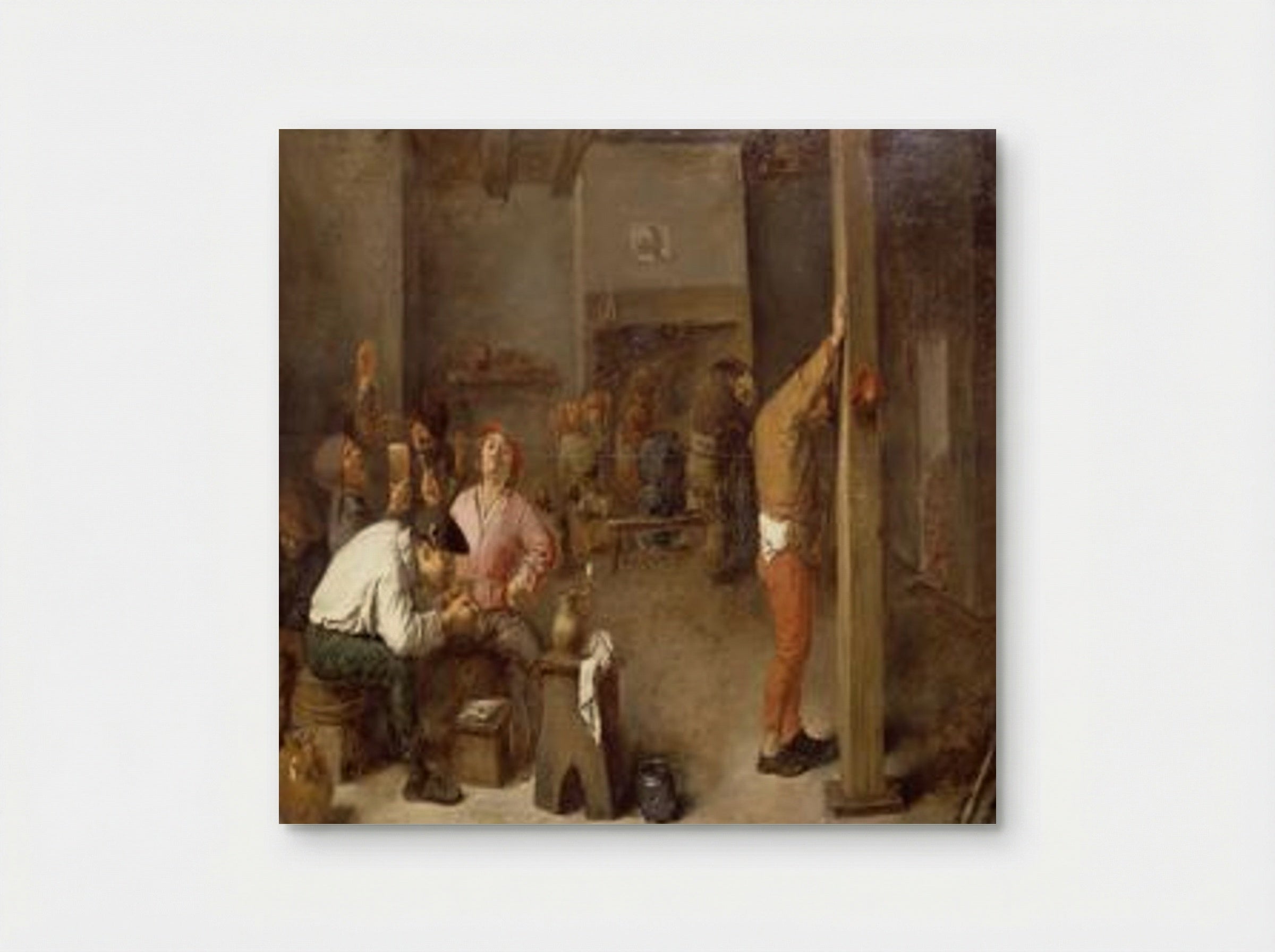 Interior of a Tavern - Adriaen Brouwer
Print
Regular price From $120.00 NZDSale price From $120.00 NZD Regular price -
 The Schlachtfest - Adriaen Brouwer
Print
Regular price From $120.00 NZDSale price From $120.00 NZD Regular price -
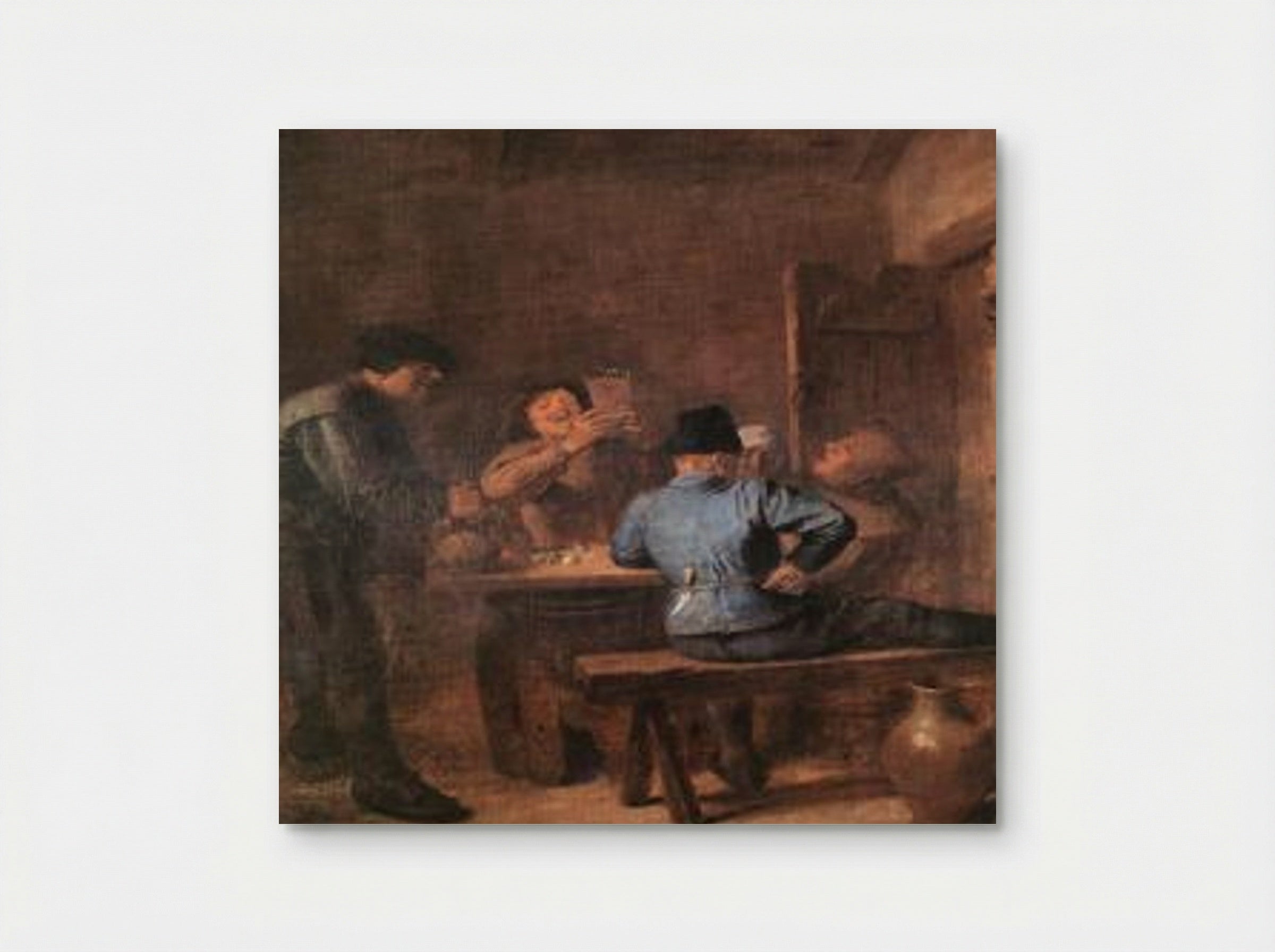 In The Tavern - Adriaen Brouwer
Print
Regular price From $120.00 NZDSale price From $120.00 NZD Regular price


Artist Biography
Adriaen Brouwer
When Adriaen Brouwer died in Antwerp in January 1638, possibly of plague and almost certainly in debt, his artist friends had to raise a subscription to give him a decent burial in the Carmelite Church. The irony was that Peter Paul Rubens owned seventeen of his paintings and Rembrandt was also a collector. Anthony van Dyck had included him in his Iconography series of portraits of famous men. For a painter of drunken tavern brawls and grimacing peasants having their corns excised, this represented an unusual concentration of elite admiration.
Born around 1605 in Oudenaarde (then in the Spanish Netherlands), Brouwer trained in the Dutch Republic, probably in Haarlem, where he encountered the loose, rapid brushwork associated with Frans Hals. By 1631 he was back in Antwerp. He was imprisoned there in 1633, possibly for debt or suspected espionage; during his imprisonment a baker named Joos van Craesbeeck encountered him and became both his closest pupil and a devoted friend. Brouwer produced roughly 60 paintings across his entire career before dying aged around thirty-two.
His subjects were the lowest rung of Dutch and Flemish society: peasants drinking, smoking, gambling, fighting, and submitting themselves to rural barber-surgeons. The Barber-Surgeon paintings (including the version at the Städelsches Kunstinstitut, Frankfurt, c. 1636) carry a deliberate iconographic joke: scholars have noted that the composition of a patient having a corn cut from his foot borrows the visual conventions of Christian martyrdom paintings, pushed to the point of caricature. His technique was equally pointed: the warm, spontaneous brushwork contrasted with the grotesque content to suggest sympathy rather than contempt for his subjects.
Art historians have positioned Brouwer at the junction of Flemish and Dutch genre traditions, bridging Pieter Bruegel the Elder's peasant scenes with the looser bravura of Hals. The collector appetite that Rubens and Rembrandt demonstrated was not entirely separate from the art's critical content: the drinker and the tavern denizen functioned in this tradition as an avatar for humanity in its unguarded state, beyond social hierarchy. That reading did not make Brouwer solvent. It did save him from obscurity.
Born around 1605 in Oudenaarde (then in the Spanish Netherlands), Brouwer trained in the Dutch Republic, probably in Haarlem, where he encountered the loose, rapid brushwork associated with Frans Hals. By 1631 he was back in Antwerp. He was imprisoned there in 1633, possibly for debt or suspected espionage; during his imprisonment a baker named Joos van Craesbeeck encountered him and became both his closest pupil and a devoted friend. Brouwer produced roughly 60 paintings across his entire career before dying aged around thirty-two.
His subjects were the lowest rung of Dutch and Flemish society: peasants drinking, smoking, gambling, fighting, and submitting themselves to rural barber-surgeons. The Barber-Surgeon paintings (including the version at the Städelsches Kunstinstitut, Frankfurt, c. 1636) carry a deliberate iconographic joke: scholars have noted that the composition of a patient having a corn cut from his foot borrows the visual conventions of Christian martyrdom paintings, pushed to the point of caricature. His technique was equally pointed: the warm, spontaneous brushwork contrasted with the grotesque content to suggest sympathy rather than contempt for his subjects.
Art historians have positioned Brouwer at the junction of Flemish and Dutch genre traditions, bridging Pieter Bruegel the Elder's peasant scenes with the looser bravura of Hals. The collector appetite that Rubens and Rembrandt demonstrated was not entirely separate from the art's critical content: the drinker and the tavern denizen functioned in this tradition as an avatar for humanity in its unguarded state, beyond social hierarchy. That reading did not make Brouwer solvent. It did save him from obscurity.


Why Choose Us ?