

Collection
Carlo Crivelli
Explore curated art prints selected for distinctive homes and considered interiors.
-
 The Demidoff Altarpiece (Central Panels) - Carlo Crivelli
Print
Regular price From $120.00 NZDSale price From $120.00 NZD Regular price -
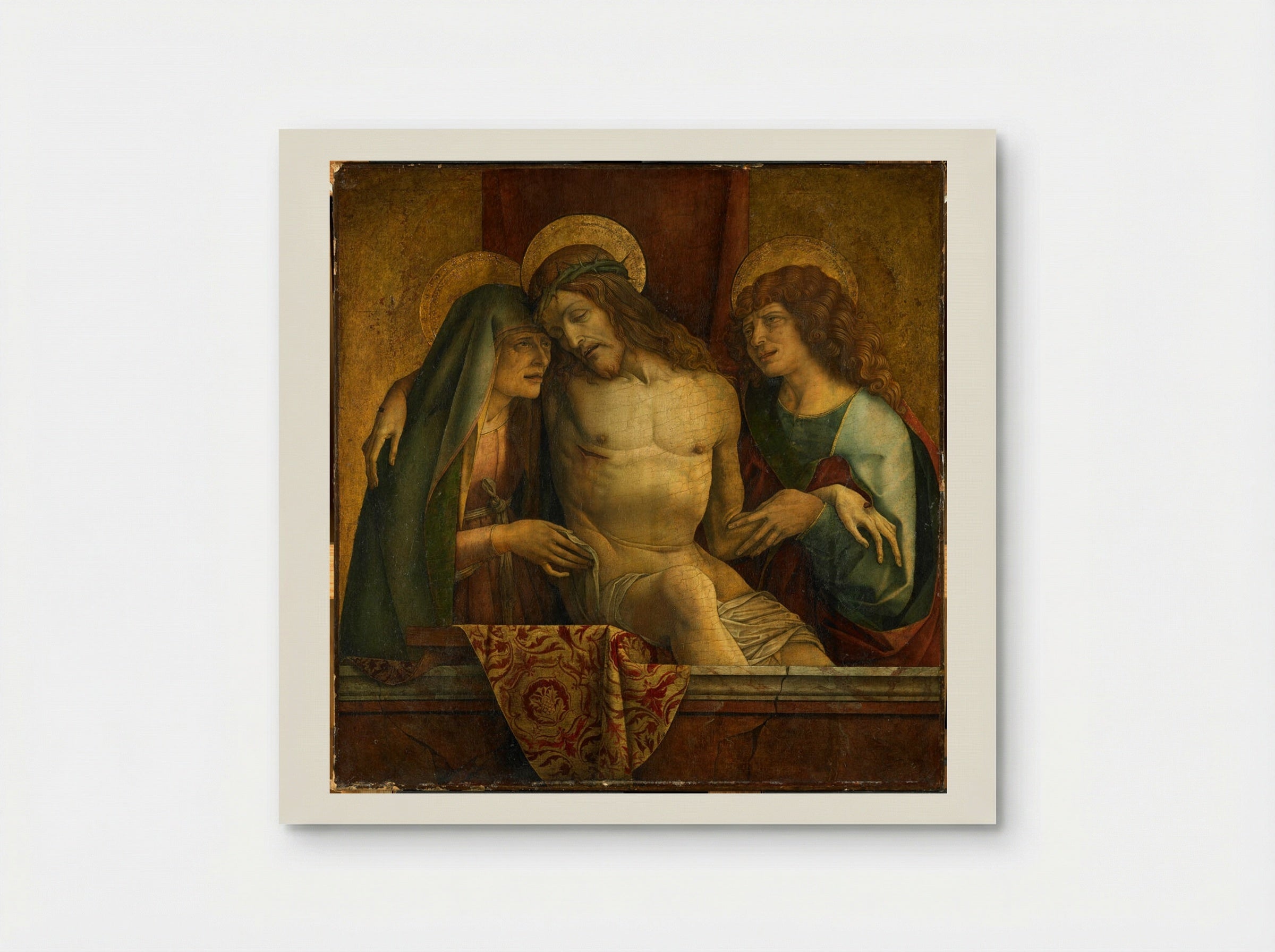 The Dead Christ between the Virgin and Saint John the Evangelist - Carlo Crivelli
Print
Regular price From $120.00 NZDSale price From $120.00 NZD Regular price -
 The Virgin and Child with Saints Francis and Sebastian - Carlo Crivelli
Print
Regular price From $120.00 NZDSale price From $120.00 NZD Regular price -
 Triptych of Camerino - Carlo Crivelli
Print
Regular price From $120.00 NZDSale price From $120.00 NZD Regular price -
 Enthroned Madonna - Carlo Crivelli
Print
Regular price From $120.00 NZDSale price From $120.00 NZD Regular price -
 Virgin and Child Enthroned with Saints - Carlo Crivelli
Print
Regular price From $120.00 NZDSale price From $120.00 NZD Regular price -
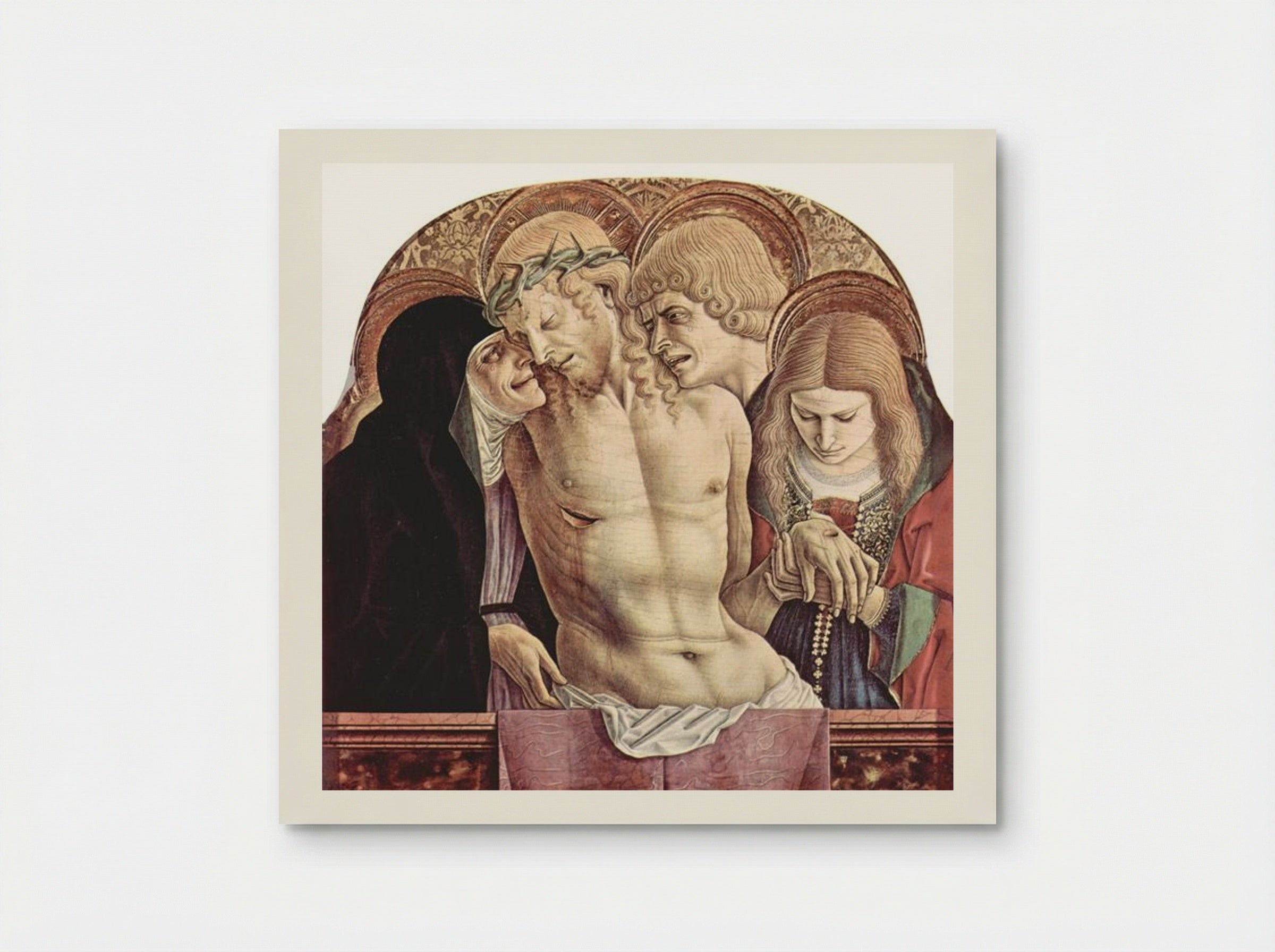 Lamentation of Christ - Carlo Crivelli
Print
Regular price From $120.00 NZDSale price From $120.00 NZD Regular price -

 Two Apostles - Carlo Crivelli
Framed
Regular price From $220.00 NZDSale price From $220.00 NZD Regular price -

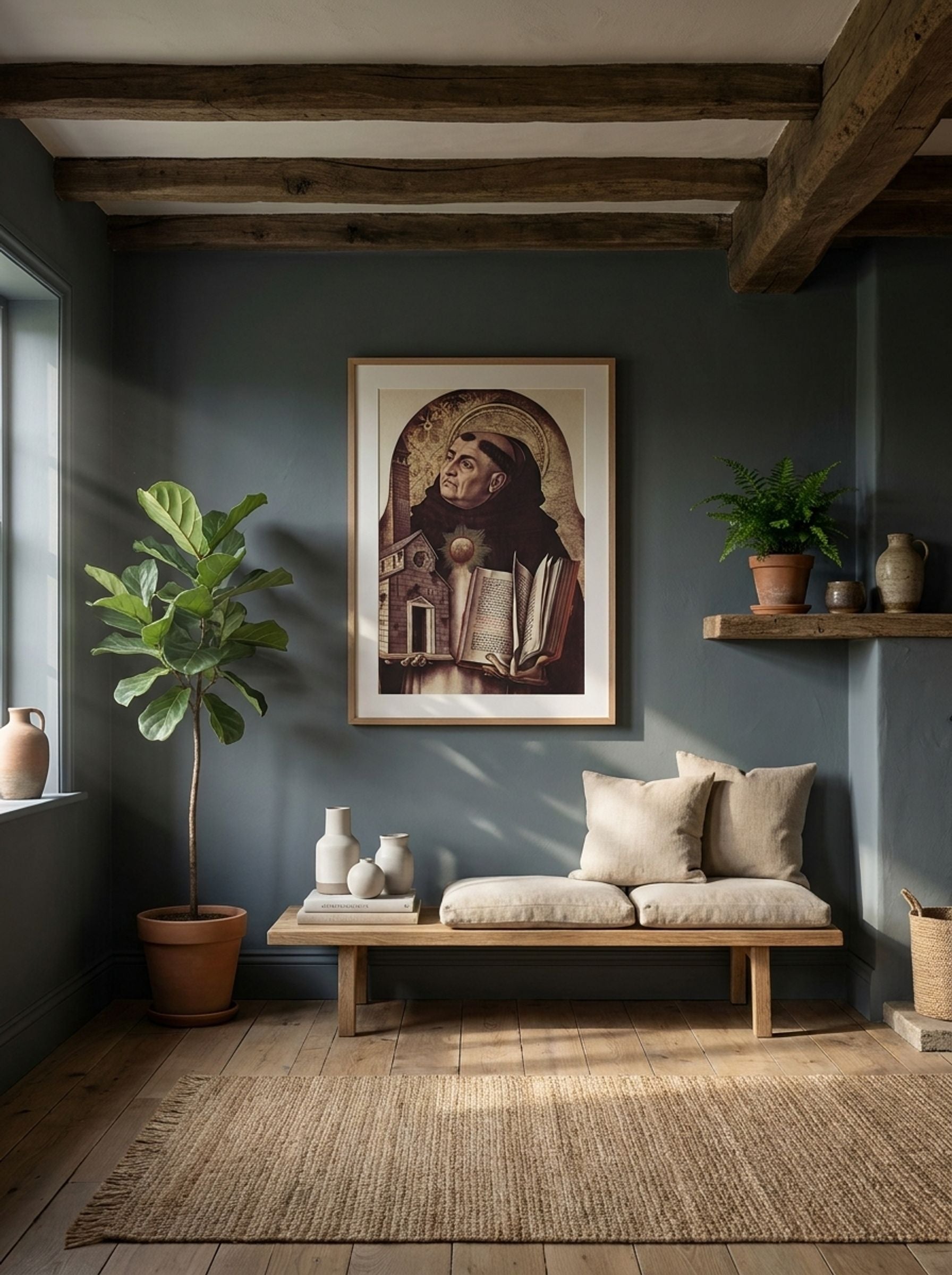 Saint Thomas Aquinas - Carlo Crivelli
Framed
Regular price From $220.00 NZDSale price From $220.00 NZD Regular price -

 Saint Dominic - Carlo Crivelli
Framed
Regular price From $220.00 NZDSale price From $220.00 NZD Regular price -
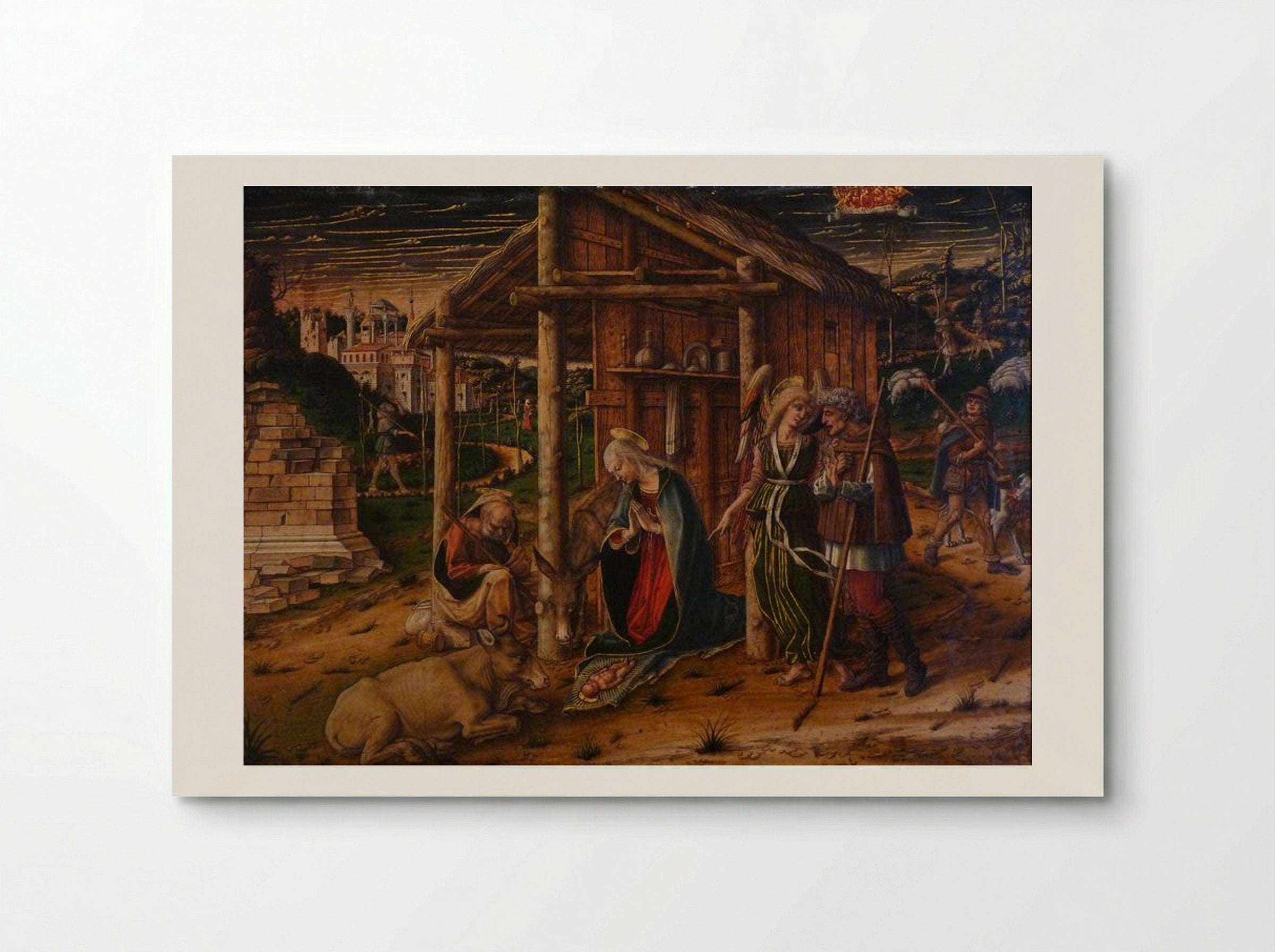
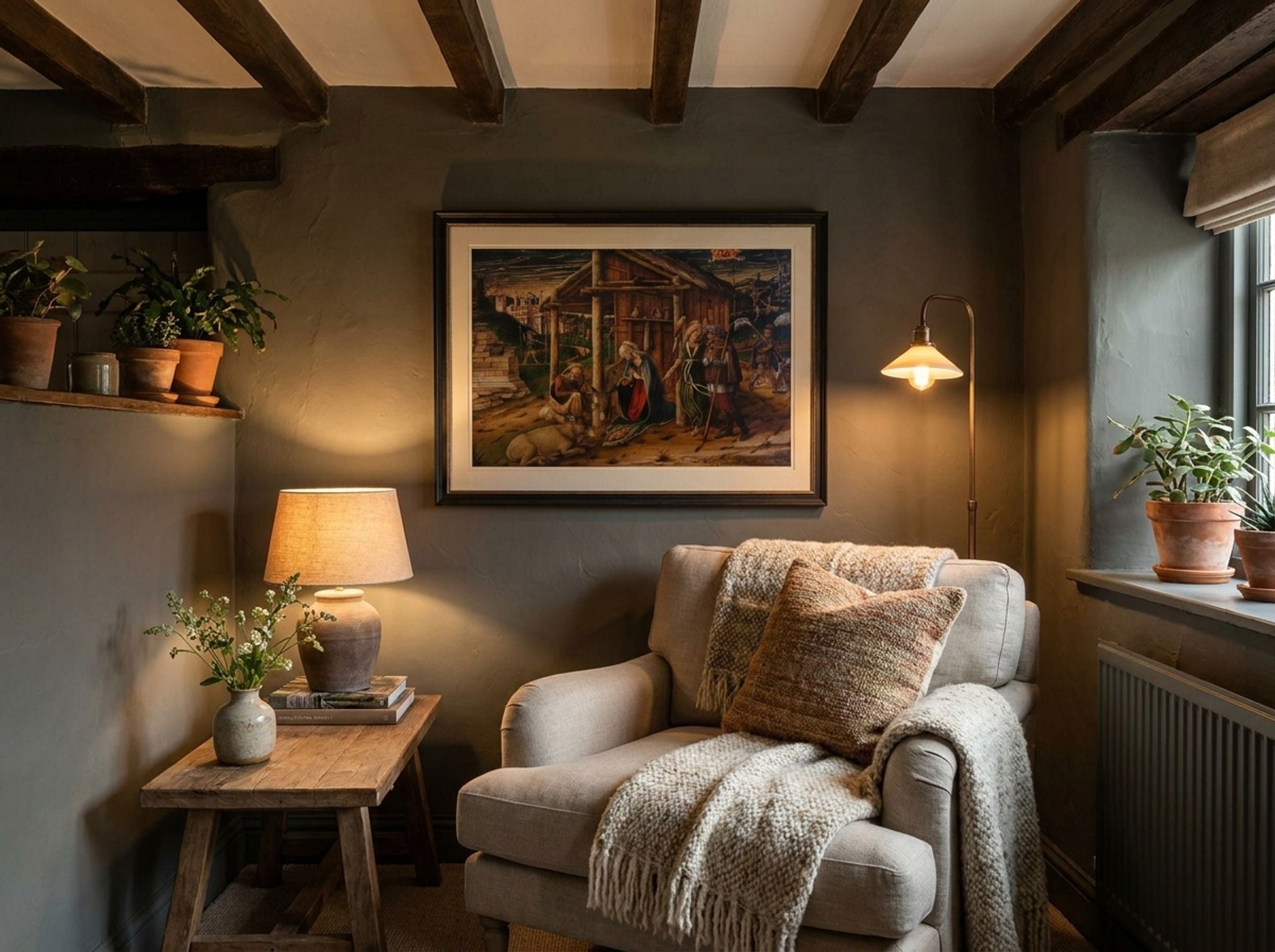 Adoration of the Shepherds - Carlo Crivelli
Framed
Regular price From $220.00 NZDSale price From $220.00 NZD Regular price -

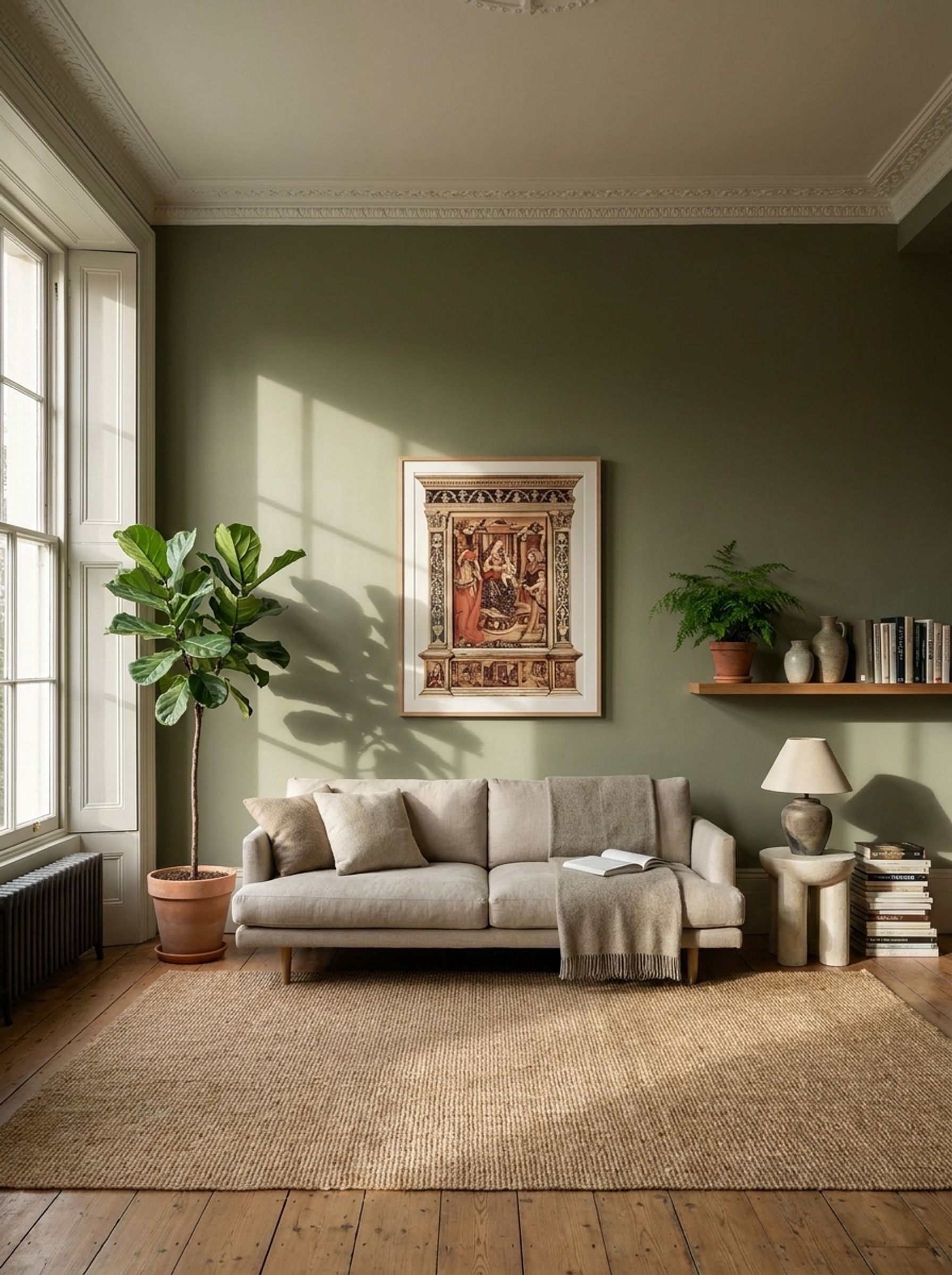 Enthroned Madonna, St. Jerome and St. Sebastian - Carlo Crivelli
Framed
Regular price From $220.00 NZDSale price From $220.00 NZD Regular price -

 Virgin and Child - Carlo Crivelli
Framed
Regular price From $220.00 NZDSale price From $220.00 NZD Regular price


Artist Biography
Carlo Crivelli
Carlo Crivelli spent the most productive decades of his career in the March of Ancona, not in Venice, yet he never stopped signing himself "a Venetian." The declaration was an advertisement: Venetian training counted in the provincial cities of the Adriatic, and Crivelli's formation under the Vivarini and through the example of Mantegna gave him a technical seriousness that set him apart from local competition.
He had left Venice by 1458, possibly following a conviction for adultery in 1457 that may have made continued residence uncomfortable. The Marche towns, Ascoli Piceno above all, became his territory. He painted nothing but religious subjects: polyptychs, Madonnas, altarpieces designed for specific church niches where the gold-ground backgrounds and the theatrical use of festoons, fruit, and cucumbers would catch the light at specific hours.
The 1486 Annunciation with Saint Emidius, now in the National Gallery in London, is the work that most condenses his method. The architectural setting is precise and Flemish in its love of depth and surface texture; the figures are described with a wiry, almost metallic clarity that owes something to engraving. On the panel he signed it "Opus Caroli Crivelli Veneti Militis", he had been knighted by the Prince of Capua that same year.
His style was conservative by the standards of the 1480s, when Bellini was moving towards atmospheric sfumato and Venetian colour. Crivelli's answer was greater elaboration, not revision.
He had left Venice by 1458, possibly following a conviction for adultery in 1457 that may have made continued residence uncomfortable. The Marche towns, Ascoli Piceno above all, became his territory. He painted nothing but religious subjects: polyptychs, Madonnas, altarpieces designed for specific church niches where the gold-ground backgrounds and the theatrical use of festoons, fruit, and cucumbers would catch the light at specific hours.
The 1486 Annunciation with Saint Emidius, now in the National Gallery in London, is the work that most condenses his method. The architectural setting is precise and Flemish in its love of depth and surface texture; the figures are described with a wiry, almost metallic clarity that owes something to engraving. On the panel he signed it "Opus Caroli Crivelli Veneti Militis", he had been knighted by the Prince of Capua that same year.
His style was conservative by the standards of the 1480s, when Bellini was moving towards atmospheric sfumato and Venetian colour. Crivelli's answer was greater elaboration, not revision.


Why Choose Us ?