

Collection
Eugene Delacroix
Explore curated art prints selected for distinctive homes and considered interiors.
Suggested filters
-

 Brother Martin Fitting Götz with his Iron Hand - Eugène Delacroix
Framed · Canvas
Regular price From $130.00 NZDSale price From $130.00 NZD Regular price -

 Portrait of Johann Wolfgang von Goethe - Eugène Delacroix
Framed · Canvas
Regular price From $130.00 NZDSale price From $130.00 NZD Regular price -

 Méphistophélés in the Tavern of the Students - Eugène Delacroix
Framed · Canvas
Regular price From $130.00 NZDSale price From $130.00 NZD Regular price -

 Man on Horseback in the Desert - Eugène Delacroix
Framed · Canvas
Regular price From $130.00 NZDSale price From $130.00 NZD Regular price -

 Duel of Faust and of Valentin - Eugène Delacroix
Framed · Canvas
Regular price From $130.00 NZDSale price From $130.00 NZD Regular price -

 Faust and Wagner - Eugène Delacroix
Framed · Canvas
Regular price From $130.00 NZDSale price From $130.00 NZD Regular price -

 Illustrations for Faust: Faust and Méphistophélés in the mountains of the Hartz - Eugène Delacroix
Framed · Canvas
Regular price From $130.00 NZDSale price From $130.00 NZD Regular price -

 Faust in his dressing-room - Eugène Delacroix
Framed · Canvas
Regular price From $130.00 NZDSale price From $130.00 NZD Regular price -

 Faust in the Prison of Marguerite - Eugène Delacroix
Framed · Canvas
Regular price From $130.00 NZDSale price From $130.00 NZD Regular price -

 Marguerite at Church (from Faust) - Eugène Delacroix
Framed · Canvas
Regular price From $130.00 NZDSale price From $130.00 NZD Regular price -

 Méphistophélés visits Faust - Eugène Delacroix
Framed · Canvas
Regular price From $130.00 NZDSale price From $130.00 NZD Regular price -

 Faust and Méphistophélés riding to the Witches' Sabbath - Eugène Delacroix
Framed · Canvas
Regular price From $130.00 NZDSale price From $130.00 NZD Regular price -

 Basket of Flowers - Eugène Delacroix
Framed · Canvas
Regular price From $130.00 NZDSale price From $130.00 NZD Regular price -
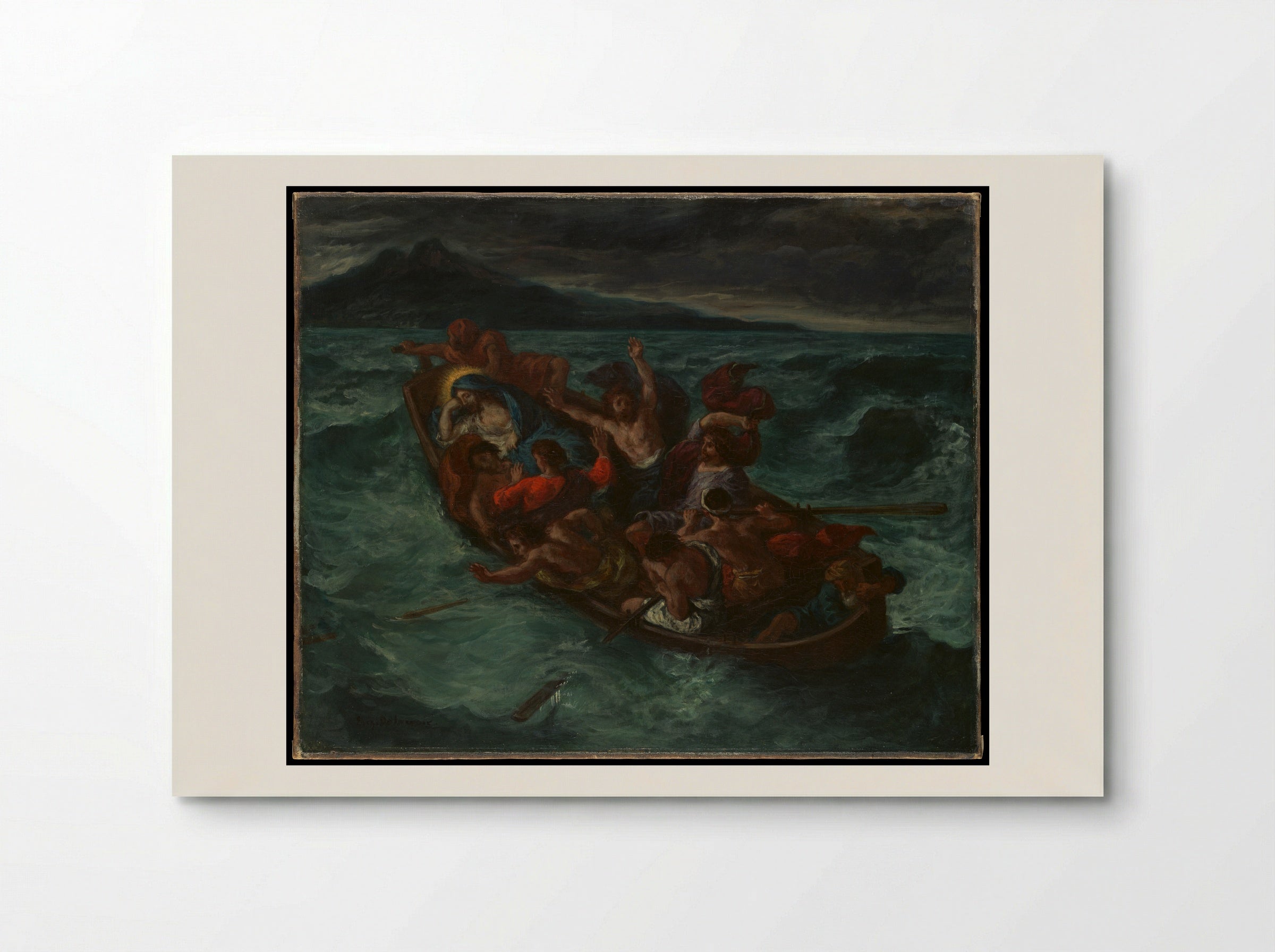
 Christ Asleep during the Tempest - Eugène Delacroix
Framed · Canvas
Regular price From $130.00 NZDSale price From $130.00 NZD Regular price -
 Moroccan Fantasia - Eugène Delacroix
Print
Regular price From $120.00 NZDSale price From $120.00 NZD Regular price -
 Rebecca Kidnapped by the Templar, Sir Brian de Bois-Guilbert - Eugène Delacroix
Print
Regular price From $120.00 NZDSale price From $120.00 NZD Regular price -
 Fanatics of Tangier - Eugène Delacroix
Print
Regular price From $120.00 NZDSale price From $120.00 NZD Regular price -
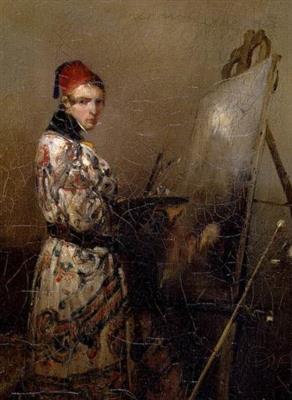
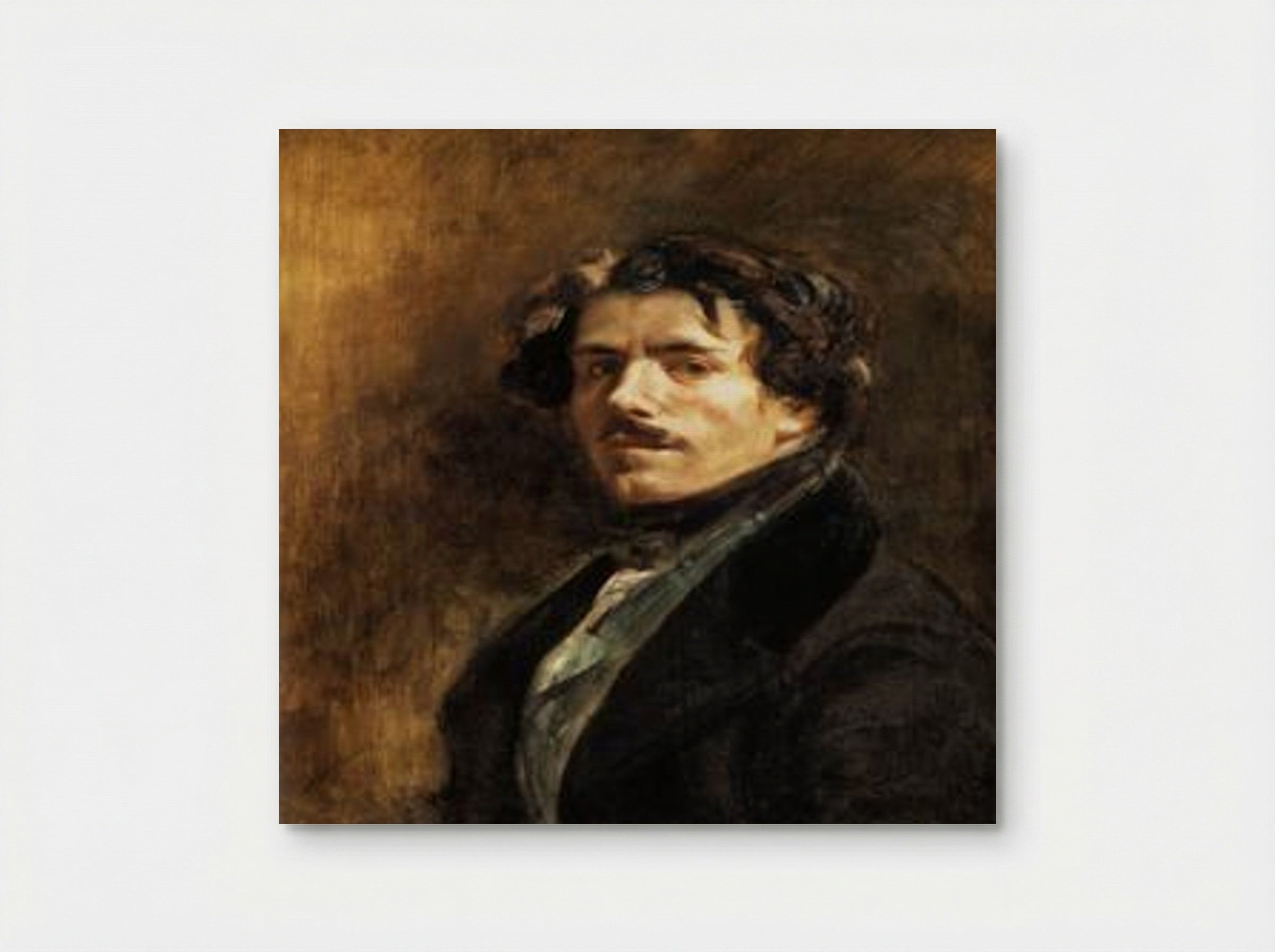 Self Portrait - Eugène Delacroix
Print
Regular price From $120.00 NZDSale price From $120.00 NZD Regular price -
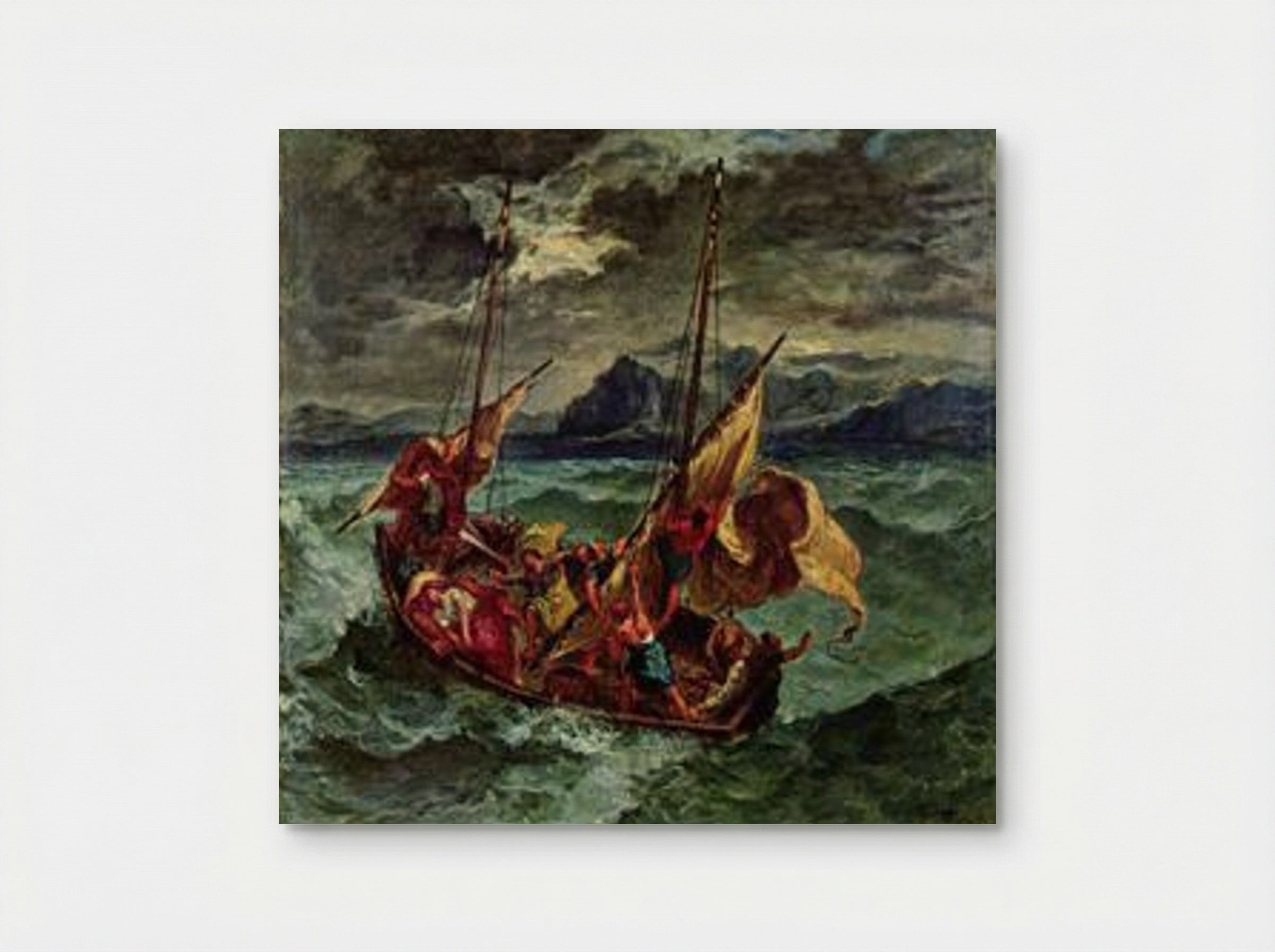 Christ on the Sea of Galilee - Eugène Delacroix
Print
Regular price From $120.00 NZDSale price From $120.00 NZD Regular price -
 Horse Attacked by a Lioness - Eugène Delacroix
Print
Regular price From $120.00 NZDSale price From $120.00 NZD Regular price -
 Marguerite in the Church with the Evil Spirits - Eugène Delacroix
Print
Regular price From $120.00 NZDSale price From $120.00 NZD Regular price -
 Lion devouring an Arab horse - Eugène Delacroix
Print
Regular price From $120.00 NZDSale price From $120.00 NZD Regular price -
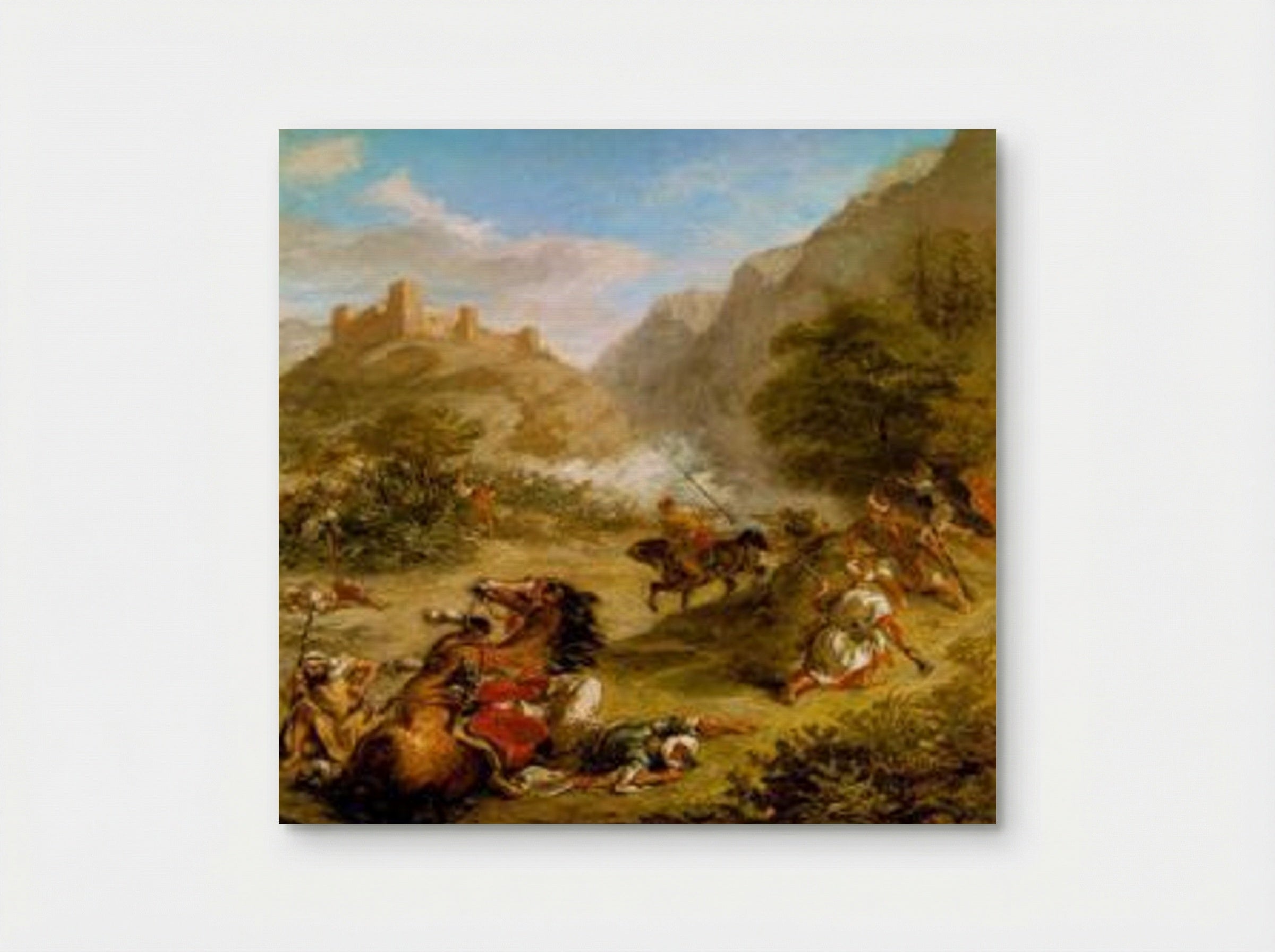 Arabs Skirmishing in the Mountains - Eugène Delacroix
Print
Regular price From $120.00 NZDSale price From $120.00 NZD Regular price -
 Faust and Mephistopheles - Eugène Delacroix
Print
Regular price From $120.00 NZDSale price From $120.00 NZD Regular price


Artist Biography
Eugene Delacroix
Delacroix painted Liberty leading the people over a barricade of corpses and gave Romanticism its defining image. Liberty Leading the People (1830) shows a bare-breasted woman holding the tricolour, striding over the dead, accompanied by a boy with pistols. It commemorates the July Revolution. Delacroix included himself in the painting, wearing a top hat and carrying a rifle. Whether he actually fought on the barricades is unlikely but characteristic.
He was born in Charenton-Saint-Maurice, near Paris. His legal father was a diplomat. His biological father may have been Talleyrand, the foreign minister, which would explain several things about his career including his early access to government commissions. He studied at the Ecole des Beaux-Arts under Pierre-Narcisse Guerin and was influenced by Gericault's The Raft of the Medusa, which showed him that contemporary events could be painted at the scale previously reserved for mythology.
His brushwork was loose and fast by the standards of the Academy. He preferred colour to line, which put him in direct opposition to Ingres, the master of precise contour. The rivalry between Delacroix and Ingres, colour versus drawing, became the central argument of French painting in the mid-nineteenth century. Delacroix won in the long run: the Impressionists claimed him, the Fauves revered him, and Cezanne called him the starting point of modern painting.
He travelled to Morocco in 1832 and came back with notebooks full of colour studies that influenced the rest of his career. The North African light loosened his palette permanently. He died in 1863, at sixty-five, and left a journal that is one of the most intelligent accounts of painting ever written.
He was born in Charenton-Saint-Maurice, near Paris. His legal father was a diplomat. His biological father may have been Talleyrand, the foreign minister, which would explain several things about his career including his early access to government commissions. He studied at the Ecole des Beaux-Arts under Pierre-Narcisse Guerin and was influenced by Gericault's The Raft of the Medusa, which showed him that contemporary events could be painted at the scale previously reserved for mythology.
His brushwork was loose and fast by the standards of the Academy. He preferred colour to line, which put him in direct opposition to Ingres, the master of precise contour. The rivalry between Delacroix and Ingres, colour versus drawing, became the central argument of French painting in the mid-nineteenth century. Delacroix won in the long run: the Impressionists claimed him, the Fauves revered him, and Cezanne called him the starting point of modern painting.
He travelled to Morocco in 1832 and came back with notebooks full of colour studies that influenced the rest of his career. The North African light loosened his palette permanently. He died in 1863, at sixty-five, and left a journal that is one of the most intelligent accounts of painting ever written.


Why Choose Us ?