

Collection
Judith Leyster
Explore curated art prints selected for distinctive homes and considered interiors.
Suggested filters
-

 Tulip (De Groote Brabantson) - Judith Leyster
Framed
Regular price From $220.00 NZDSale price From $220.00 NZD Regular price -

 Girl with a Straw Hat - Judith Leyster
Framed
Regular price From $220.00 NZDSale price From $220.00 NZD Regular price -

 A Boy and a Girl with a Cat and an Eel - Judith Leyster
Framed
Regular price From $220.00 NZDSale price From $220.00 NZD Regular price -

 The Serenade - Judith Leyster
Framed
Regular price From $220.00 NZDSale price From $220.00 NZD Regular price -
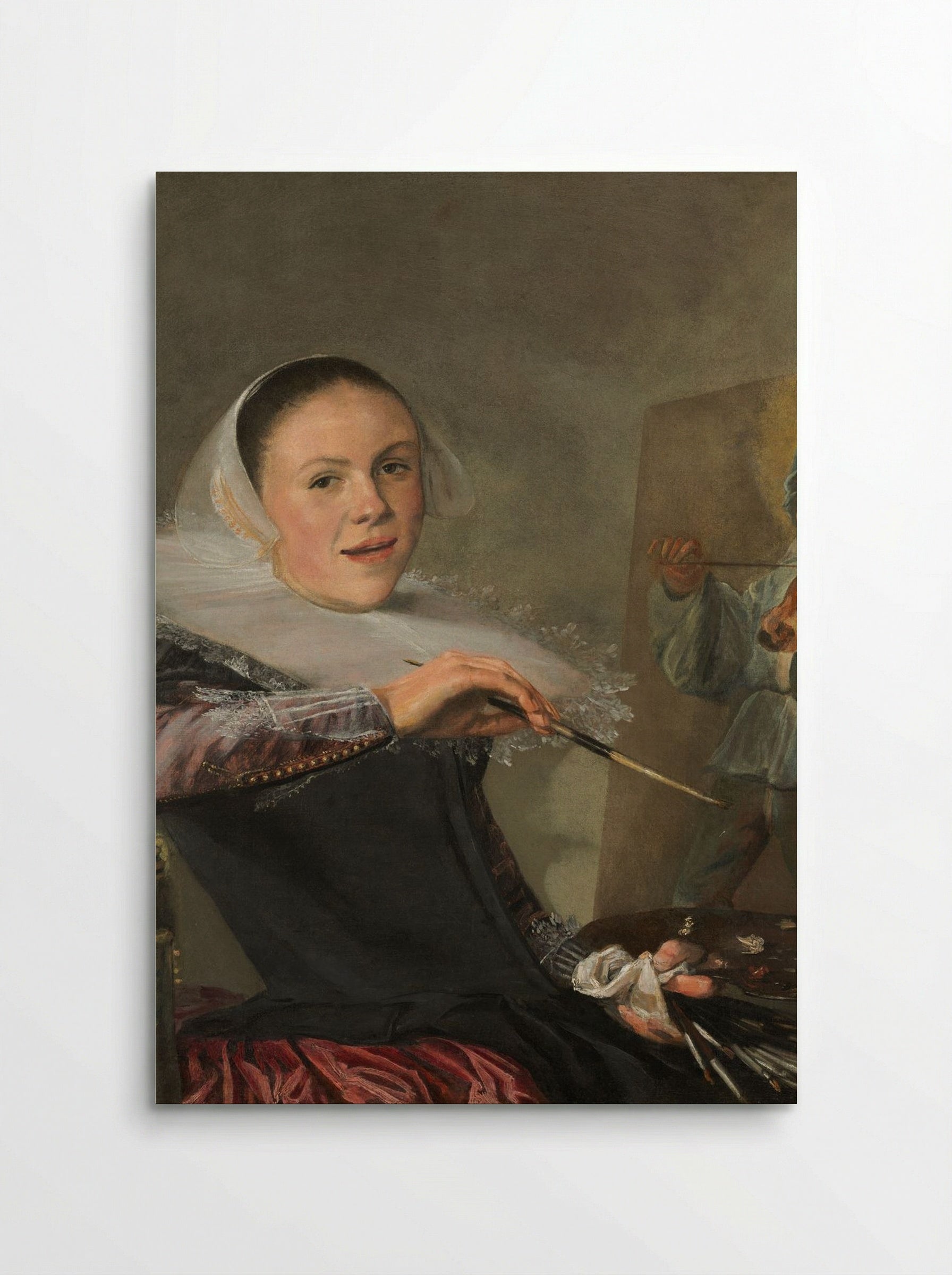
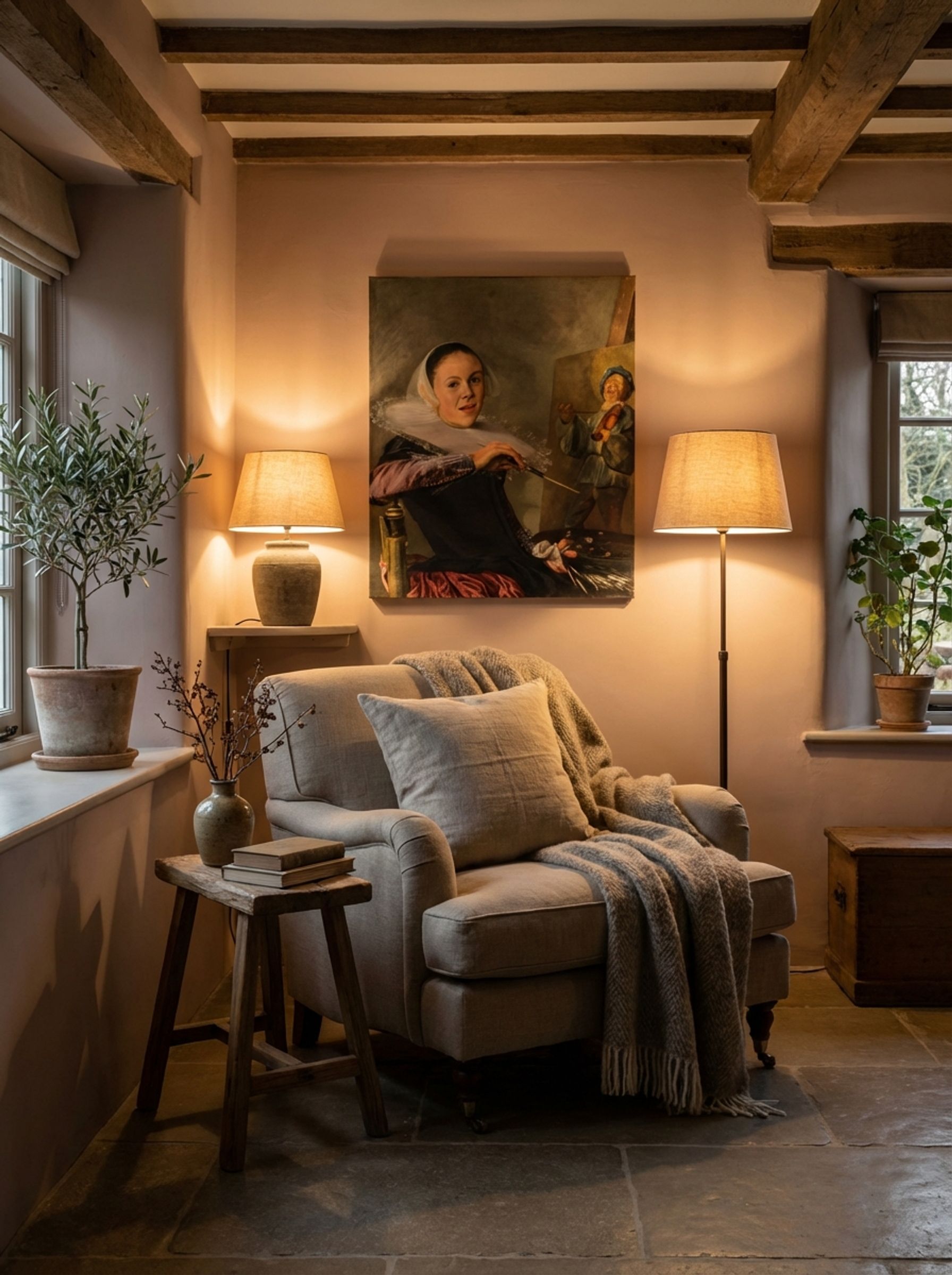 Self-Portrait - Judith Leyster
Framed · Canvas
Regular price From $130.00 NZDSale price From $130.00 NZD Regular price -
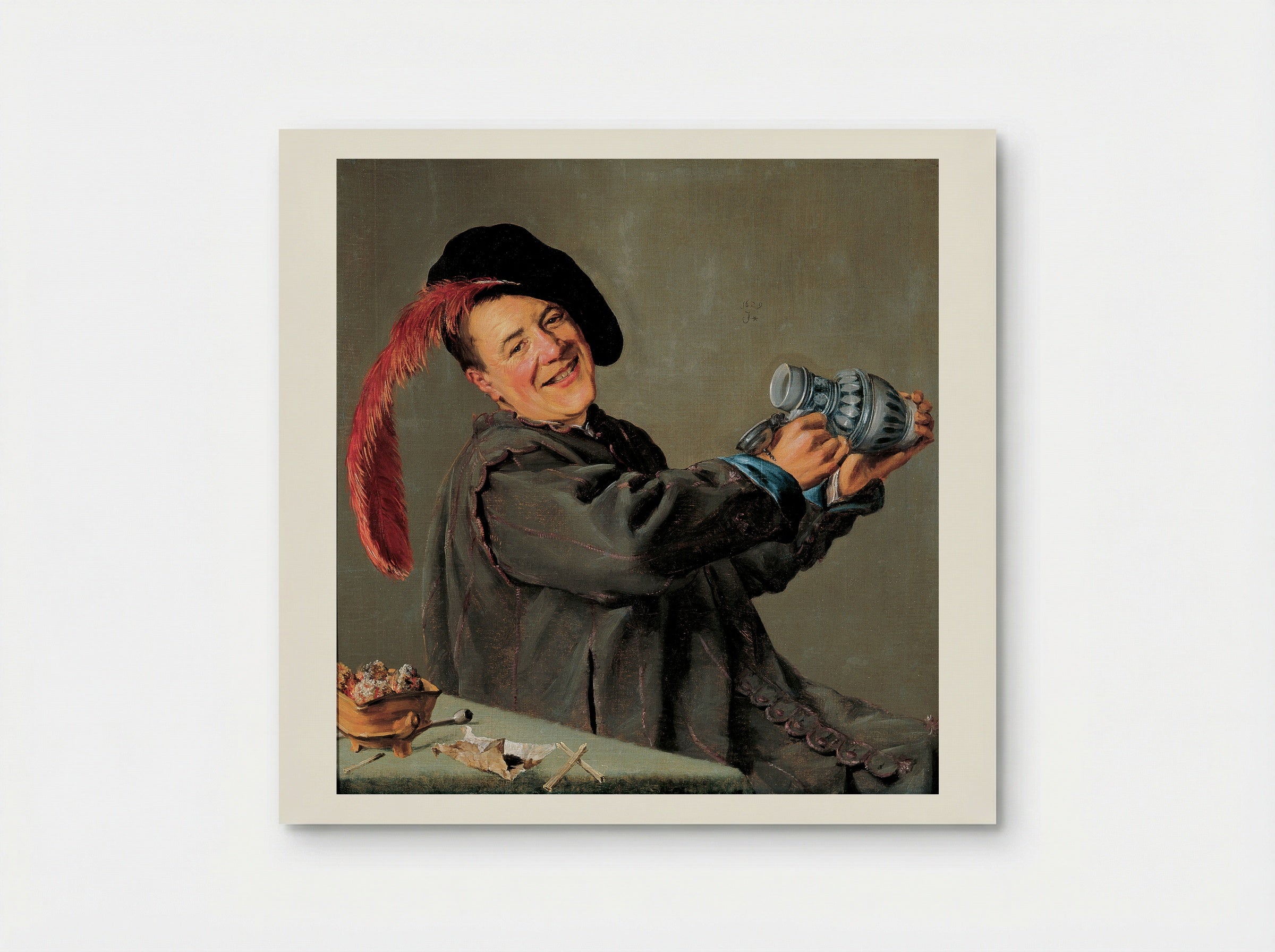
 The Jolly Toper - Judith Leyster
Print · Framed · Canvas
Regular price From $120.00 NZDSale price From $120.00 NZD Regular price -
 Still Life with Fruit, Metal Pitcher, and Glass - Judith Leyster
Print
Regular price From $120.00 NZDSale price From $120.00 NZD Regular price -
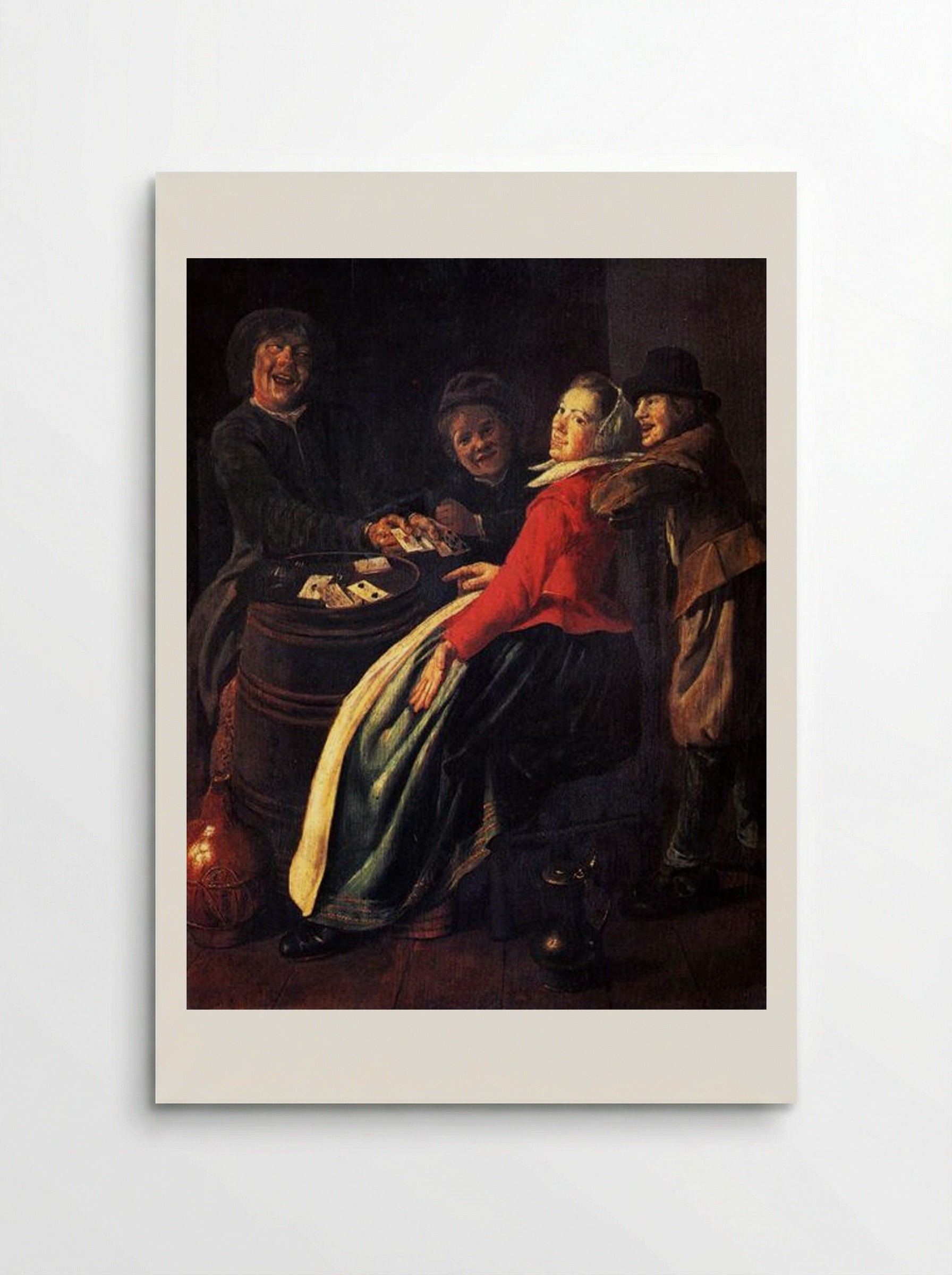
 A Game of Cards - Judith Leyster
Framed
Regular price From $220.00 NZDSale price From $220.00 NZD Regular price -

 Portrait of a Woman - Judith Leyster
Framed
Regular price From $220.00 NZDSale price From $220.00 NZD Regular price -

 A Youth with a Jug - Judith Leyster
Framed
Regular price From $220.00 NZDSale price From $220.00 NZD Regular price -
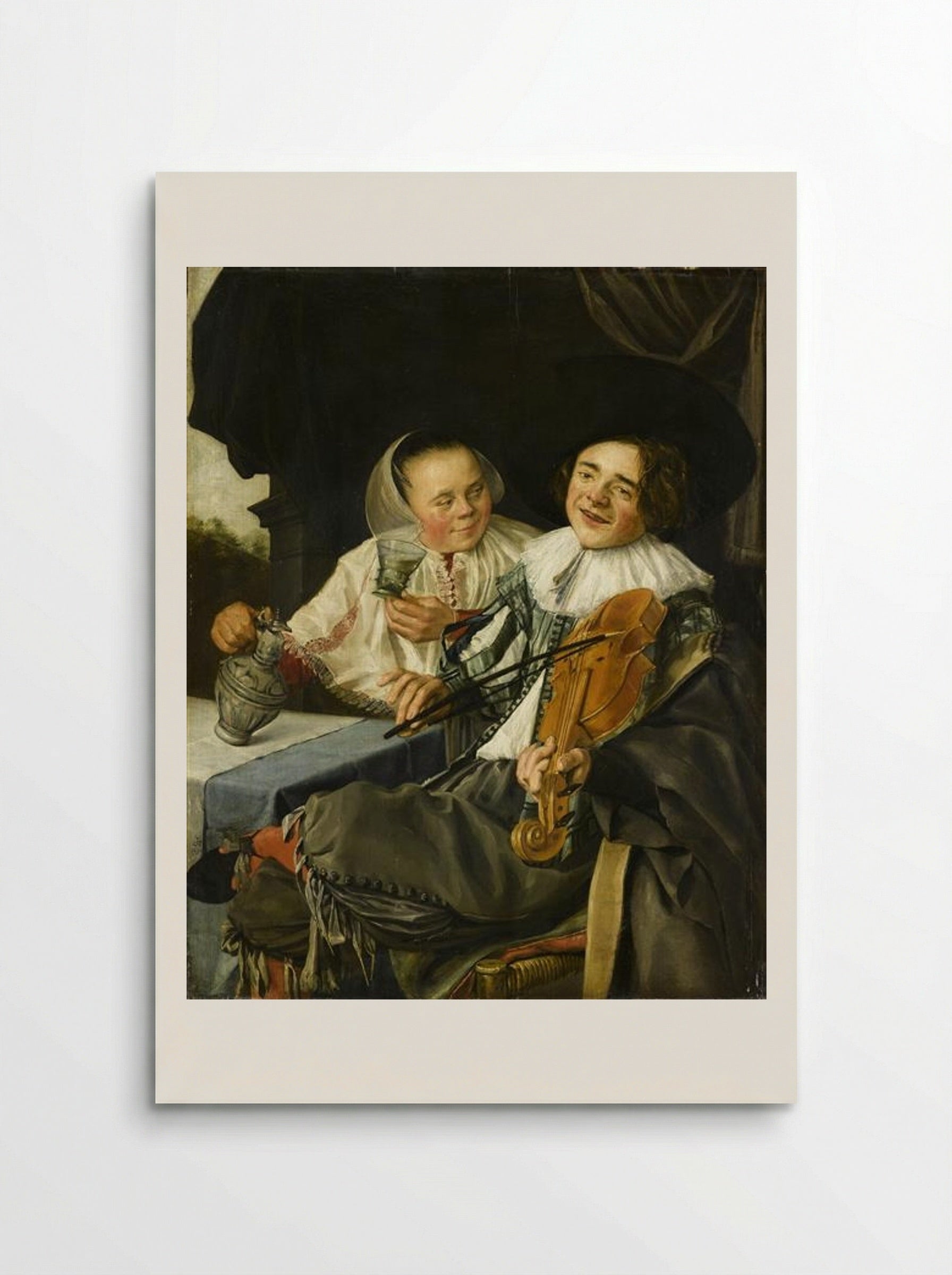
 Merry Company - Judith Leyster
Framed
Regular price From $220.00 NZDSale price From $220.00 NZD Regular price -

 Laughing Children with a Cat - Judith Leyster
Framed
Regular price From $220.00 NZDSale price From $220.00 NZD Regular price -

 Girl with a Lute - Judith Leyster
Print · Framed
Regular price From $120.00 NZDSale price From $120.00 NZD Regular price -

 Flowers in a Vase - Judith Leyster
Framed
Regular price From $220.00 NZDSale price From $220.00 NZD Regular price -

 A Man Offering Money to a Young Woman - Judith Leyster
Framed
Regular price From $220.00 NZDSale price From $220.00 NZD Regular price


Artist Biography
Judith Leyster
Leyster signed her paintings with a monogram: her initials JL with a star. The pun was deliberate. Her father, a brewer and cloth maker, had named the family business Leyster, meaning lodestar, the Dutch word for the North Star. She painted under a navigational metaphor, which turned out to be appropriate: her career was guided by light, then obscured by it.
She was one of the first women admitted to the Haarlem Guild of St Luke, in 1633, at twenty-four. She ran her own workshop and trained students. When one of her apprentices left to join Frans Hals's workshop without Guild permission, she sued Hals. The case was settled: the student's mother paid four guilders in damages. Leyster had asked for eight.
Her best paintings were made in the seven years between 1629 and 1636. The Jolly Toper, Self-Portrait, The Proposition: they are warm, confident, technically assured, painted in a style close to Hals's but with a subtlety of expression that is entirely her own. The Proposition, showing a woman by lamplight being offered money by a man leaning over her shoulder, is one of the most psychologically complex genre paintings of the Dutch Golden Age.
In 1636 she married the painter Jan Miense Molenaer. After the marriage, painting gave way to children and household management. She probably contributed to her husband's workshop, but she stopped signing work in her own name. The solo career lasted seven years.
After her death in 1660 her work was systematically attributed to Hals. The misattribution lasted until 1893, when a painting that had been admired for over a century as a Hals was recognised as hers.
She was one of the first women admitted to the Haarlem Guild of St Luke, in 1633, at twenty-four. She ran her own workshop and trained students. When one of her apprentices left to join Frans Hals's workshop without Guild permission, she sued Hals. The case was settled: the student's mother paid four guilders in damages. Leyster had asked for eight.
Her best paintings were made in the seven years between 1629 and 1636. The Jolly Toper, Self-Portrait, The Proposition: they are warm, confident, technically assured, painted in a style close to Hals's but with a subtlety of expression that is entirely her own. The Proposition, showing a woman by lamplight being offered money by a man leaning over her shoulder, is one of the most psychologically complex genre paintings of the Dutch Golden Age.
In 1636 she married the painter Jan Miense Molenaer. After the marriage, painting gave way to children and household management. She probably contributed to her husband's workshop, but she stopped signing work in her own name. The solo career lasted seven years.
After her death in 1660 her work was systematically attributed to Hals. The misattribution lasted until 1893, when a painting that had been admired for over a century as a Hals was recognised as hers.
Related Artists


Why Choose Us ?