

Collection
Vincent Van Gogh
Explore curated art prints selected for distinctive homes and considered interiors.
Suggested filters
-
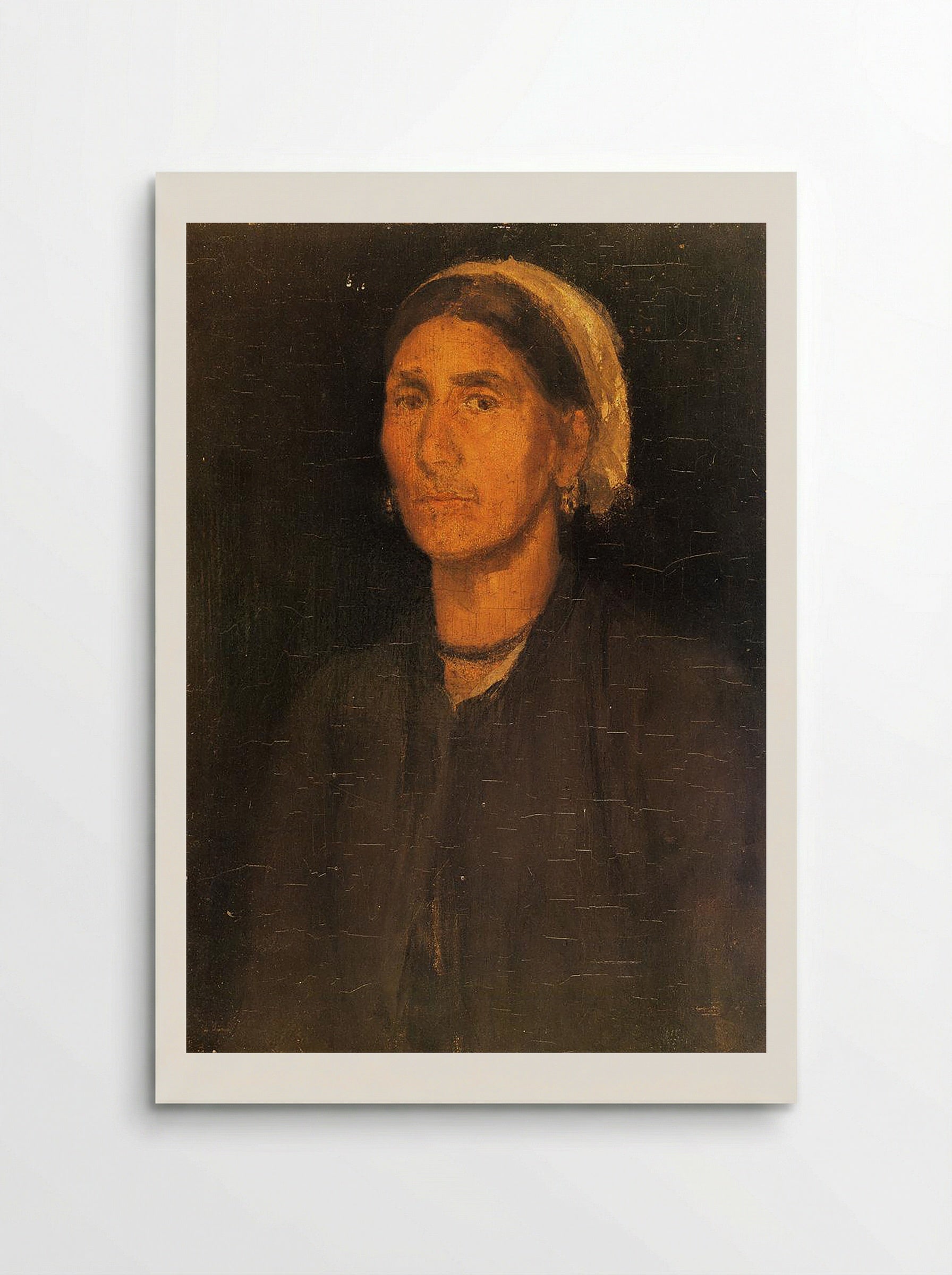
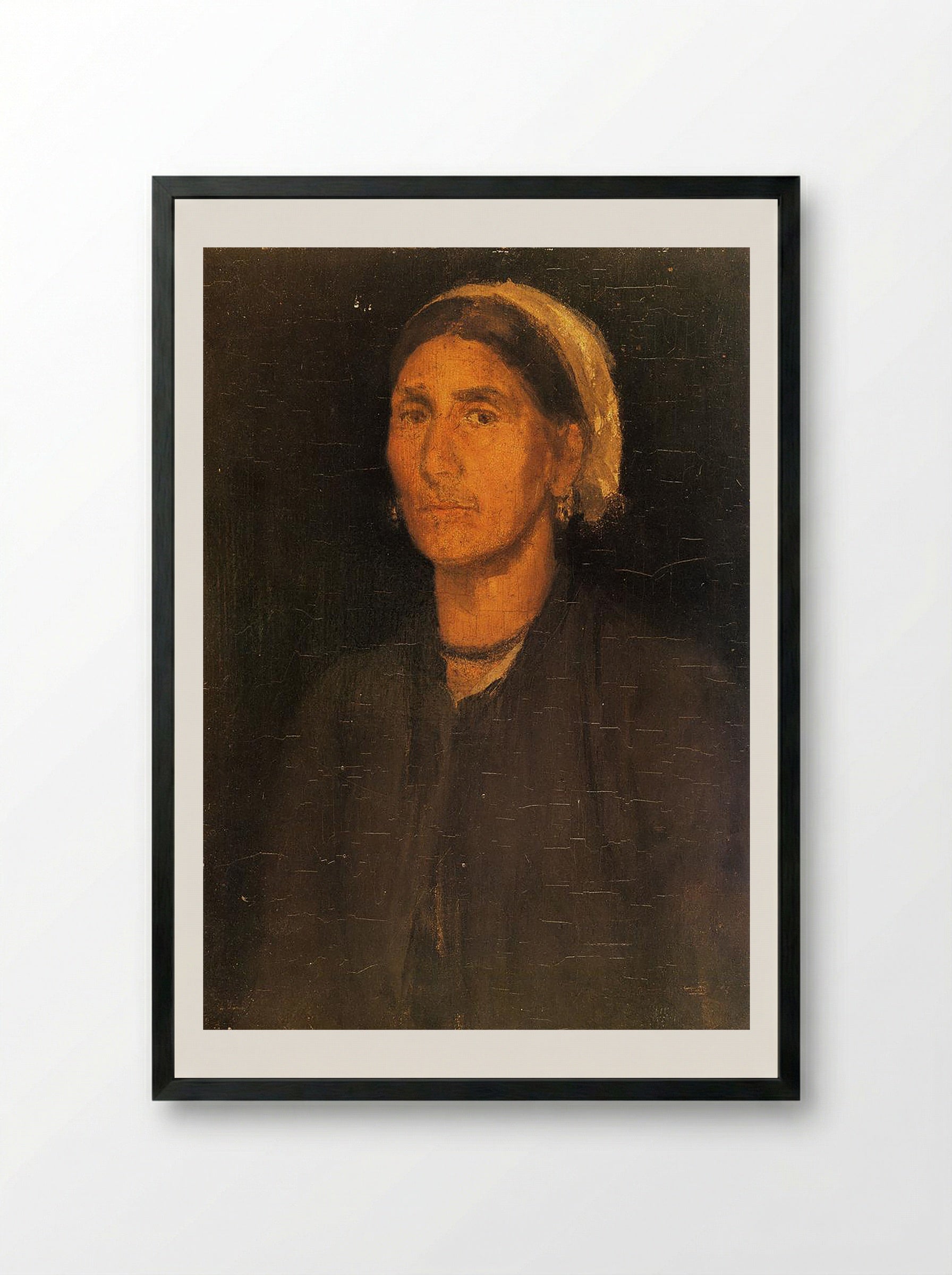 Head of a Peasant Woman with White Cap - Vincent van Gogh
Framed
Regular price From $220.00 NZDSale price From $220.00 NZD Regular price -

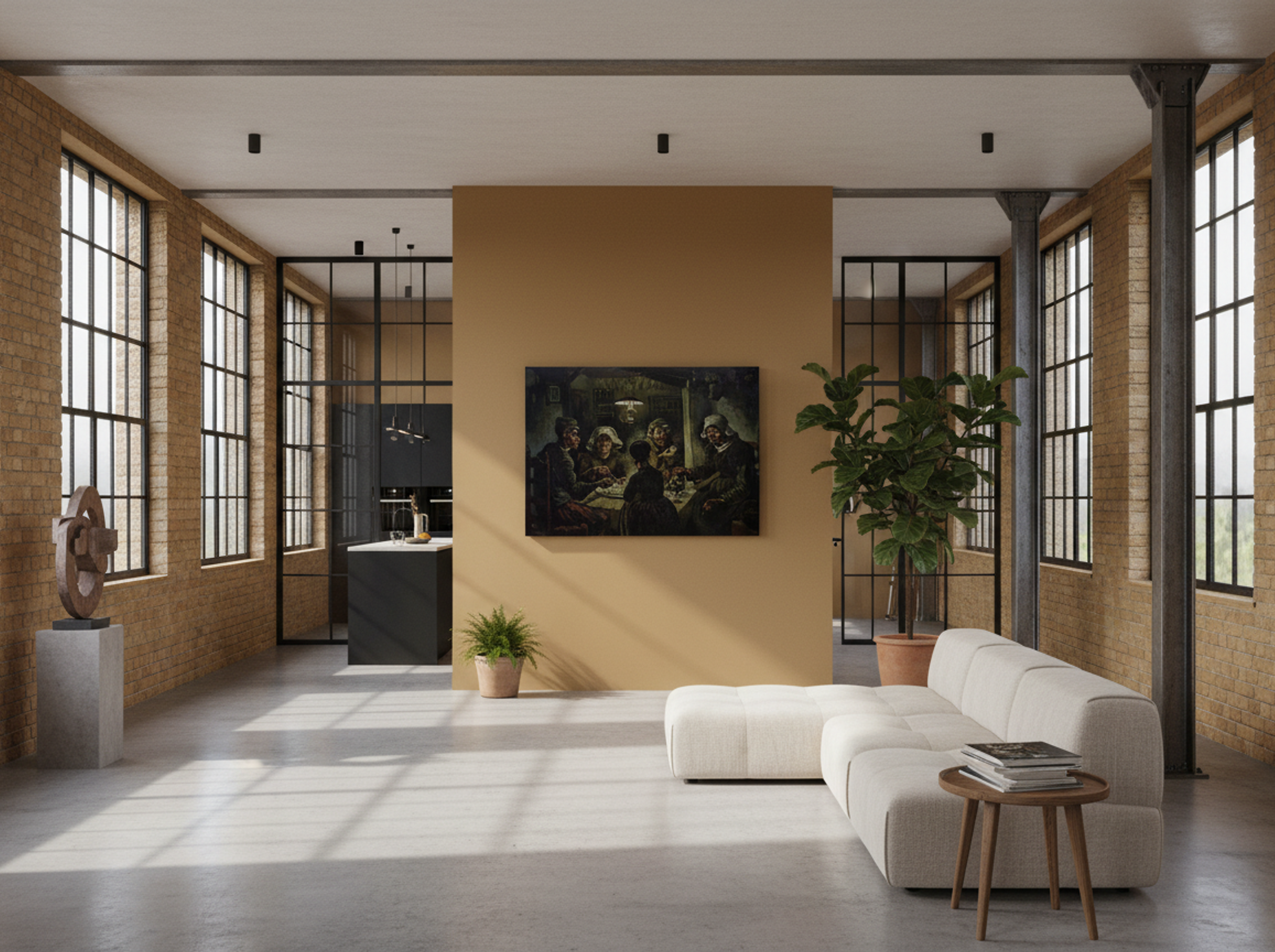 The Potato Eaters - Vincent van Gogh
Framed
Regular price From $220.00 NZDSale price From $220.00 NZD Regular price -

 The Night Café - Vincent van Gogh
Framed
Regular price From $220.00 NZDSale price From $220.00 NZD Regular price -
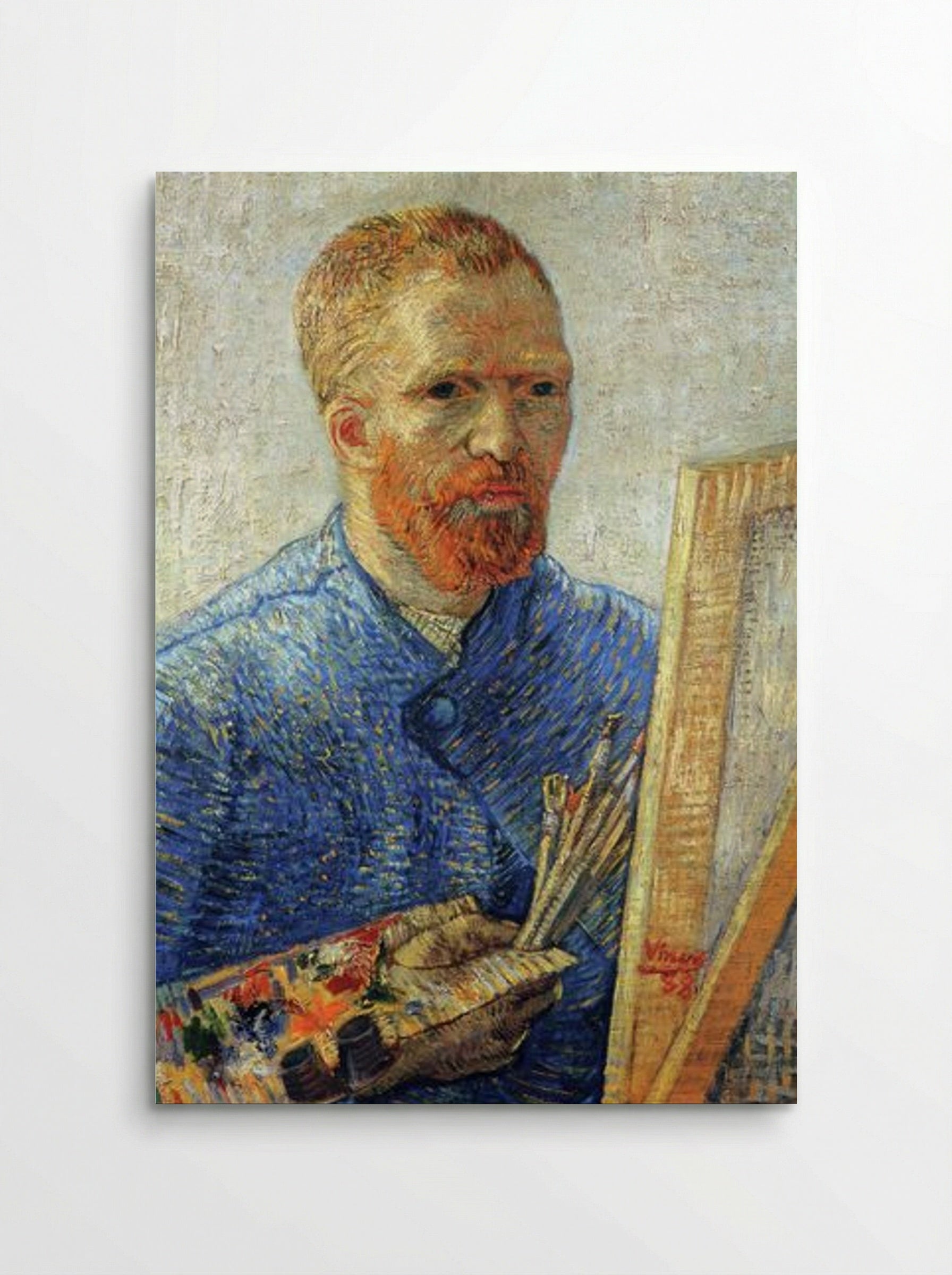
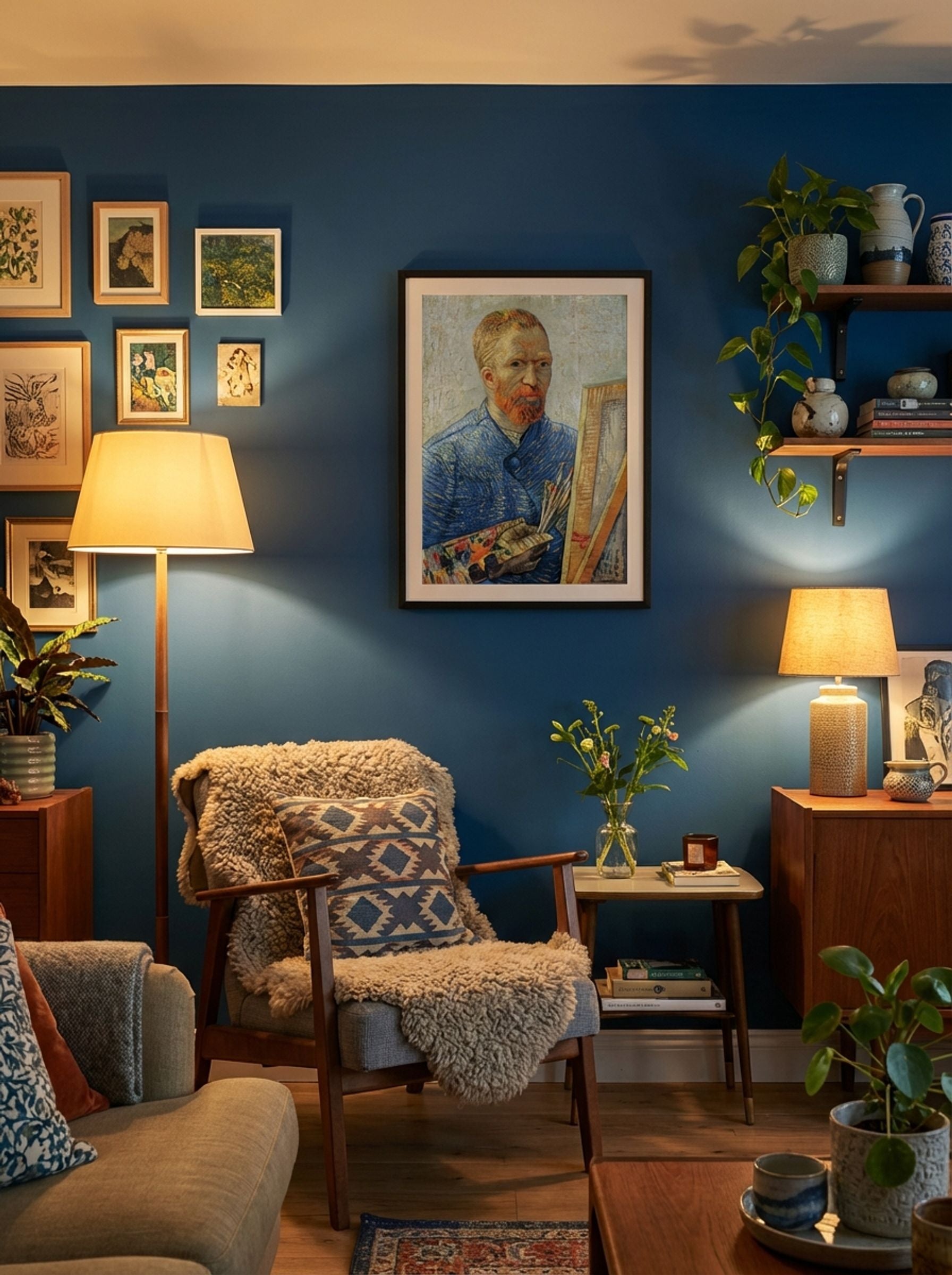 Self-Portrait as an Artist - Vincent van Gogh
Framed
Regular price From $220.00 NZDSale price From $220.00 NZD Regular price -

 The Starry Night - Vincent van Gogh
Framed
Regular price From $220.00 NZDSale price From $220.00 NZD Regular price -

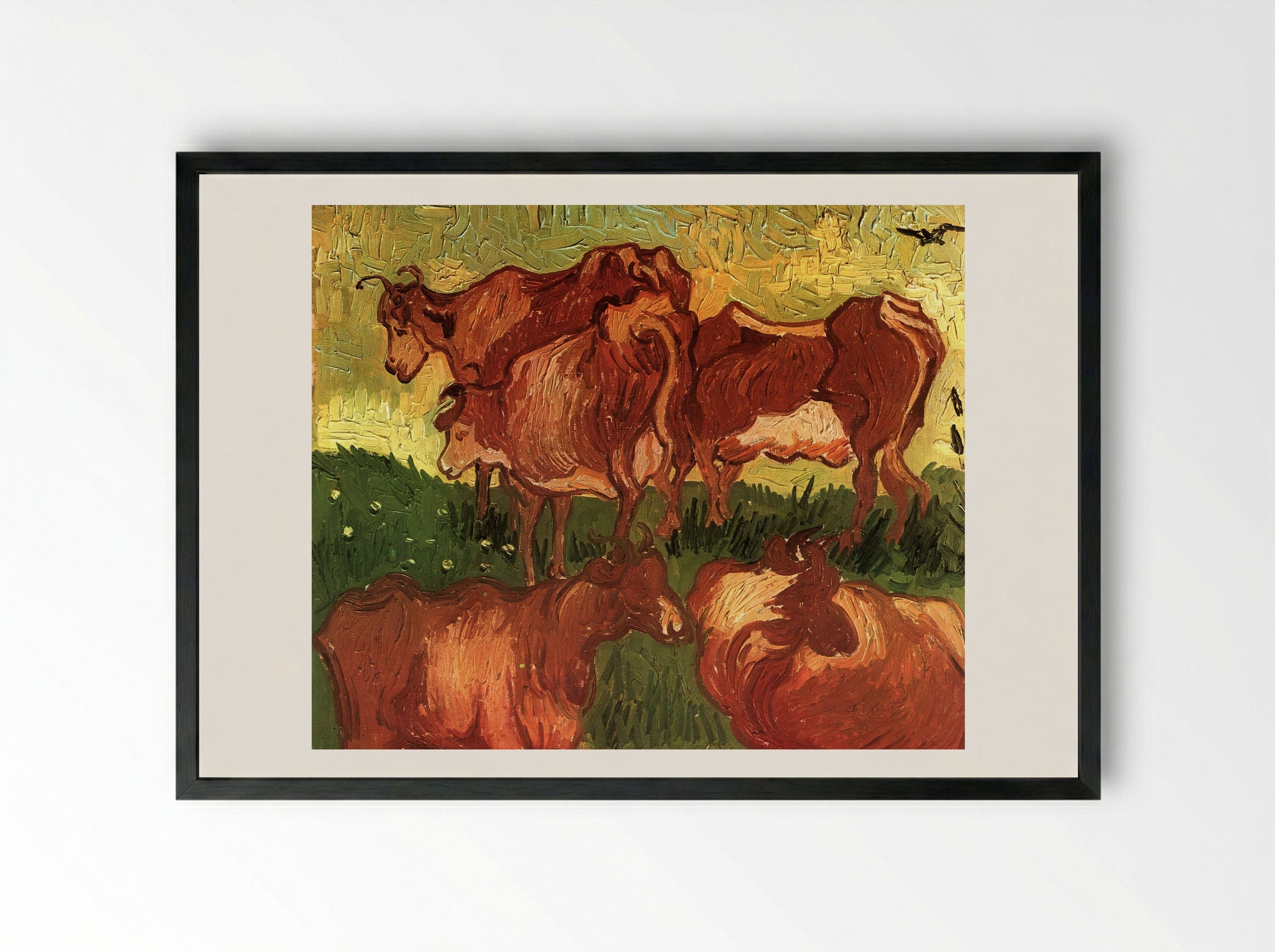 Cows in a Meadow - Vincent van Gogh
Framed
Regular price From $220.00 NZDSale price From $220.00 NZD Regular price


Artist Biography
Vincent Van Gogh
Van Gogh did not start painting until he was twenty-seven. Before that he tried being an art dealer (fired), a schoolteacher (quit), a bookshop assistant (quit), and a preacher in a Belgian mining town (dismissed for excessive zeal, which in this context meant giving away his clothes and sleeping on the floor). He had a pattern of total commitment followed by total collapse.
He taught himself to draw by copying prints and working through textbooks. His brother Theo, an art dealer in Paris, sent money every month for the rest of Vincent's life. Without Theo there are no paintings. The letters between them, over 600, are one of the most complete records of any artist's thinking. Van Gogh wrote about colour theory, composition, what he ate, what he read, how much he spent on paint. He was articulate and well-read and not, despite the popular version, simply mad.
He moved to Paris in 1886 and encountered Impressionism. The palette changed immediately: from the dark browns of his Dutch period to the colours people actually associate with his work. He met Gauguin, Pissarro, Signac, Toulouse-Lautrec. He absorbed Pointillism and Japanese prints. Then he moved to Arles in the south of France, where the light was better and people were fewer.
The Arles period produced Sunflowers, The Bedroom, Starry Night Over the Rhone. The breakdown followed: the argument with Gauguin, the severed ear (he cut part of his left ear, not the whole thing), the asylum at Saint-Remy, and then Auvers-sur-Oise, where he painted seventy canvases in seventy days before dying from a gunshot wound at thirty-seven. He sold one painting during his lifetime, or possibly two. Theo died six months later.
He taught himself to draw by copying prints and working through textbooks. His brother Theo, an art dealer in Paris, sent money every month for the rest of Vincent's life. Without Theo there are no paintings. The letters between them, over 600, are one of the most complete records of any artist's thinking. Van Gogh wrote about colour theory, composition, what he ate, what he read, how much he spent on paint. He was articulate and well-read and not, despite the popular version, simply mad.
He moved to Paris in 1886 and encountered Impressionism. The palette changed immediately: from the dark browns of his Dutch period to the colours people actually associate with his work. He met Gauguin, Pissarro, Signac, Toulouse-Lautrec. He absorbed Pointillism and Japanese prints. Then he moved to Arles in the south of France, where the light was better and people were fewer.
The Arles period produced Sunflowers, The Bedroom, Starry Night Over the Rhone. The breakdown followed: the argument with Gauguin, the severed ear (he cut part of his left ear, not the whole thing), the asylum at Saint-Remy, and then Auvers-sur-Oise, where he painted seventy canvases in seventy days before dying from a gunshot wound at thirty-seven. He sold one painting during his lifetime, or possibly two. Theo died six months later.




Why Choose Us ?