

Henri Wouters
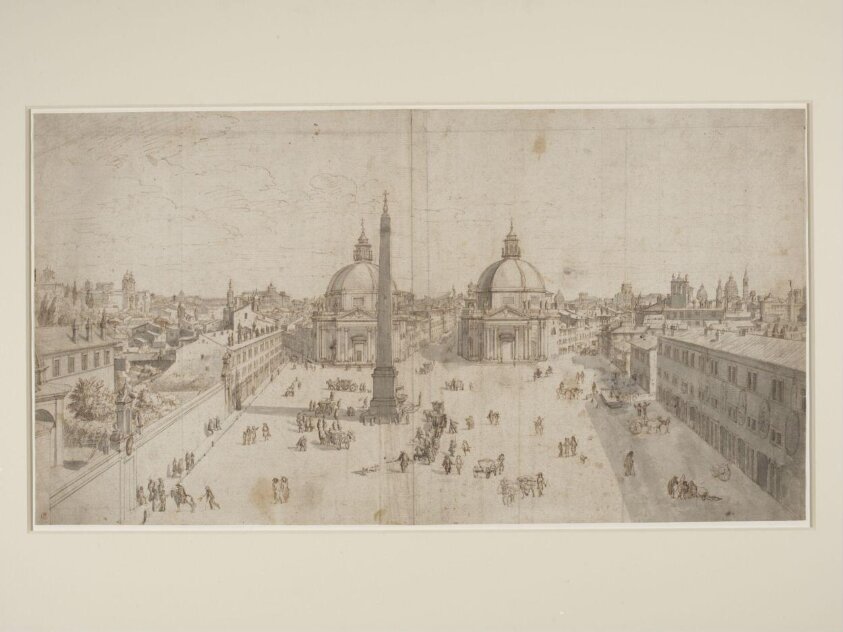
Henri Wouters maintained a curious professional divide throughout his career. While he is recognised for his depictions of rural life, he spent significant time documenting the urban architecture of Amsterdam. His precise sketches of the Westertoren demonstrate a technical rigour that contrasts with the softer, more atmospheric quality of his interior scenes.
Biography
His artistic approach prioritises the quiet observation of domestic routines. In works such as 'Boereninterieur met een vrouw achter een spinnewiel', Wouters focuses on the play of light across simple wooden furniture and the posture of his subjects. He avoids romanticised portrayals, opting instead for a factual record of daily labour and communal meals. His palette remains muted, relying on earthy tones to define the spatial depth of these cramped agricultural dwellings.
Modern collectors value Wouters for this unvarnished honesty. His prints provide a clear window into early twentieth-century Dutch life without the artifice found in more decorative movements. These images offer a sense of order and stillness, making them suitable for spaces where a calm, historical aesthetic is desired.
Notable Works
Tap to view larger.
Next stop
Browse the movements →
Every movement in the collection, from the Renaissance to Pop art.
Henri Wouters prints
Hand-finished archival prints from Henri Wouters's body of work.

Related Artists


.jpg)


Take Henri Wouters home.
See all Henri Wouters prints →Frequently Asked Questions
When was Henri Wouters born?
Henri Wouters was born in 1866 and died in 1935.What is Henri Wouters known for?
Henri Wouters is known for henri Wouters captures the quiet reality of early twentieth-century Dutch life through his disciplined portrayals of urban architecture and traditional rural interiors.