

Israel Silvestre
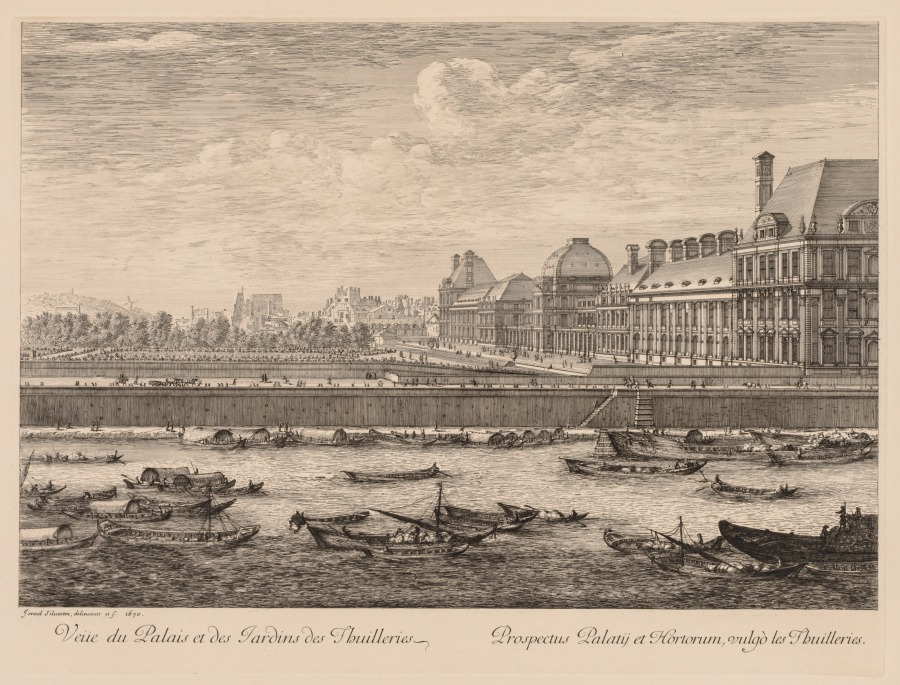
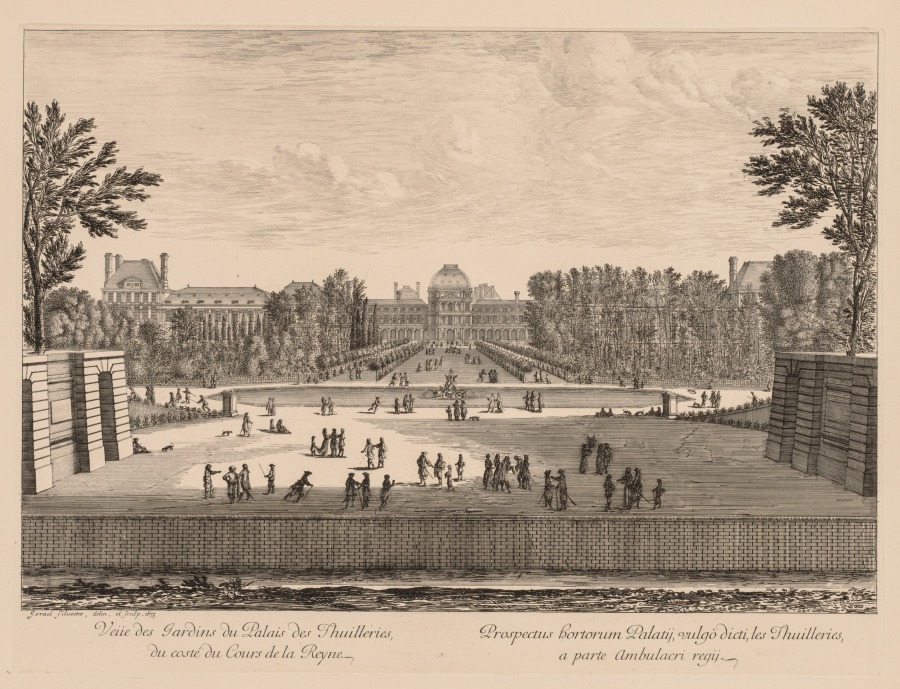
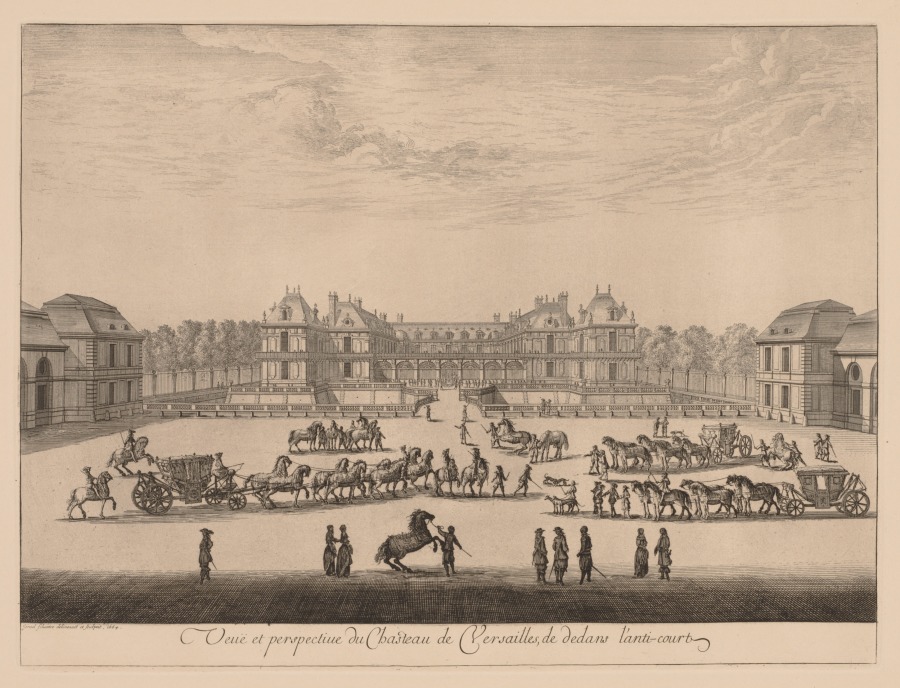
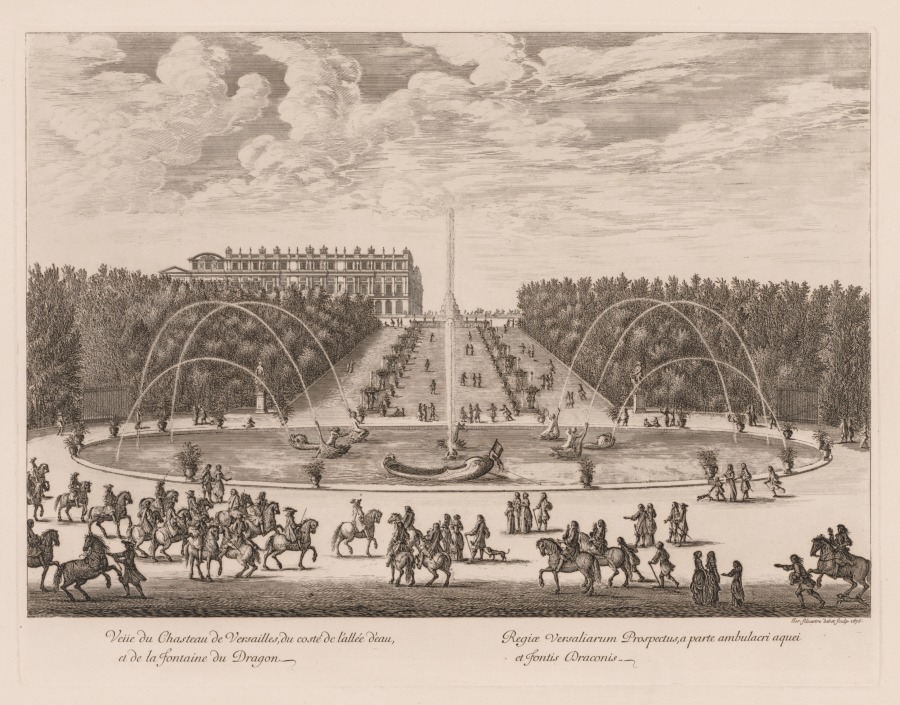
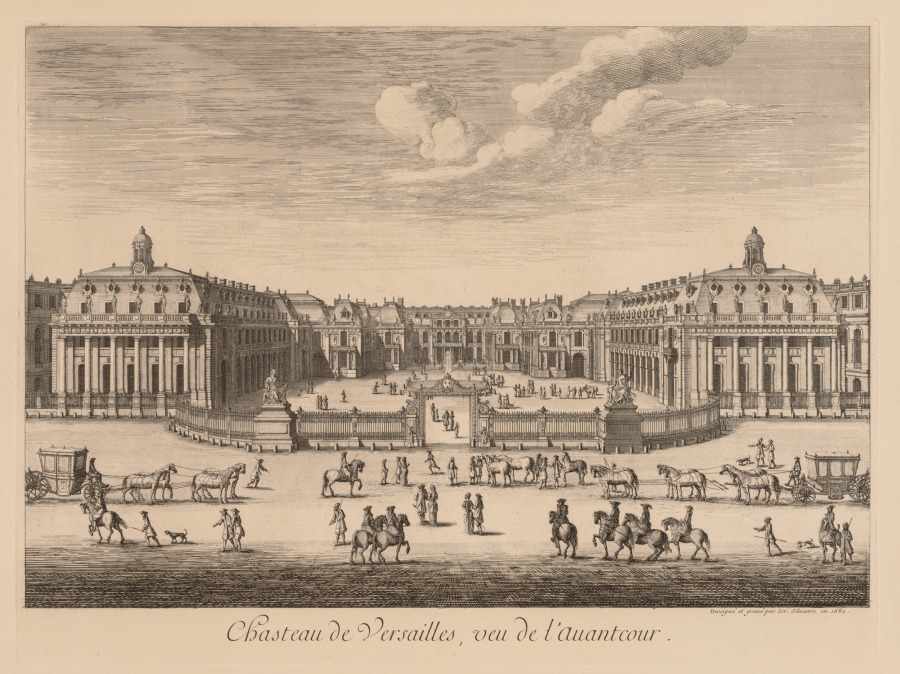
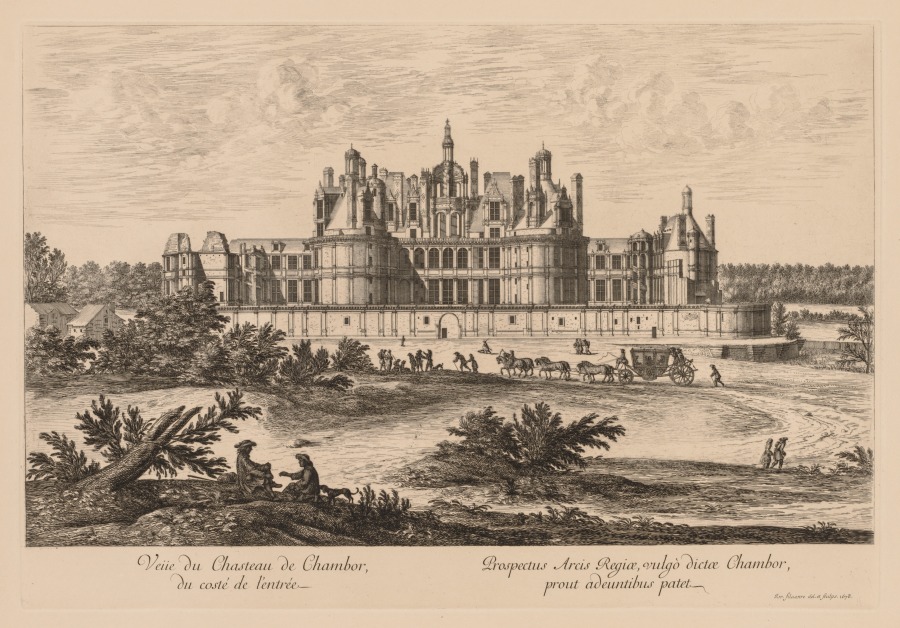
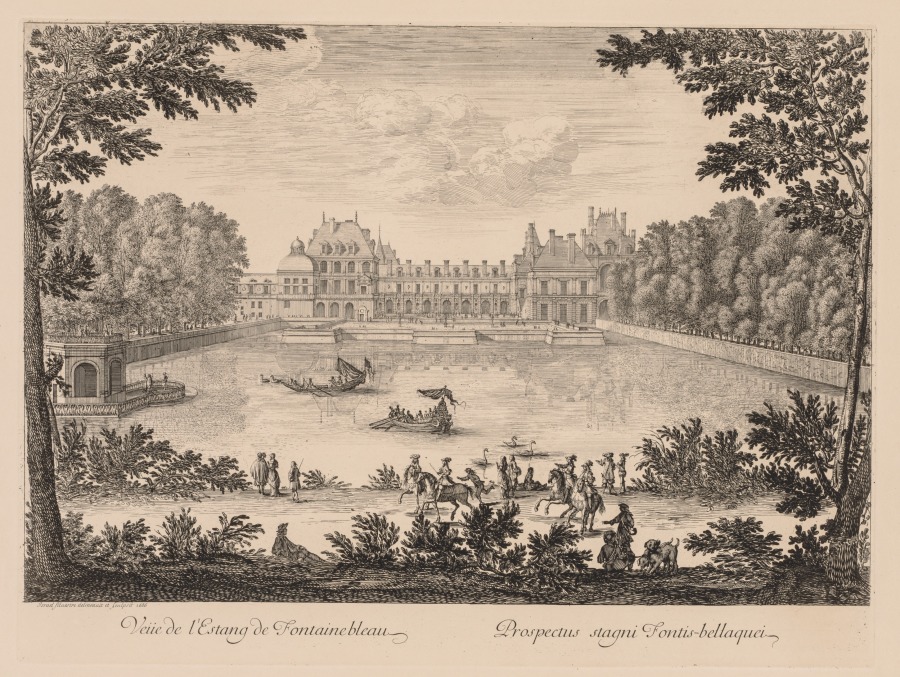
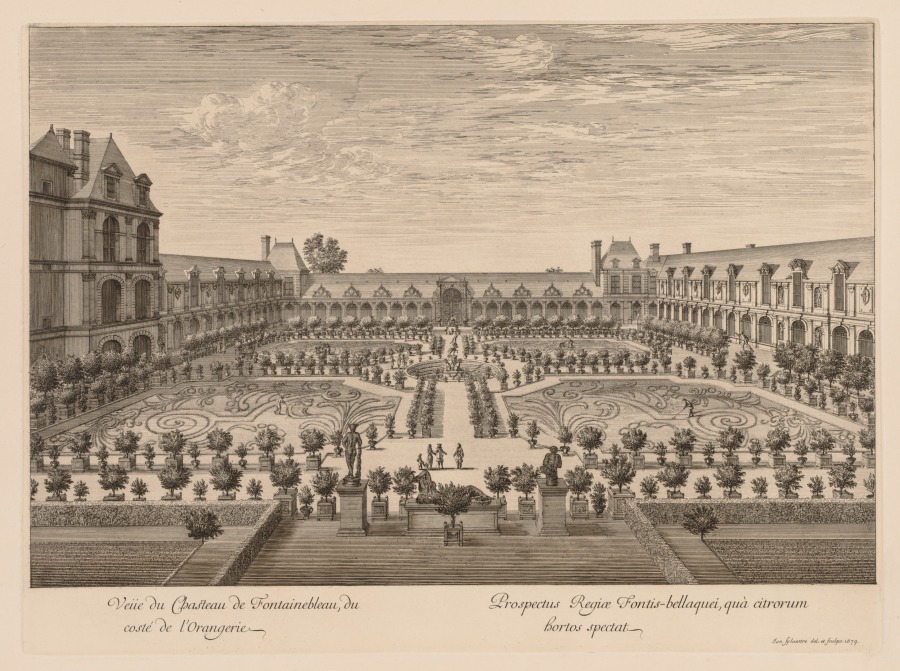
Israël Silvestre was a French artist who lived from 1621 to 1691. His work included the View of the Luxembourg Palace from the Grand Parterre, the Fountain at the Villa Aldobrandini at Frascati, and the Palazzo della Vigna di Montalto.

Biography
He also produced the Fontana de Dragoni a Tivoli, the General Plan of the Palace of the Tuileries, and the Grotto of the Garden of Monte Dragone. Other works included the Frontispiece: Various Views of Rome and Its Surroundings, the Frontispiece for Les Églises des Stations de Rome, the View of the Great Fountain at the Villa d'Este, and S. Croce in Gerusalemme.
Notable Works
Tap to view larger.
Next stop
Browse the movements →
Every movement in the collection, from the Renaissance to Pop art.
Israel Silvestre prints
Hand-finished archival prints from Israel Silvestre's body of work.
 Veuë de l'Arc de Constantin, et du Colisée a Rome - Israël Silvestre
From £37.00
Veuë de l'Arc de Constantin, et du Colisée a Rome - Israël Silvestre
From £37.00
 S. Pietro - Israël Silvestre
From £28.00
S. Pietro - Israël Silvestre
From £28.00
 Profil de la Ville de S. Denis - Israël Silvestre
From £28.00
Profil de la Ville de S. Denis - Israël Silvestre
From £28.00
 S. Maria Maggiore - Israël Silvestre
From £28.00
S. Maria Maggiore - Israël Silvestre
From £28.00
 The Church of St. Paul of the Three Fountains - Israël Silvestre
From £28.00
The Church of St. Paul of the Three Fountains - Israël Silvestre
From £28.00
 S. Croce in Gerusalemme - Israël Silvestre
From £28.00
S. Croce in Gerusalemme - Israël Silvestre
From £28.00
Related Artists


Take Israel Silvestre home.
See all Israel Silvestre prints →Frequently Asked Questions
When was Israel Silvestre born?
Israel Silvestre was born in 1621 and died in 1691.What is Israel Silvestre known for?
Israel Silvestre is known for israël Silvestre was a French artist who lived from 1621 to 1691.