



The 17th century saw the rise of the Baroque style, characterised by drama, grandeur, and elaborate ornamentation. This period also witnessed the Dutch Golden Age, a time of exceptional artistic production in the Netherlands. Realism gained prominence, with artists focusing on detailed depictions of everyday life, portraits, and landscapes. The century saw significant developments in technique and subject matter, influencing artistic movements for centuries to come.
Key Movements
Art movements active during the 17th century.
Key Ideas
-
The Baroque Style
Baroque art is known for its dramatic use of light and shadow, emotional intensity, and ornate details. It aimed to evoke a sense of awe and wonder in the viewer, often employed in religious and palatial settings.
-
Dutch Realism
In contrast to the Baroque's grandeur, Dutch Realism focused on the everyday lives of ordinary people. Artists depicted scenes of daily life, portraits, and landscapes with meticulous detail and accuracy.
-
Still Life Painting
Still life emerged as a popular genre, particularly in Dutch art. These paintings often featured arrangements of objects, such as flowers, food, and household items, rendered with remarkable realism.
-
The Catholic Reformation
The Catholic Reformation influenced Baroque art, with many works commissioned to promote Catholic teachings and inspire religious fervour. These artworks often featured dramatic scenes and emotional portrayals of saints and biblical figures.
Key Artists


All 17th Century Artists
352 artists.

Abraham Begeyn

Abraham Bosse

Abraham Hondius

Abraham Lambertsz van den Tempel
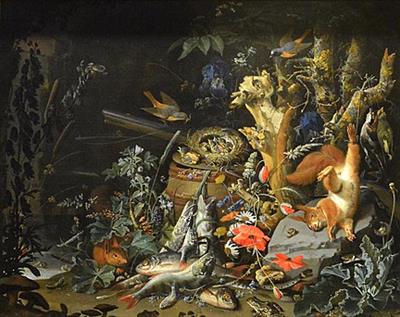
Abraham Mignon

Abraham Rademaker
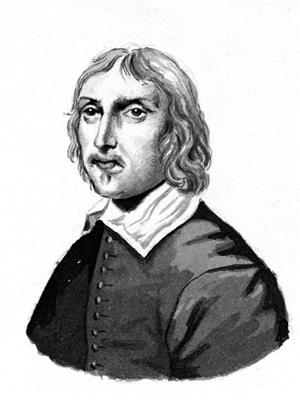
Abraham Storck
.jpg?width=800)
Abraham van Beijeren
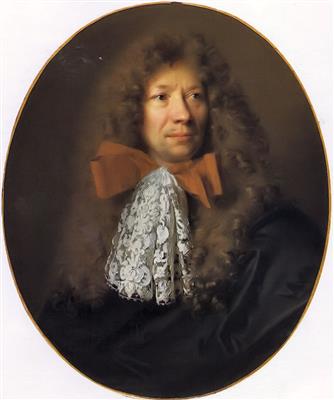
Adam van der Meulen

Adriaen Brouwer
Adriaen van de Velde

Adriaen van der Werff

Adriaen Van Ostade

Aelbert Cuyp

Aert van der Neer

Aert van Waes

Agostino Mitelli

Albert Flamen
.jpg?width=800)
Alessandro Magnasco
.jpg?width=800)
Alexander Browne

Alexander Voet the Elder

Alexandre-François Desportes

Alexey Zubov
%20Alida%20Withoos%20(1662-1730).jpg?width=800)
Alida Withoos

Allaert van Everdingen
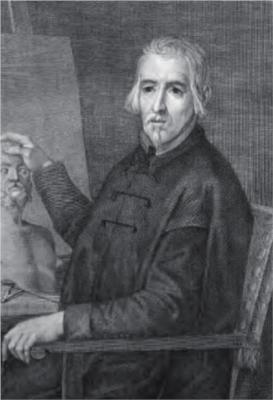
Alonzo Cano
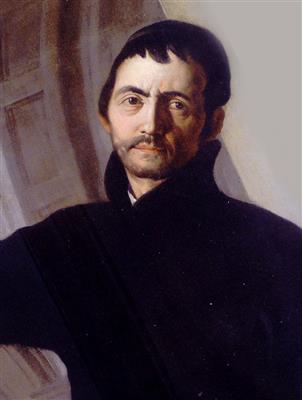
Andrea Pozzo

Andries Both

Anne Claude Philippe, Comte de Caylus

Anthonie Palamedesz.
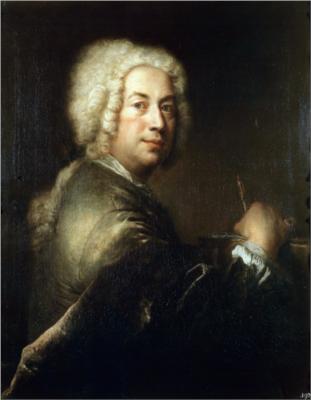
Antoine Pesne
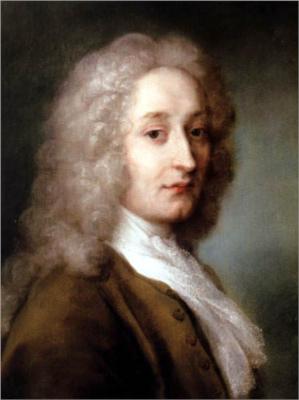
Antoine Watteau
Antonie Waterloo
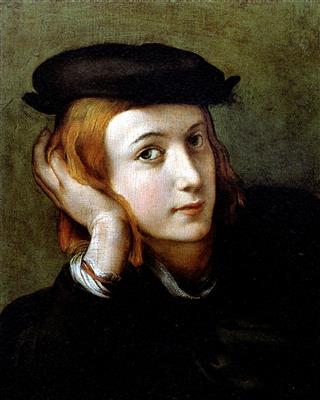
Antonio Corradini

Antonio Maria Zanetti

Arent de Gelder

Arnold Boonen

Arnold Houbraken

Ary de Vois
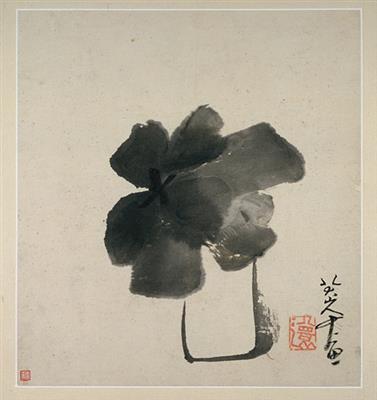
Bada Shanren

Balthasar Denner

Balthasar van den Bossche

Barend Graat
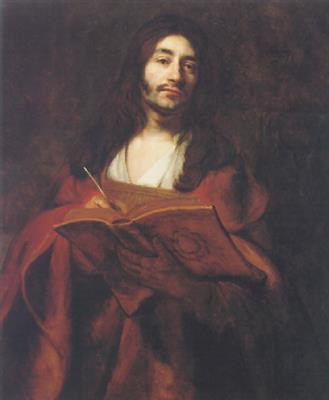
Barent Fabritius

Bartholomeus van der Helst
%20-%20Portrait%20of%20a%20Painter%20-%20658%20-%20Fitzwilliam%20Museum.jpg?width=800)
Bartholomew Dandridge

Bartolome Esteban Murillo
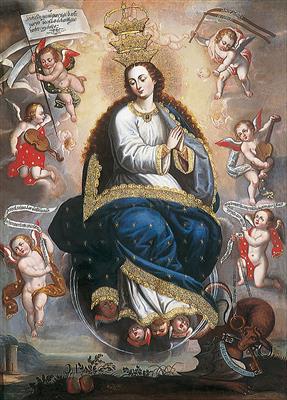
Basilio Santa Cruz Pumacallao

Benedetto Luti

Bernard Picart

Bernard Turreau

Bernard Vaillant
.png?width=800)
Bichitr

Bishandas

Canaletto

Carel Borchaert Voet
Carel Fabritius

Carlo Cignani

Carlo Dolci

Caspar Merian

Caspar Netscher

Cesare Gennari

Charles Boit
Charles Le Brun

Charles-Antoine Coypel

Christian Friedrich Zincke

Christoph Weigel the Elder
%20cropped.jpg?width=800)
Claude Gillot

Claude Lorrain

Claude-Guy Hallé

Claudine Bouzonnet-Stella
Claudio Coello

Constantijn à Renesse

Cornelis Bloemaert

Cornelis Brouwer

Cornelis Coning

Cornelis de Bie

Cornelis de Man

Cornelis Dusart

Cornelis Holsteyn
Showing the first 80 of 352 artists, alphabetically.
Browse by Era
Frequently Asked Questions
Why is the 17th century a turning point in art history?
The 17th century marks a turning point due to the rise of the Baroque style, which broke from Renaissance classicism with its emphasis on drama and emotion. Simultaneously, the Dutch Golden Age saw the development of realism and genre painting, shifting the focus to everyday life and detailed observation.Which artists define 17th-century art?
Several artists define this period, including Rembrandt van Rijn, known for his dramatic portraits and biblical scenes, and Johannes Vermeer, celebrated for his intimate genre paintings. You can view works by both artists at the National Gallery in London.What's a lesser-known 17th-century artist worth discovering?
Judith Leyster was a Dutch Golden Age painter who excelled in genre scenes and portraits. Her painting 'Self-Portrait' showcases her skill and confidence as an artist, challenging the male-dominated art world of the time.How did the 17th century end?
The 17th century concluded with the Baroque style still dominant, but with the seeds of the Rococo movement beginning to sprout, particularly in France. The Ancien Régime, spanning from 1620 to 1775, saw French art flourish, setting the stage for new artistic directions in the following century.
Love what you see? Take it home.
See all art prints →