



Nicolas Beatrizet
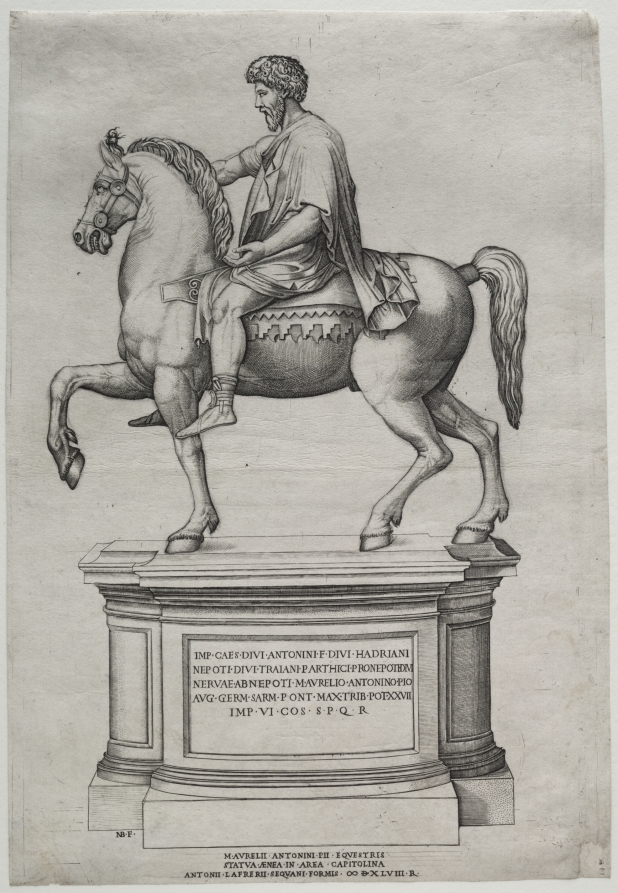
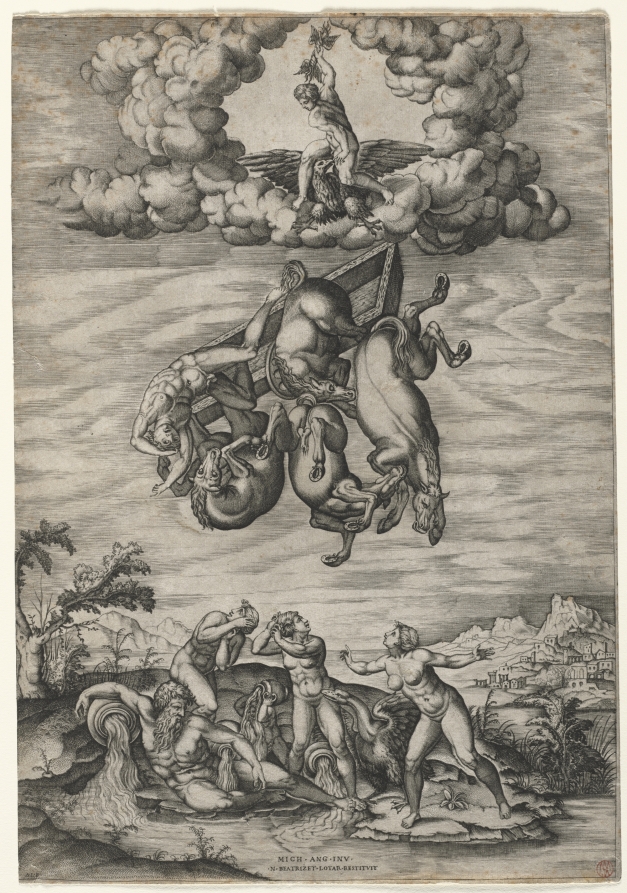
Nicolas Beatrizet arrived in Rome from Lorraine around 1540 and became a primary translator of Michelangelo's monumental visions into print. While many engravers of the period focused on religious scenes, Beatrizet gained notice for his technical precision in depicting Roman antiquities. He contributed several plates to the Speculum Romanae Magnificentiae, a collection of prints that allowed sixteenth-century Europeans to see the ruins of Rome without travelling.
Biography
His style is defined by a clear, formal line and a preference for strong contrast. Beatrizet often used a systematic hatching technique to build volume, which gave his figures a sculptural quality. This approach was effective when he reproduced Michelangelo's work, such as the Last Judgment or the statue of Moses. He avoided the soft textures common in Northern European prints, instead adopting the hard, precise aesthetic of the Roman school.
Modern collectors value Beatrizet for the architectural clarity and historical accuracy of his work. His engravings of the Pantheon and various Roman fountains document the Renaissance perception of the classical past. These prints function as both art and historical documentation. The monochrome palette and structured compositions suit contemporary interiors that favour clean lines and classical motifs.
Notable Works
Tap to view larger.
Frequently Asked Questions
What is Nicolas Beatrizet known for?
Nicolas Beatrizet is known for nicolas Beatrizet was a French engraver in Rome who translated Michelangelo's work and ancient ruins into precise, sculptural prints for sixteenth-century collectors.

