

Collection
Agostino Carracci
Explore curated art prints selected for distinctive homes and considered interiors.
Suggested filters
-
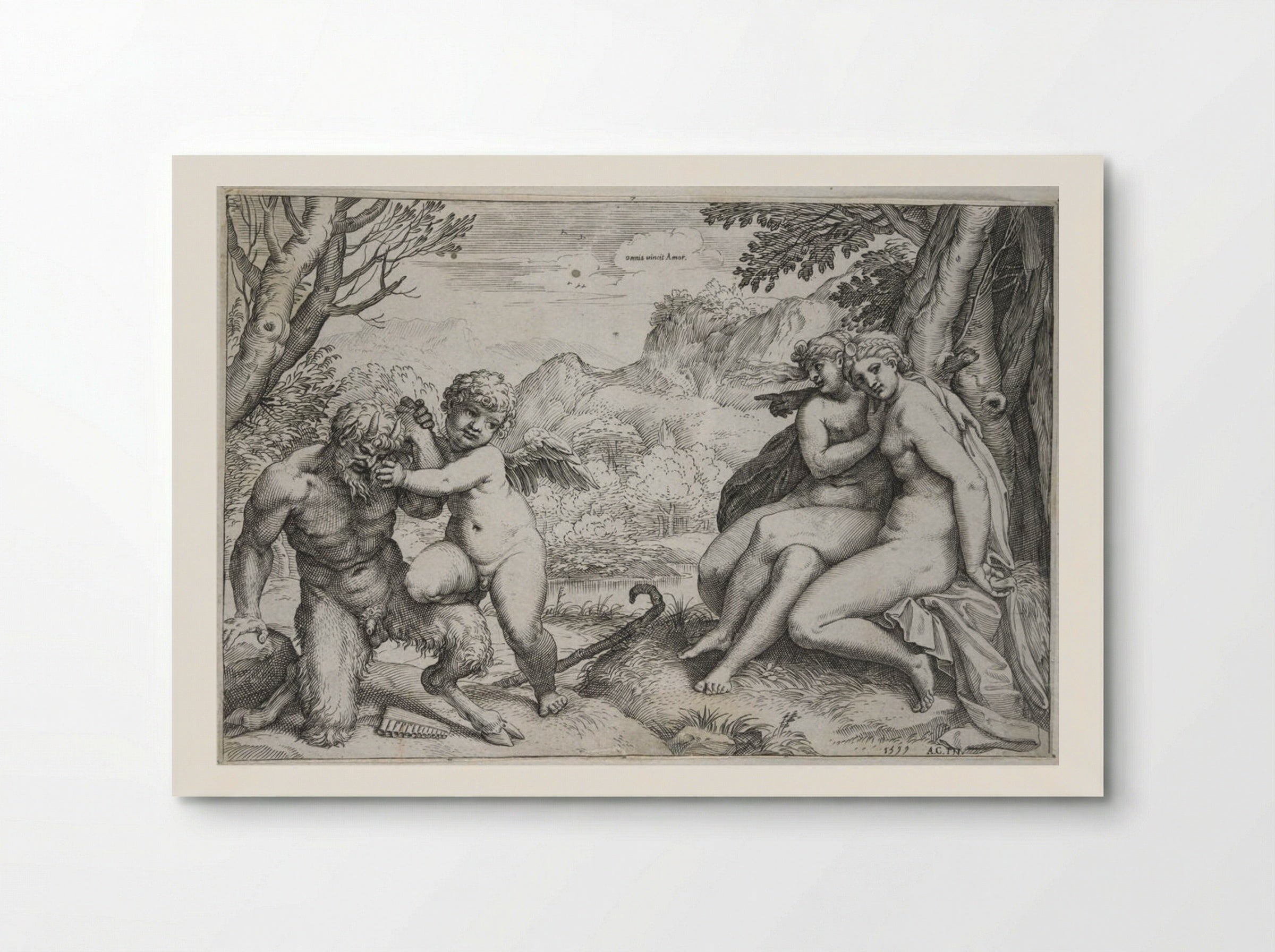 Omnia Vincit Amor - Agostino Carracci
Print
Regular price From $29.00 USDSale price From $29.00 USD Regular price -
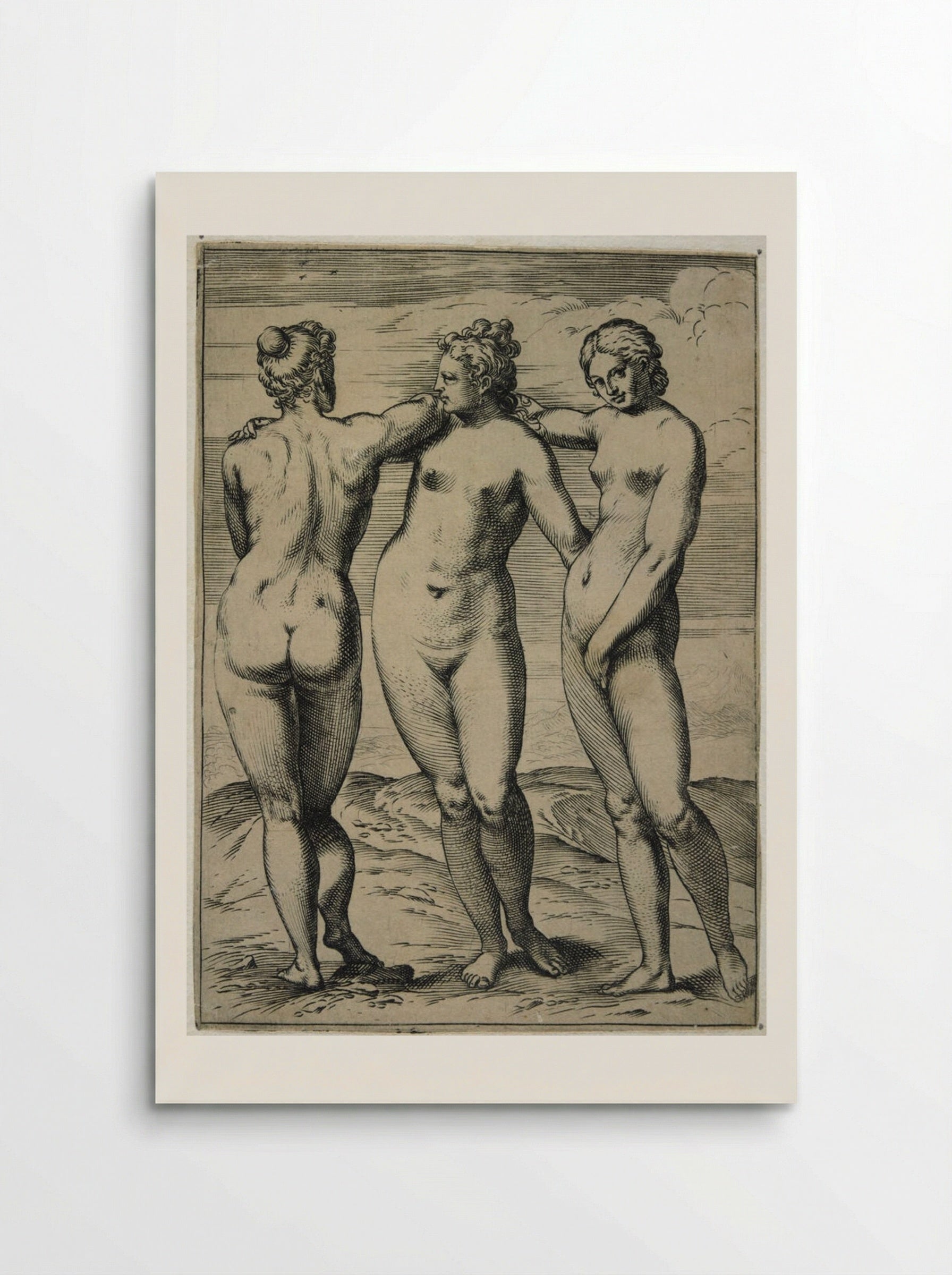 The Three Graces - Agostino Carracci
Print
Regular price From $29.00 USDSale price From $29.00 USD Regular price -
 Pietà - Agostino Carracci
Print
Regular price From $29.00 USDSale price From $29.00 USD Regular price -
 Orpheus and Eurydice - Agostino Carracci
Print
Regular price From $29.00 USDSale price From $29.00 USD Regular price -
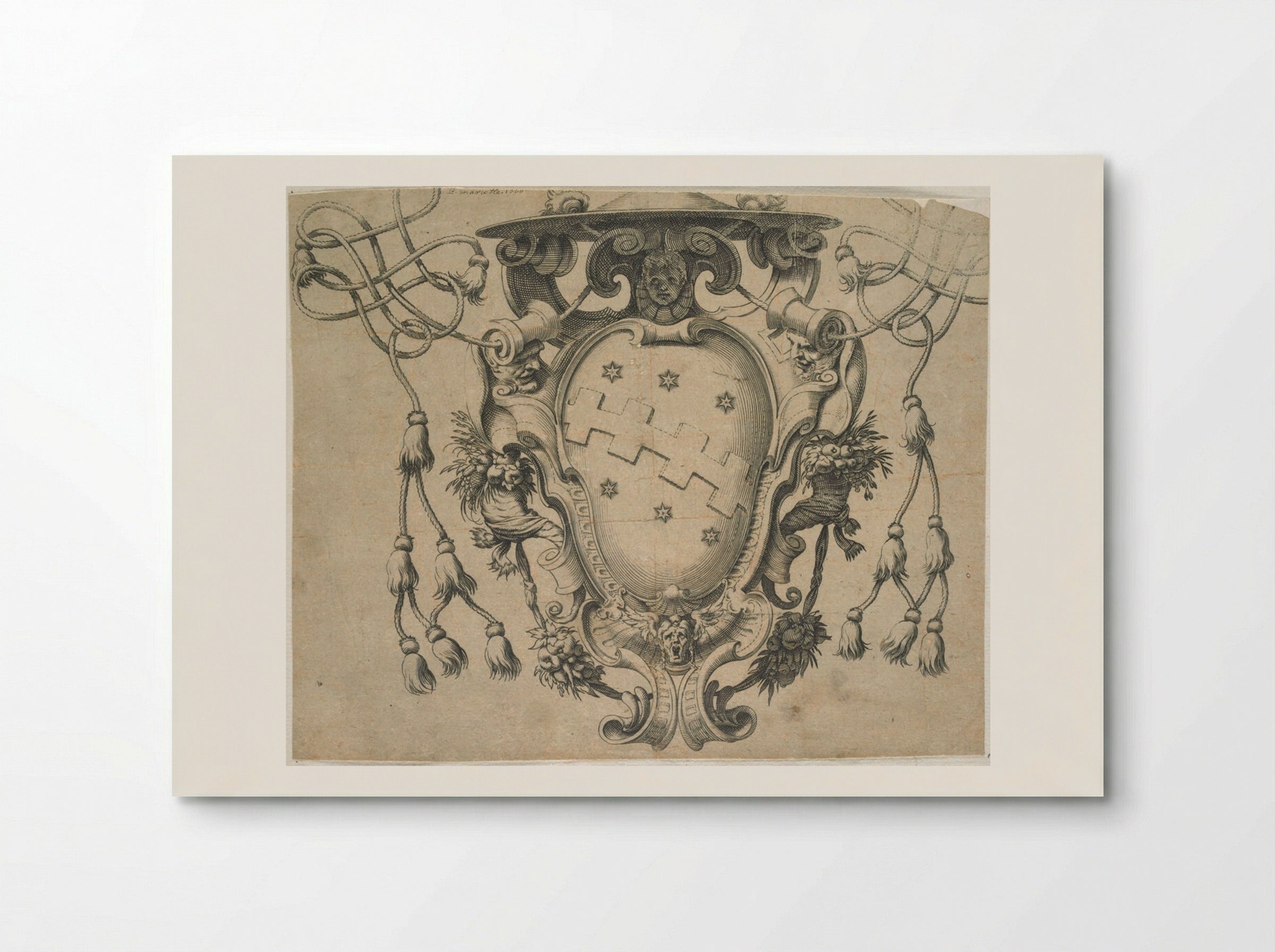 Coat of Arms of Cardinal Cinzio or Pietro Aldobrandini - Agostino Carracci
Print
Regular price From $29.00 USDSale price From $29.00 USD Regular price


Artist Biography
Agostino Carracci
Agostino Carracci began his career not at an easel but at a jeweller's bench, training as a goldsmith before switching to painting in Bologna. With his brother Annibale and cousin Ludovico, he co-founded the Accademia degli Incamminati in 1582, the reform academy whose influence on Italian painting would prove far more durable than any single canvas. Where Annibale attracted the larger reputation, Agostino excelled at a craft that contemporaries undervalued: engraving. His reproductive prints after Tintoretto, Titian and Veronese spread knowledge of Venetian colour across Italy before photographs existed.
His masterpiece as a painter, The Last Communion of Saint Jerome (1592), hangs in the Pinacoteca Nazionale di Bologna. The composition is controlled and deeply felt, with the dying saint receiving the sacrament in a soft, Correggesque light that reveals Agostino's careful study of the Parma master. He also contributed to major fresco cycles at Palazzo Fava (1584, Lives of Jason and Medea) and Palazzo Magnani (1590-92, Scenes from the Foundation of Rome), working alongside Annibale on both.
The engraving work that critics sometimes dismissed as mere reproduction turns out to have had an unexpectedly long legacy. His print after Paolo Fiammingo's Love in the Golden Age is recorded as a direct source for Matisse's Le bonheur de vivre (1905-06), connecting a Bologna workshop of the 1580s to Fauvist Paris three centuries later. Agostino died in Parma in March 1602, at forty-four, leaving a son, Antonio, who also became a painter.
His masterpiece as a painter, The Last Communion of Saint Jerome (1592), hangs in the Pinacoteca Nazionale di Bologna. The composition is controlled and deeply felt, with the dying saint receiving the sacrament in a soft, Correggesque light that reveals Agostino's careful study of the Parma master. He also contributed to major fresco cycles at Palazzo Fava (1584, Lives of Jason and Medea) and Palazzo Magnani (1590-92, Scenes from the Foundation of Rome), working alongside Annibale on both.
The engraving work that critics sometimes dismissed as mere reproduction turns out to have had an unexpectedly long legacy. His print after Paolo Fiammingo's Love in the Golden Age is recorded as a direct source for Matisse's Le bonheur de vivre (1905-06), connecting a Bologna workshop of the 1580s to Fauvist Paris three centuries later. Agostino died in Parma in March 1602, at forty-four, leaving a son, Antonio, who also became a painter.
Related Artists
Why Choose Us ?