

Collection
Andrea Mantegna
Explore curated art prints selected for distinctive homes and considered interiors.
-

 The Adoration of the Shepherds - Andrea Mantegna
Print · Framed · Canvas
Regular price From $29.00 USDSale price From $29.00 USD Regular price -

 The Senators - Andrea Mantegna
Print · Framed · Canvas
Regular price From $39.00 USDSale price From $39.00 USD Regular price -

 Gevecht tussen tritons met nereïden op hun rug - Andrea Mantegna
Print · Framed · Canvas
Regular price From $29.00 USDSale price From $29.00 USD Regular price -

 Four Women Dancing - Andrea Mantegna
Print · Framed · Canvas
Regular price From $29.00 USDSale price From $29.00 USD Regular price -

 Christ in Limbo - Andrea Mantegna
Print · Framed · Canvas
Regular price From $29.00 USDSale price From $29.00 USD Regular price -

 The Flagellation (with the pavement) - Andrea Mantegna
Print · Framed · Canvas
Regular price From $29.00 USDSale price From $29.00 USD Regular price -

 Triumph of Caesar: The Senators - Andrea Mantegna
Print · Framed · Canvas
Regular price From $39.00 USDSale price From $39.00 USD Regular price -

 Triumph of Caesar: The Elephants - Andrea Mantegna
Print · Framed · Canvas
Regular price From $39.00 USDSale price From $39.00 USD Regular price -

 The Holy Family with Saint Mary Magdalen - Andrea Mantegna
Print · Framed · Canvas
Regular price From $29.00 USDSale price From $29.00 USD Regular price -

 Ignorance and Mercury: An Allegory of Virtue and Vice (Lower Half) - Andrea Mantegna
Print · Framed · Canvas
Regular price From $29.00 USDSale price From $29.00 USD Regular price -

 The Flagellation - Andrea Mantegna
Print · Framed · Canvas
Regular price From $29.00 USDSale price From $29.00 USD Regular price -

 Bacchanal with a wine-press - Andrea Mantegna
Print · Framed · Canvas
Regular price From $29.00 USDSale price From $29.00 USD Regular price -

 The Descent to Hell - Andrea Mantegna
Print · Framed · Canvas
Regular price From $29.00 USDSale price From $29.00 USD Regular price -

 Christ Descending into Hell - Andrea Mantegna
Print · Framed · Canvas
Regular price From $39.00 USDSale price From $39.00 USD Regular price -

 Virtue Combusta - Andrea Mantegna
Print · Framed · Canvas
Regular price From $29.00 USDSale price From $29.00 USD Regular price -

 Risen Christ between Saint Andrew and Saint Longinus - Andrea Mantegna
Print · Framed · Canvas
Regular price From $39.00 USDSale price From $39.00 USD Regular price -

 Triumph of Caesar: The Corselet Bearers - Andrea Mantegna
Print · Framed · Canvas
Regular price From $39.00 USDSale price From $39.00 USD Regular price -

 Battle of the Sea Gods: Left Half - Andrea Mantegna
Print · Framed · Canvas
Regular price From $29.00 USDSale price From $29.00 USD Regular price -

 Two Apostles Watching the Ascension of Christ - Andrea Mantegna
Print · Framed · Canvas
Regular price From $29.00 USDSale price From $29.00 USD Regular price -
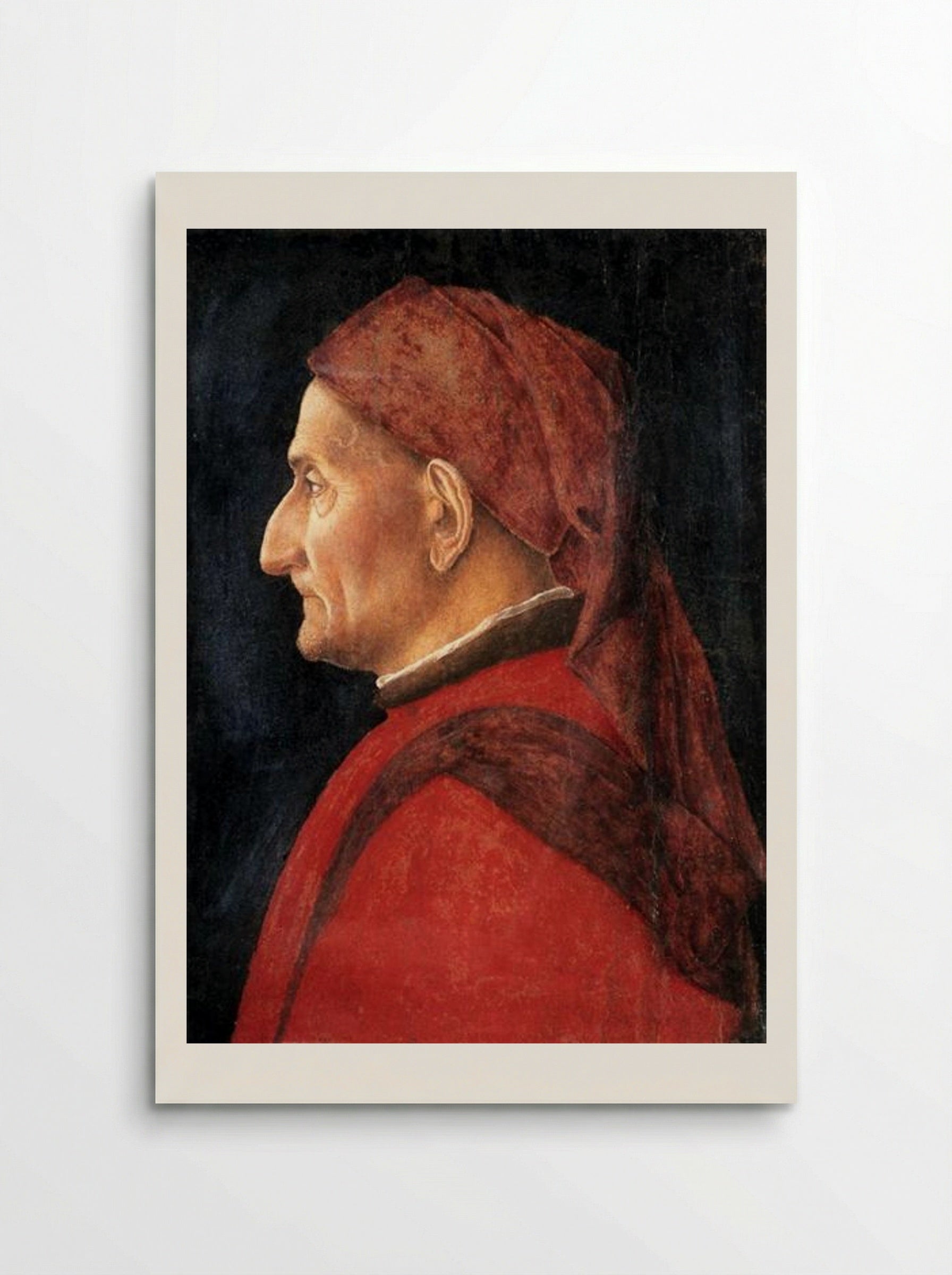 Portrait of a Man (Andrea Mantegna) - Andrea Mantegna
Print
Regular price From $29.00 USDSale price From $29.00 USD Regular price -
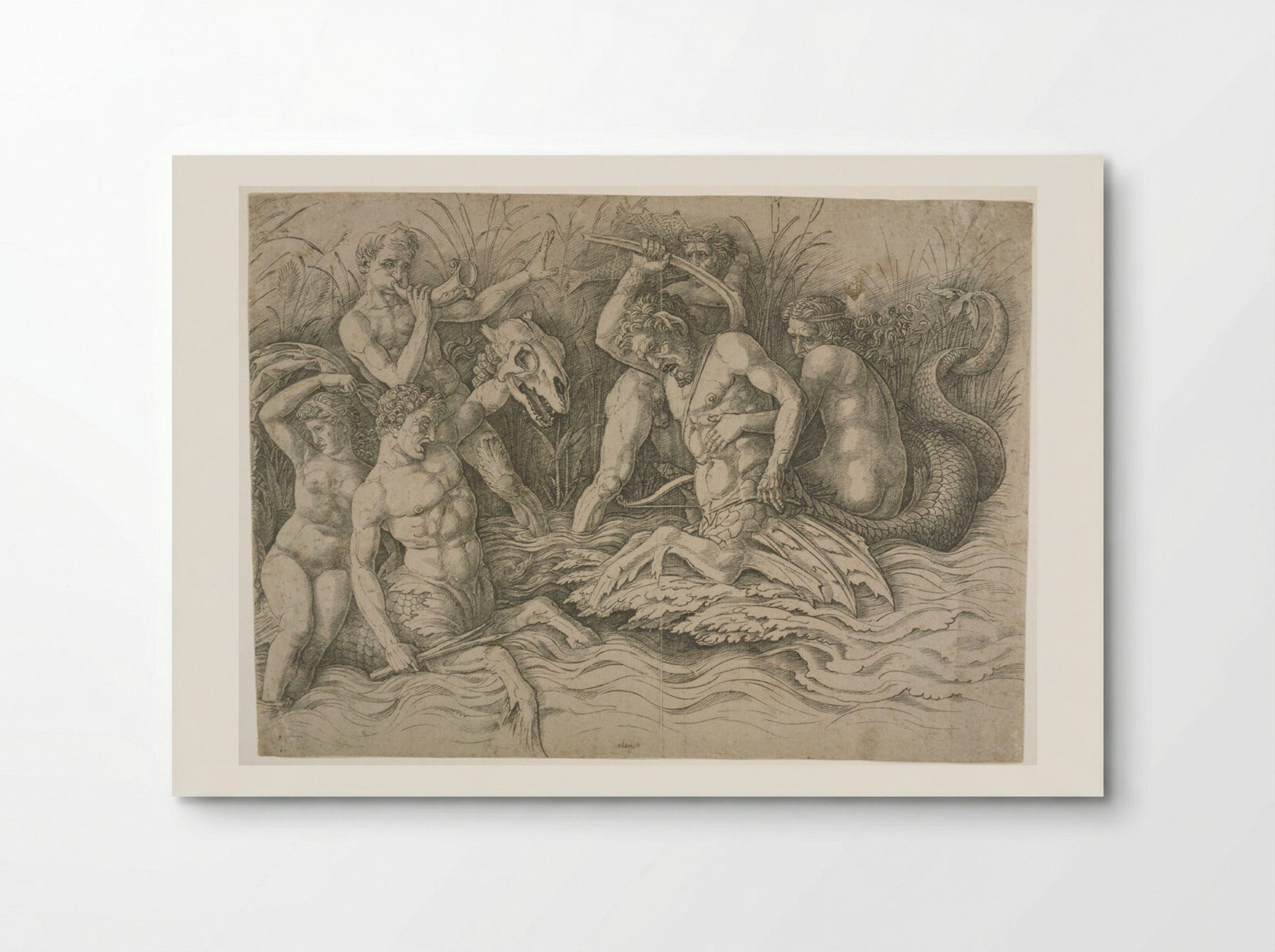 Battle of the Sea Gods: Right Half of a Frieze - Andrea Mantegna
Print
Regular price From $29.00 USDSale price From $29.00 USD Regular price -
 Bacchanal with a Wine Vat - Andrea Mantegna
Print
Regular price From $29.00 USDSale price From $29.00 USD Regular price -
 Presentation at the Temple - Andrea Mantegna
Print
Regular price From $29.00 USDSale price From $29.00 USD Regular price -
 Trumpeters - Andrea Mantegna
Print
Regular price From $39.00 USDSale price From $39.00 USD Regular price


Artist Biography
Andrea Mantegna
Mantegna sued his adoptive father. Francesco Squarcione, a Paduan painter and dealer, had taken the boy in around 1441 when Mantegna was roughly ten years old, the son of a woodworker. Squarcione ran a workshop that profited from apprentice labour, and when Mantegna realised the arrangement was exploitative, he took the older man to court. A judge ruled in his favour in 1448, making him legally independent at seventeen.
Padua in the 1440s was the first centre of Renaissance humanism in northern Italy. Donatello was working there on the bronze reliefs for the Basilica of Sant'Antonio; Paolo Uccello and Filippo Lippi had both passed through. Mantegna absorbed their experiments with perspective and classical form, then pushed further. His frescoes in the Ovetari Chapel (completed 1457, largely destroyed by Allied bombing in 1944) showed figures seen from below with an architectural conviction no northern Italian painter had attempted before.
In 1453 he married Nicolosia Bellini, daughter of the Venetian painter Jacopo Bellini, binding himself to the most powerful artistic dynasty in the Veneto. The relationship was productive in both directions: Giovanni Bellini, his brother-in-law, learned from Mantegna's sculptural precision while Mantegna gradually absorbed the Venetians' sensitivity to light and atmosphere, though he never fully abandoned his preference for hard, lapidary surfaces.
From 1460 until his death in 1506, Mantegna served as court painter to the Gonzaga family in Mantua. The Camera degli Sposi (completed 1474) was the first room in European painting to use illusionistic decoration across walls and ceiling as a unified architectural space. The ceiling's famous oculus, a circular opening revealing figures peering down from a balustrade against open sky, was a joke that fooled visitors and influenced decorative painting for two centuries.
Padua in the 1440s was the first centre of Renaissance humanism in northern Italy. Donatello was working there on the bronze reliefs for the Basilica of Sant'Antonio; Paolo Uccello and Filippo Lippi had both passed through. Mantegna absorbed their experiments with perspective and classical form, then pushed further. His frescoes in the Ovetari Chapel (completed 1457, largely destroyed by Allied bombing in 1944) showed figures seen from below with an architectural conviction no northern Italian painter had attempted before.
In 1453 he married Nicolosia Bellini, daughter of the Venetian painter Jacopo Bellini, binding himself to the most powerful artistic dynasty in the Veneto. The relationship was productive in both directions: Giovanni Bellini, his brother-in-law, learned from Mantegna's sculptural precision while Mantegna gradually absorbed the Venetians' sensitivity to light and atmosphere, though he never fully abandoned his preference for hard, lapidary surfaces.
From 1460 until his death in 1506, Mantegna served as court painter to the Gonzaga family in Mantua. The Camera degli Sposi (completed 1474) was the first room in European painting to use illusionistic decoration across walls and ceiling as a unified architectural space. The ceiling's famous oculus, a circular opening revealing figures peering down from a balustrade against open sky, was a joke that fooled visitors and influenced decorative painting for two centuries.





Why Choose Us ?