

Collection
Anthony Van Dyck
Explore curated art prints selected for distinctive homes and considered interiors.
Suggested filters
-

 Justus Sustermans - Anthony van Dyck
Print · Framed
Regular price From $39.00 USDSale price From $39.00 USD Regular price -

 Portrait of Frans Francken II - Anthony van Dyck
Print · Framed
Regular price From $29.00 USDSale price From $29.00 USD Regular price -

 Holy Family - Anthony van Dyck
Print · Framed
Regular price From $29.00 USDSale price From $29.00 USD Regular price -

 Thomas Killigrew - Anthony van Dyck
Print · Framed
Regular price From $29.00 USDSale price From $29.00 USD Regular price -

 Titian and His Mistress - Anthony van Dyck
Print · Framed
Regular price From $29.00 USDSale price From $29.00 USD Regular price -

 Portrait of a Lady with Castle and Trees in Background - Anthony van Dyck
Print · Framed
Regular price From $29.00 USDSale price From $29.00 USD Regular price -

 Lamentation of Christ - Anthony van Dyck
Print · Framed
Regular price From $29.00 USDSale price From $29.00 USD Regular price -

 Pietà - Anthony van Dyck
Print · Framed
Regular price From $29.00 USDSale price From $29.00 USD Regular price -

 Self-Portrait - Anthony van Dyck
Print · Framed
Regular price From $29.00 USDSale price From $29.00 USD Regular price -

 Antoon Triest, Bishop of Ghent - Anthony van Dyck
Print · Framed
Regular price From $29.00 USDSale price From $29.00 USD Regular price -

 Paul de Vos - Anthony van Dyck
Print · Framed
Regular price From $29.00 USDSale price From $29.00 USD Regular price -

 Portrait of Antoon Cornelissen - Anthony van Dyck
Print · Framed
Regular price From $29.00 USDSale price From $29.00 USD Regular price -

 Jan Snellinck - Anthony van Dyck
Print · Framed
Regular price From $29.00 USDSale price From $29.00 USD Regular price -

 Willem de Vos - Anthony van Dyck
Print · Framed
Regular price From $29.00 USDSale price From $29.00 USD Regular price -

 Adam van Noort - Anthony van Dyck
Print · Framed
Regular price From $29.00 USDSale price From $29.00 USD Regular price -

 Jan de Wael - Anthony van Dyck
Print · Framed
Regular price From $29.00 USDSale price From $29.00 USD Regular price -

 Erasmus of Rotterdam - Anthony van Dyck
Print · Framed
Regular price From $29.00 USDSale price From $29.00 USD Regular price -

 Philippe Le Roy - Anthony van Dyck
Print · Framed
Regular price From $29.00 USDSale price From $29.00 USD Regular price -

 Double Portrait of Peter Paul Rubens and Anthony van Dyck - Anthony van Dyck
Print · Framed
Regular price From $29.00 USDSale price From $29.00 USD Regular price -

 Joos de Momper - Anthony van Dyck
Print · Framed
Regular price From $29.00 USDSale price From $29.00 USD Regular price -

 Lucas Vorsterman - Anthony van Dyck
Print · Framed
Regular price From $29.00 USDSale price From $29.00 USD Regular price -

 Portrait of Lucas Vorsterman I - Anthony van Dyck
Print · Framed
Regular price From $29.00 USDSale price From $29.00 USD Regular price -

 Frans Francken the Elder - Anthony van Dyck
Print · Framed
Regular price From $29.00 USDSale price From $29.00 USD Regular price -
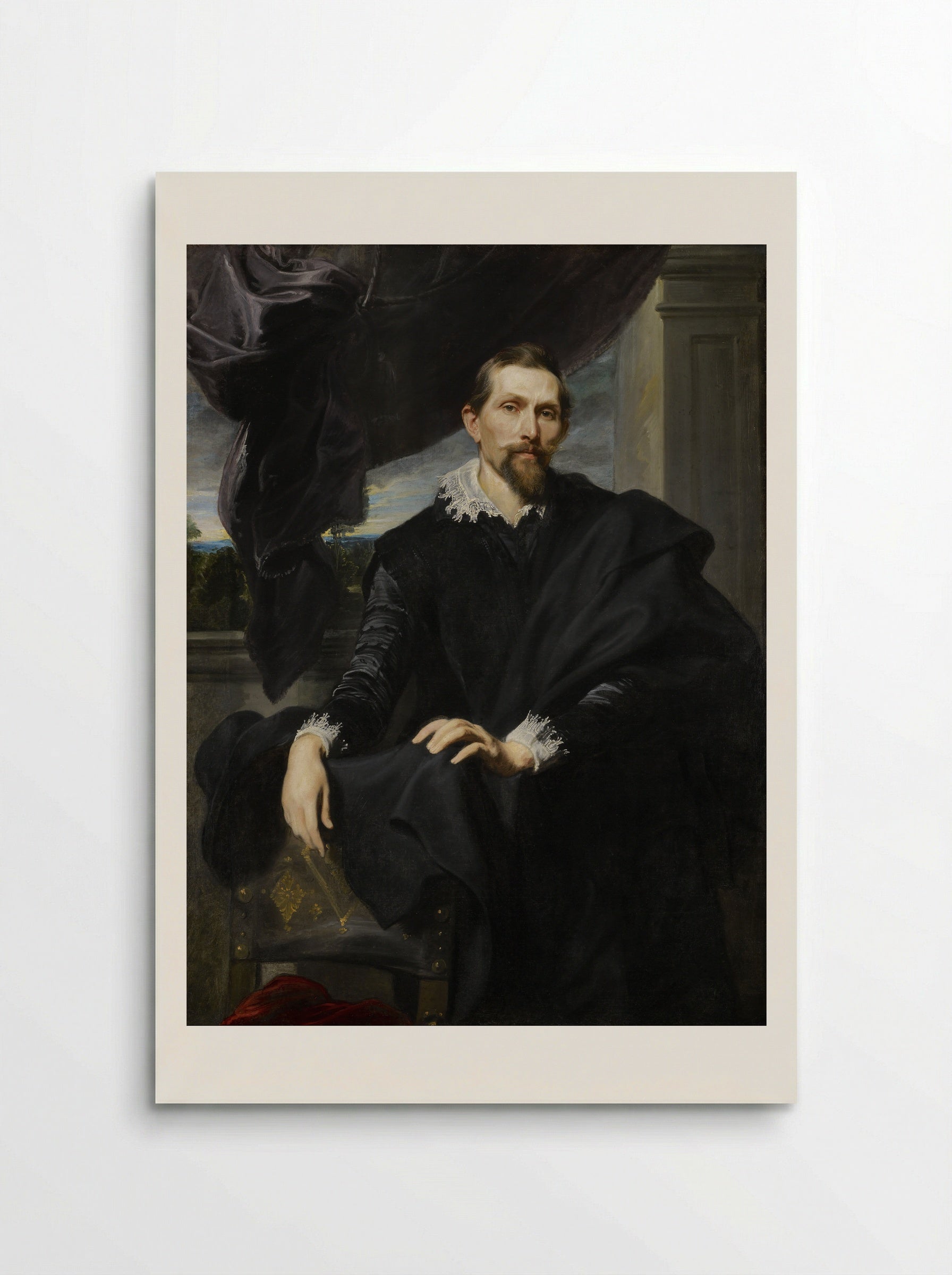
 Frans Snyders - Anthony van Dyck
Print · Framed · Canvas
Regular price From $29.00 USDSale price From $29.00 USD Regular price


Artist Biography
Anthony Van Dyck
Anthony van Dyck, a titan of the Baroque period, wasn't merely a painter; he was an architect of image. Born in Antwerp, in the Spanish Netherlands, his prodigious talent flowered early, apprenticing with Hendrick van Balen (Rubens's master) and becoming an independent master in the Antwerp guild by eighteen. Van Dyck's early work displays the robust influence of Rubens, but he quickly developed a more refined, elegant style, particularly evident in his portraits.
His time in Genoa and, later, as court painter to Charles I of England, cemented his legacy. Van Dyck didn't just record likenesses; he elevated his subjects, imbuing them with an aristocratic grace that defined the Caroline era. He established a visual language of power and refinement, influencing portraiture for centuries. Consider his iconic depictions of Charles I, such as "Charles I at the Hunt", which capture the king's regal bearing and hint at the complexities of his reign.
Beyond portraiture, Van Dyck was a master of religious and mythological scenes, showcasing his versatility and technical skill. His impact resonates even today, not only in the art world but also in fashion and popular culture, where his aesthetic continues to inspire. He died in London, leaving behind a glittering oeuvre that continues to captivate and inspire.
His time in Genoa and, later, as court painter to Charles I of England, cemented his legacy. Van Dyck didn't just record likenesses; he elevated his subjects, imbuing them with an aristocratic grace that defined the Caroline era. He established a visual language of power and refinement, influencing portraiture for centuries. Consider his iconic depictions of Charles I, such as "Charles I at the Hunt", which capture the king's regal bearing and hint at the complexities of his reign.
Beyond portraiture, Van Dyck was a master of religious and mythological scenes, showcasing his versatility and technical skill. His impact resonates even today, not only in the art world but also in fashion and popular culture, where his aesthetic continues to inspire. He died in London, leaving behind a glittering oeuvre that continues to captivate and inspire.
Why Choose Us ?