

Collection
Benozzo Gozzoli
Explore curated art prints selected for distinctive homes and considered interiors.
Suggested filters
-
 Madonna and Child Giving Blessings - Benozzo Gozzoli
Print
Regular price From $29.00 USDSale price From $29.00 USD Regular price -
 St. Augustine Departing for Milan - Benozzo Gozzoli
Print
Regular price From $29.00 USDSale price From $29.00 USD Regular price -
 The Dance of Salome (detail) - Benozzo Gozzoli
Print
Regular price From $39.00 USDSale price From $39.00 USD Regular price -

 Saints Nicholas of Tolentino, Roch, Sebastian, and Bernardino of Siena, with Kneeling Donors - Benozzo Gozzoli
Print · Framed
Regular price From $29.00 USDSale price From $29.00 USD Regular price -

 The Annunciation (Tondo) - Benozzo Gozzoli
Print · Framed
Regular price From $39.00 USDSale price From $39.00 USD Regular price -

 Preaching to the Birds and Blessing Montefalco - Benozzo Gozzoli
Print · Framed · Canvas
Regular price From $29.00 USDSale price From $29.00 USD Regular price -
 Madonna and Child - Benozzo Gozzoli
Print
Regular price From $29.00 USDSale price From $29.00 USD Regular price -
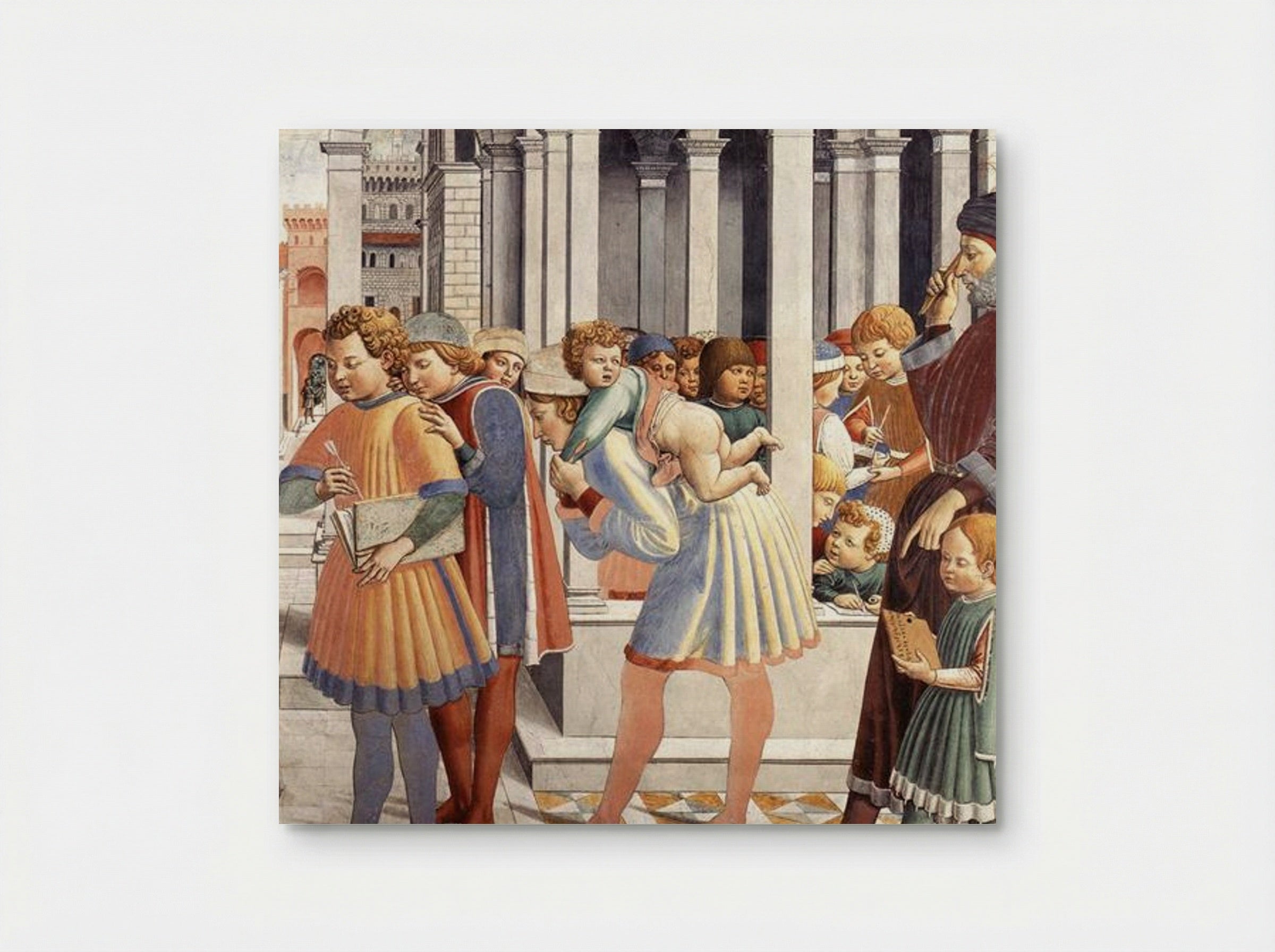 The School of Tagaste (detail) - Benozzo Gozzoli
Print
Regular price From $39.00 USDSale price From $39.00 USD Regular price -
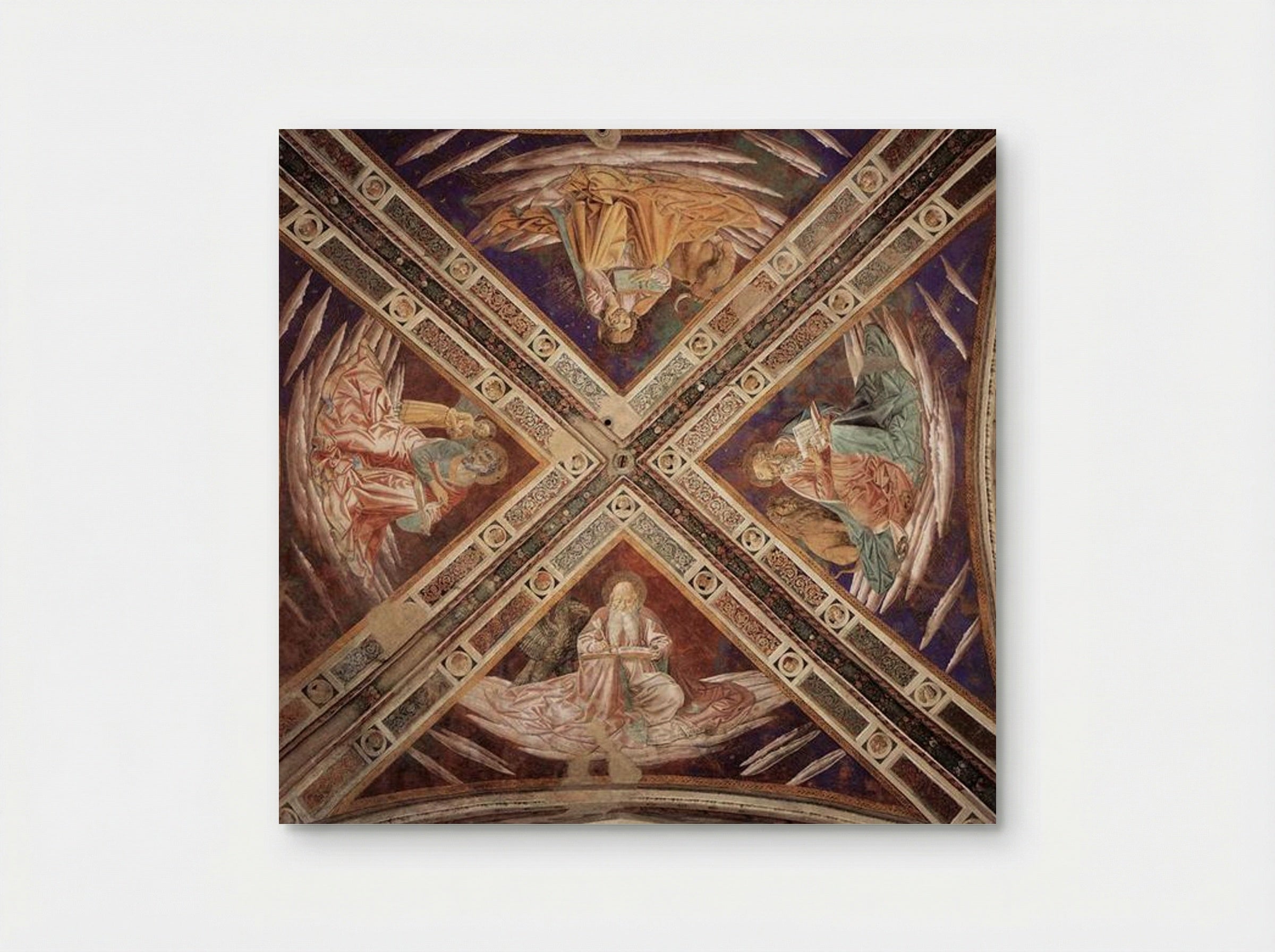 View of the Vaults - Benozzo Gozzoli
Print
Regular price From $39.00 USDSale price From $39.00 USD Regular price -
 The Raising of Lazarus (detail) - Benozzo Gozzoli
Print
Regular price From $39.00 USDSale price From $39.00 USD Regular price -
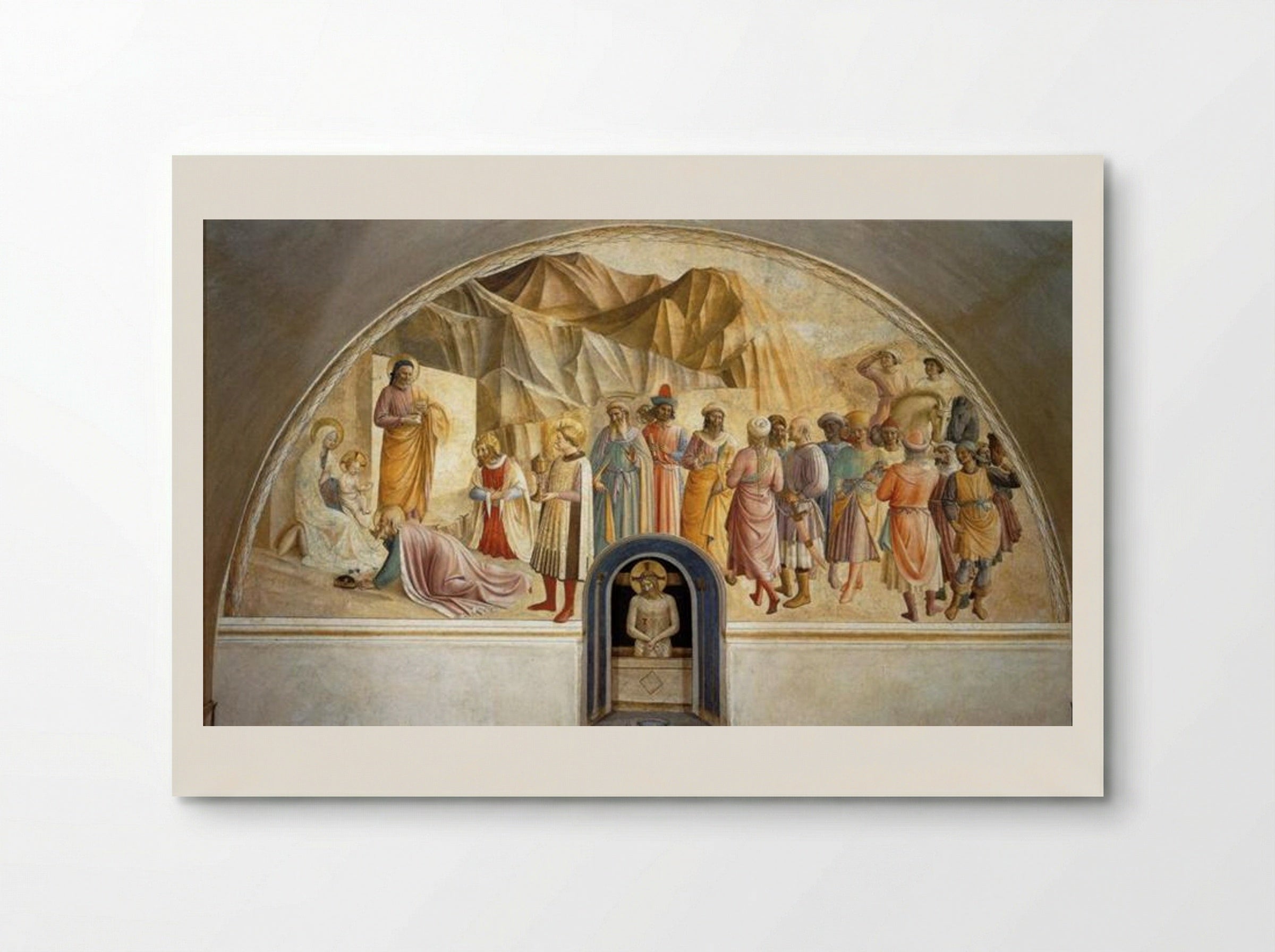 Adoration of the Magi - Benozzo Gozzoli
Print
Regular price From $29.00 USDSale price From $29.00 USD Regular price -
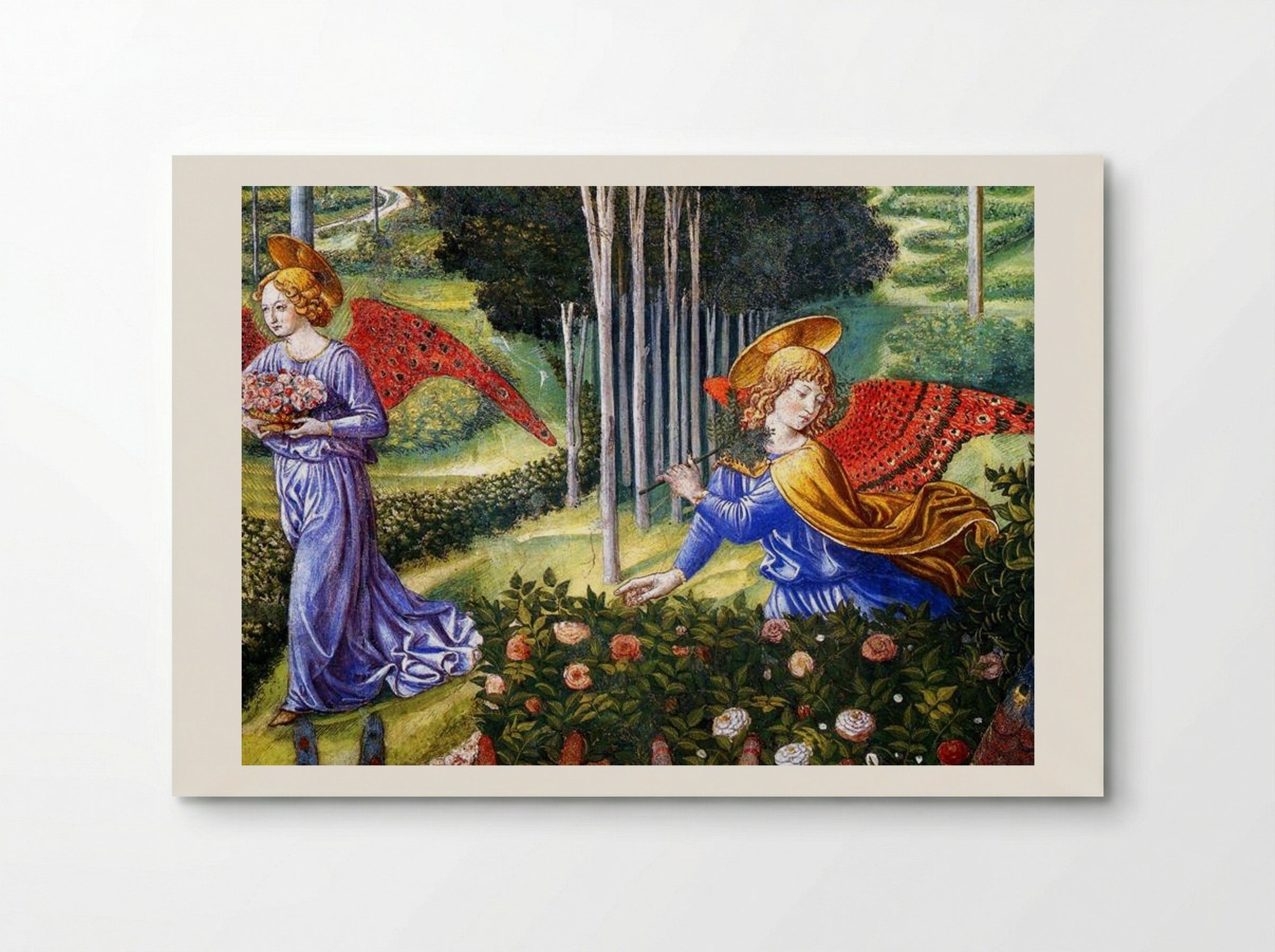 Angel Gathering Flowers in a Heavenly Landscape (detail) - Benozzo Gozzoli
Print
Regular price From $29.00 USDSale price From $29.00 USD Regular price -
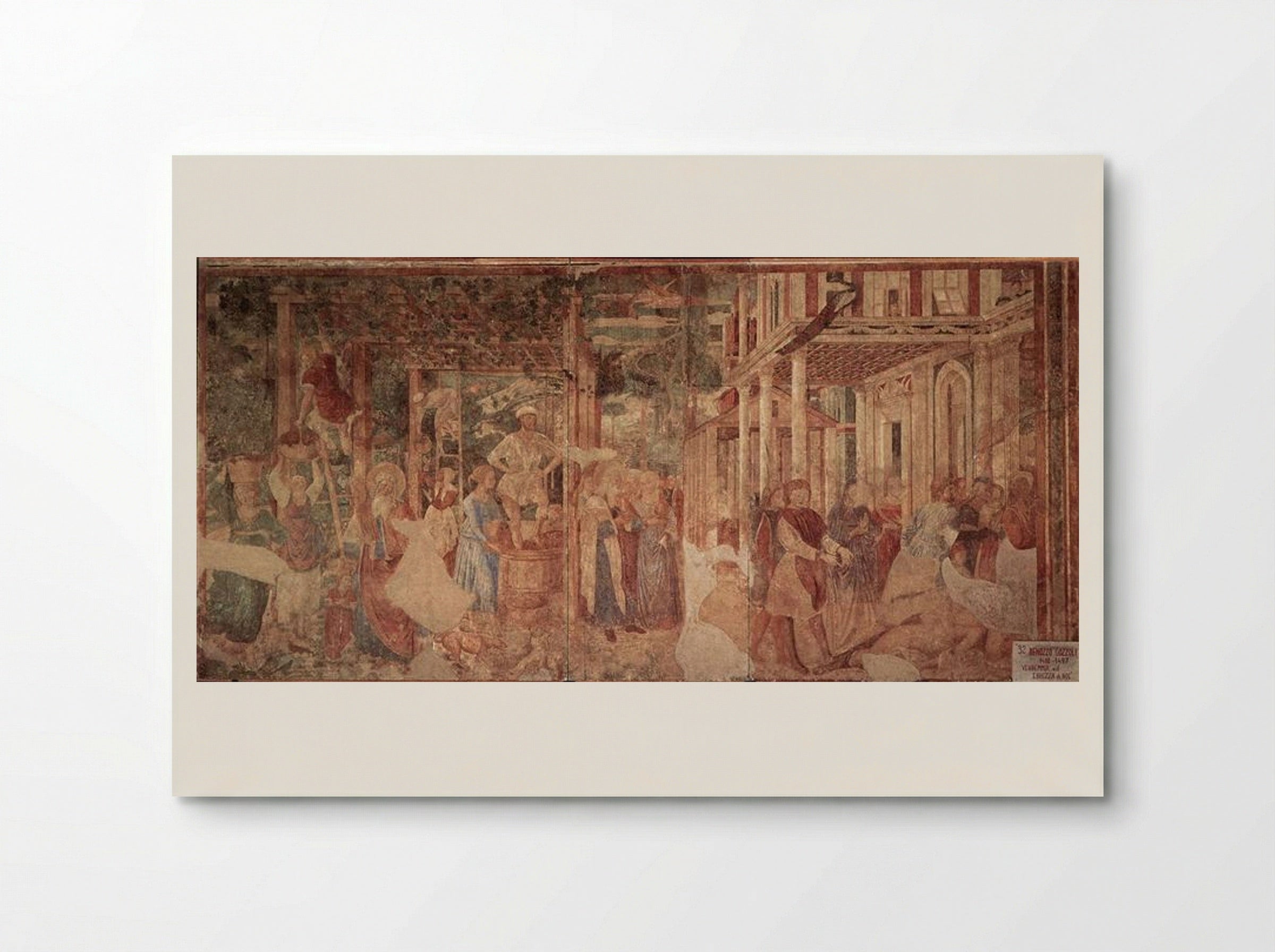 The Vintage and Drunkenness of Noah - Benozzo Gozzoli
Print
Regular price From $29.00 USDSale price From $29.00 USD Regular price -
 Stigmatization of St. Francis - Benozzo Gozzoli
Print
Regular price From $39.00 USDSale price From $39.00 USD Regular price -
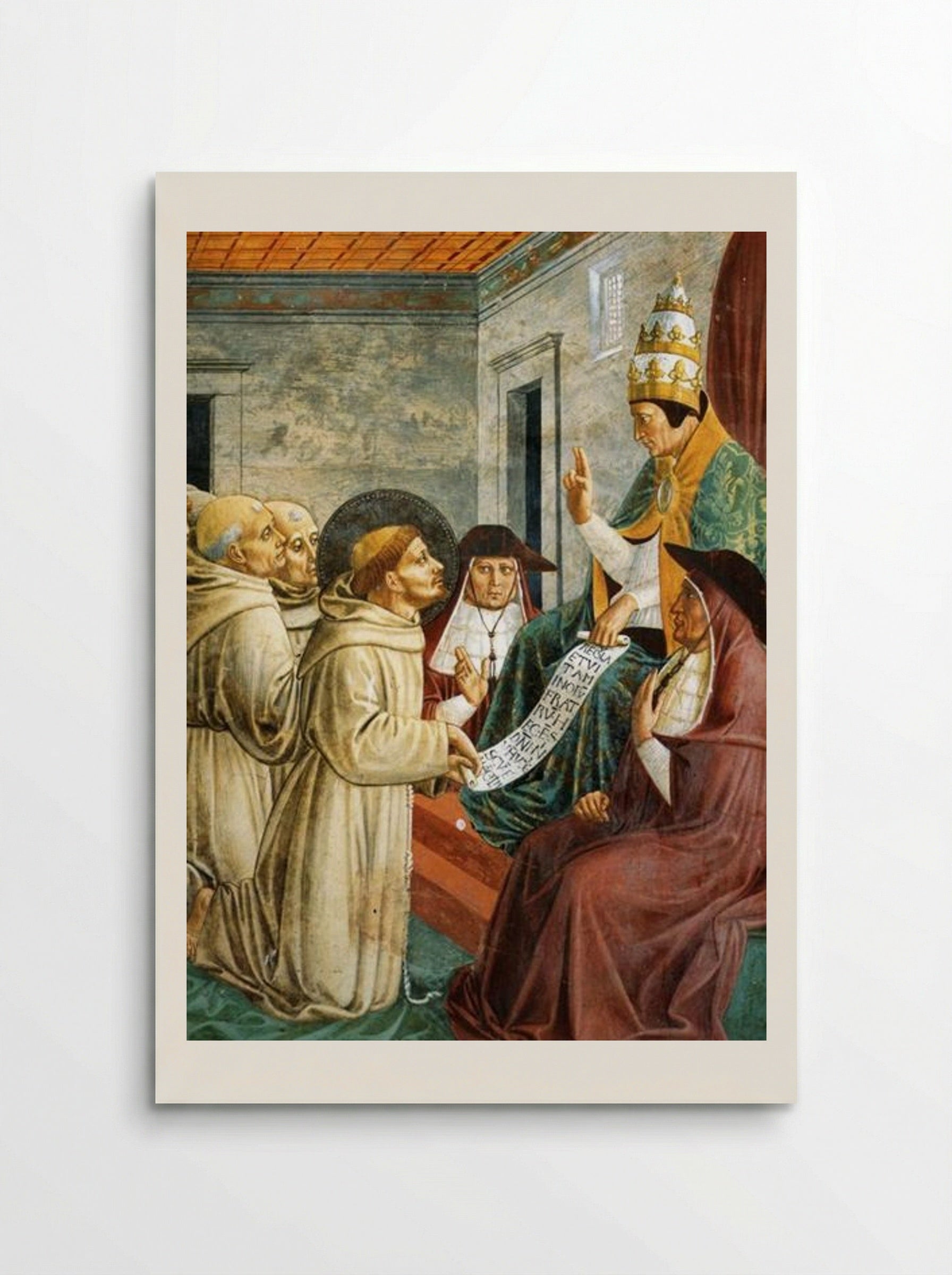 Dream of Innocent III and the Confirmation of the Rule (detail) - Benozzo Gozzoli
Print
Regular price From $29.00 USDSale price From $29.00 USD Regular price -
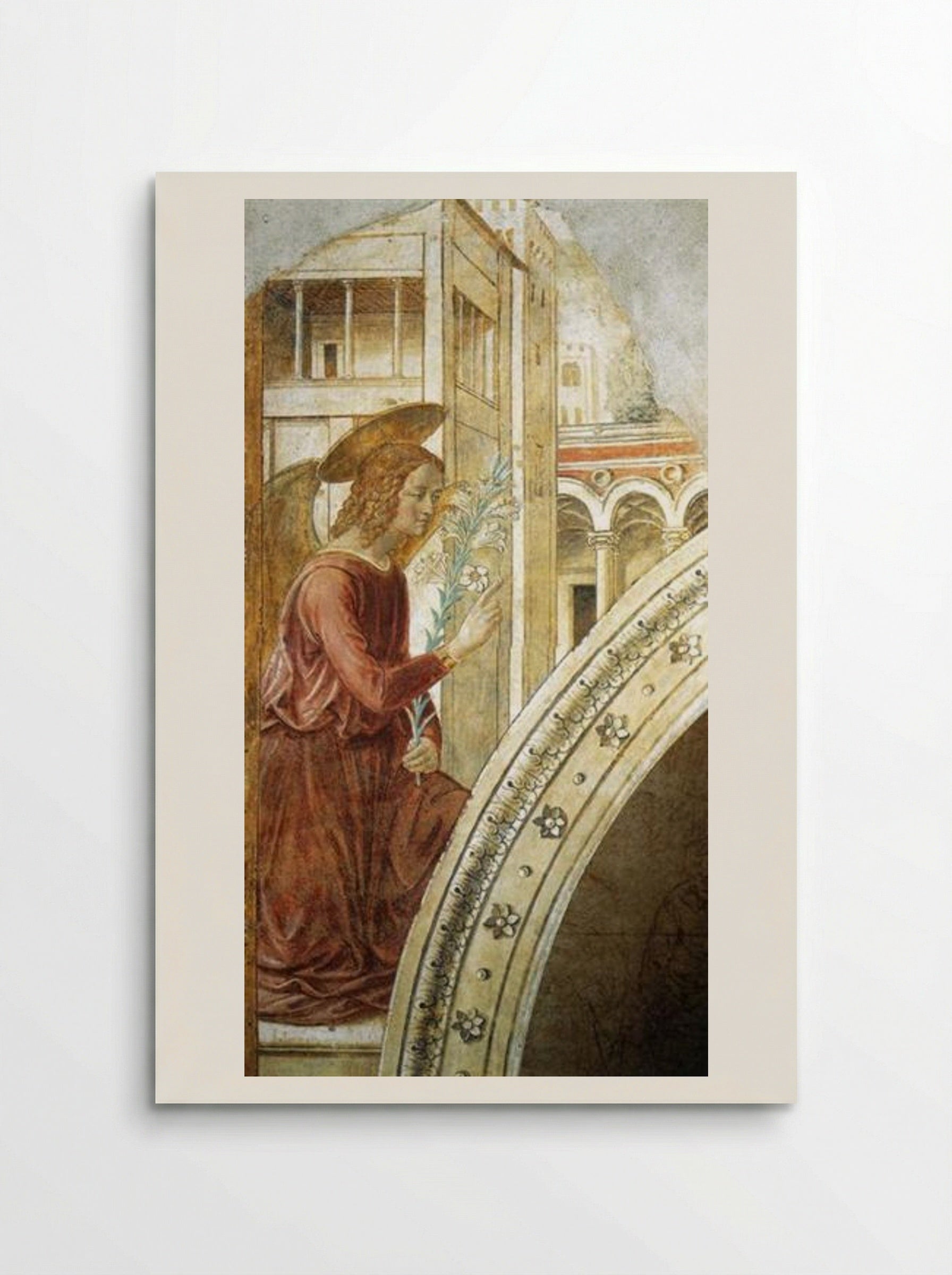 Tabernacle of the Visitation: Annunciation: the Archangel Gabriel - Benozzo Gozzoli
Print
Regular price From $29.00 USDSale price From $29.00 USD Regular price -
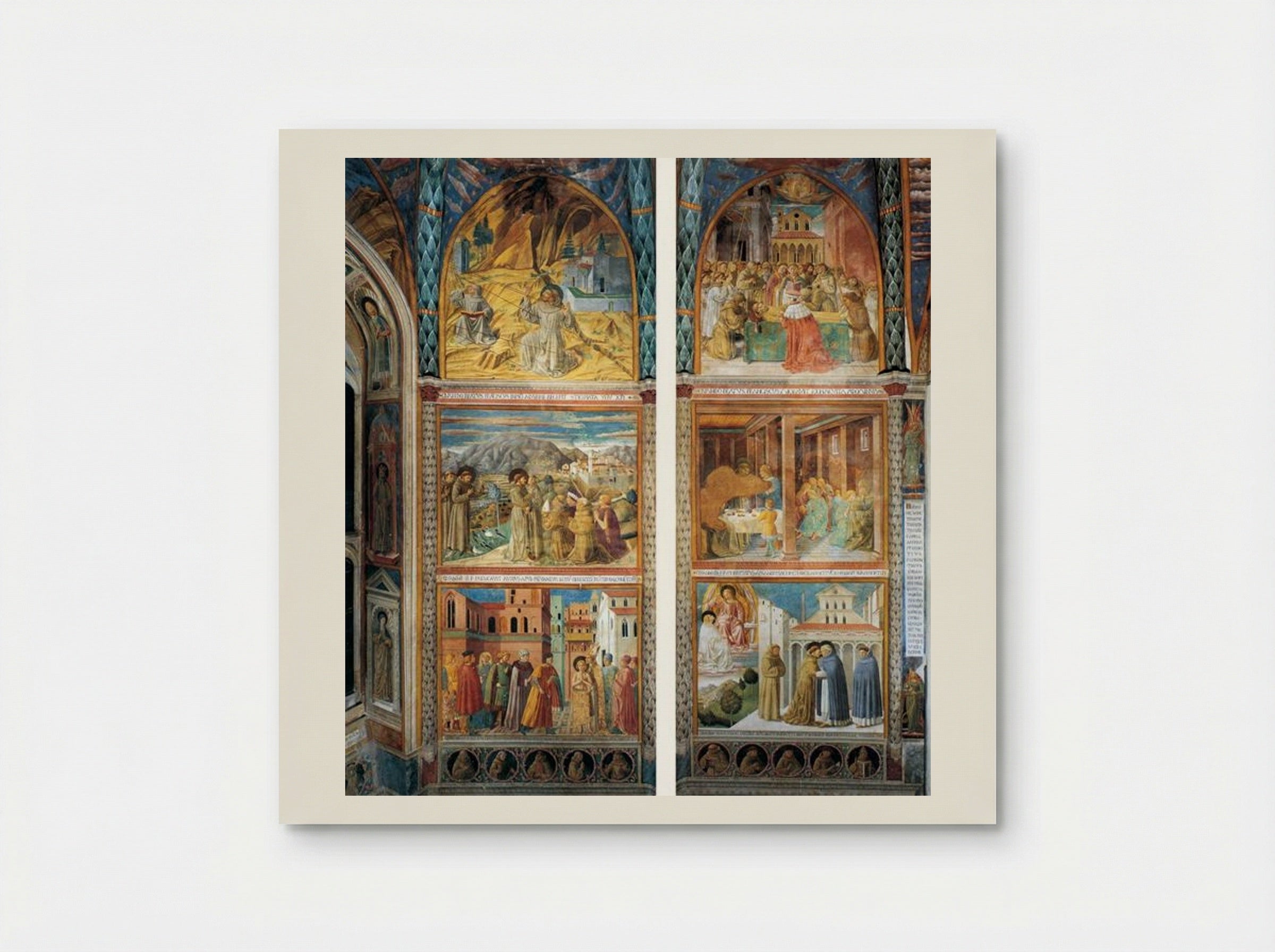 Scenes from the Life of St. Francis (south wall) - Benozzo Gozzoli
Print
Regular price From $39.00 USDSale price From $39.00 USD Regular price -
 Birth of St. Francis, Prophecy of the Birth by a Pilgrim, Homage of the Simple Man - Benozzo Gozzoli
Print
Regular price From $29.00 USDSale price From $29.00 USD Regular price -
 Saint Ursula with Angels and Donor (detail) - Benozzo Gozzoli
Print
Regular price From $39.00 USDSale price From $39.00 USD Regular price -
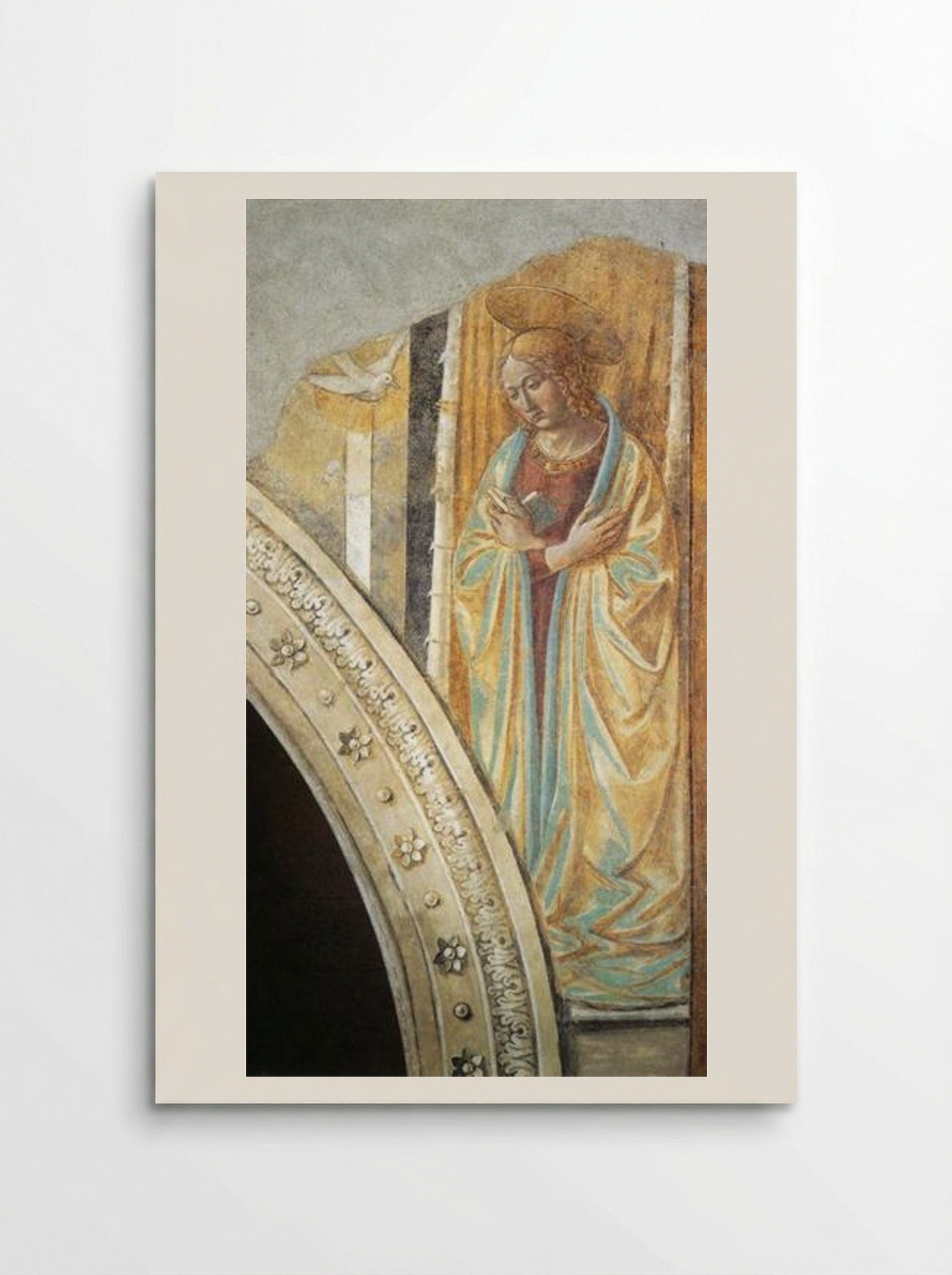 Tabernacle of the Visitation: Annunciation: Mary - Benozzo Gozzoli
Print
Regular price From $29.00 USDSale price From $29.00 USD Regular price -
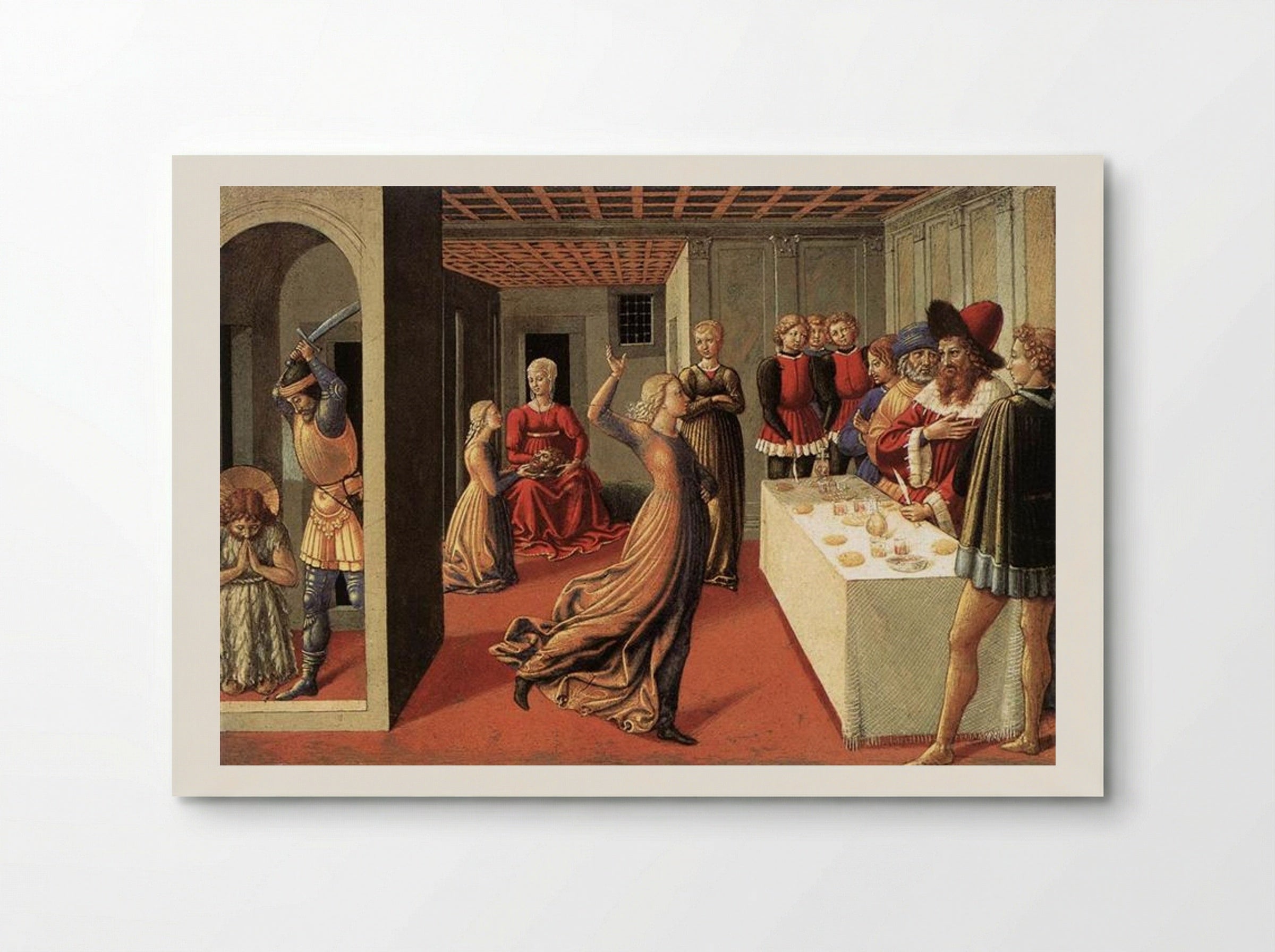 The Dance of Salome - Benozzo Gozzoli
Print
Regular price From $29.00 USDSale price From $29.00 USD Regular price -
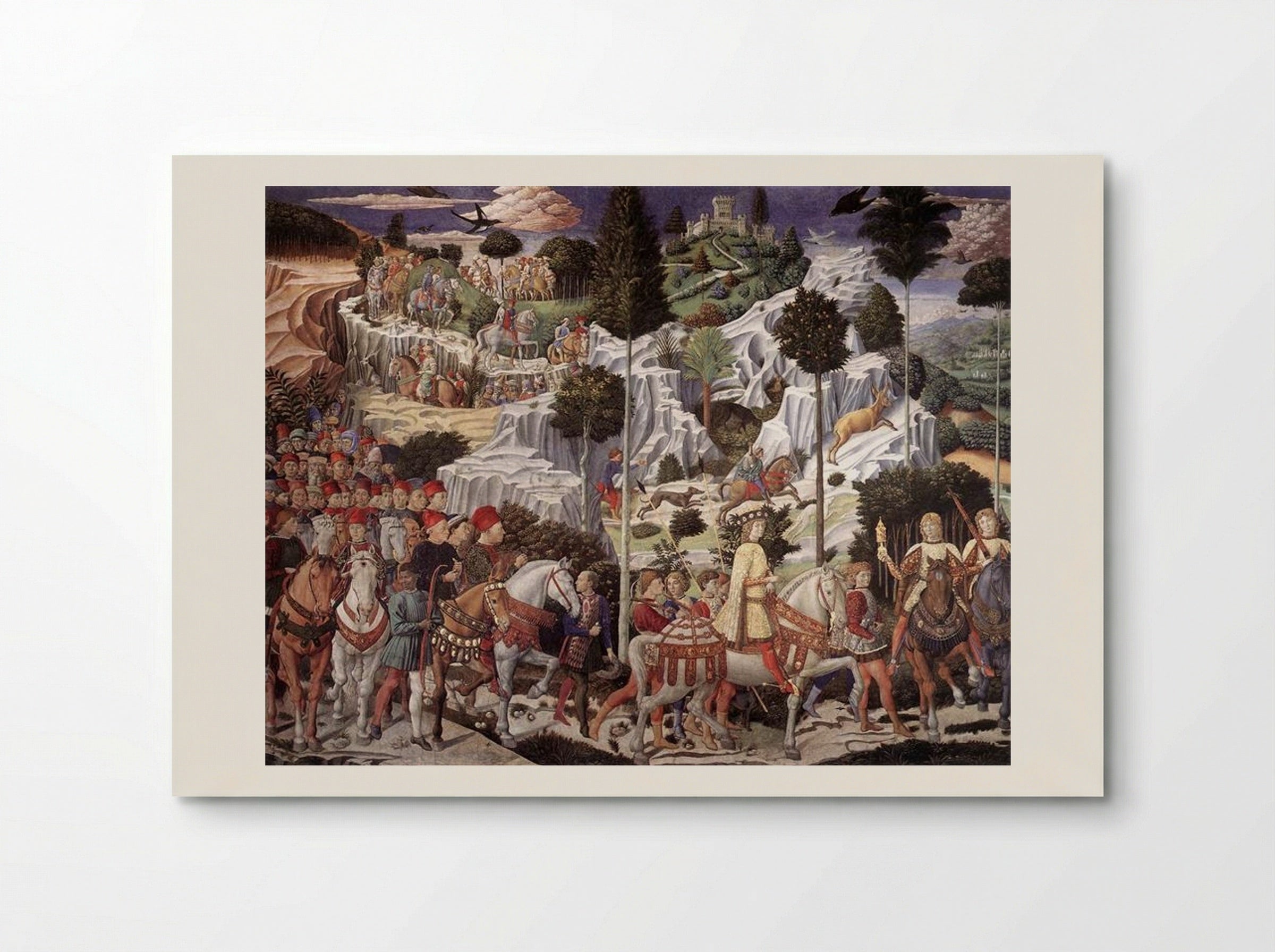 Procession of the Magus Balthazar (detail) - Benozzo Gozzoli
Print
Regular price From $29.00 USDSale price From $29.00 USD Regular price -
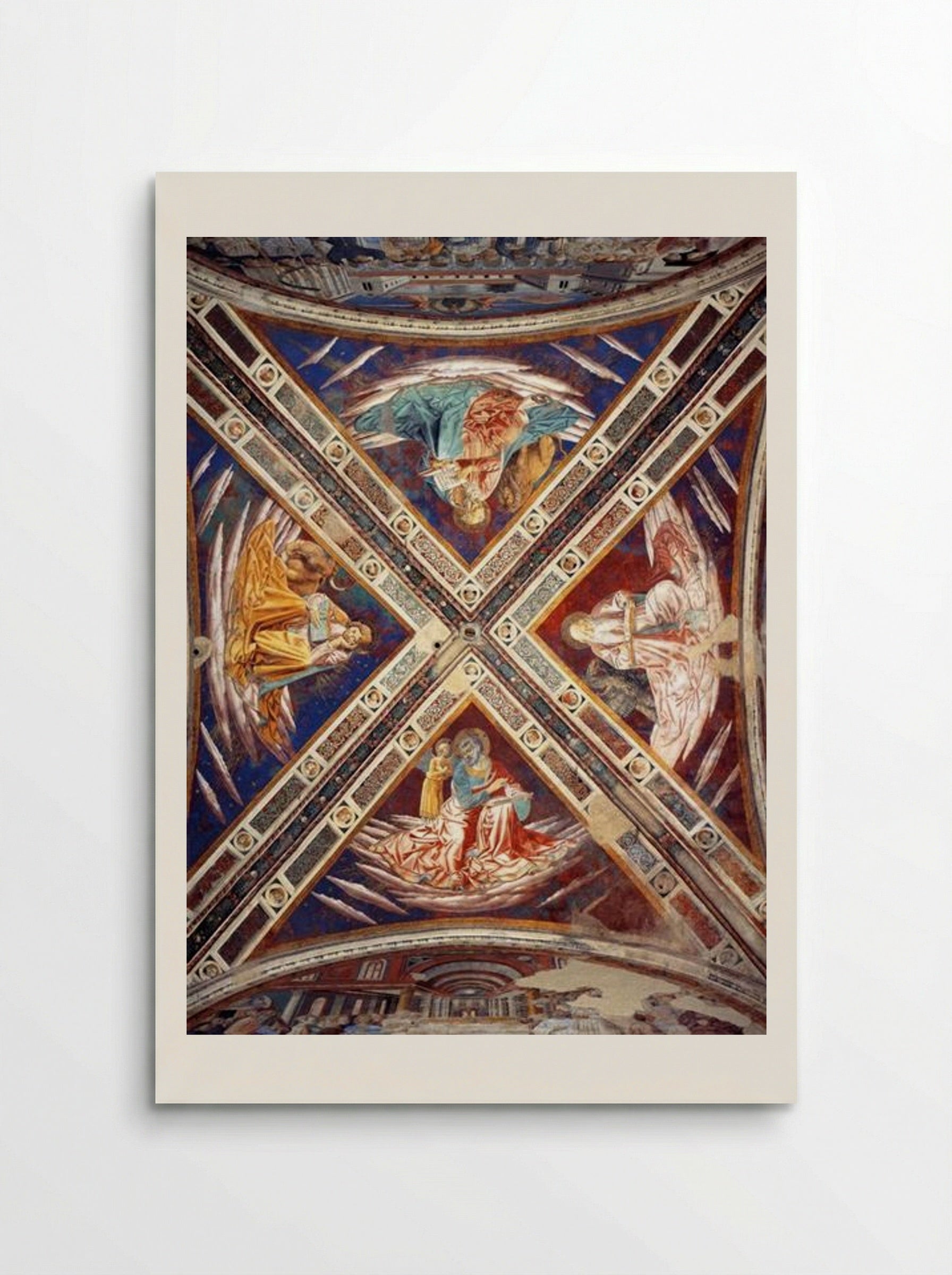 The Four Evangelists - Benozzo Gozzoli
Print
Regular price From $29.00 USDSale price From $29.00 USD Regular price -
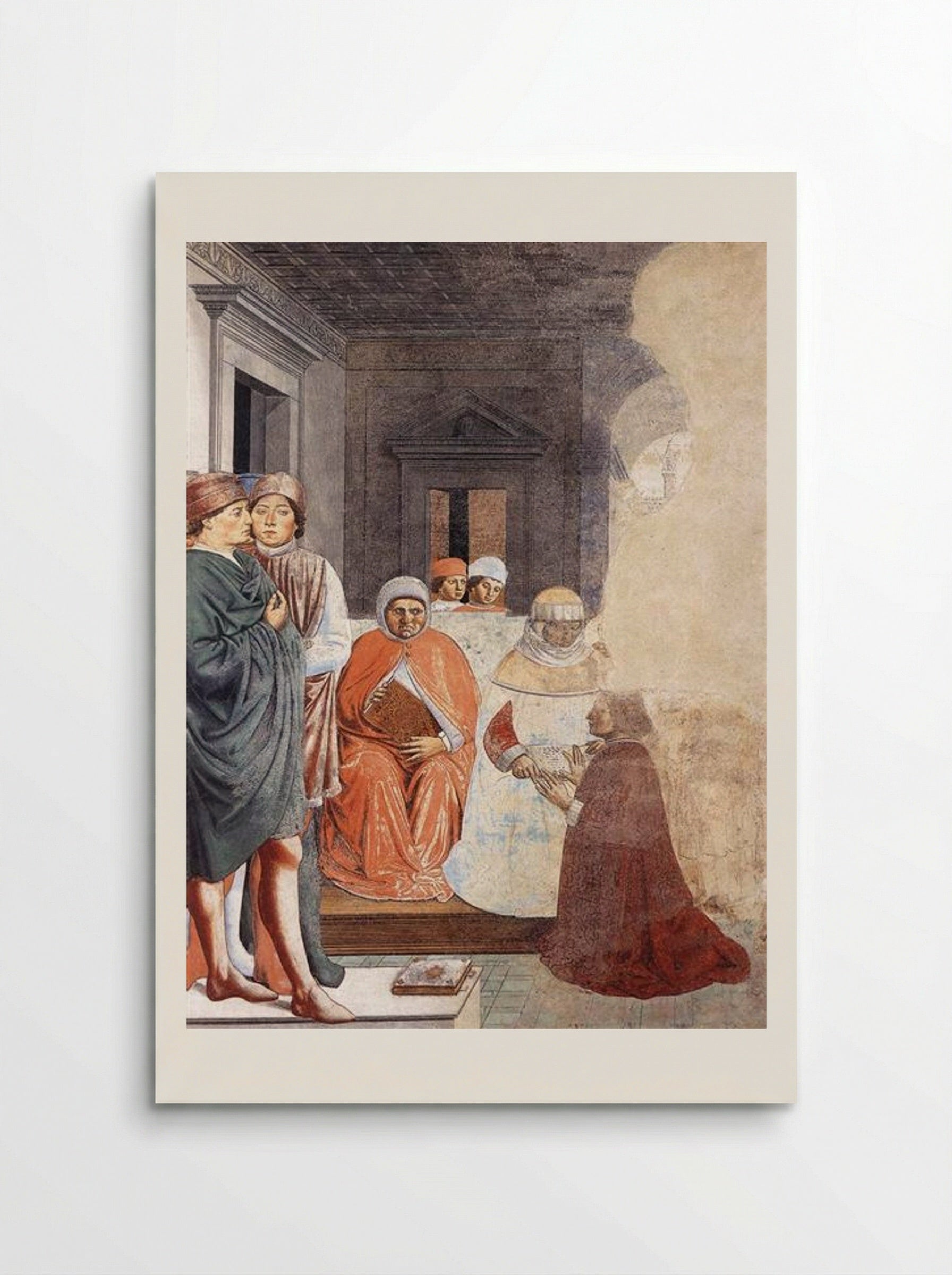 St. Augustine at the University of Carthage - Benozzo Gozzoli
Print
Regular price From $29.00 USDSale price From $29.00 USD Regular price


Artist Biography
Benozzo Gozzoli
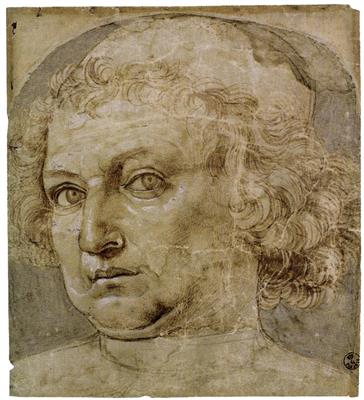
The self-portrait is easy to miss: Gozzoli painted himself peering from behind a rocky outcrop on the west wall of the Medici chapel, one large hand raised as if waving at the procession he has orchestrated across three walls. The fresco, commissioned in 1459 and completed by around 1463, is called the Procession of the Magi, but it reads more as a catalogue of Florentine power. Lorenzo de' Medici rides in gold robes as a young Magus; a youth in blue holds a baby leopard in a gold collar on a leash; and Byzantine Emperor John Palaeologus, who had visited Florence twenty years earlier as a guest of the Medici, appears as the eldest king on a white mule.
Gozzoli trained first as a goldsmith's apprentice under Lorenzo Ghiberti, whose Gates of Paradise doors for the Baptistery shaped his love of dense narrative and decorative precision. He then worked as an assistant to Fra Angelico, absorbing Renaissance spatial conventions without Fra Angelico's devotional gravity. Scholars have been blunt about his limitations: Ernst Gombrich called him a 'minor master' who applied new perspective methods 'gaily without worrying overmuch about their difficulty.' The Procession's rocky landscape still rises flat from bottom to top, indebted more to Ghiberti's bas-relief language than to Masaccio's pictorial space.
None of that troubled his patrons. The subject of the Magi was popular among wealthy Florentines precisely because it licensed the painting of costly brocades, gleaming gold, and thoroughbred horses in quantities that declared the patron's status. The Medici chapel, small enough that access felt like a privilege, was used for family mass and for receiving visiting ambassadors. The procession of kings served as a perfect backdrop for those audiences.
Gozzoli went on to paint extensive fresco cycles at Montefalco (1452, the life of St Francis) and at the Campo Santo in Pisa (from 1469, Old Testament narratives covering thousands of square feet). Neither matches the Medici chapel for concentrated ambition, but both confirm his command of large-scale narrative pageantry. He died at Pistoia in 1497, working almost to the end.
Gozzoli trained first as a goldsmith's apprentice under Lorenzo Ghiberti, whose Gates of Paradise doors for the Baptistery shaped his love of dense narrative and decorative precision. He then worked as an assistant to Fra Angelico, absorbing Renaissance spatial conventions without Fra Angelico's devotional gravity. Scholars have been blunt about his limitations: Ernst Gombrich called him a 'minor master' who applied new perspective methods 'gaily without worrying overmuch about their difficulty.' The Procession's rocky landscape still rises flat from bottom to top, indebted more to Ghiberti's bas-relief language than to Masaccio's pictorial space.
None of that troubled his patrons. The subject of the Magi was popular among wealthy Florentines precisely because it licensed the painting of costly brocades, gleaming gold, and thoroughbred horses in quantities that declared the patron's status. The Medici chapel, small enough that access felt like a privilege, was used for family mass and for receiving visiting ambassadors. The procession of kings served as a perfect backdrop for those audiences.
Gozzoli went on to paint extensive fresco cycles at Montefalco (1452, the life of St Francis) and at the Campo Santo in Pisa (from 1469, Old Testament narratives covering thousands of square feet). Neither matches the Medici chapel for concentrated ambition, but both confirm his command of large-scale narrative pageantry. He died at Pistoia in 1497, working almost to the end.


Why Choose Us ?