

Collection
Camille Pissarro
Explore curated art prints selected for distinctive homes and considered interiors.
Suggested filters
-
 Rue Saint-Lazare, Paris - Camille Pissarro
Print
Regular price From $29.00 USDSale price From $29.00 USD Regular price -
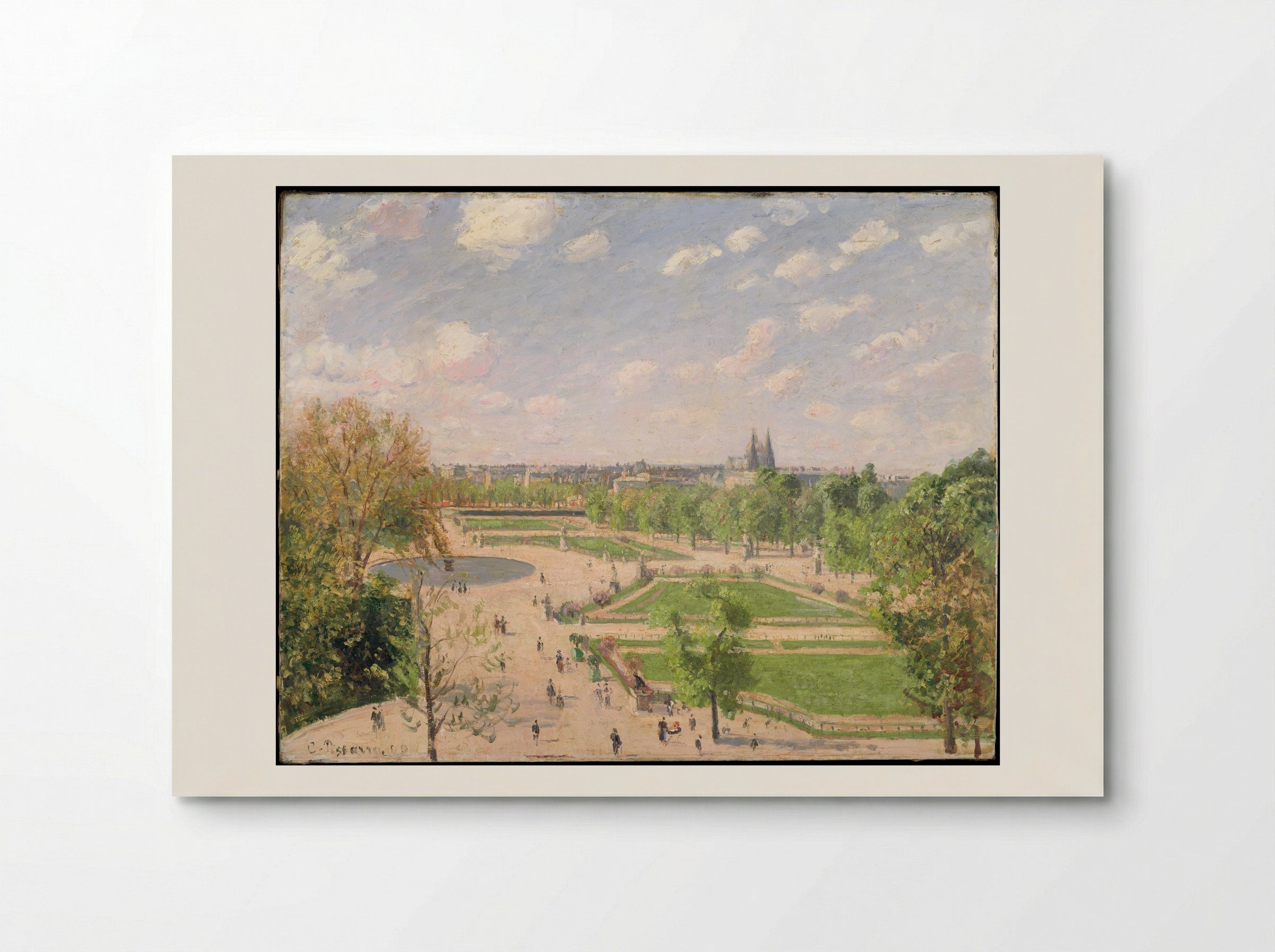 The Garden of the Tuileries on a Spring Morning - Camille Pissarro
Print
Regular price From $29.00 USDSale price From $29.00 USD Regular price -
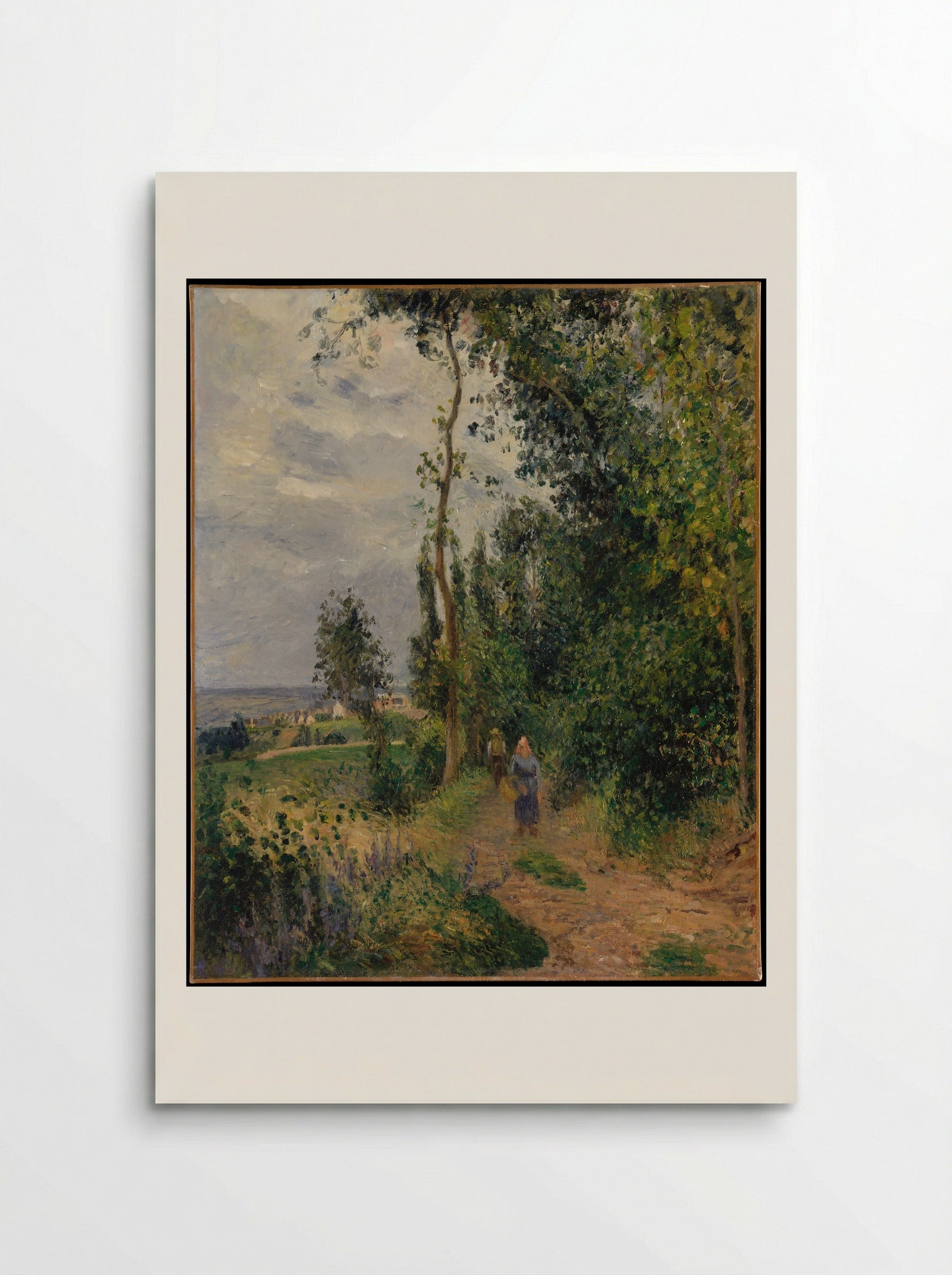 Côte des Grouettes, near Pontoise - Camille Pissarro
Print
Regular price From $29.00 USDSale price From $29.00 USD Regular price -
 Barges at Pontoise - Camille Pissarro
Print
Regular price From $29.00 USDSale price From $29.00 USD Regular price -
 Still Life with Apples and Pitcher - Camille Pissarro
Print
Regular price From $29.00 USDSale price From $29.00 USD Regular price -
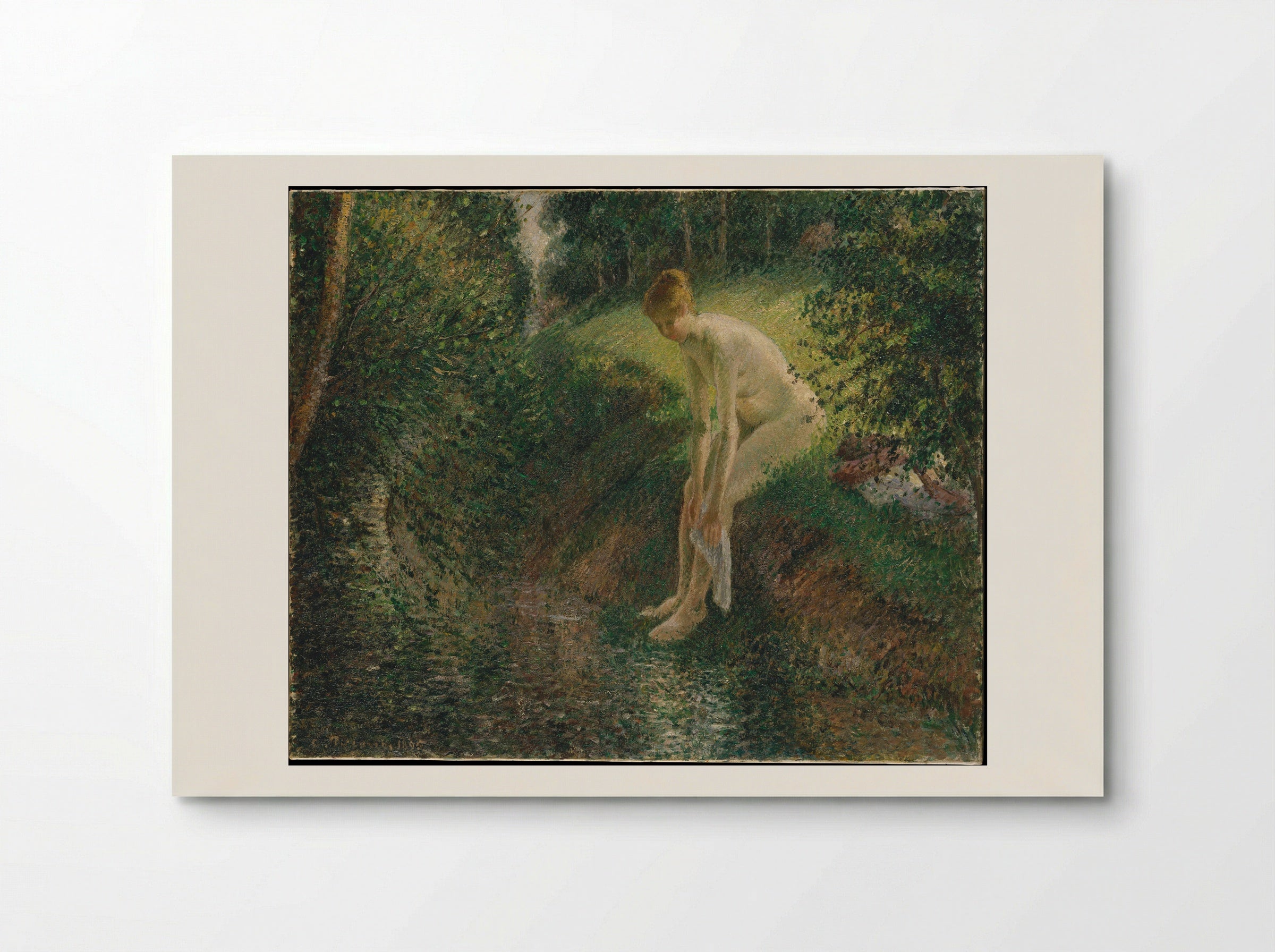 Bather in the Woods - Camille Pissarro
Print
Regular price From $29.00 USDSale price From $29.00 USD Regular price -
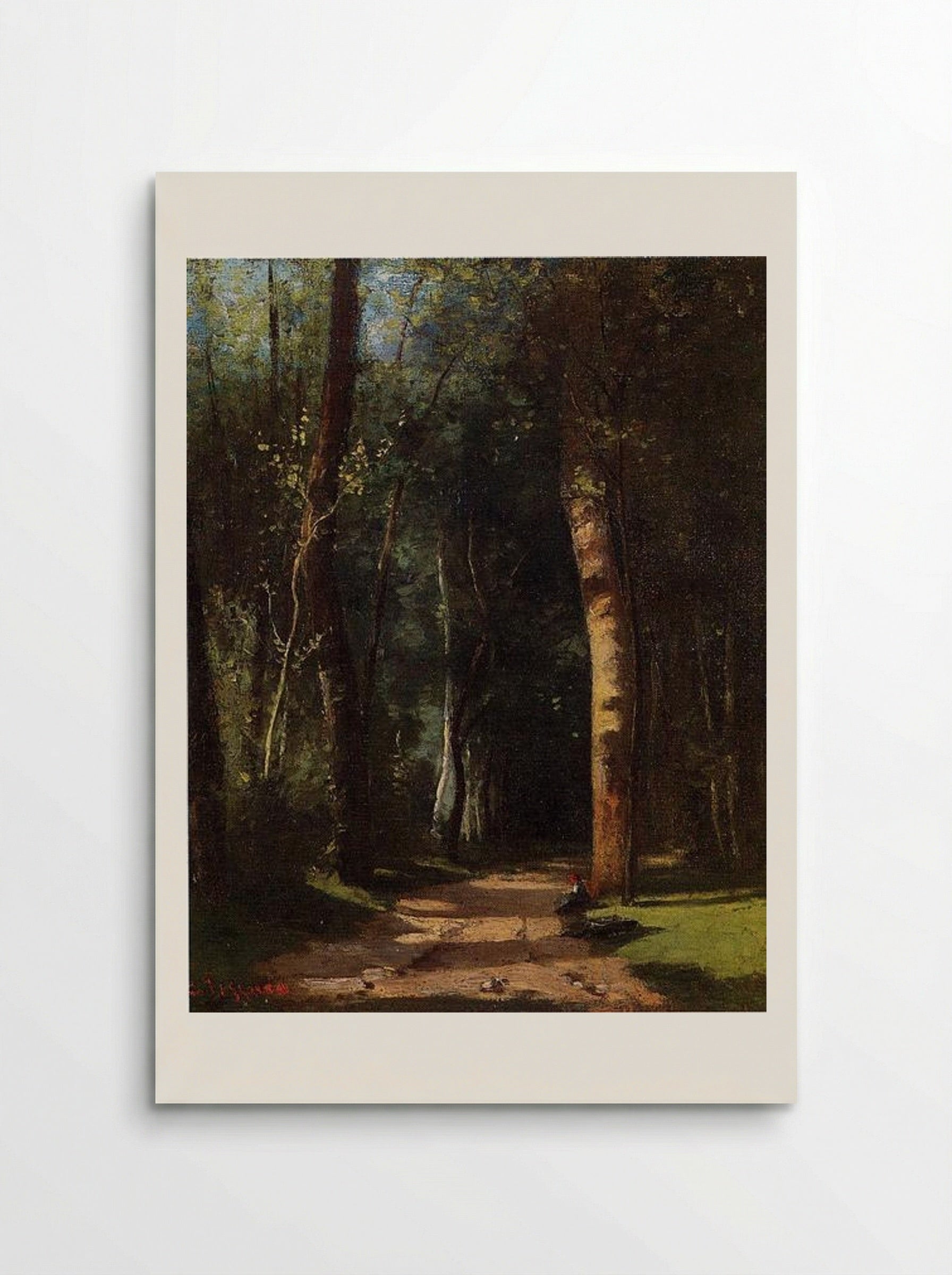
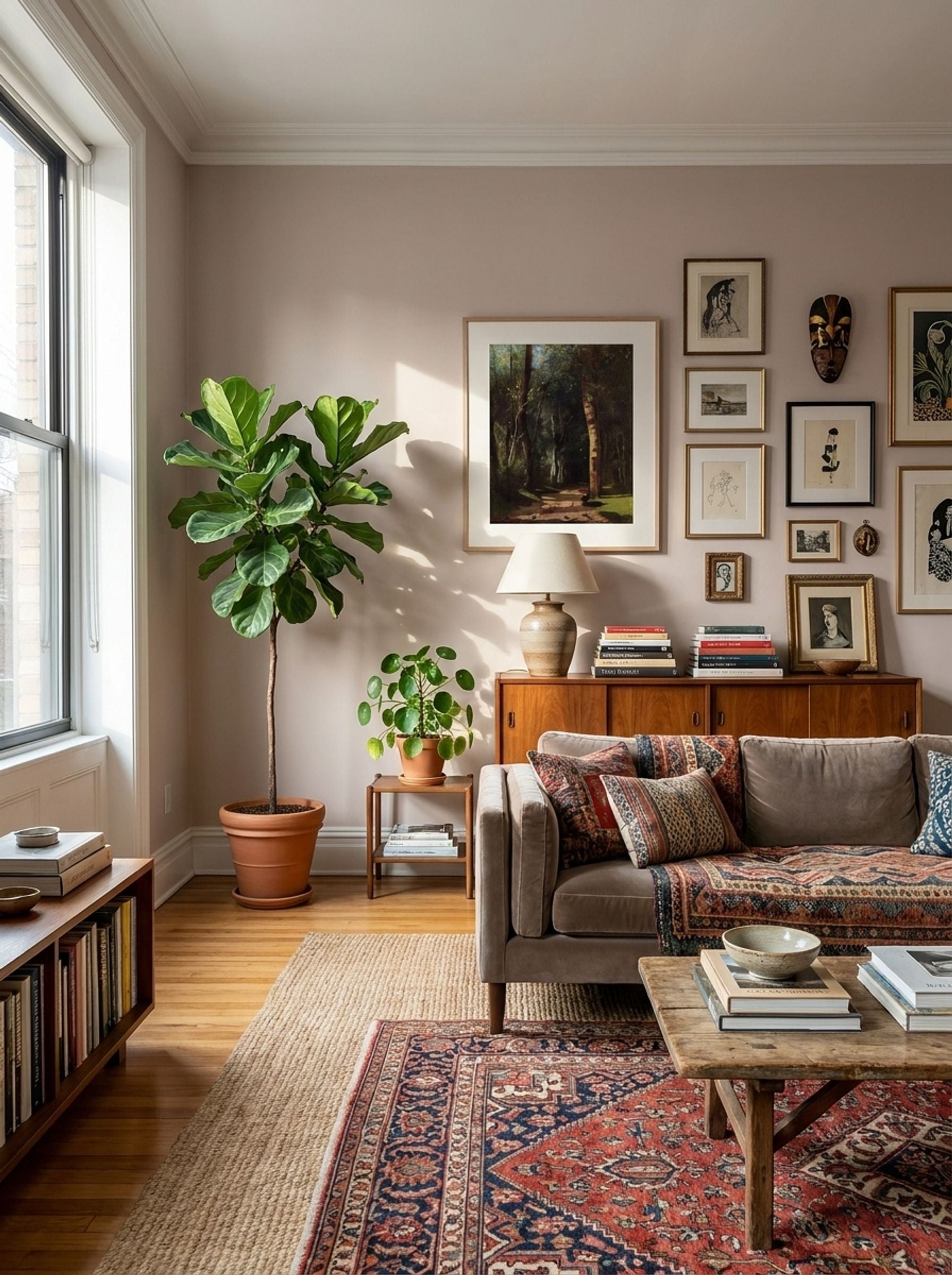 Path in the Woods at Pontoise - Camille Pissarro
Print · Framed
Regular price From $29.00 USDSale price From $29.00 USD Regular price -
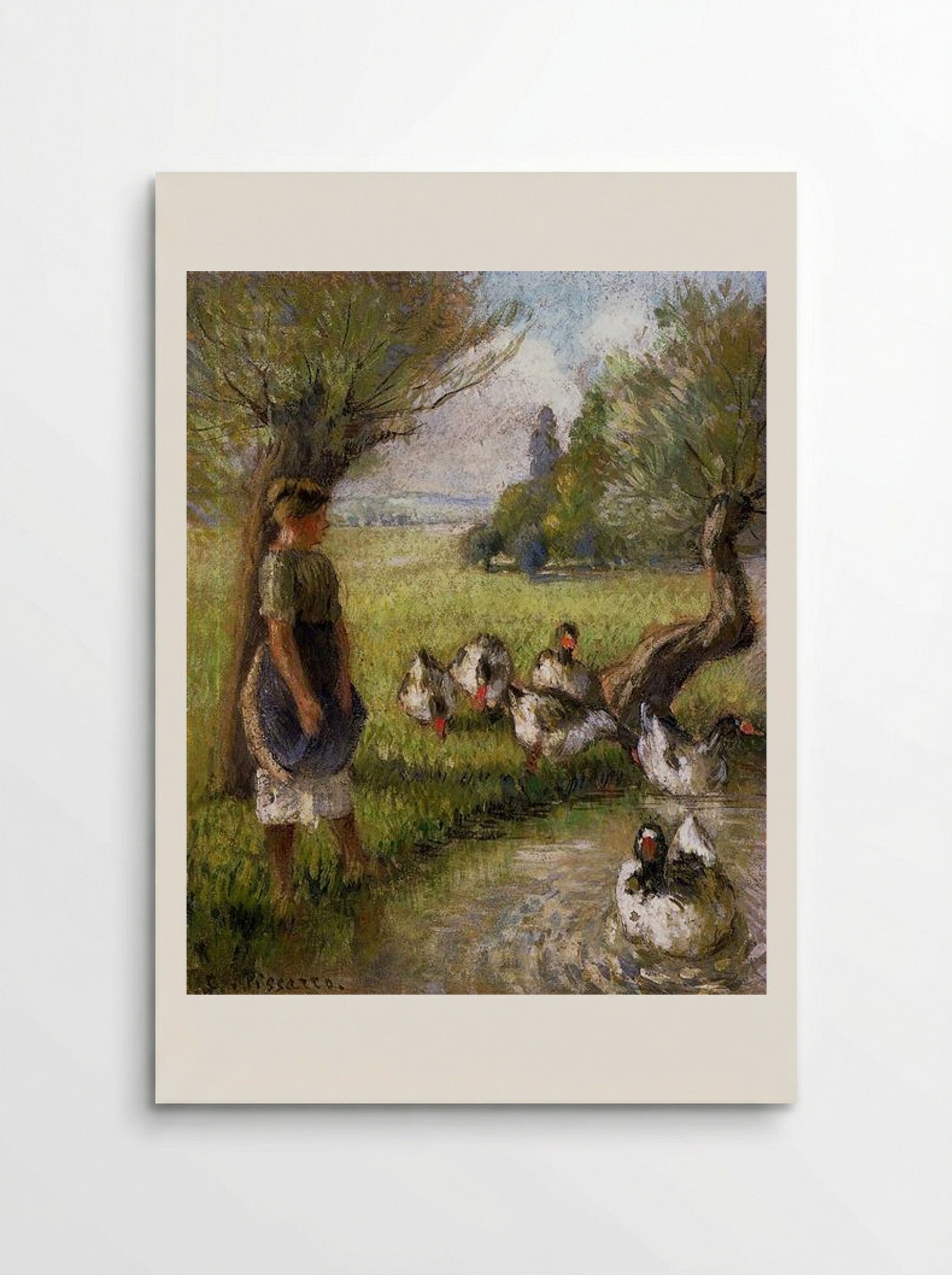
 Goose Girl - Camille Pissarro
Print · Framed
Regular price From $29.00 USDSale price From $29.00 USD Regular price -

 Woman Emptying a Wheelbarrow - Camille Pissarro
Print · Framed
Regular price From $29.00 USDSale price From $29.00 USD Regular price -

 Egg Market - Camille Pissarro
Print · Framed
Regular price From $29.00 USDSale price From $29.00 USD Regular price -
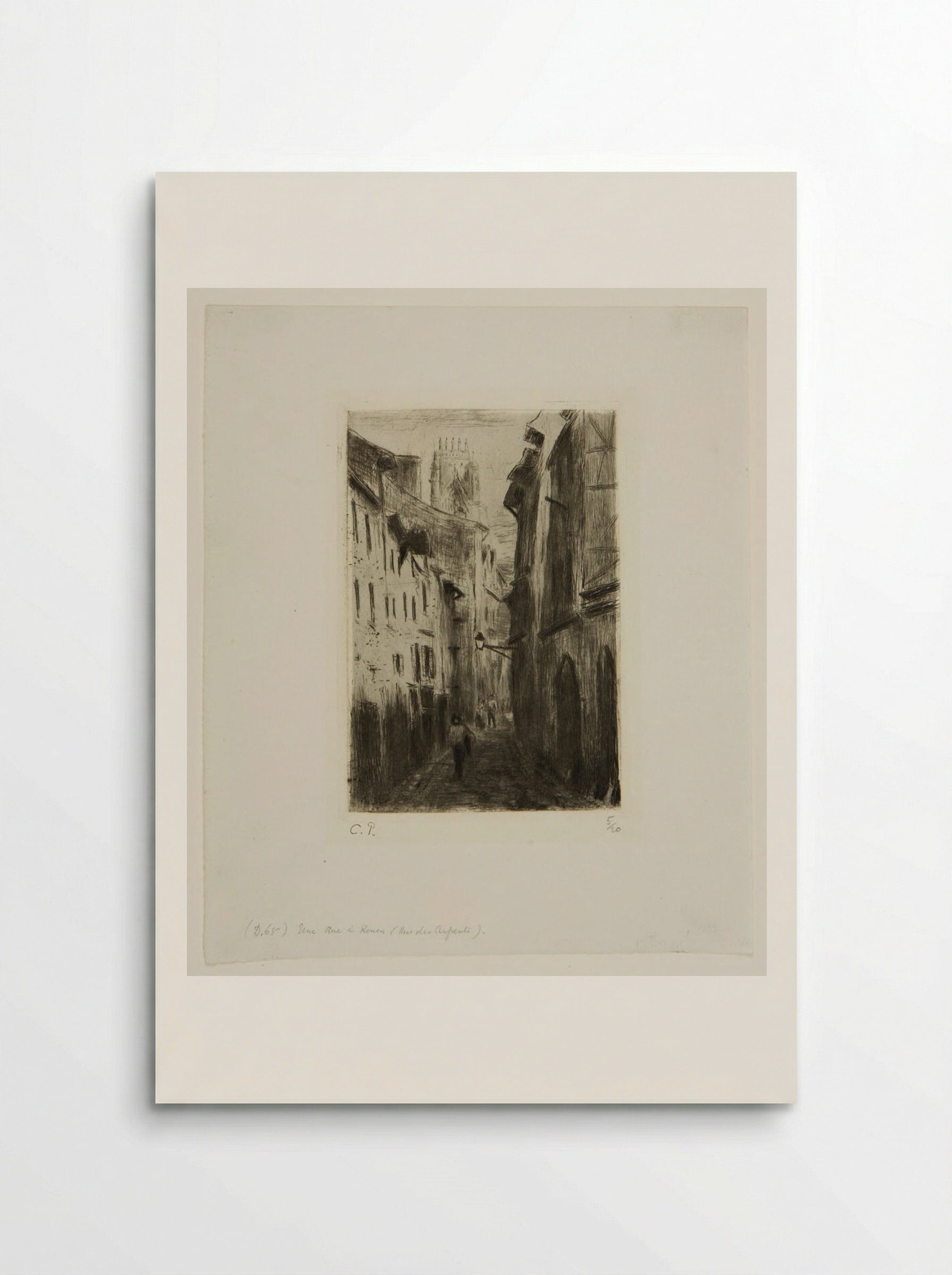
 A Street in Rouen (Rue des Arpents) - Camille Pissarro
Print · Framed
Regular price From $29.00 USDSale price From $29.00 USD Regular price -

 Farmyard - Camille Pissarro
Print · Framed
Regular price From $29.00 USDSale price From $29.00 USD Regular price -

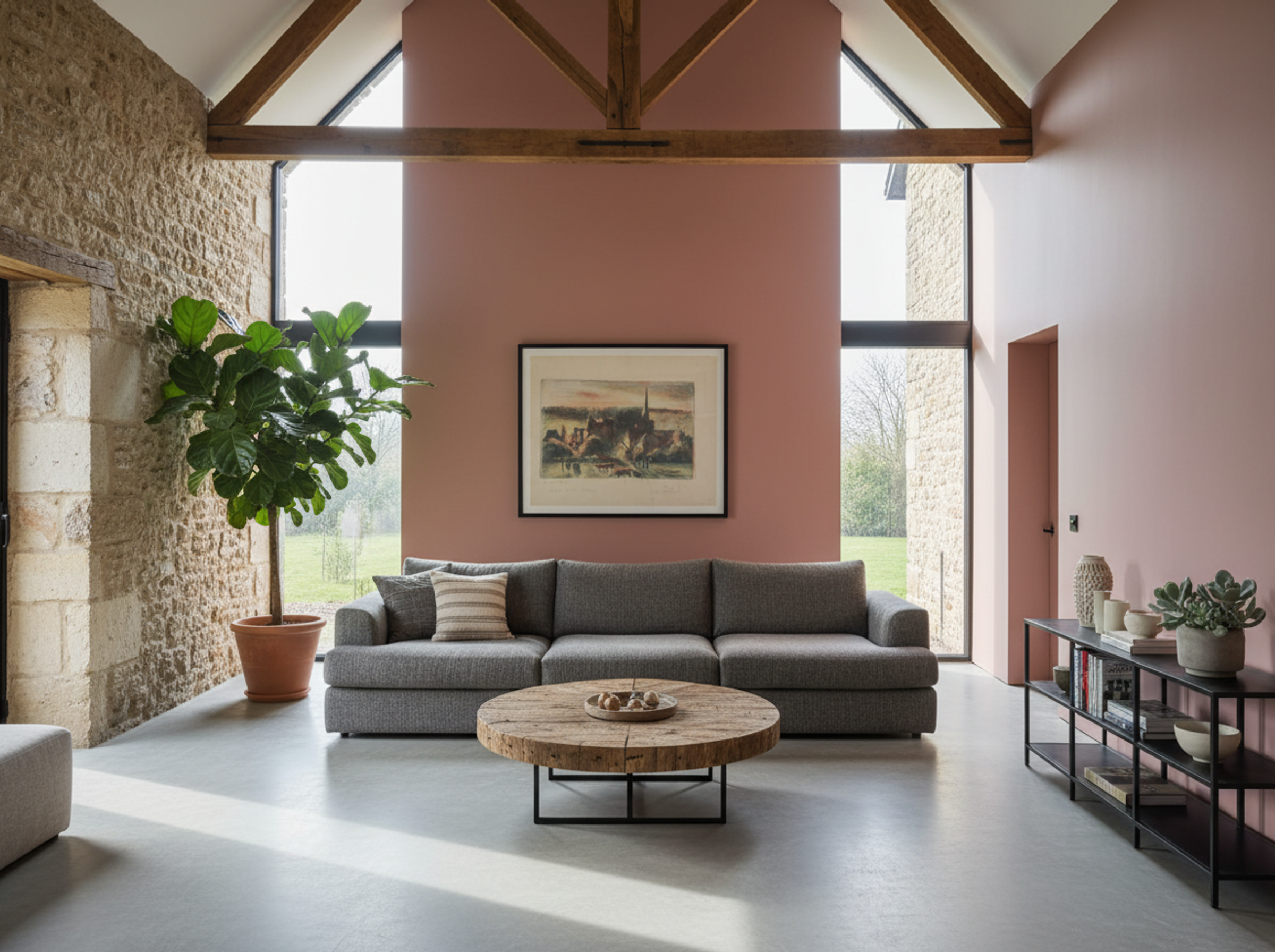 Church and Farm at Eragny - Camille Pissarro
Print · Framed
Regular price From $29.00 USDSale price From $29.00 USD Regular price -

 Self-Portrait (Camille Pissarro) - Camille Pissarro
Print · Framed
Regular price From $39.00 USDSale price From $39.00 USD Regular price -

 The Pork Butcher - Camille Pissarro
Print · Framed
Regular price From $29.00 USDSale price From $29.00 USD Regular price -
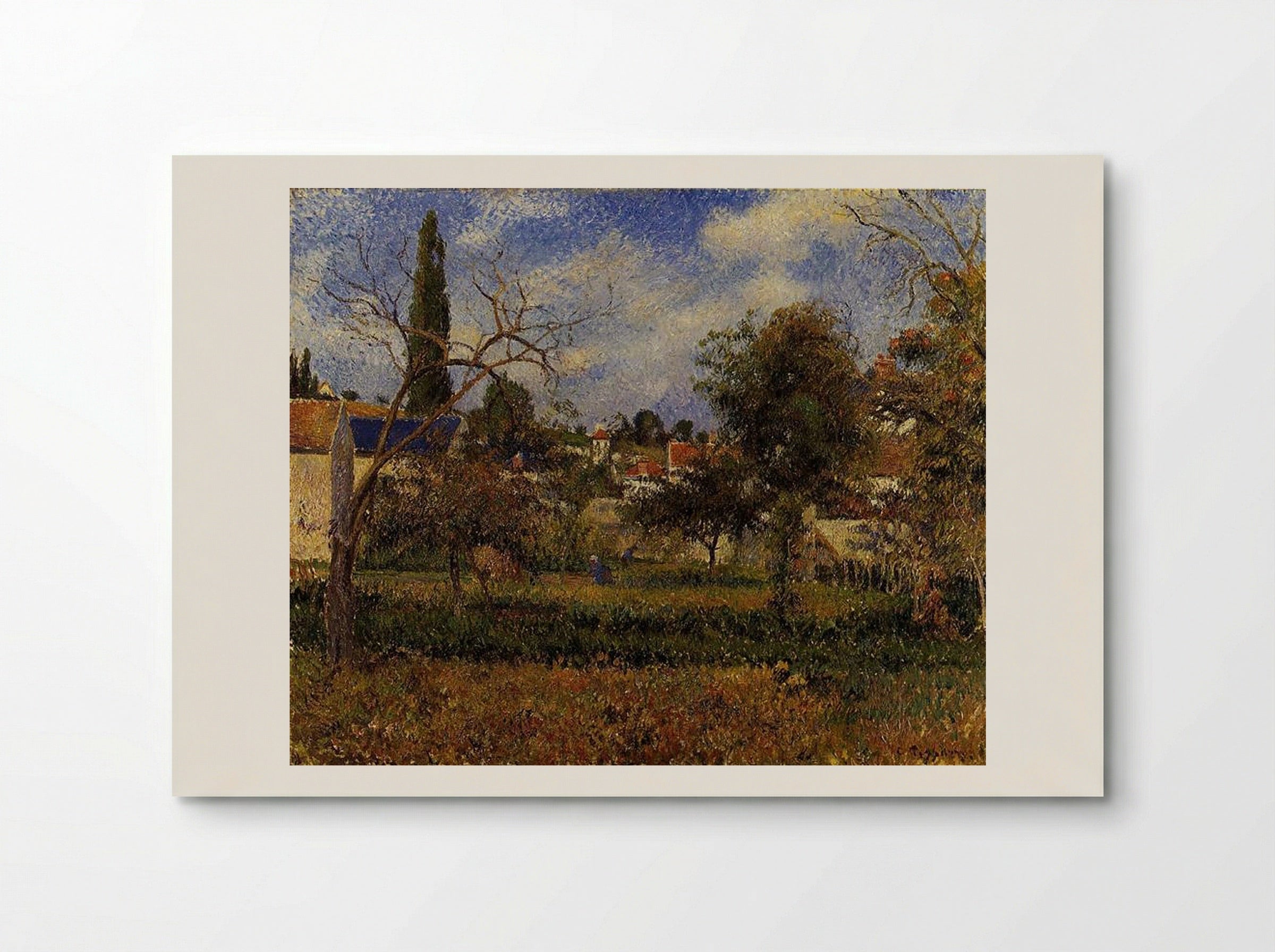
 Kitchen Gardens, Pontoise - Camille Pissarro
Print · Framed
Regular price From $29.00 USDSale price From $29.00 USD Regular price -
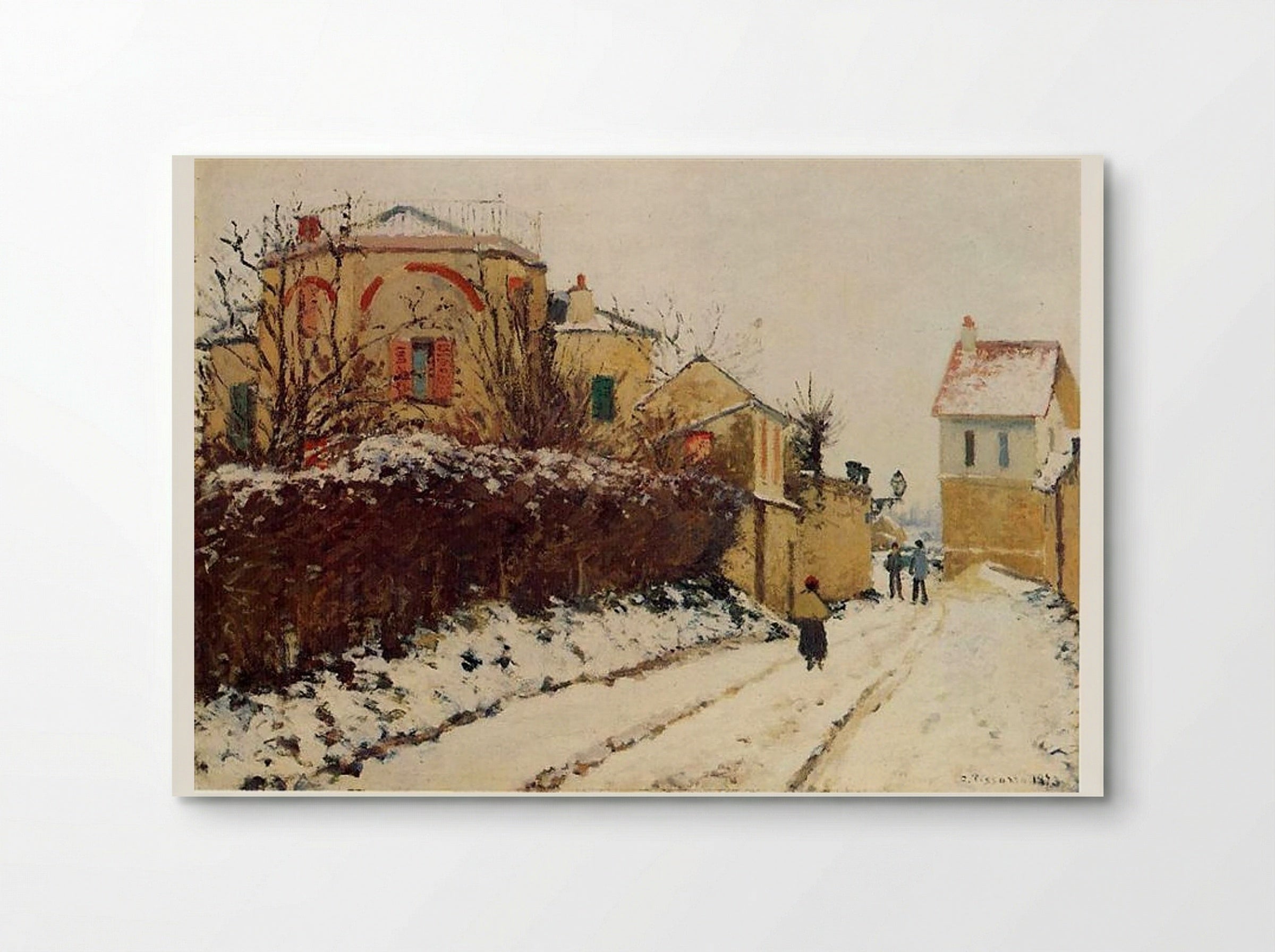
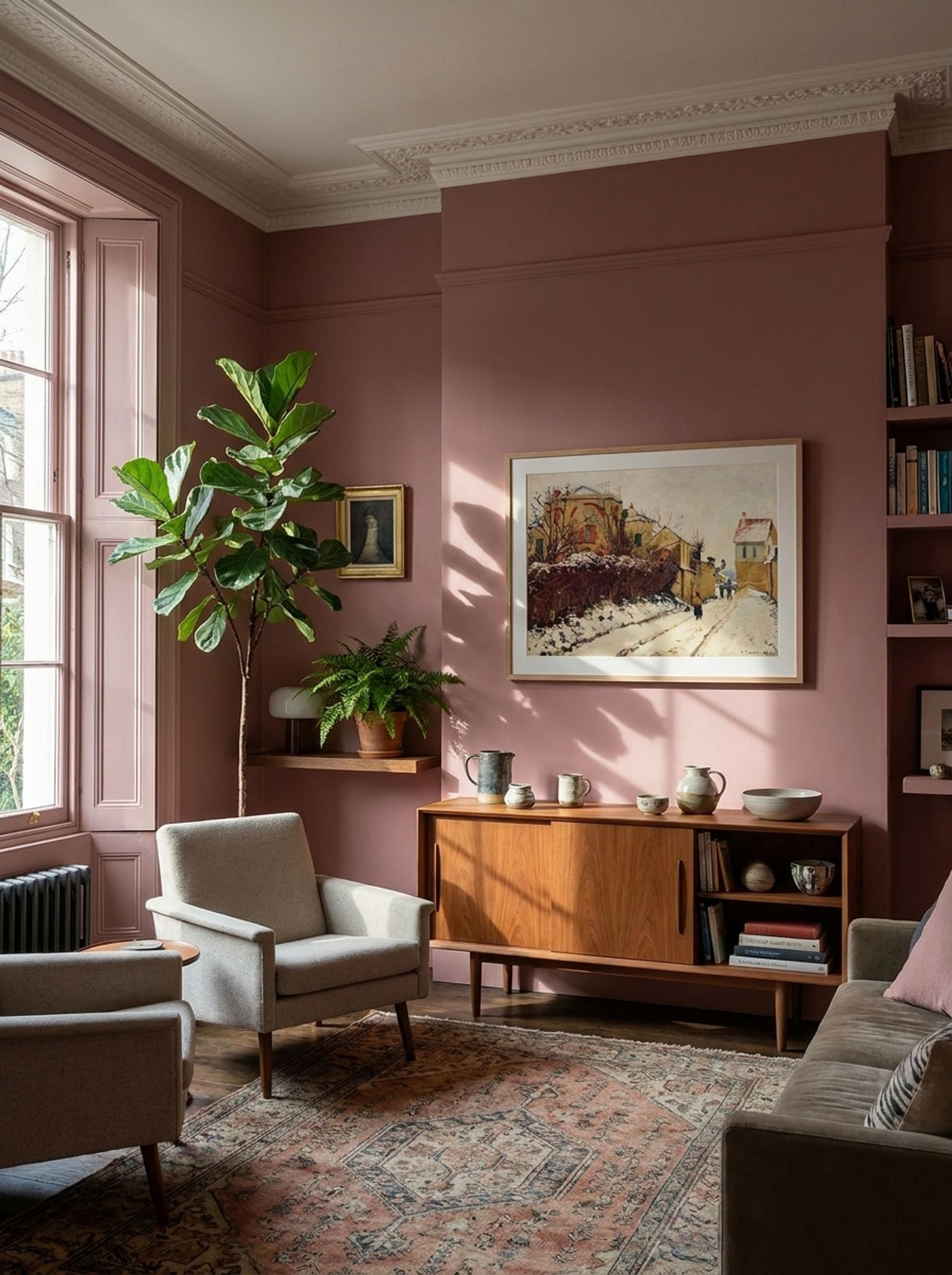 The Street of the Citadelle, Pontoise - Camille Pissarro
Print · Framed
Regular price From $29.00 USDSale price From $29.00 USD Regular price -
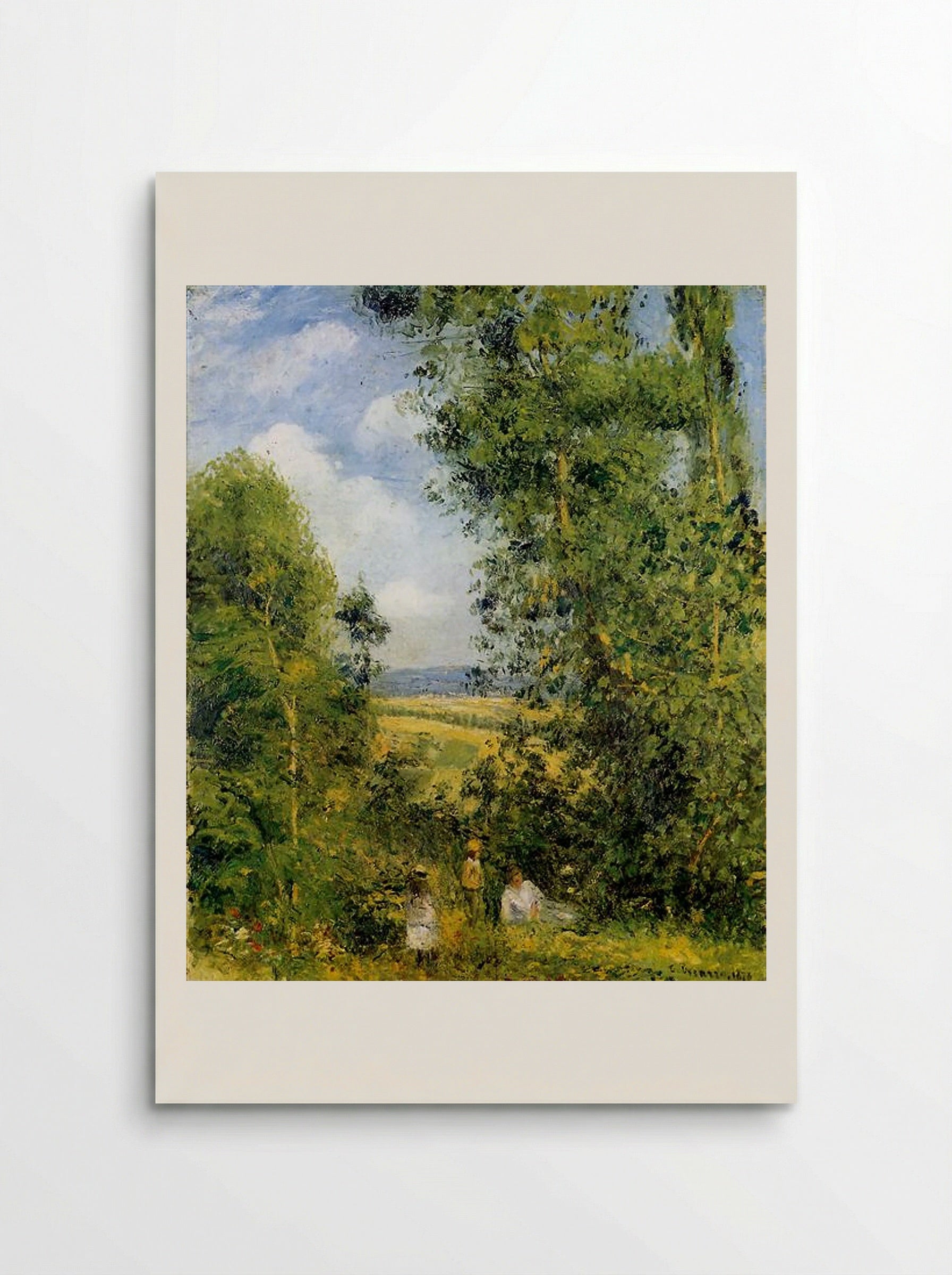
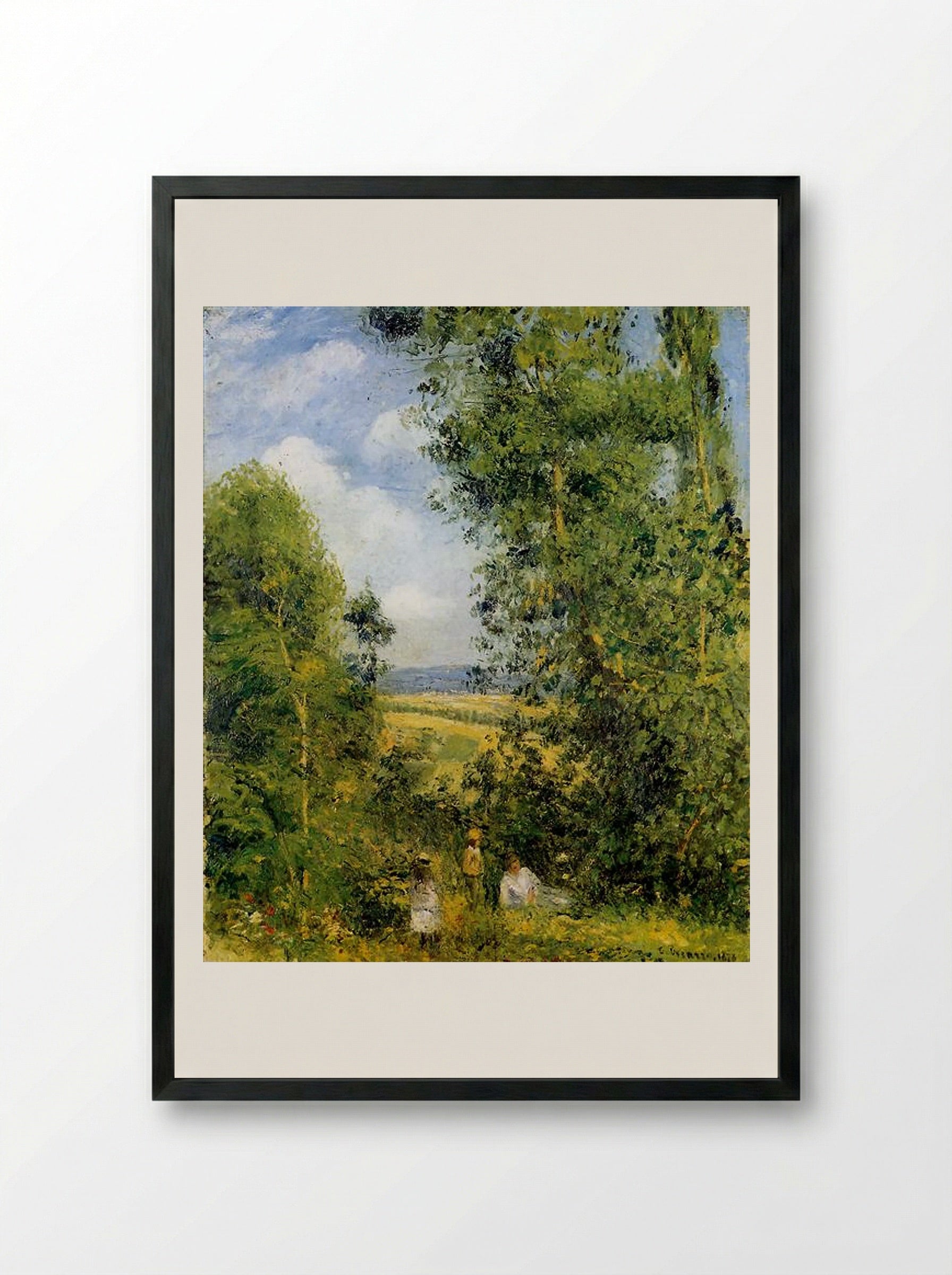 Resting in the Woods, Pontoise - Camille Pissarro
Print · Framed
Regular price From $29.00 USDSale price From $29.00 USD Regular price -
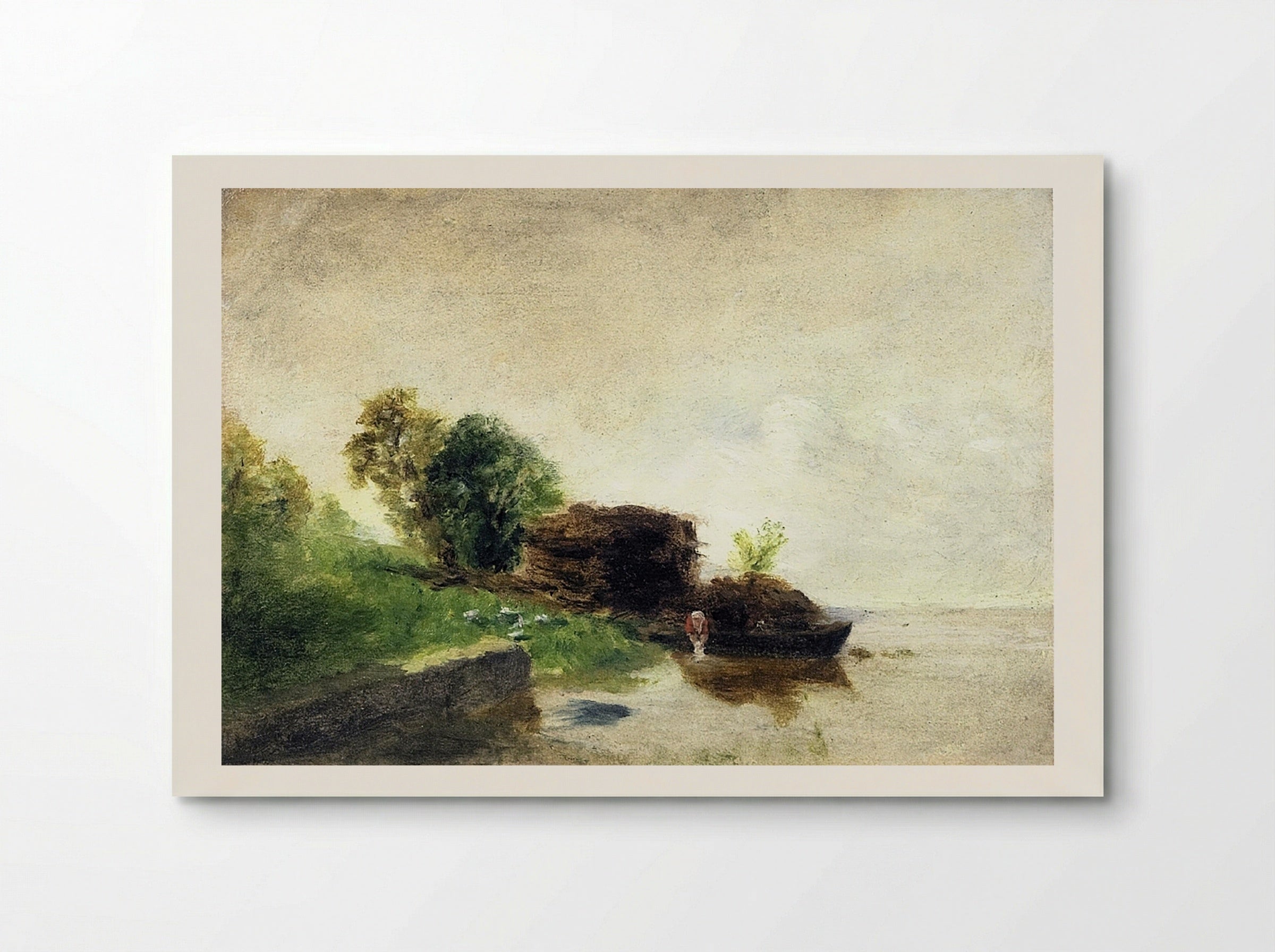
 Laundress on the Banks of the River - Fine Art Print
Print · Framed
Regular price From $29.00 USDSale price From $29.00 USD Regular price -
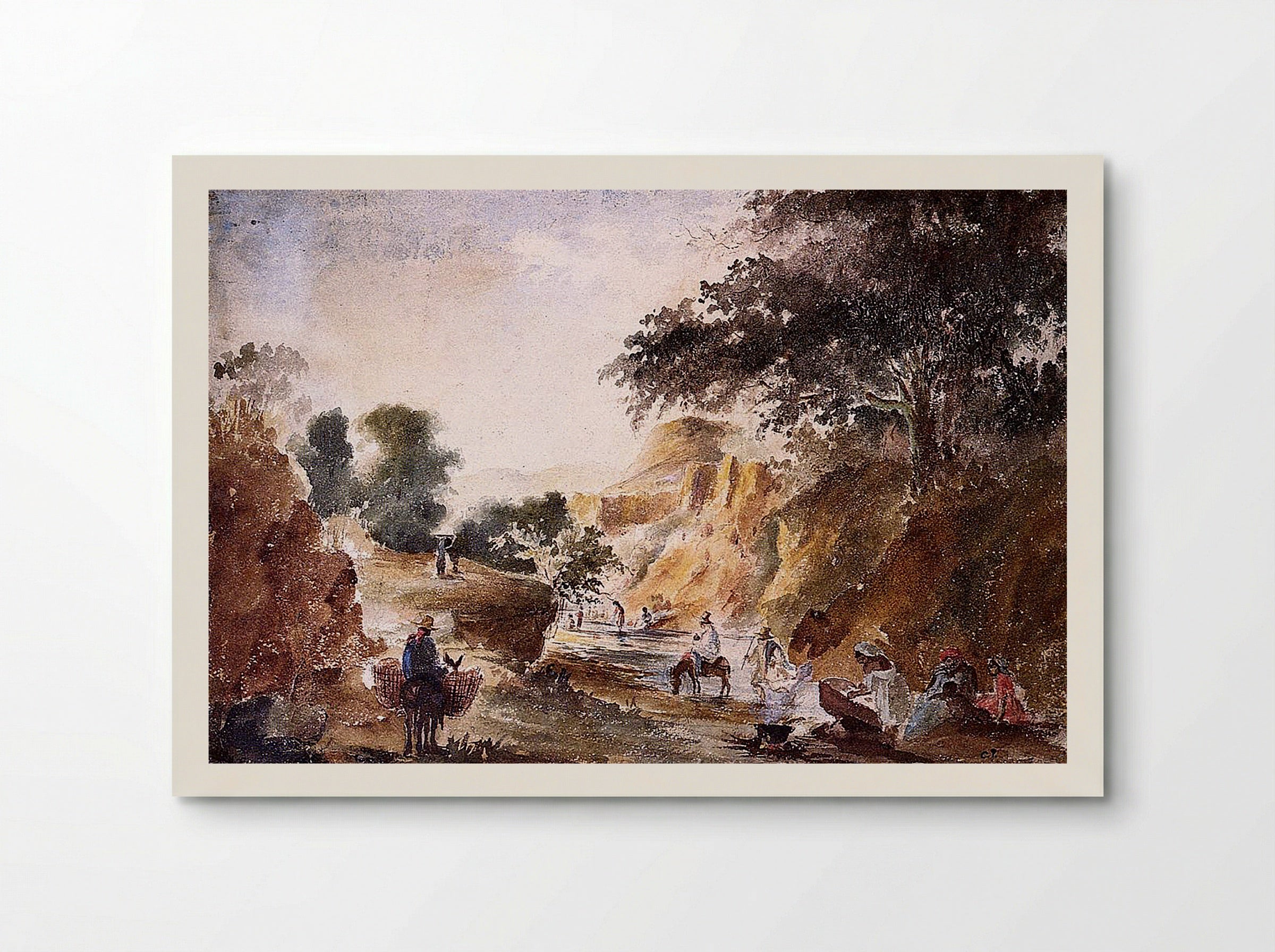
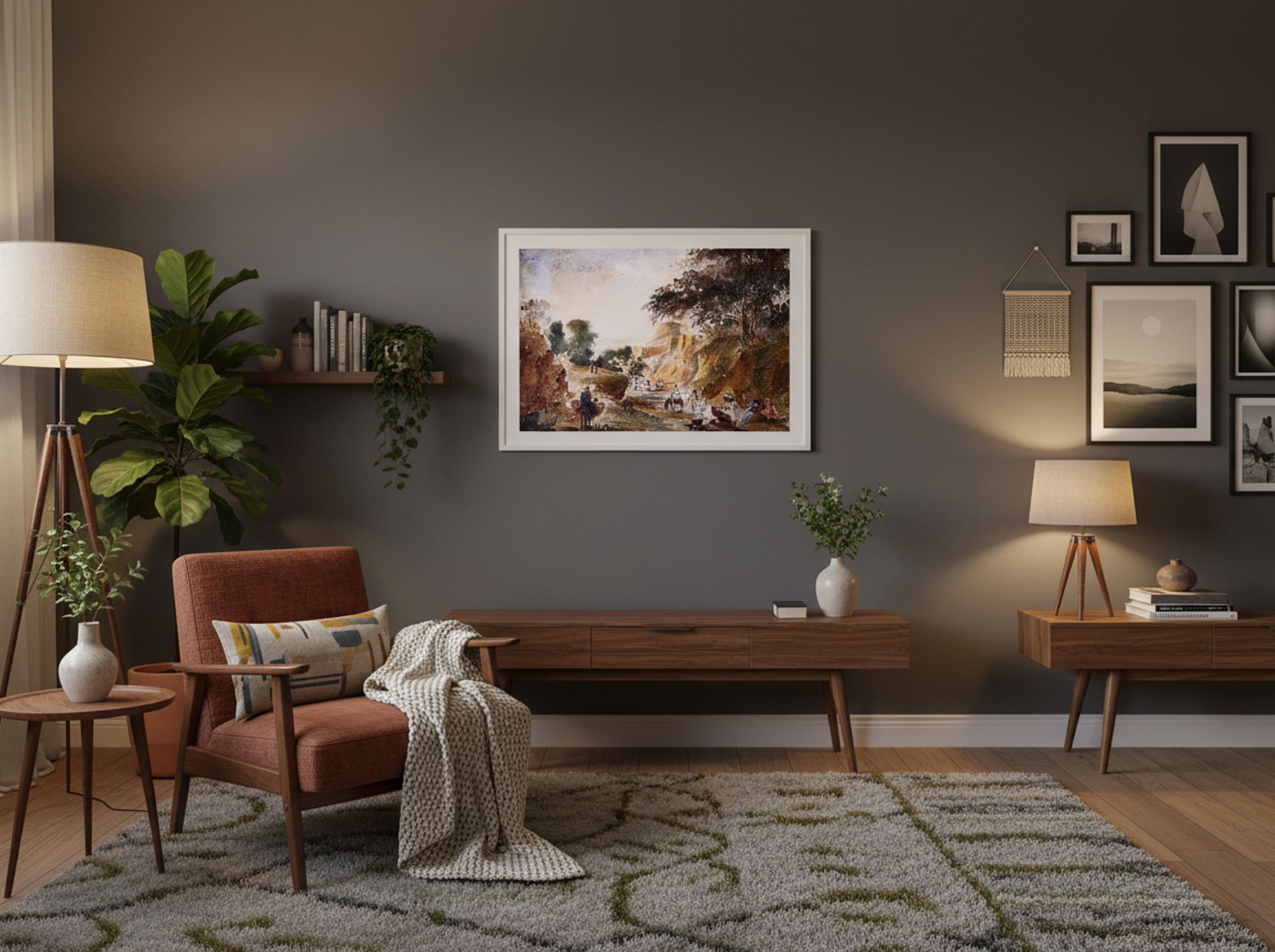 Landscape with Figures by a River - Fine Art Print
Print · Framed
Regular price From $29.00 USDSale price From $29.00 USD Regular price -

 Peasant with Hoe - Camille Pissarro
Print · Framed
Regular price From $29.00 USDSale price From $29.00 USD Regular price -
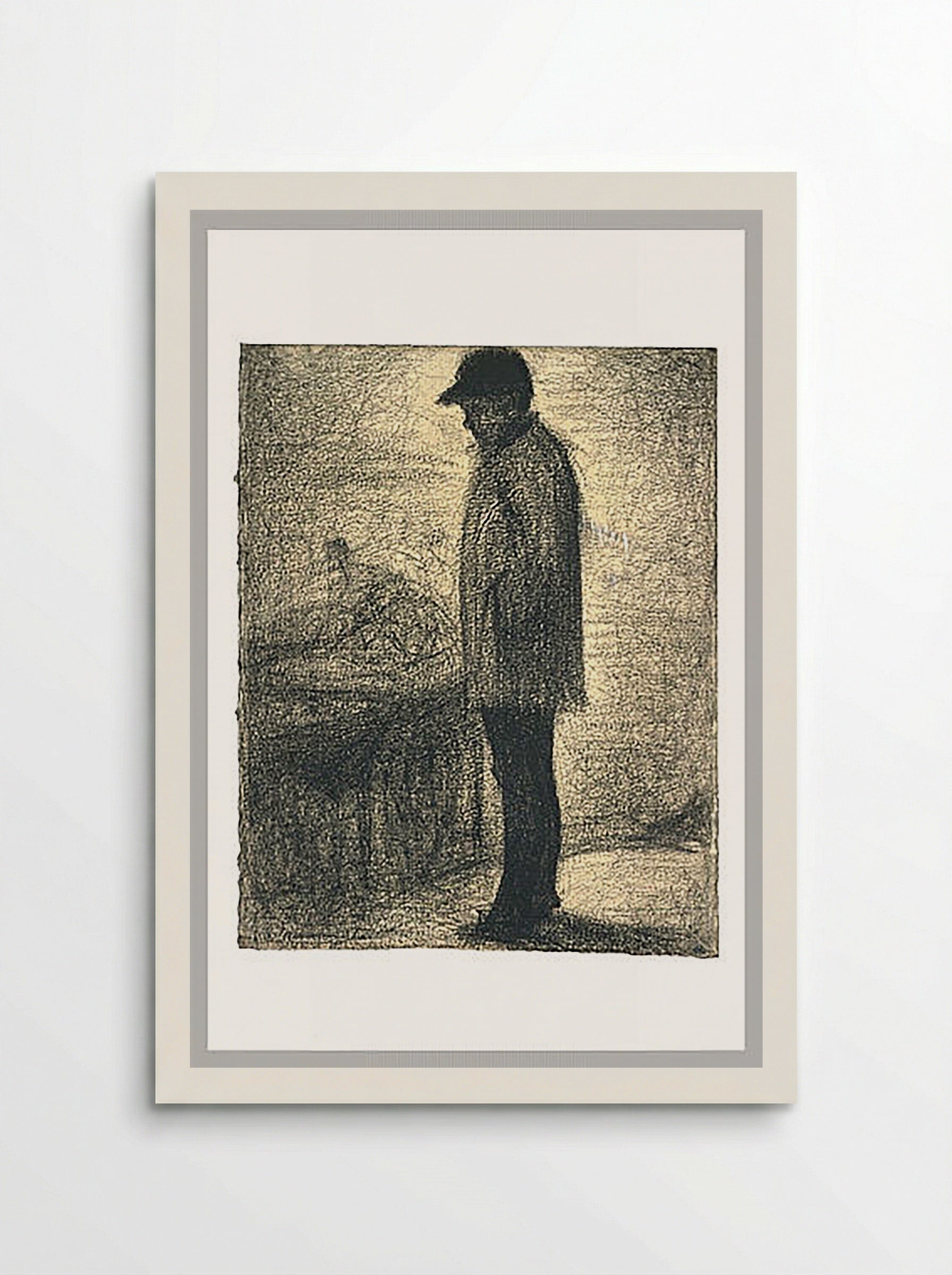
 The Orange Seller - Camille Pissarro
Print · Framed
Regular price From $29.00 USDSale price From $29.00 USD Regular price -
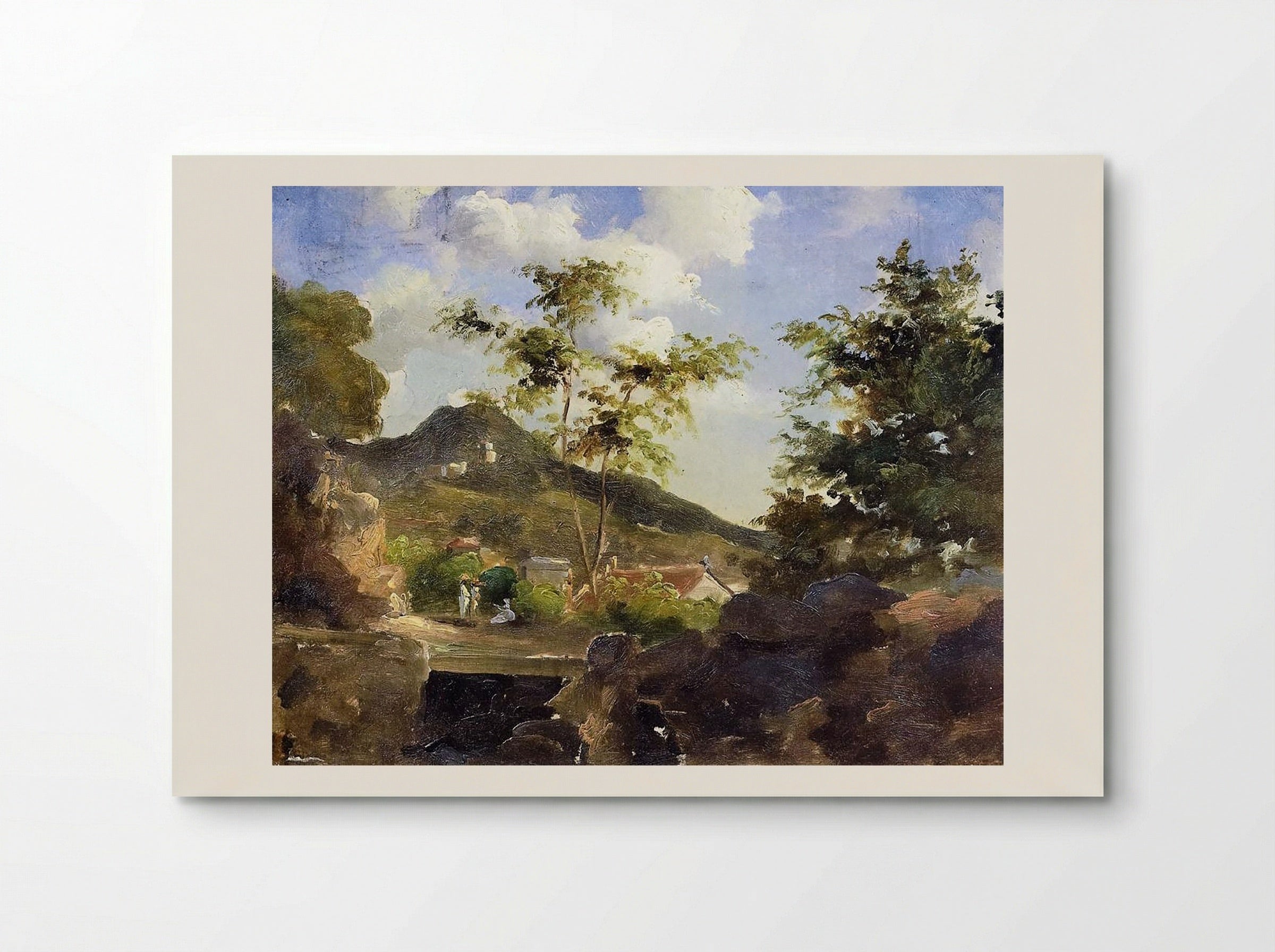
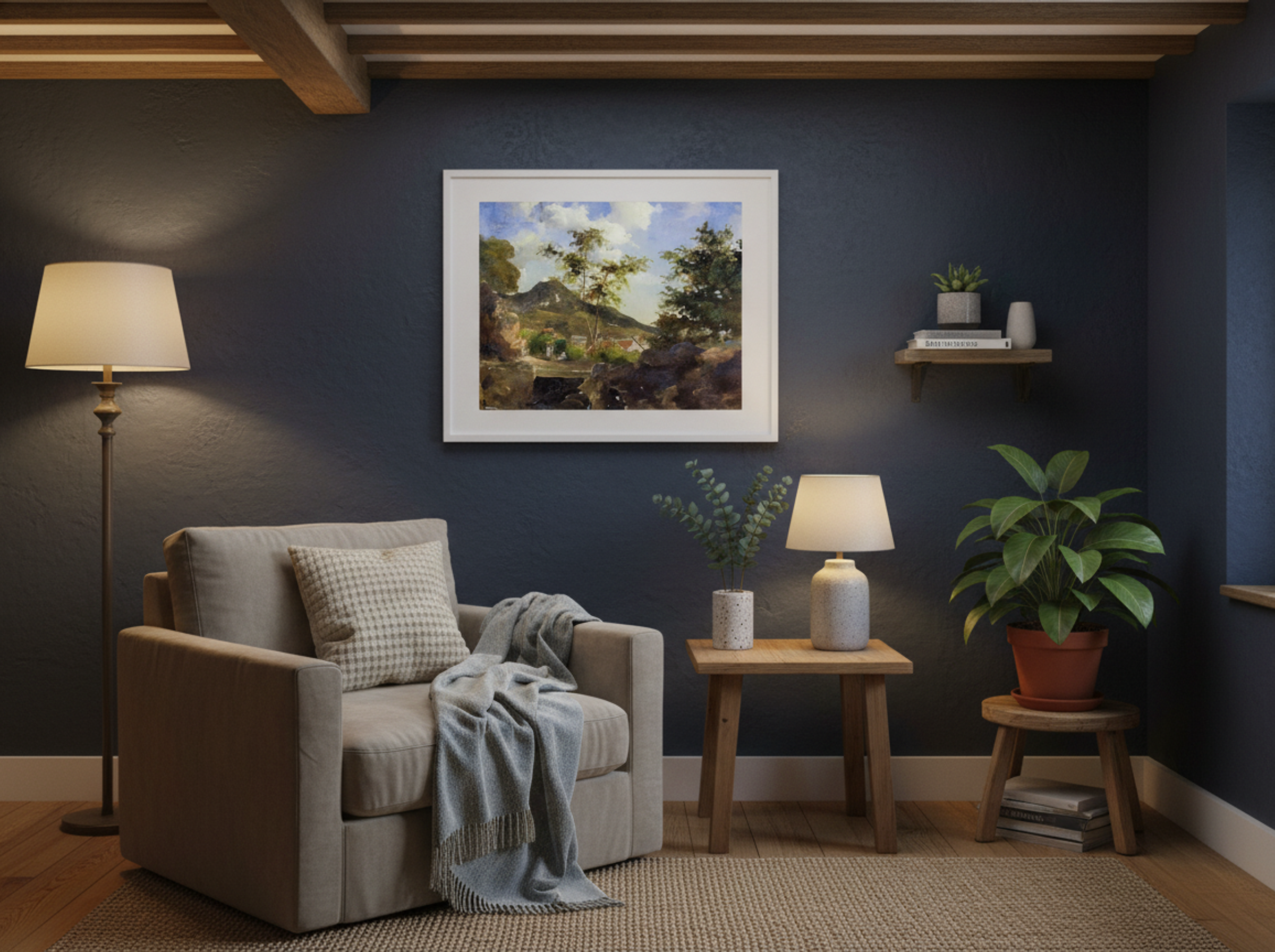 Village at the Foot of a Hill in Saint Thomas, Antilles - Camille Pissarro
Print · Framed
Regular price From $29.00 USDSale price From $29.00 USD Regular price -
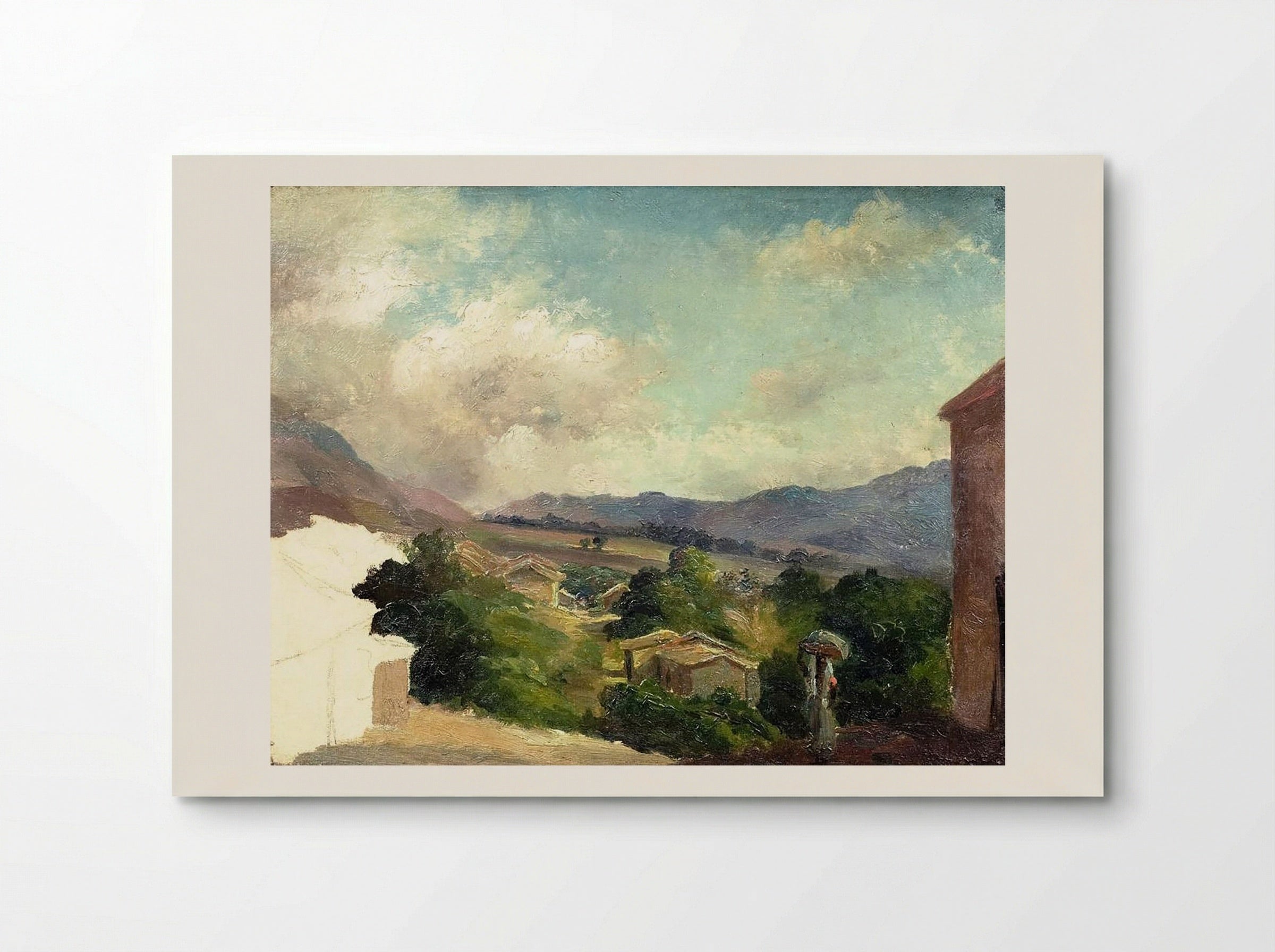
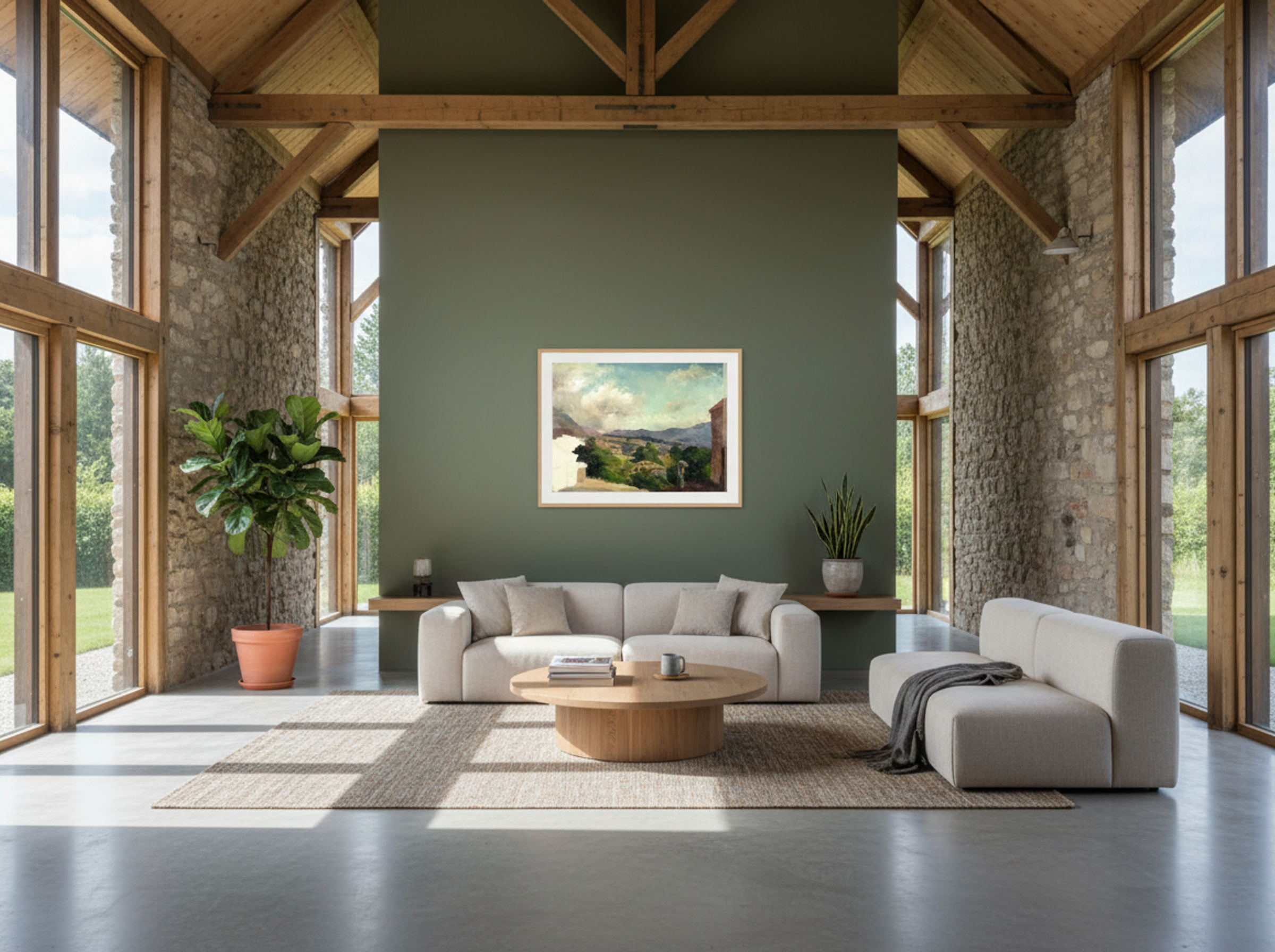 Mountain Landscape at Saint Thomas, Antilles (Unfinished) - Camille Pissarro
Print · Framed
Regular price From $29.00 USDSale price From $29.00 USD Regular price


Artist Biography
Camille Pissarro
Pissarro was the only Impressionist with a big police file. He was a lifelong anarchist, influenced by Kropotkin and Proudhon, and his conviction in the need for social revolution was not theoretical. He was also the only artist to show at all eight Paris Impressionist exhibitions, from 1874 to 1886. Nobody else managed that.
He was born in 1830 in Charlotte Amalie, St Thomas, in the Danish West Indies. His father was a Portuguese Sephardic Jew; his mother was from the Dominican Republic. He grew up playing with children of African descent on the island, which may have seeded his later egalitarianism. In 1849 he met the Danish painter Fritz Melbye on St Thomas, who convinced him to paint full-time. He left for Paris.
He became the group's mentor, the elder statesman who taught without condescension. Cezanne, Gauguin, and later Seurat and Signac all learned from him. He introduced Cezanne to plein air painting and persuaded him to lighten his palette. He championed Gauguin when others were sceptical. When Seurat and Signac developed Pointillism, Pissarro was the first established Impressionist to adopt the technique, displaying new pointillist work alongside theirs at the 1886 exhibition. He said it was the next phase in the logical march of Impressionism. He later abandoned it, calling the system too artificial.
From about his late forties, he suffered chronic dacryocystitis, an infection of the tear duct in his left eye. Dust and wind aggravated it badly. This forced him to paint indoors, behind closed windows, and directly changed his subject matter. The rural landscapes gave way to Parisian boulevards and crowds, viewed from hotel rooms above the street. The late paintings of Rouen, Paris, and Le Havre, with their elevated perspectives and atmospheric light, were partly a medical adaptation.
He died in 1903 in Paris, aged seventy-three.
He was born in 1830 in Charlotte Amalie, St Thomas, in the Danish West Indies. His father was a Portuguese Sephardic Jew; his mother was from the Dominican Republic. He grew up playing with children of African descent on the island, which may have seeded his later egalitarianism. In 1849 he met the Danish painter Fritz Melbye on St Thomas, who convinced him to paint full-time. He left for Paris.
He became the group's mentor, the elder statesman who taught without condescension. Cezanne, Gauguin, and later Seurat and Signac all learned from him. He introduced Cezanne to plein air painting and persuaded him to lighten his palette. He championed Gauguin when others were sceptical. When Seurat and Signac developed Pointillism, Pissarro was the first established Impressionist to adopt the technique, displaying new pointillist work alongside theirs at the 1886 exhibition. He said it was the next phase in the logical march of Impressionism. He later abandoned it, calling the system too artificial.
From about his late forties, he suffered chronic dacryocystitis, an infection of the tear duct in his left eye. Dust and wind aggravated it badly. This forced him to paint indoors, behind closed windows, and directly changed his subject matter. The rural landscapes gave way to Parisian boulevards and crowds, viewed from hotel rooms above the street. The late paintings of Rouen, Paris, and Le Havre, with their elevated perspectives and atmospheric light, were partly a medical adaptation.
He died in 1903 in Paris, aged seventy-three.


Why Choose Us ?