

Collection
Frida Kahlo
Explore curated art prints selected for distinctive homes and considered interiors.
Suggested filters
-
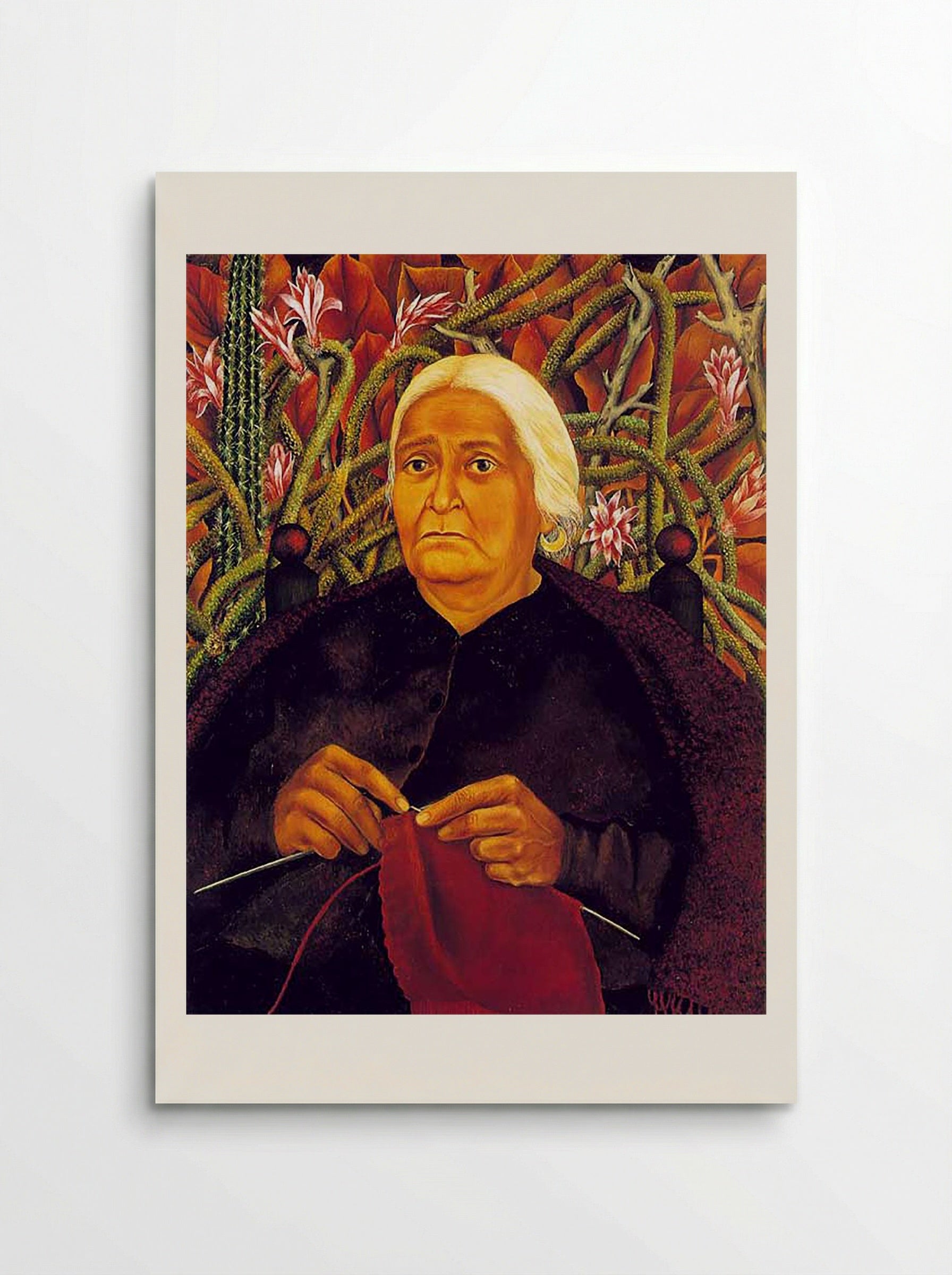
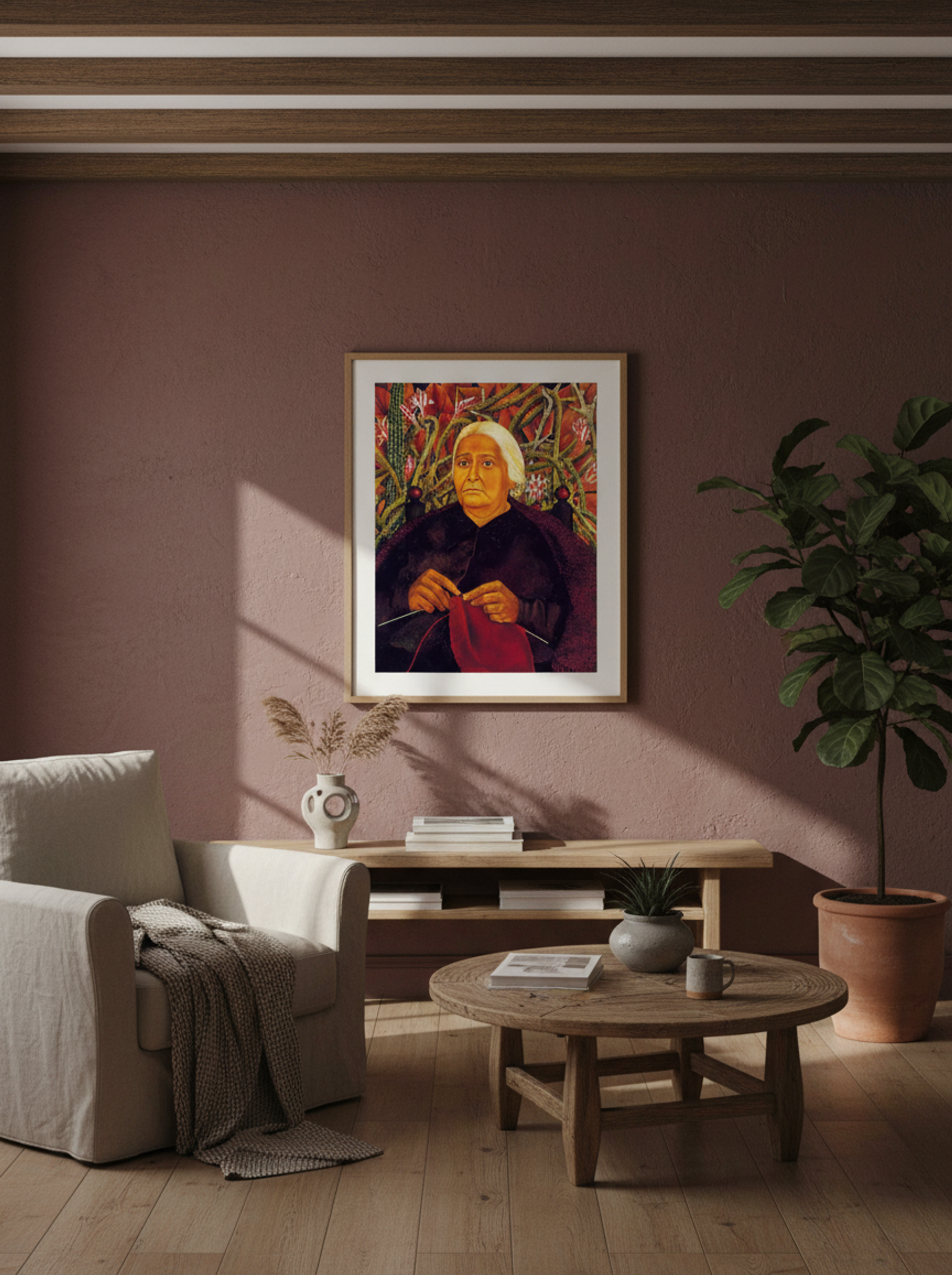 Portrait of Doña Rosita Morillo - Frida Kahlo
Print · Framed
Regular price From $29.00 USDSale price From $29.00 USD Regular price -
 The Bride Frightened at Seeing Life Opened - Frida Kahlo
Print · Framed
Regular price From $29.00 USDSale price From $29.00 USD Regular price -
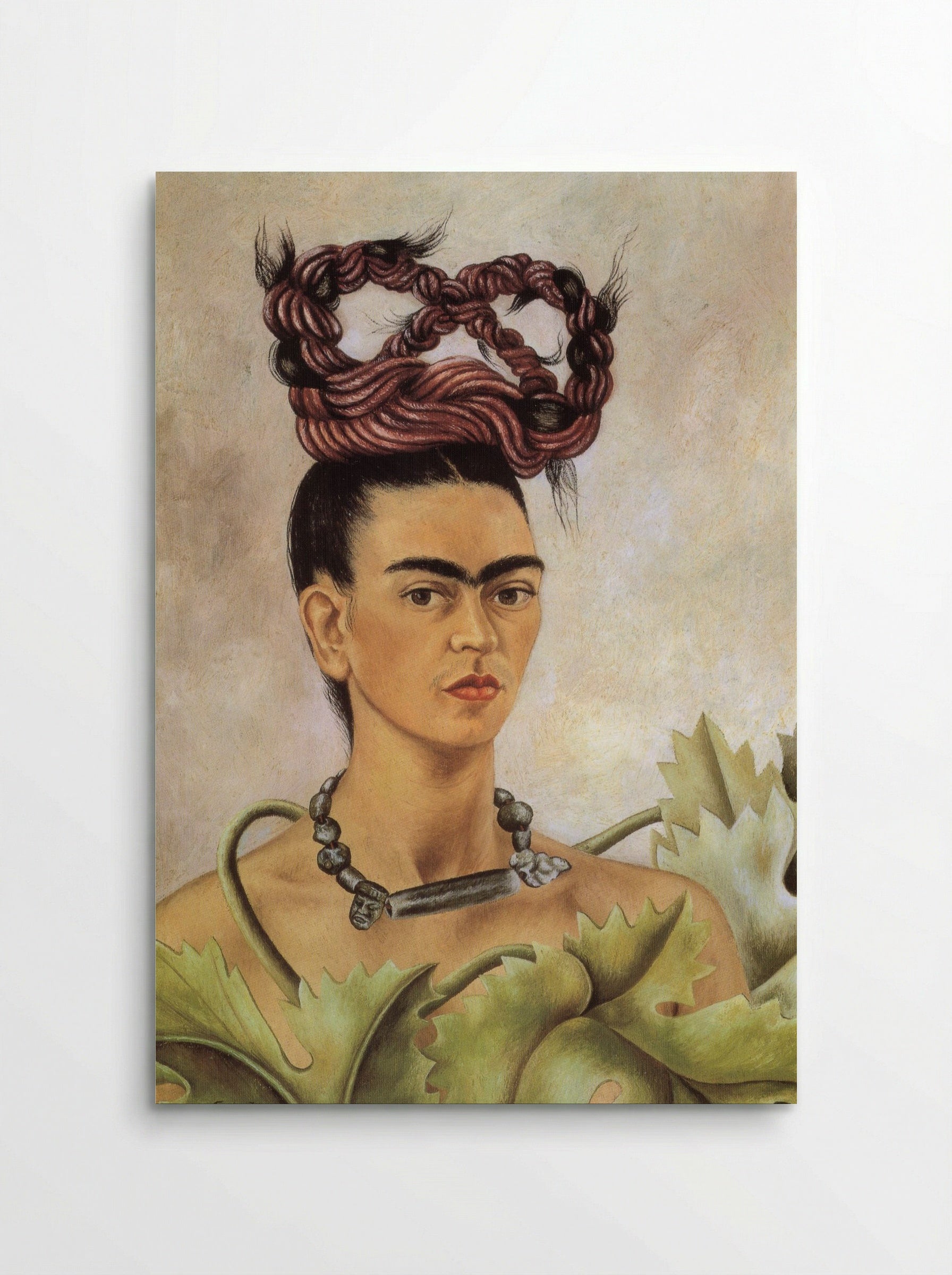
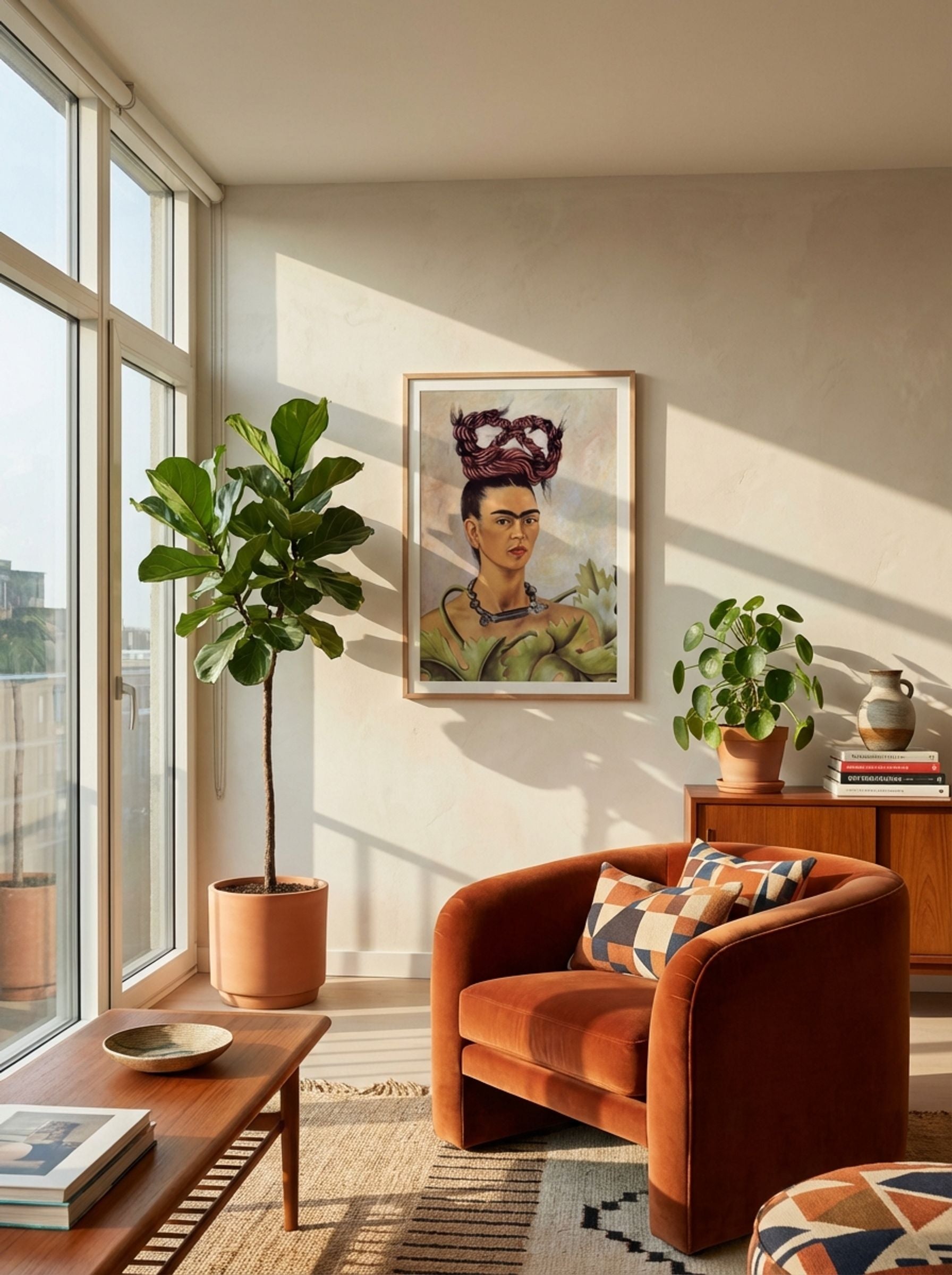 Self-Portrait with Braid - Frida Kahlo
Print · Framed
Regular price From $29.00 USDSale price From $29.00 USD Regular price -
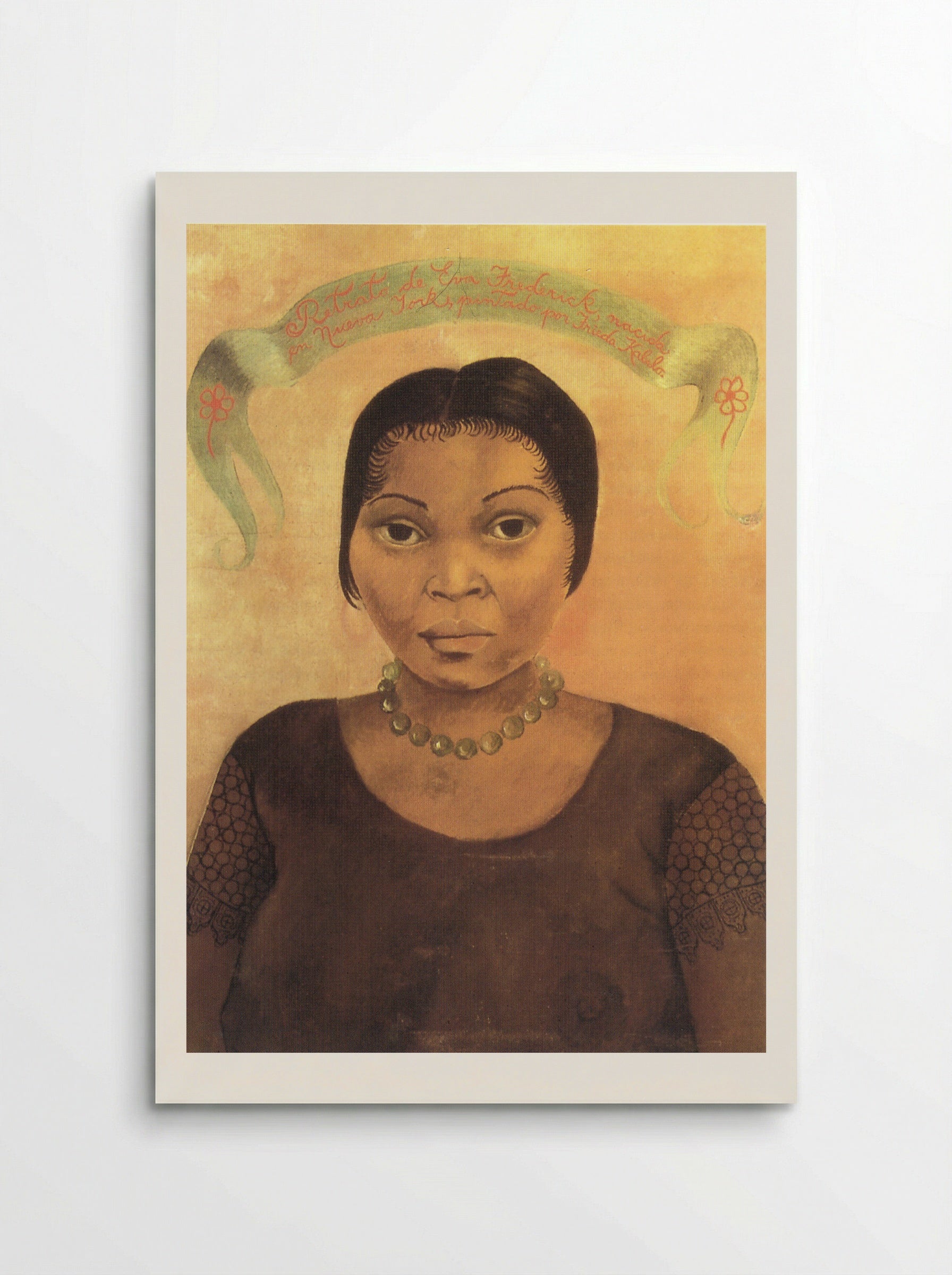
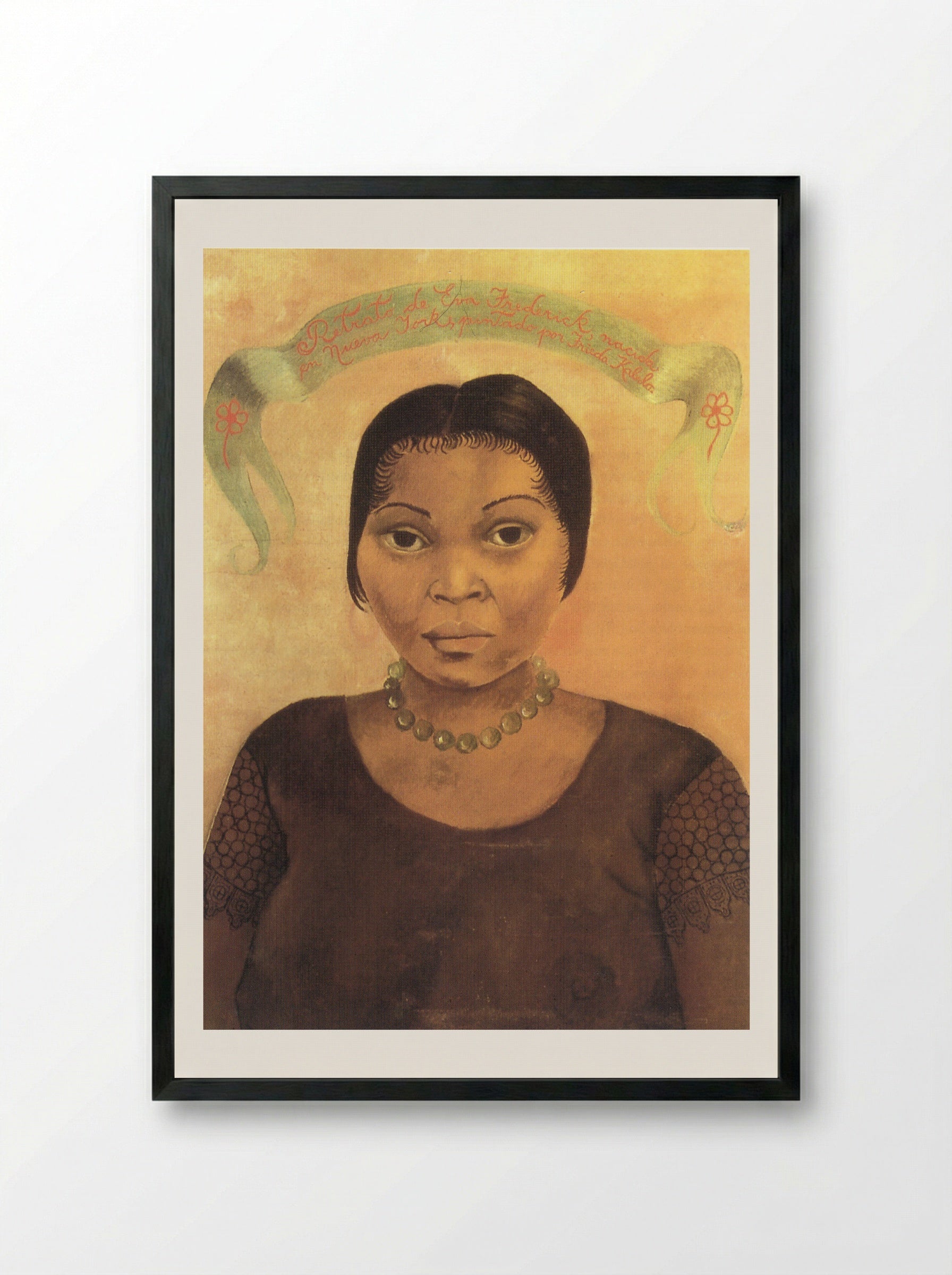 Portrait of Eva Frederick - Frida Kahlo
Print · Framed
Regular price From $29.00 USDSale price From $29.00 USD Regular price -
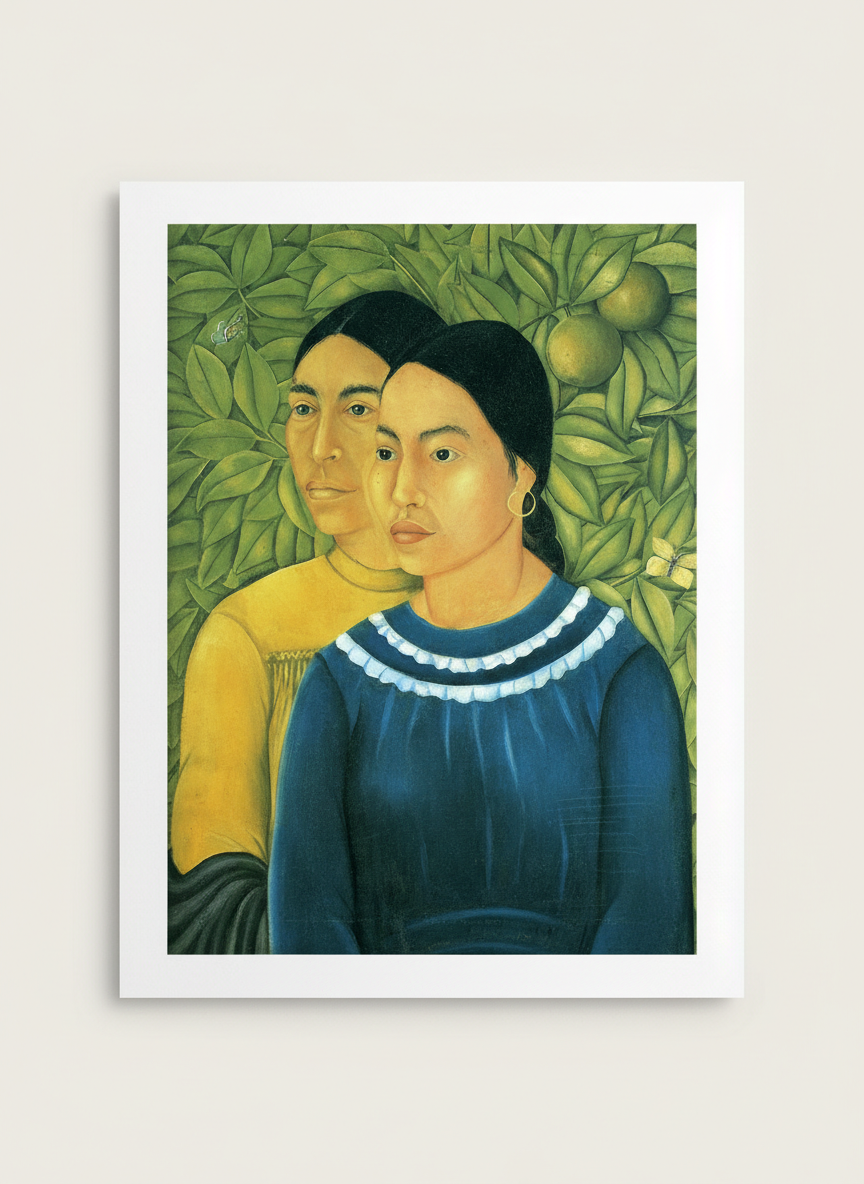
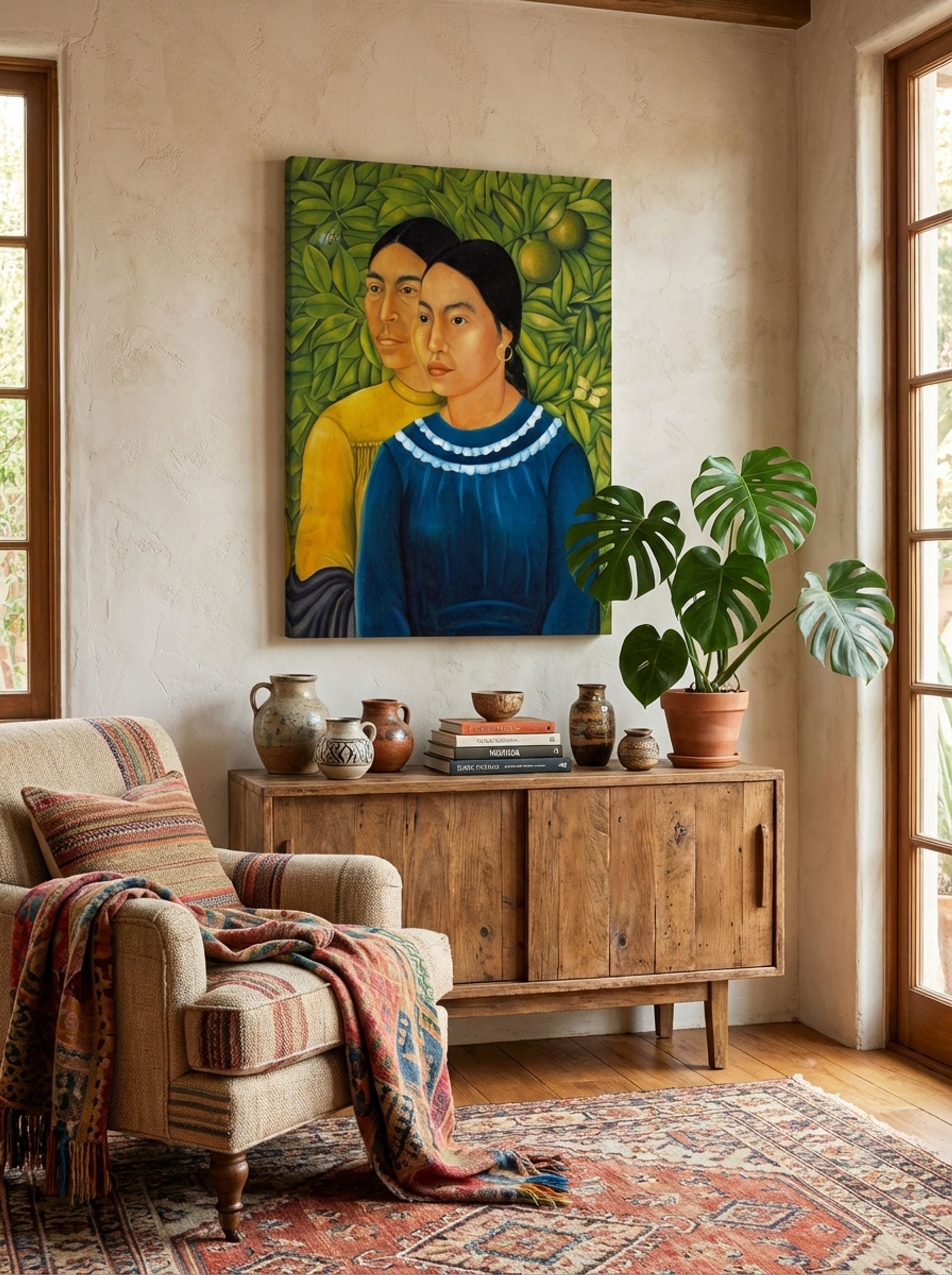 Two Women - Frida Kahlo
Print · Framed
Regular price From $29.00 USDSale price From $29.00 USD Regular price -
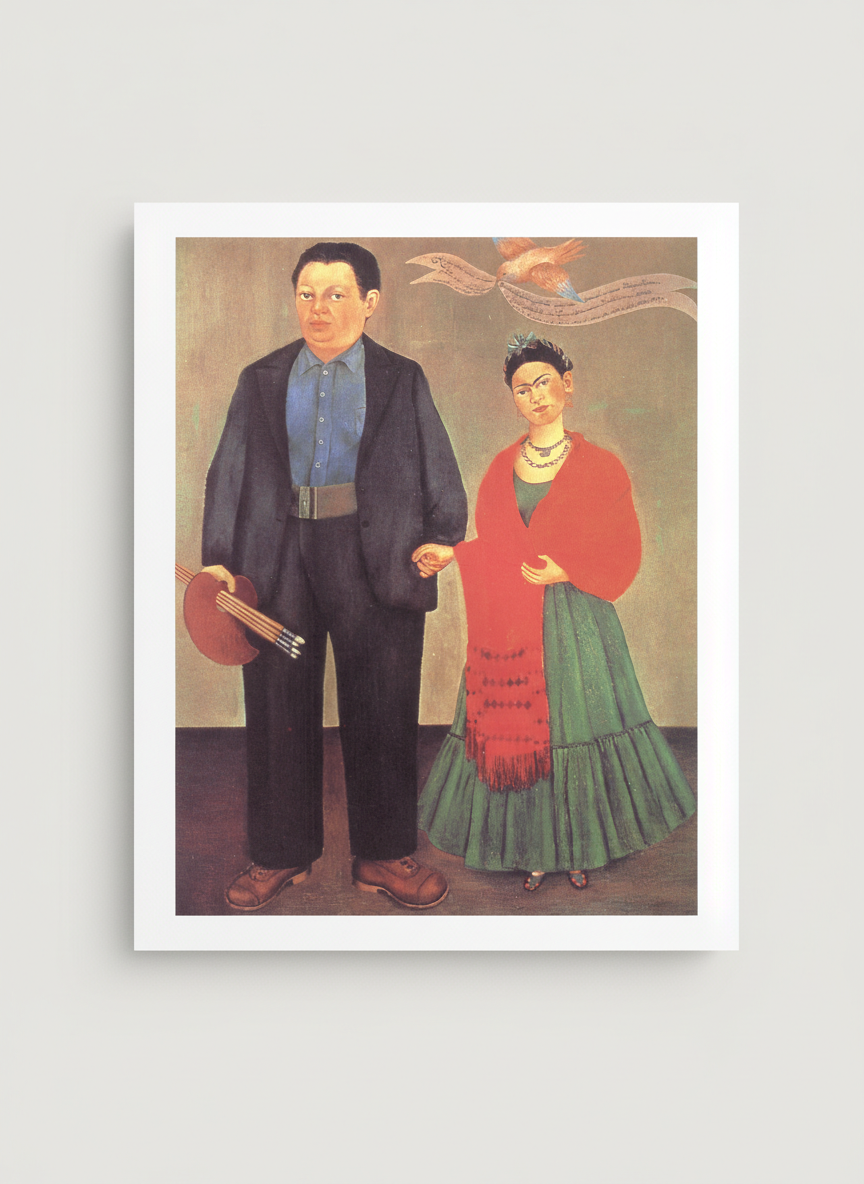
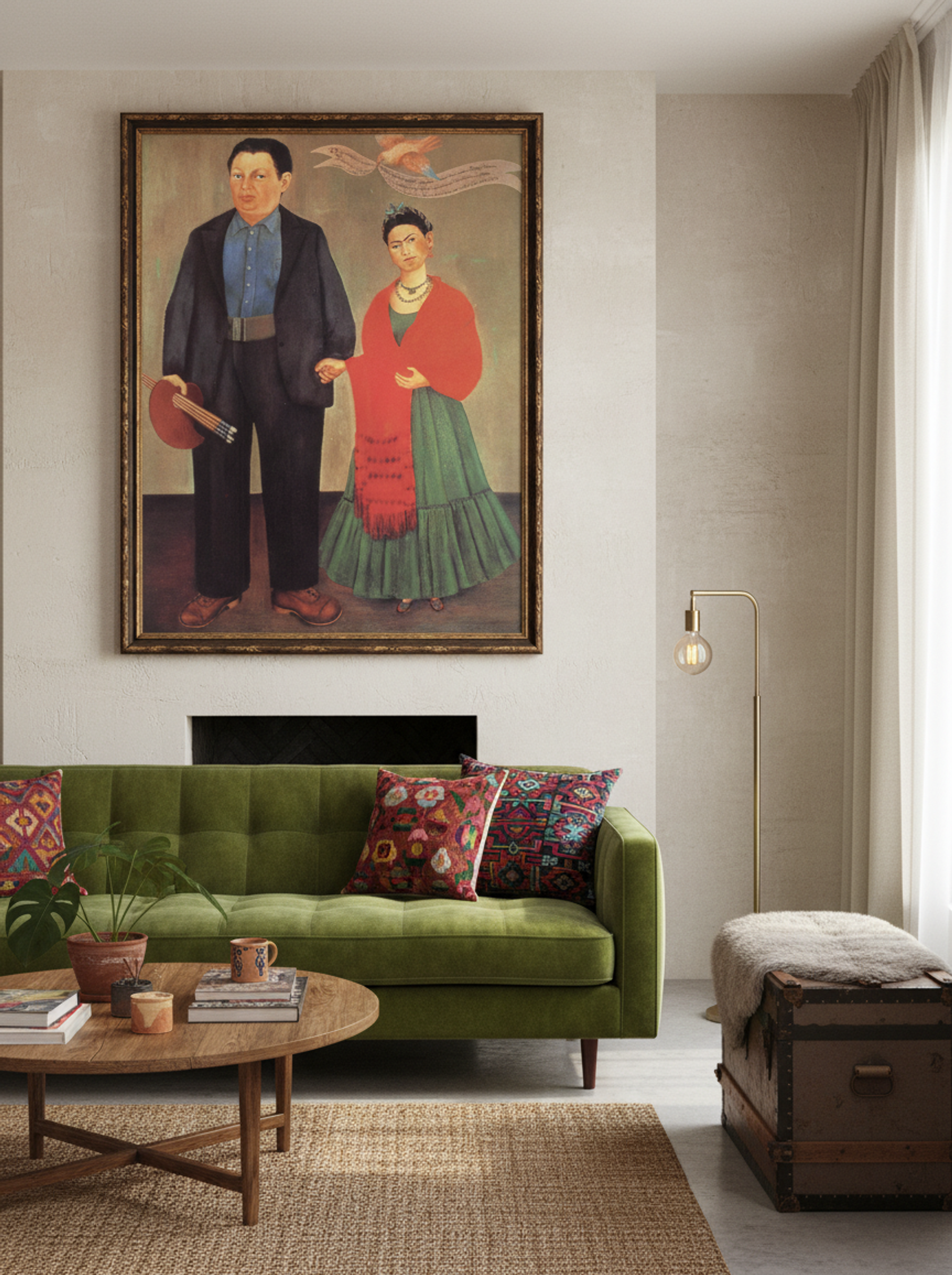 Frida and Diego Rivera - Frida Kahlo
Print · Framed
Regular price From $29.00 USDSale price From $29.00 USD Regular price -
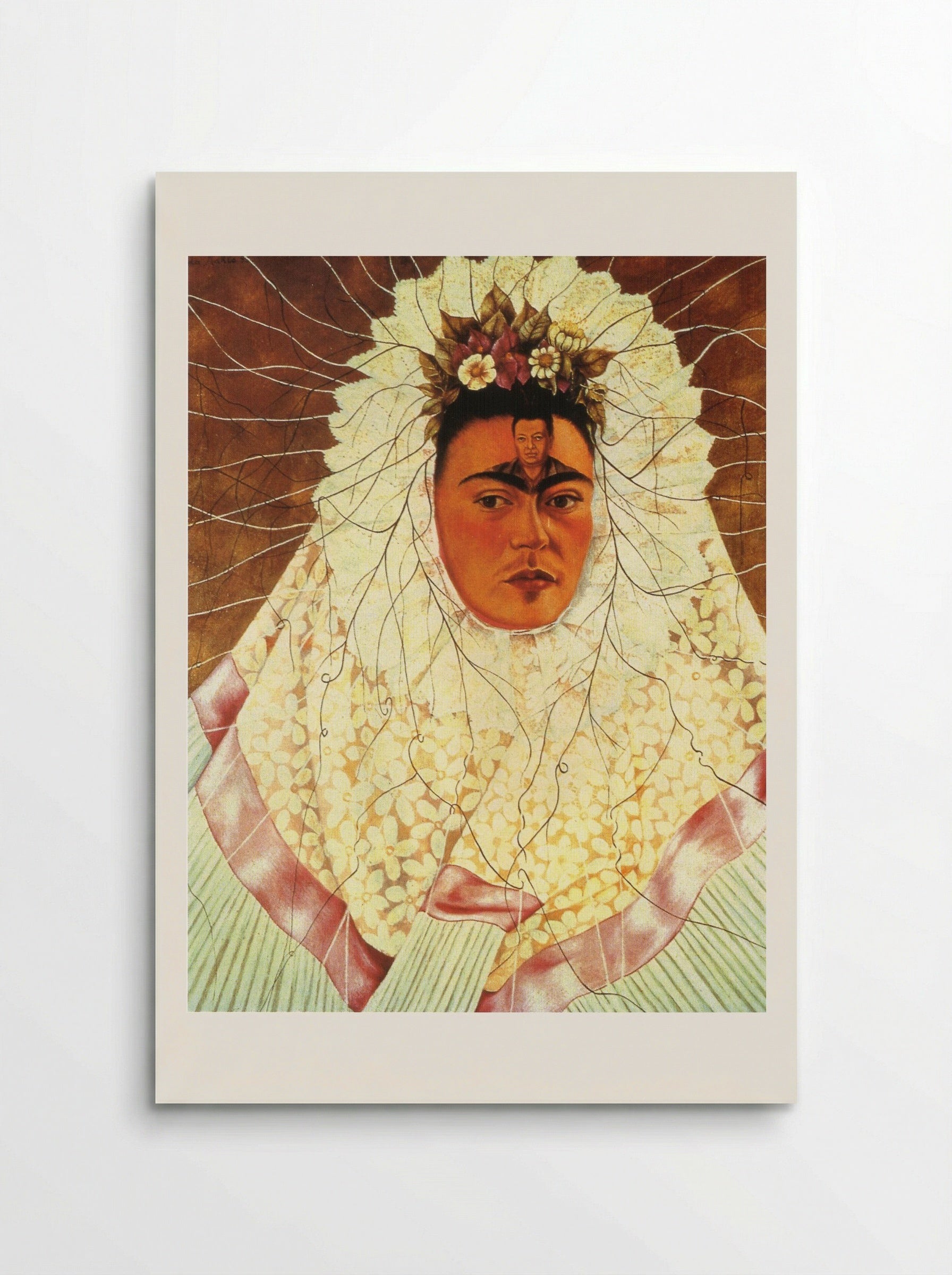
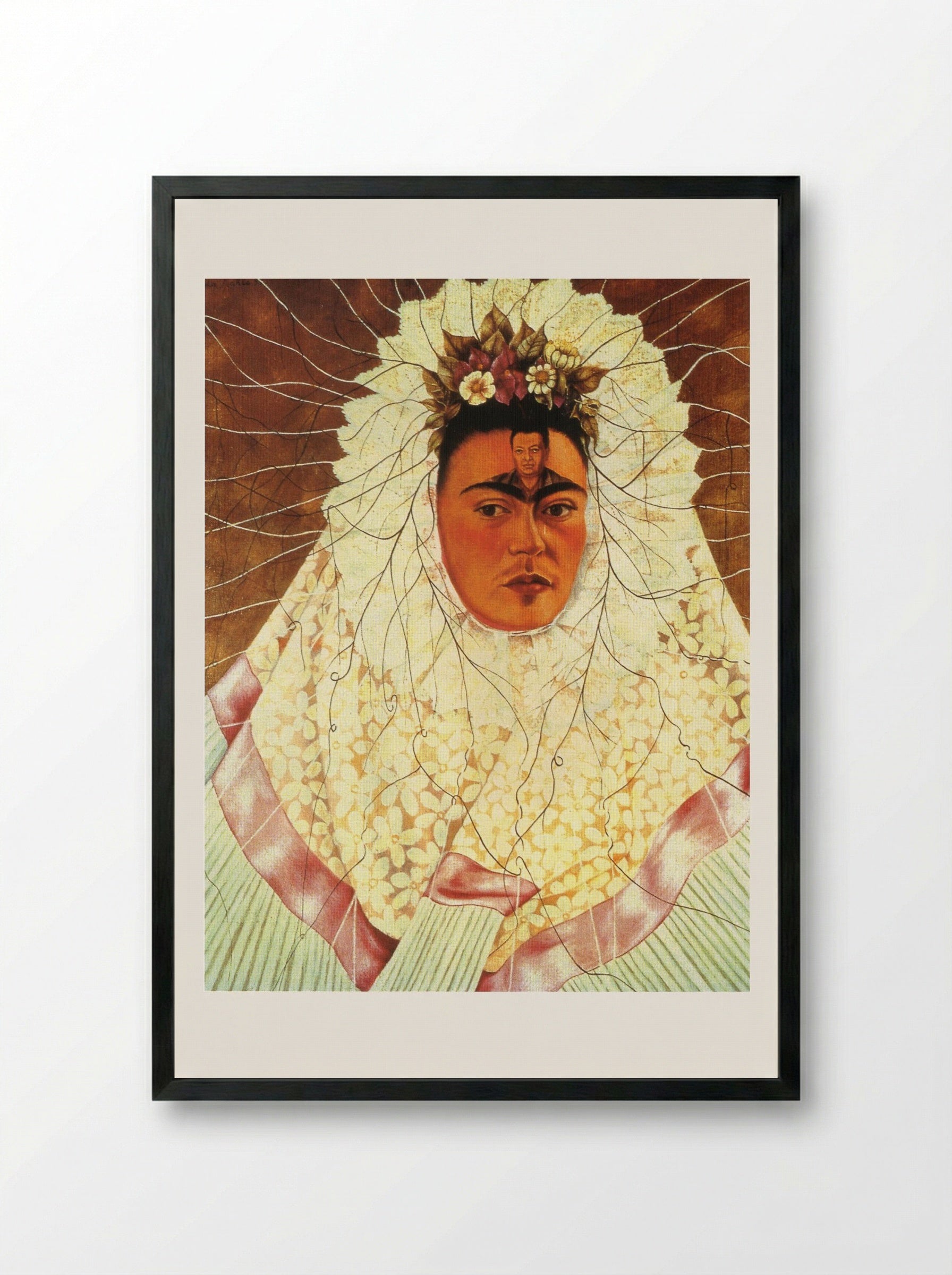 Self-Portrait as a Tehuana - Frida Kahlo
Print · Framed
Regular price From $29.00 USDSale price From $29.00 USD Regular price -
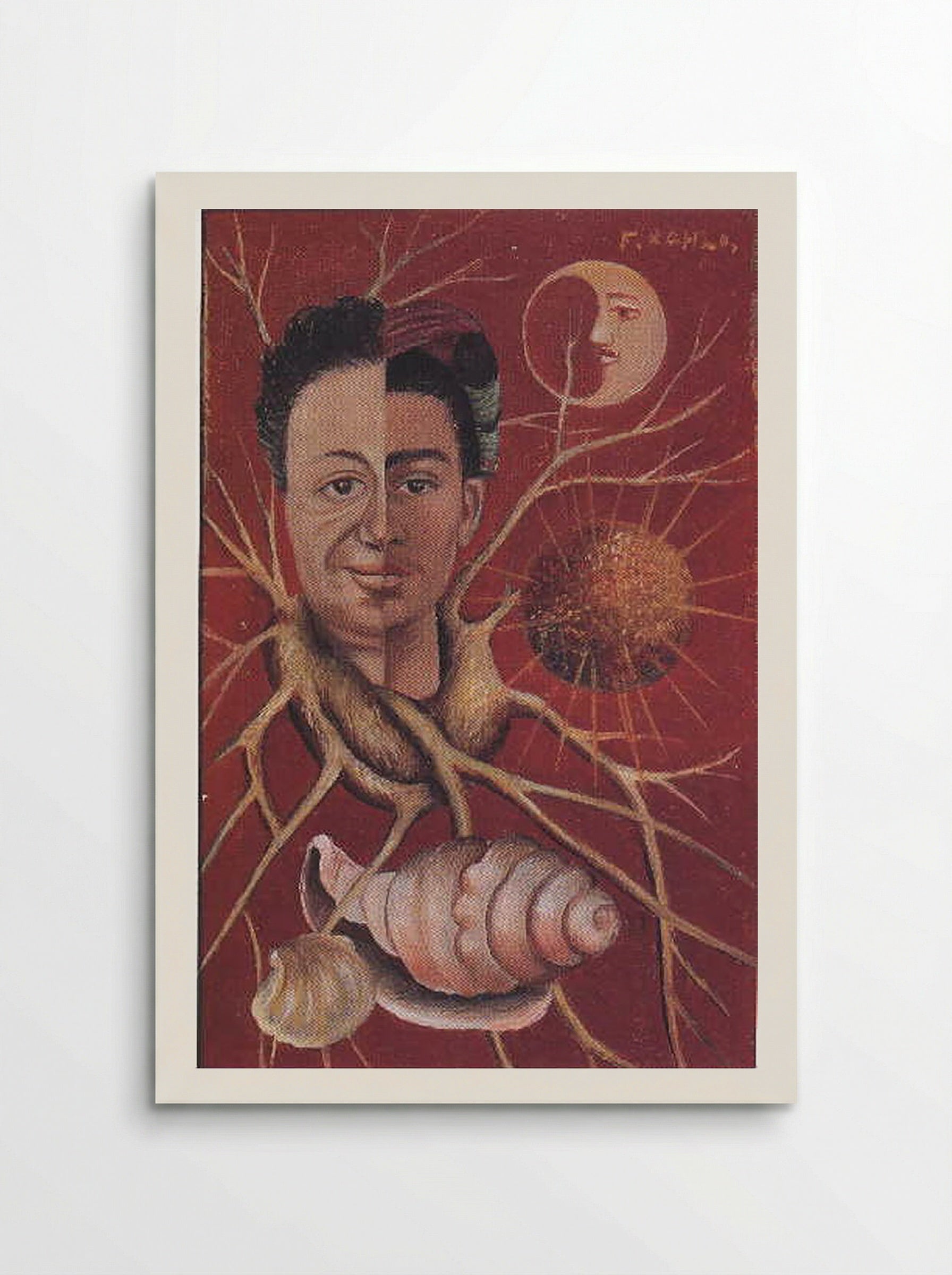
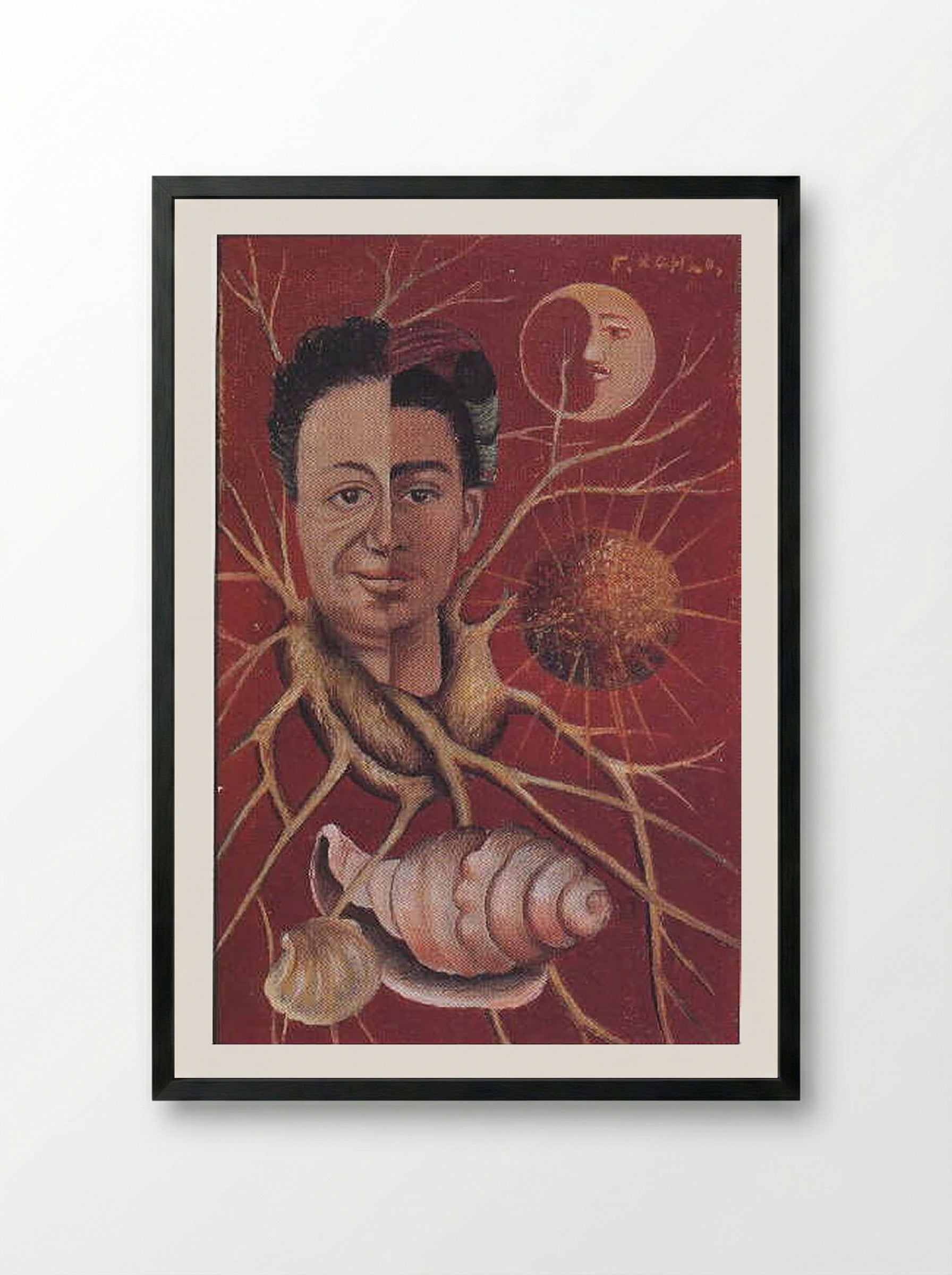 Diego and Frida - Frida Kahlo
Print · Framed
Regular price From $29.00 USDSale price From $29.00 USD Regular price -
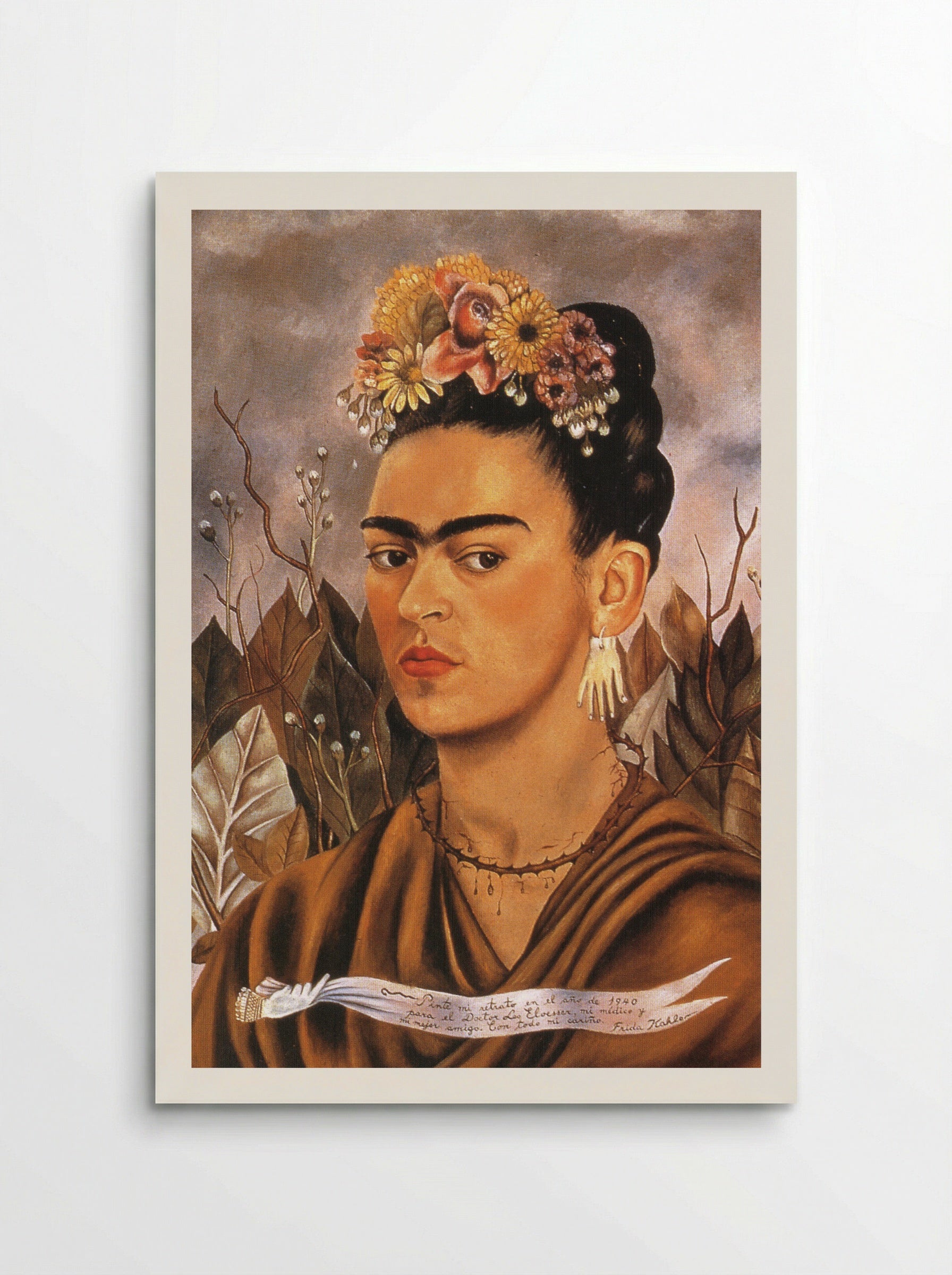
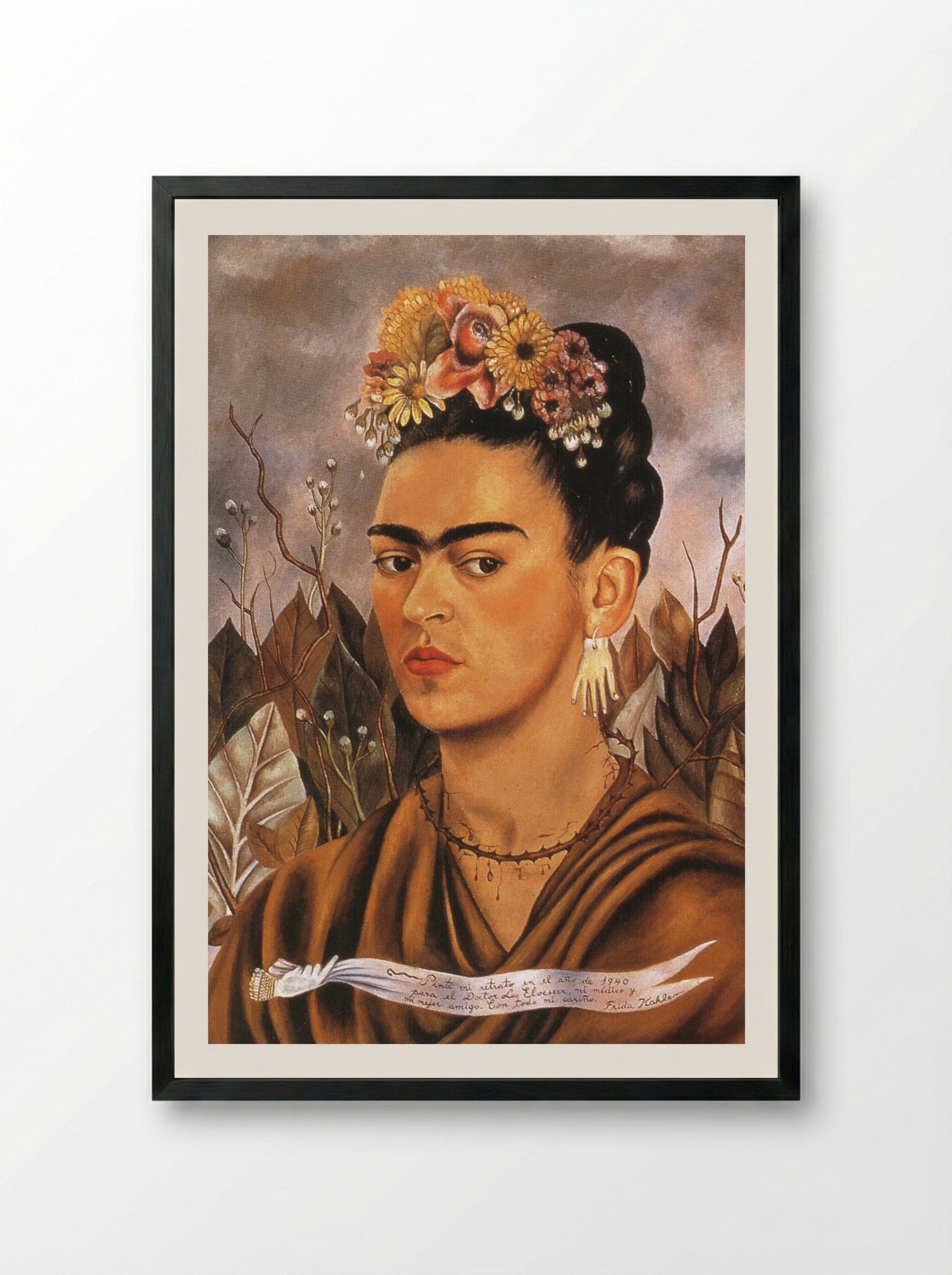 Self-Portrait Dedicated to Dr Eloesser - Frida Kahlo
Print · Framed
Regular price From $29.00 USDSale price From $29.00 USD Regular price -
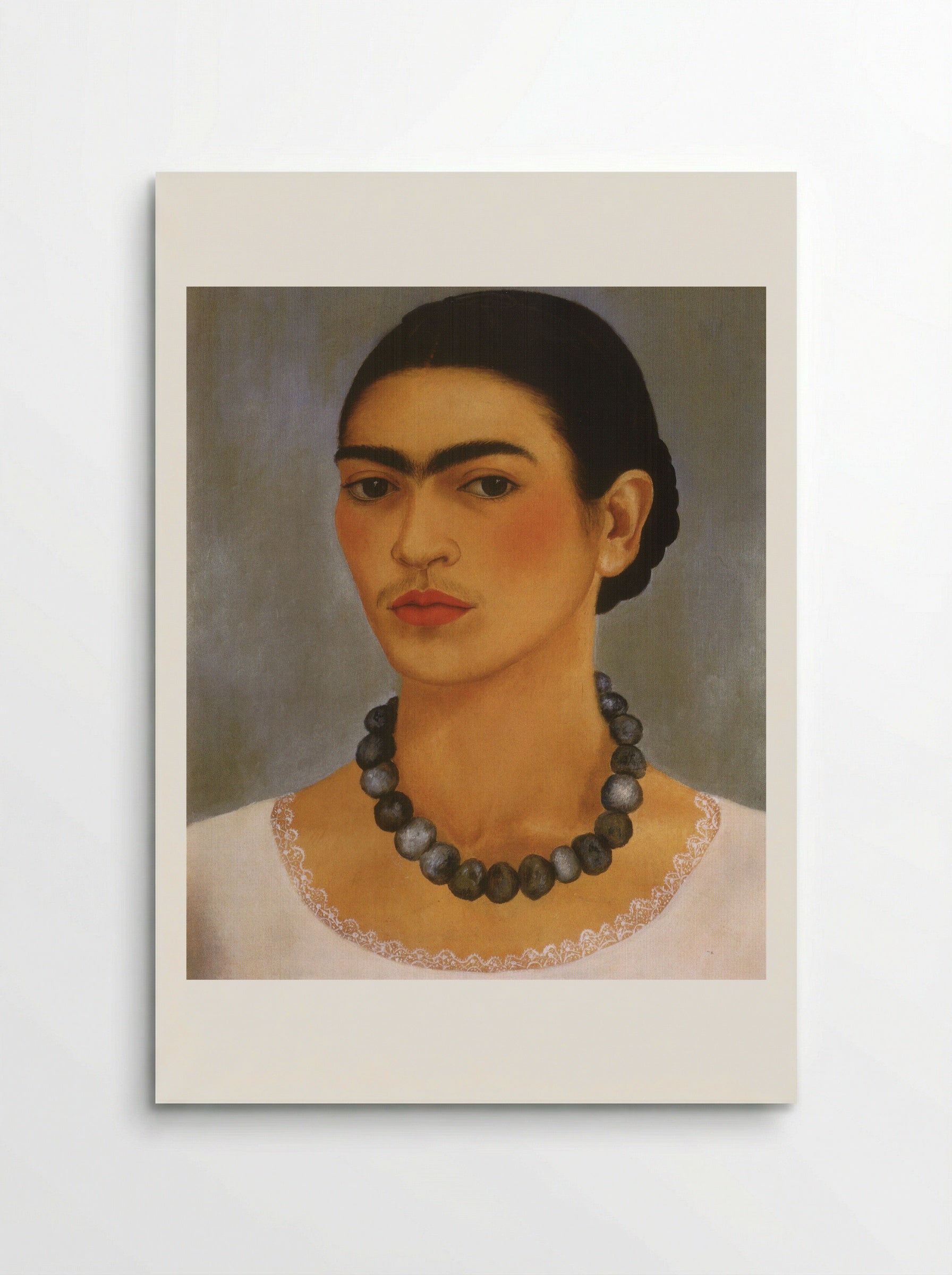
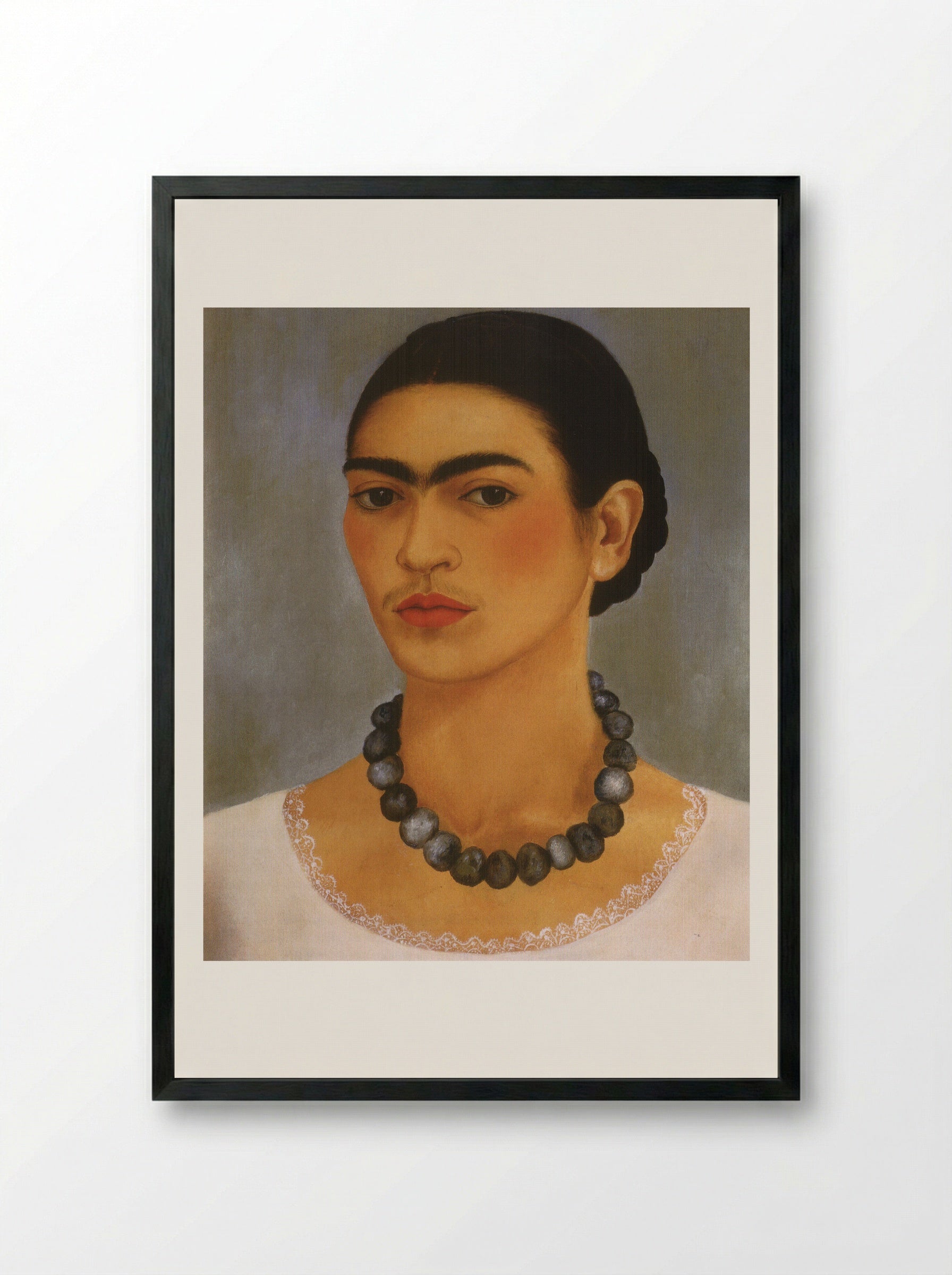 Self-Portrait with Necklace - Frida Kahlo
Print · Framed
Regular price From $29.00 USDSale price From $29.00 USD Regular price -
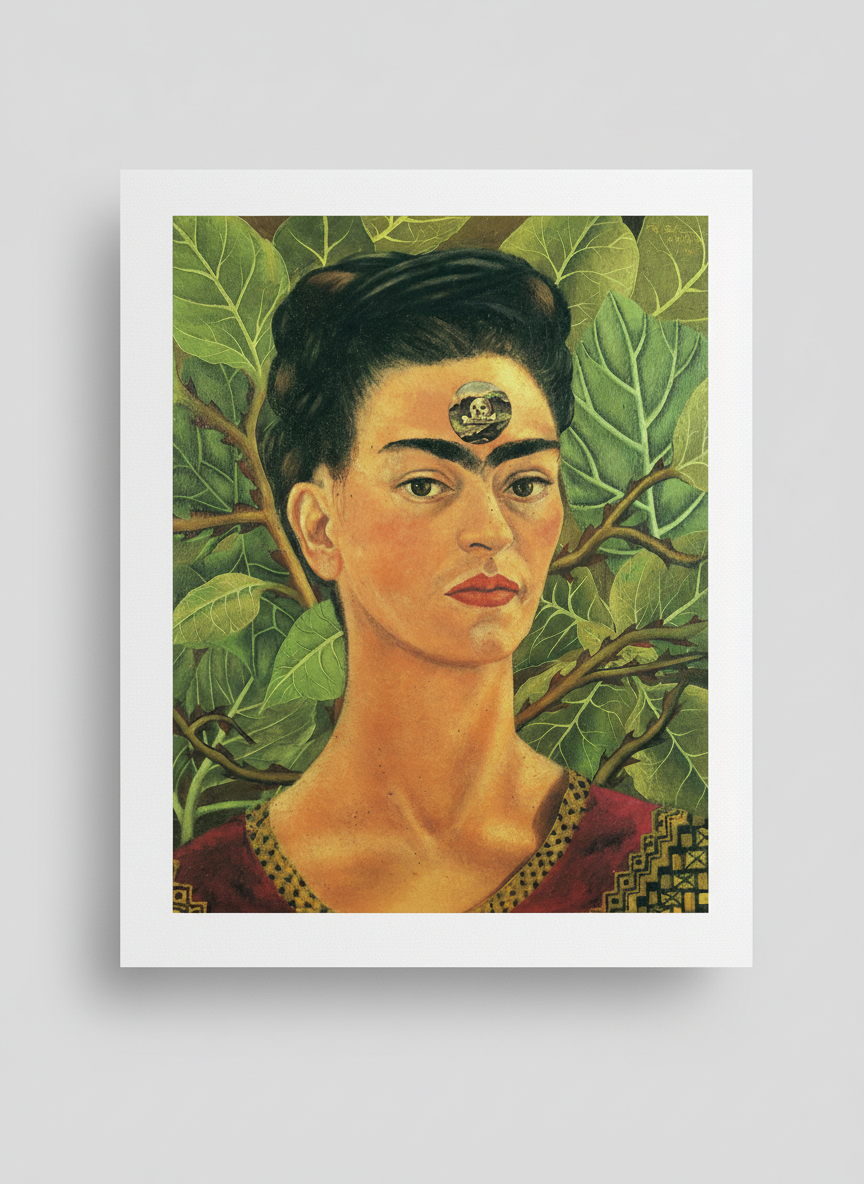
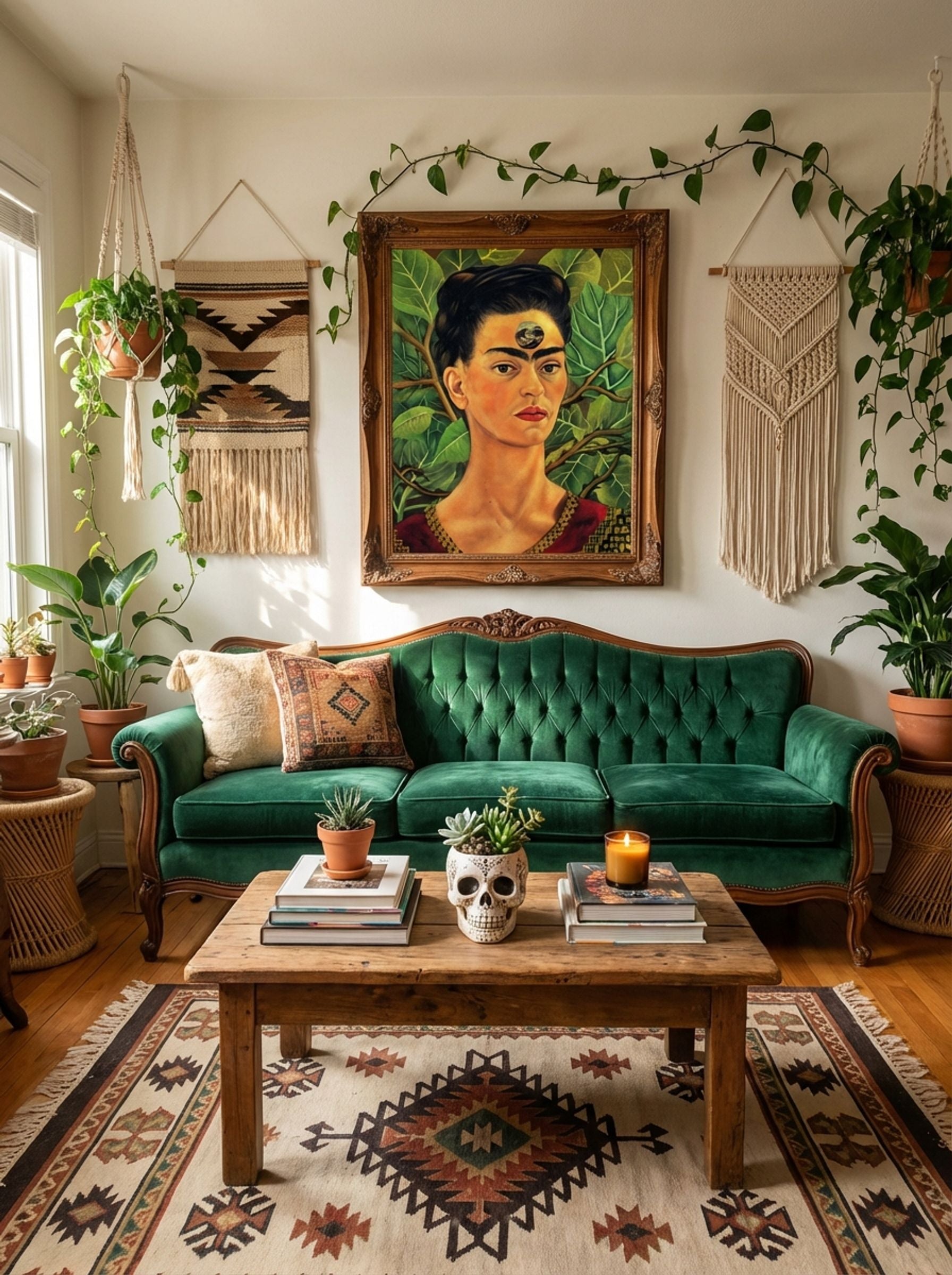 Thinking About Death - Frida Kahlo
Print · Framed
Regular price From $29.00 USDSale price From $29.00 USD Regular price -
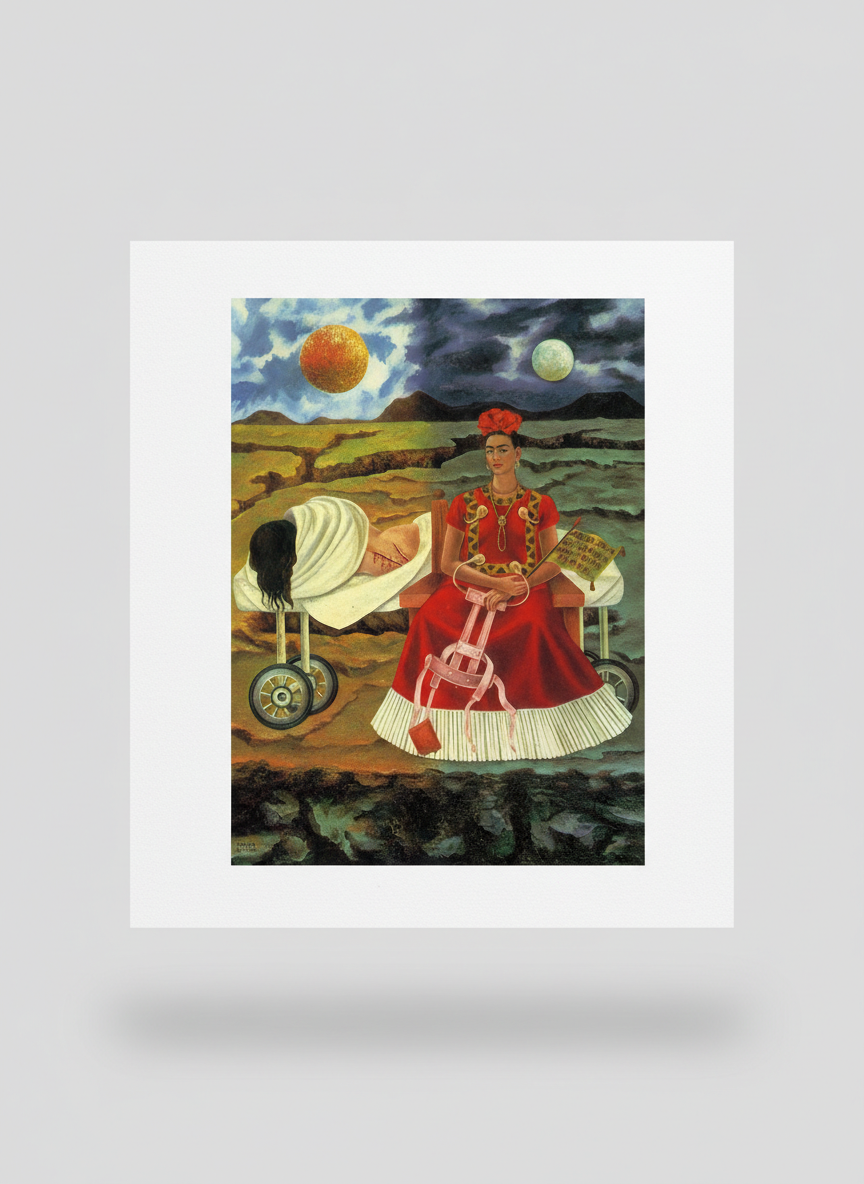
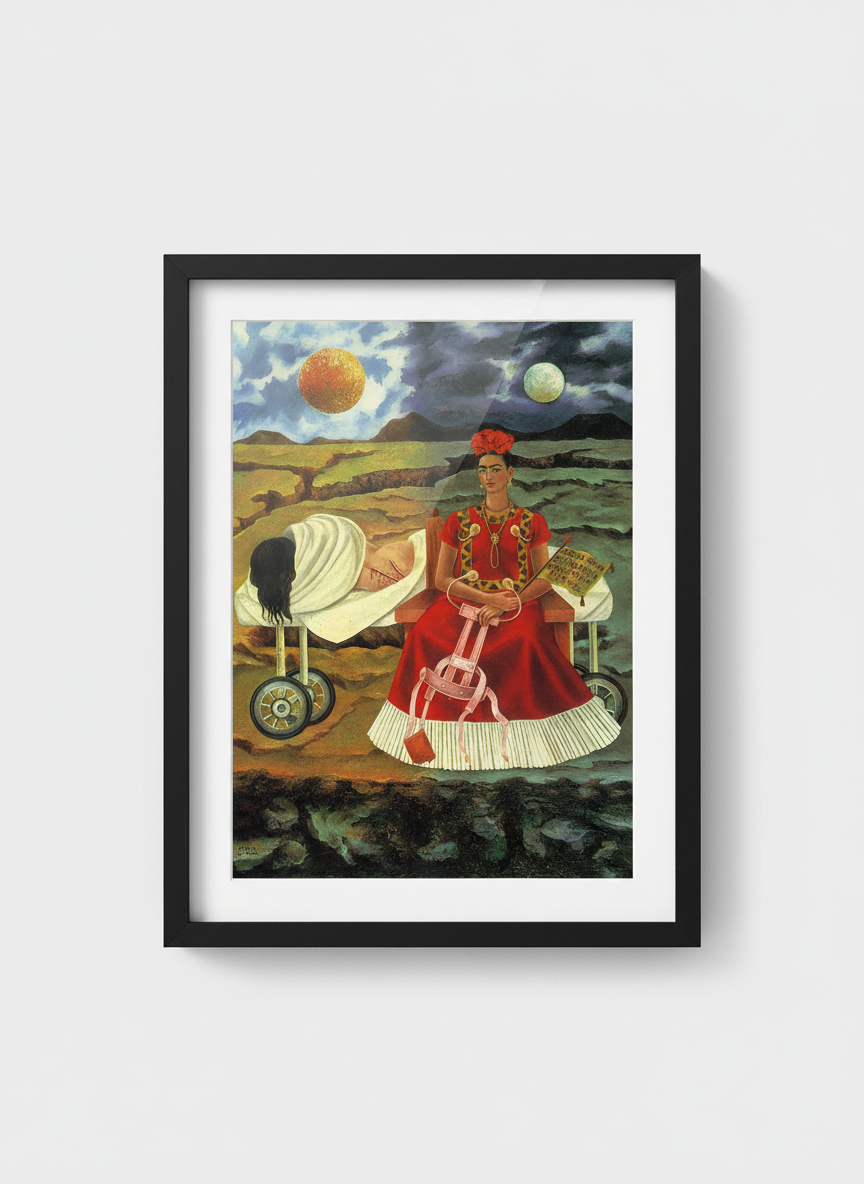 Tree of Hope, Remain Strong - Frida Kahlo
Print · Framed
Regular price From $29.00 USDSale price From $29.00 USD Regular price -
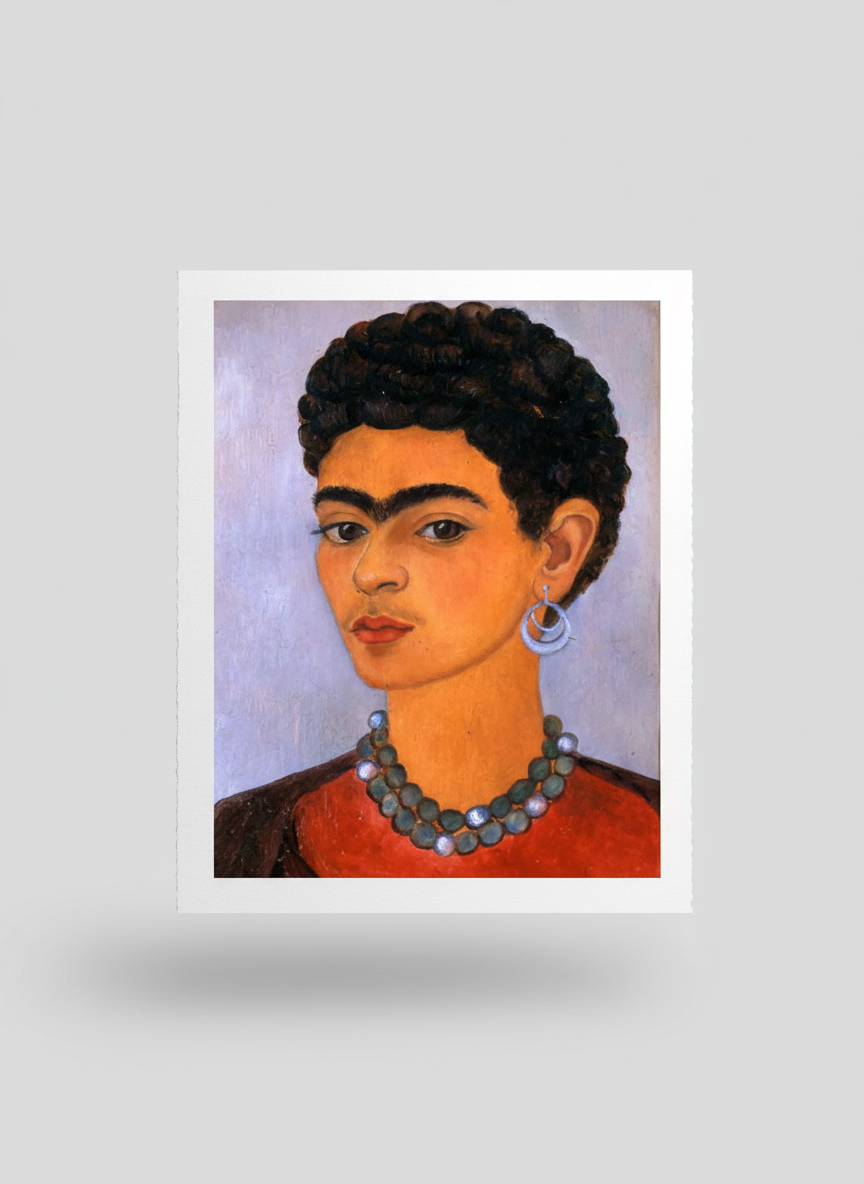
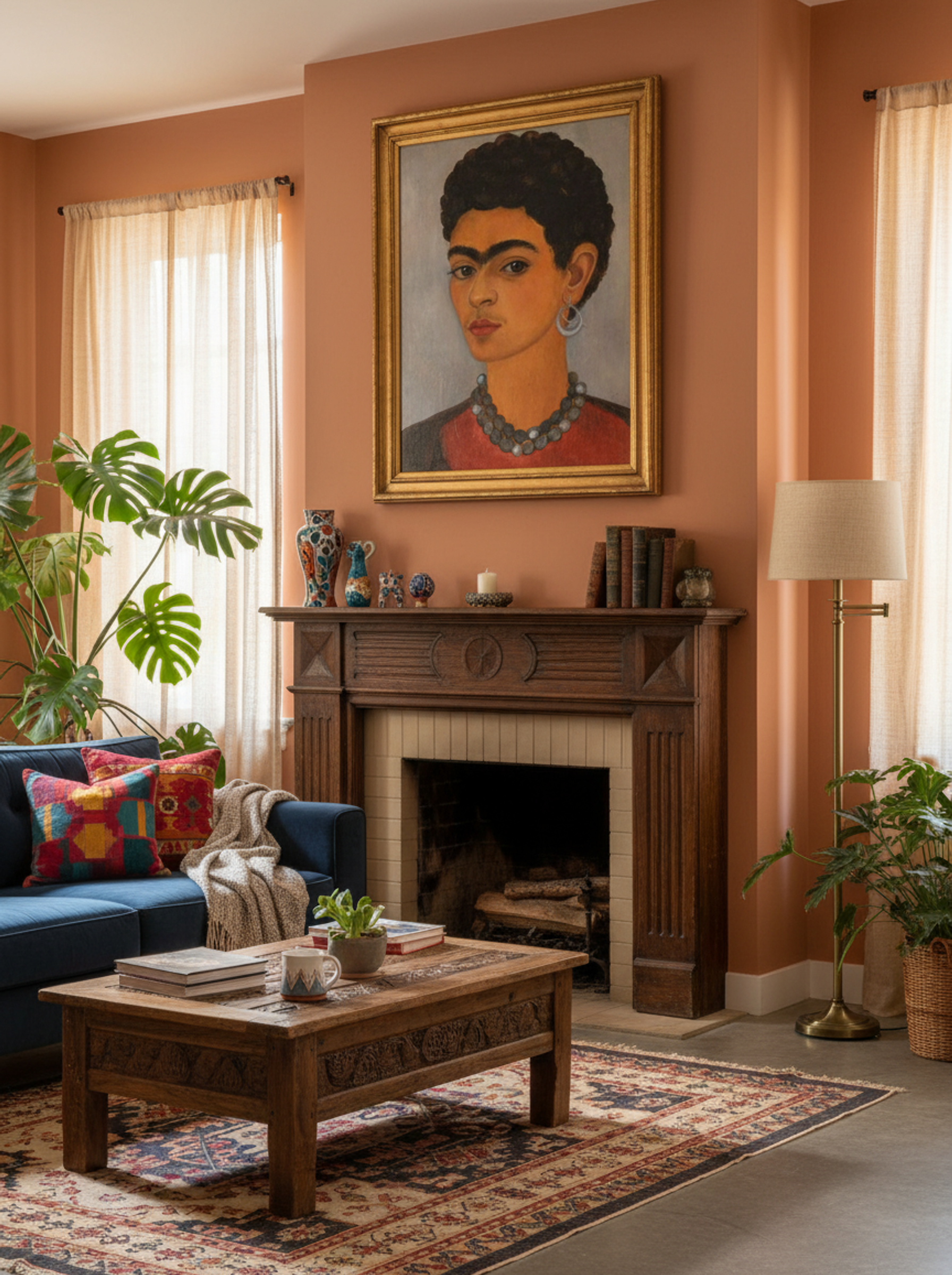 Self-Portrait with Curly Hair - Frida Kahlo
Print · Framed
Regular price From $29.00 USDSale price From $29.00 USD Regular price -
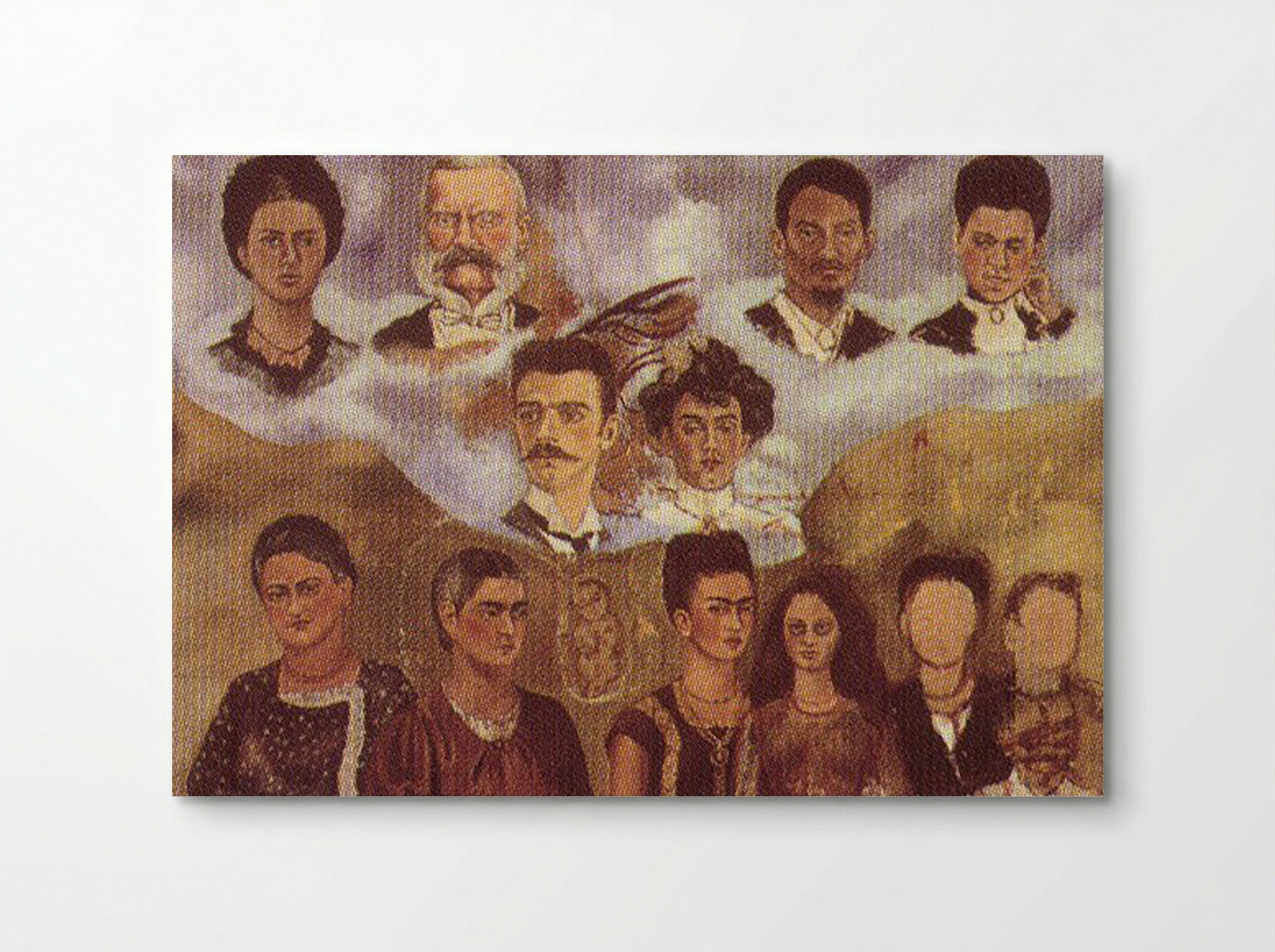
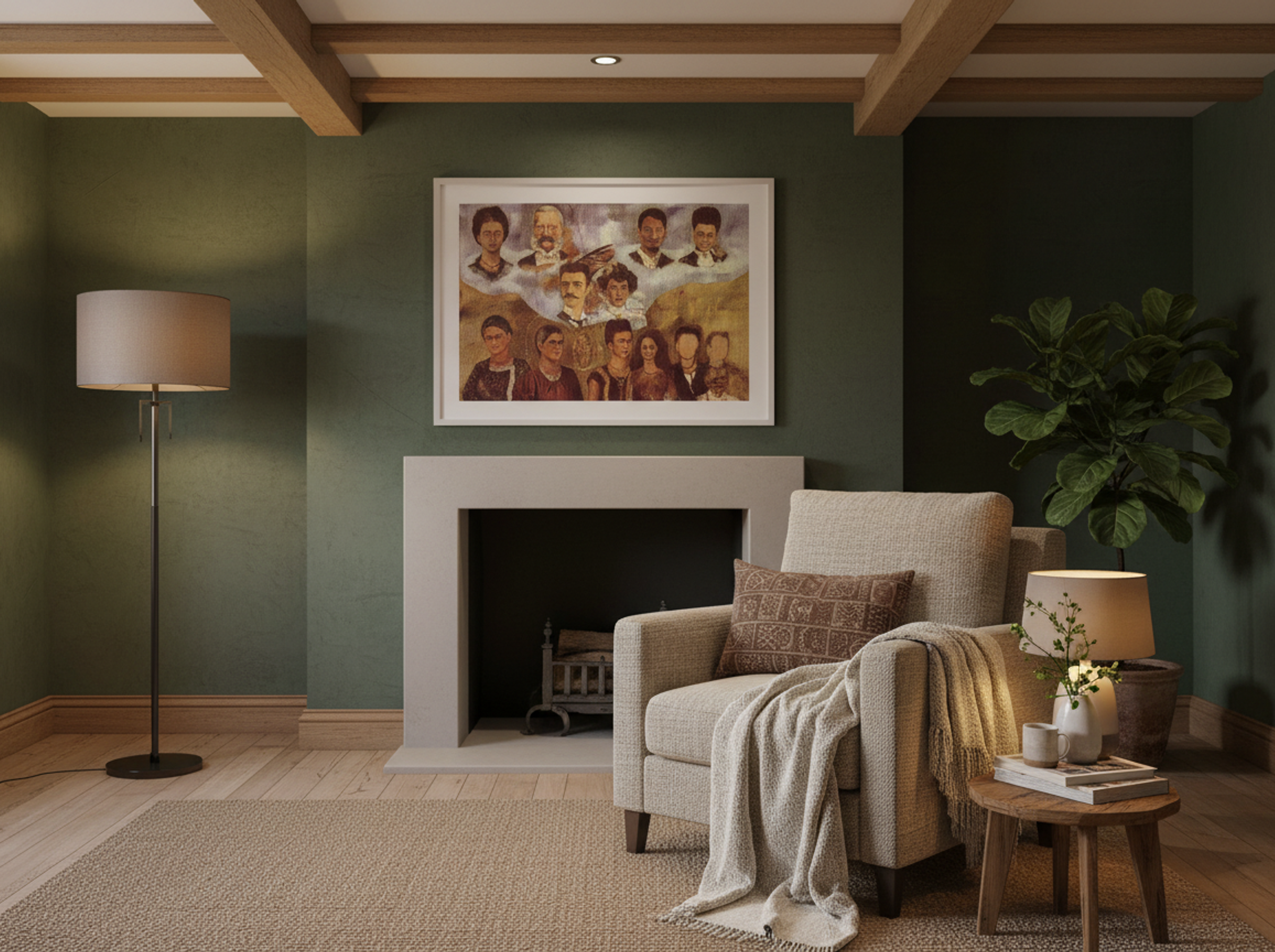 My Family - Frida Kahlo
Print · Framed
Regular price From $29.00 USDSale price From $29.00 USD Regular price -
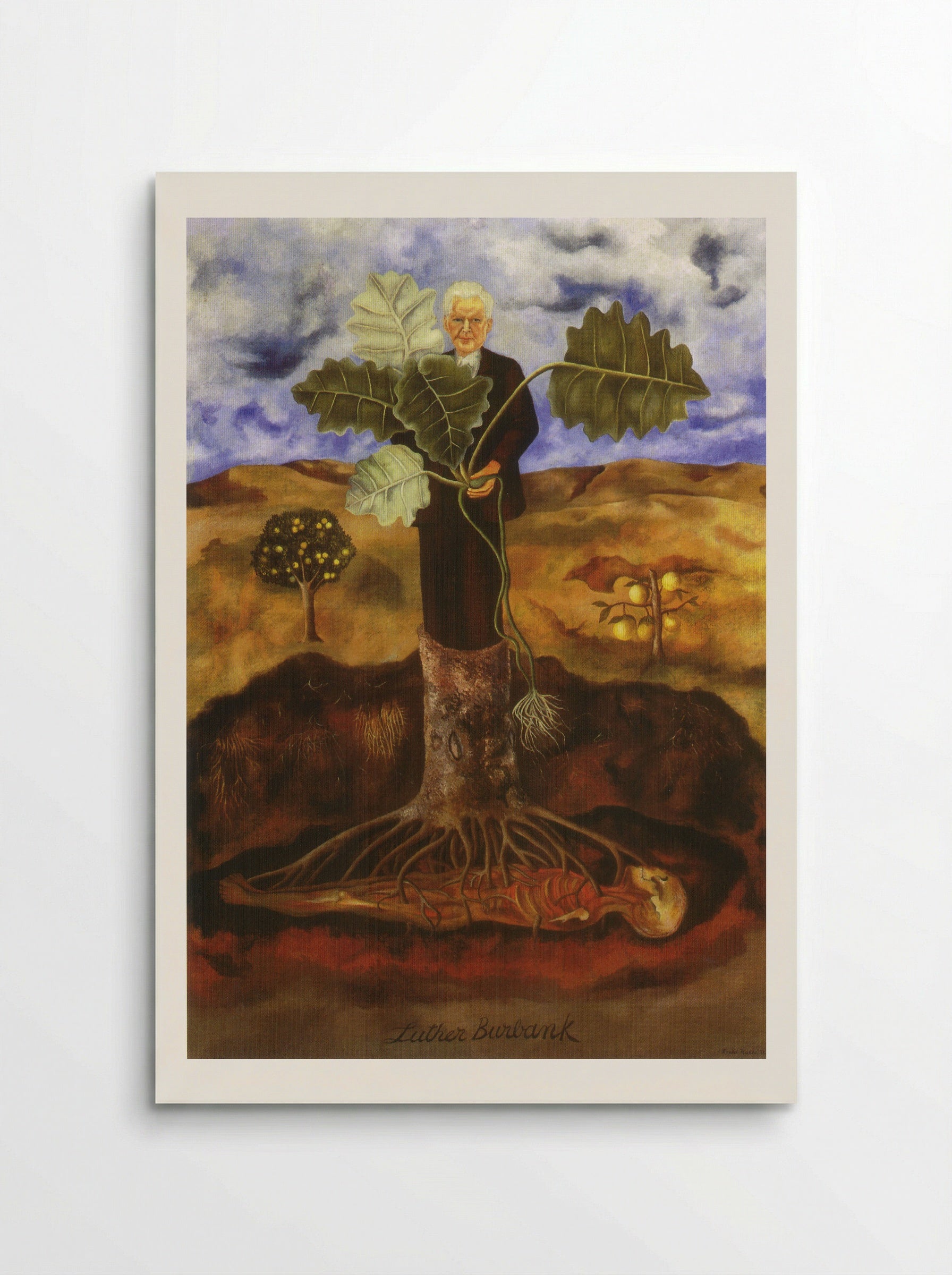
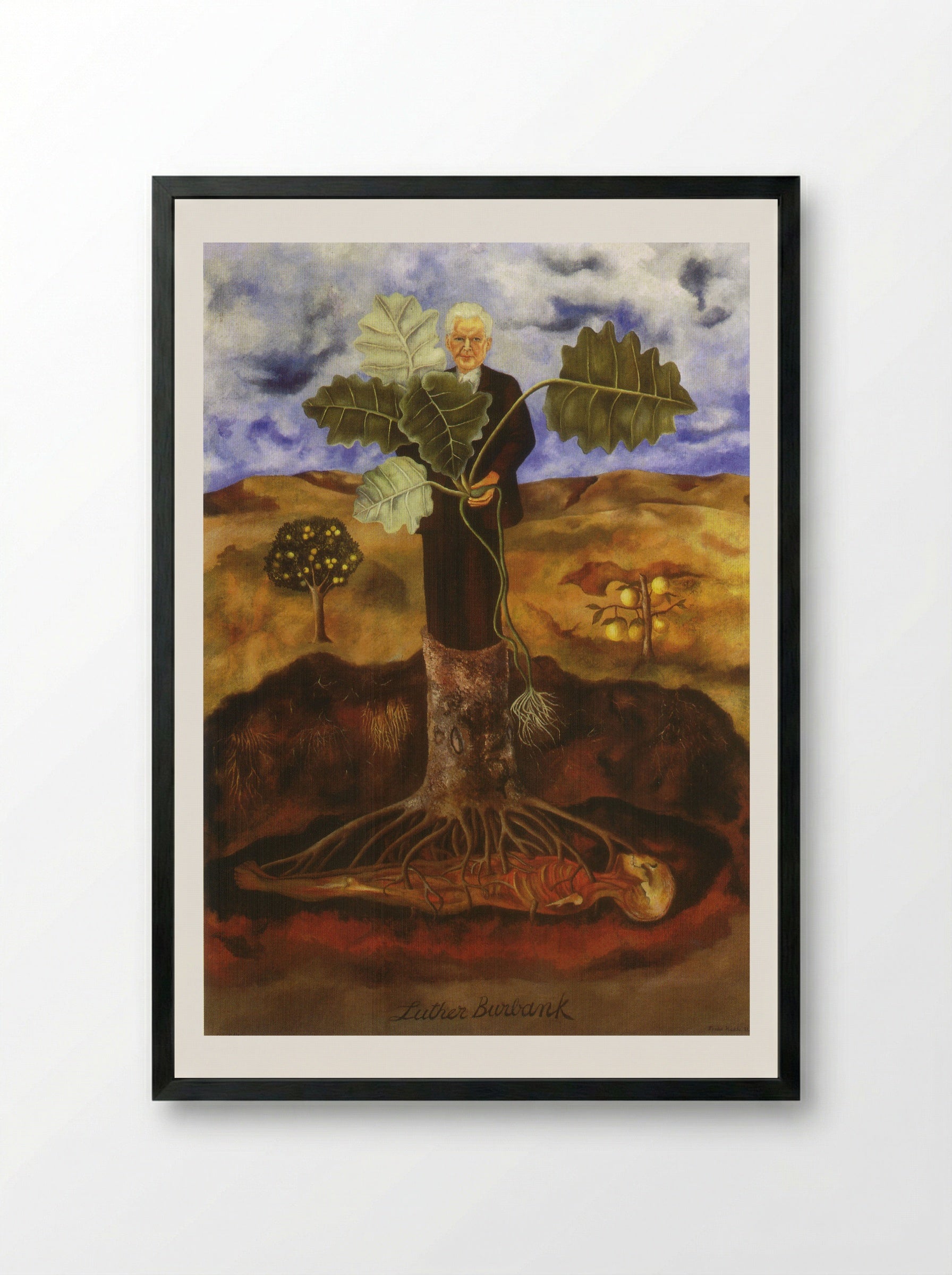 Portrait of Luther Burbank - Frida Kahlo
Print · Framed
Regular price From $29.00 USDSale price From $29.00 USD Regular price -
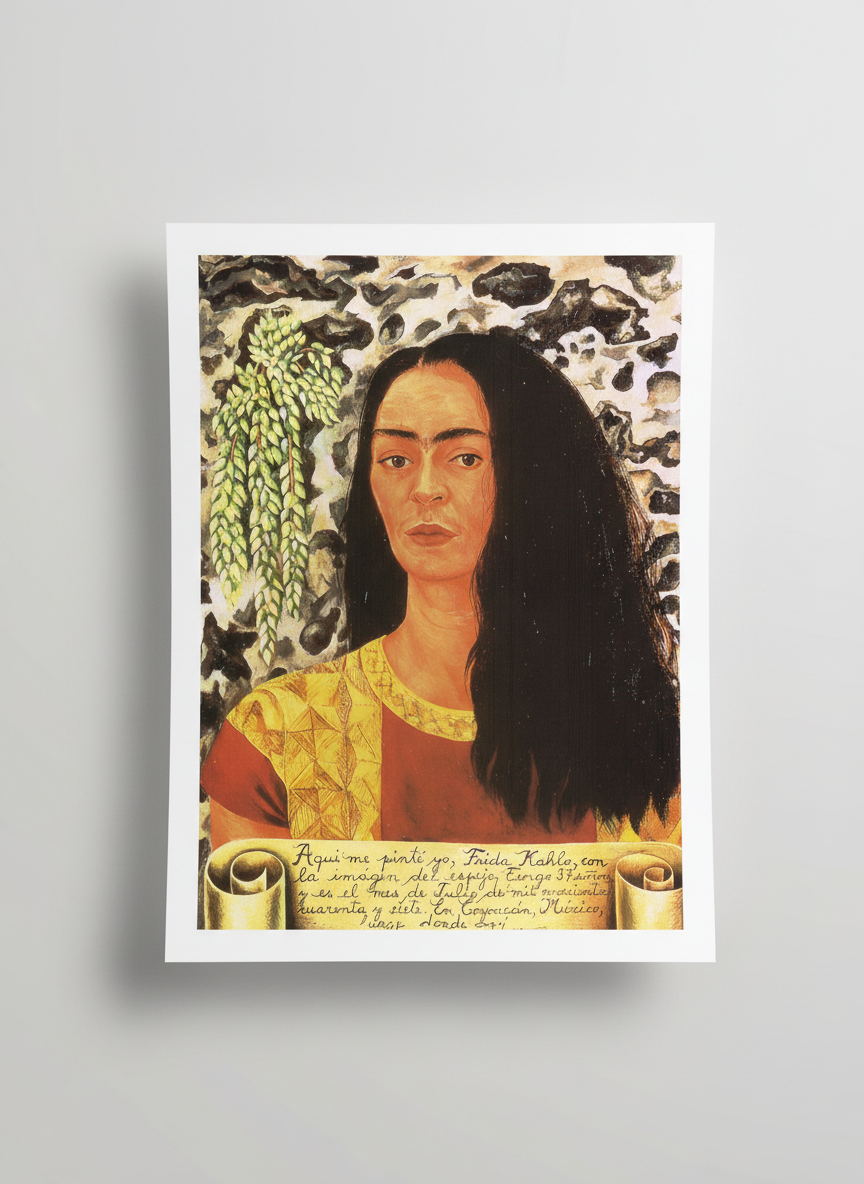
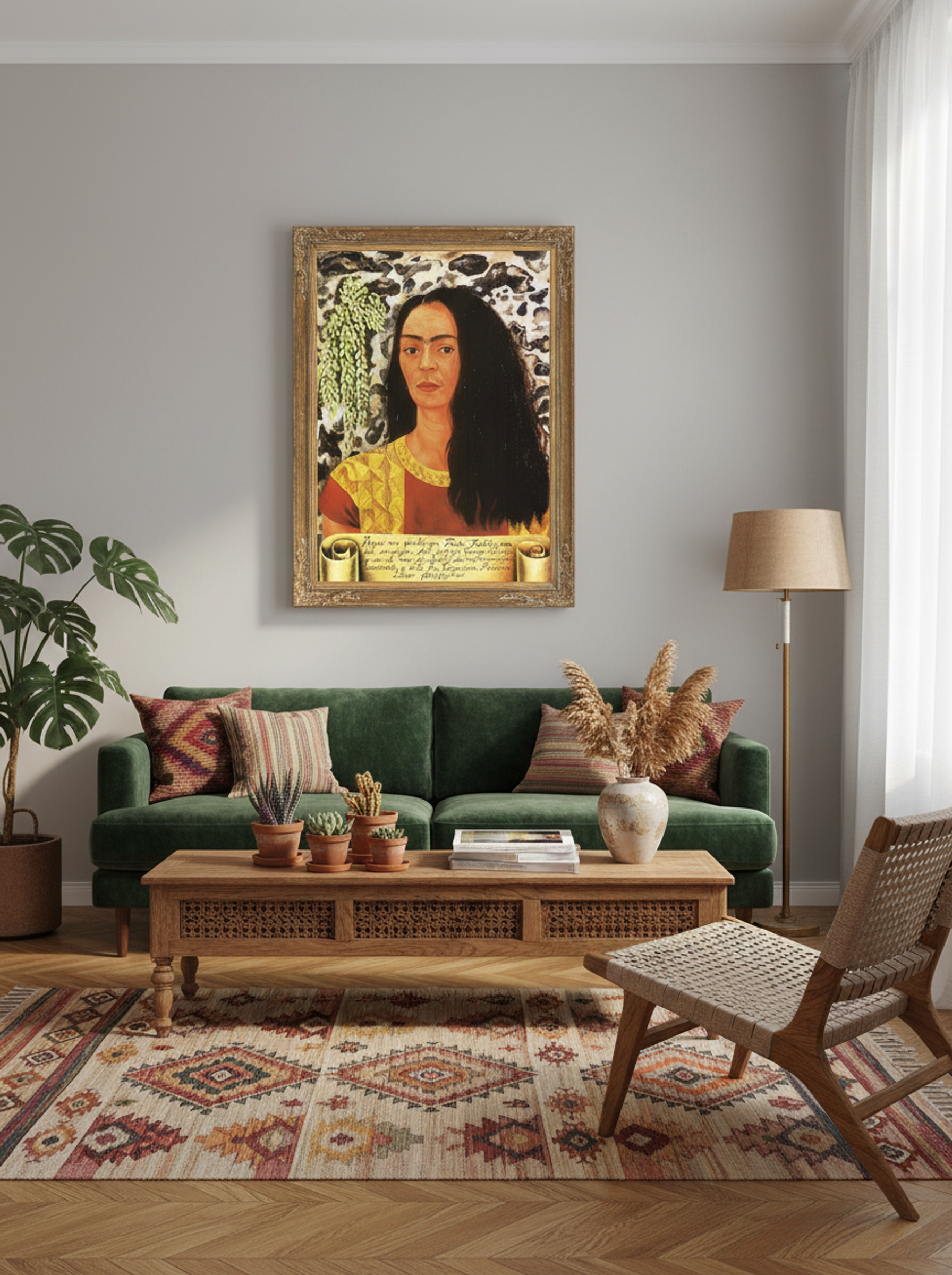 Self-Portrait with Loose Hair - Frida Kahlo
Print · Framed
Regular price From $29.00 USDSale price From $29.00 USD Regular price -
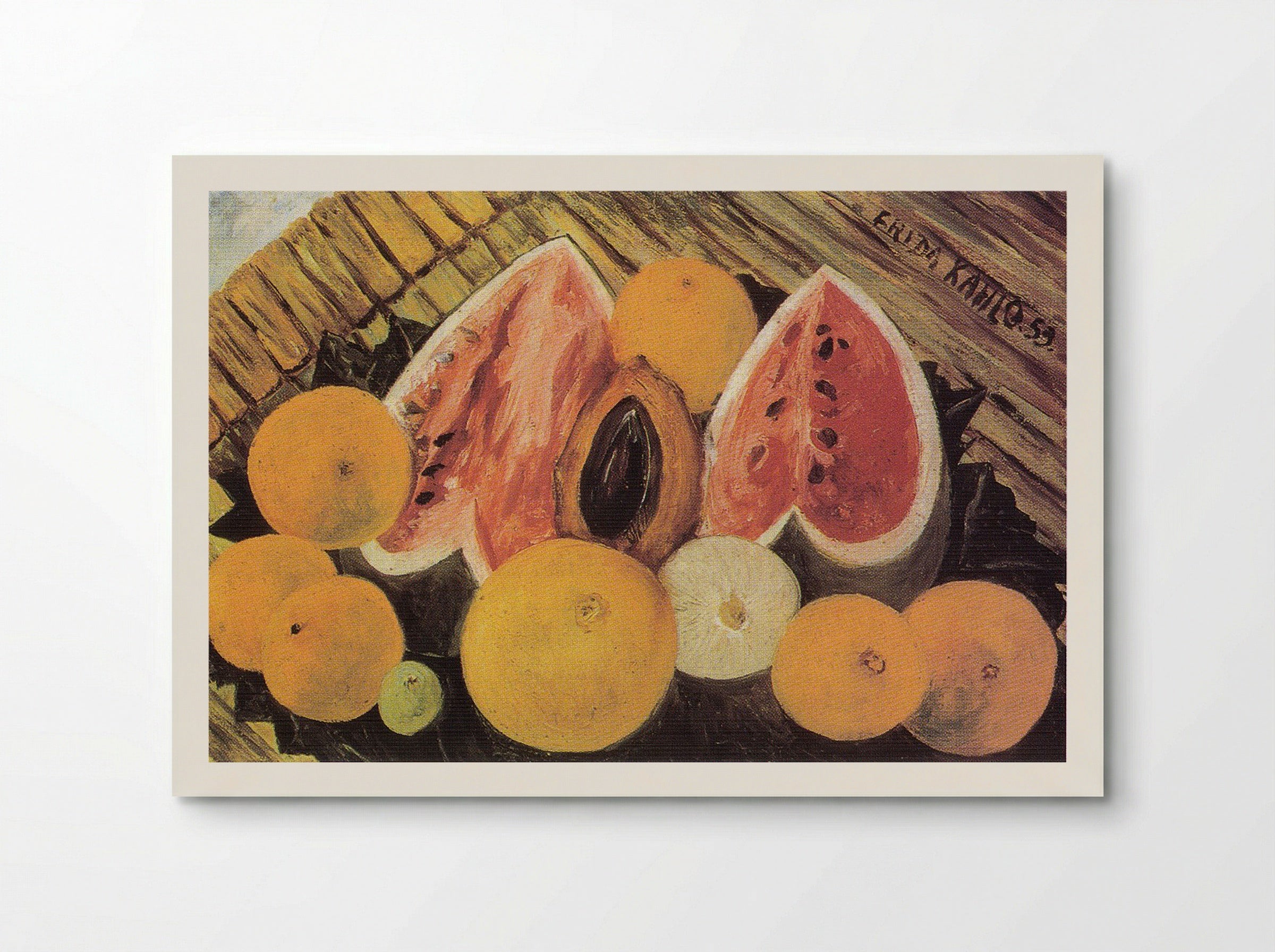
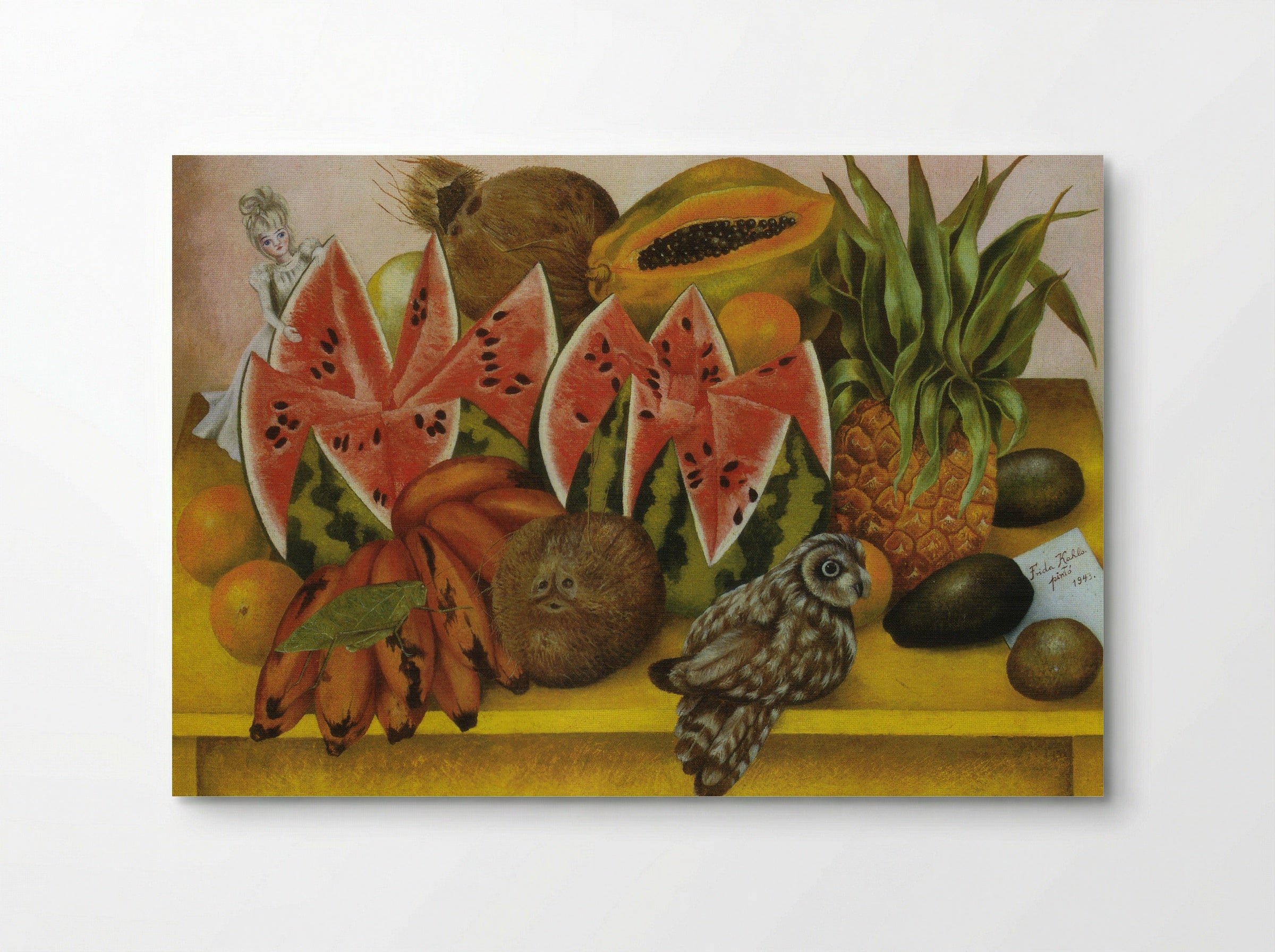
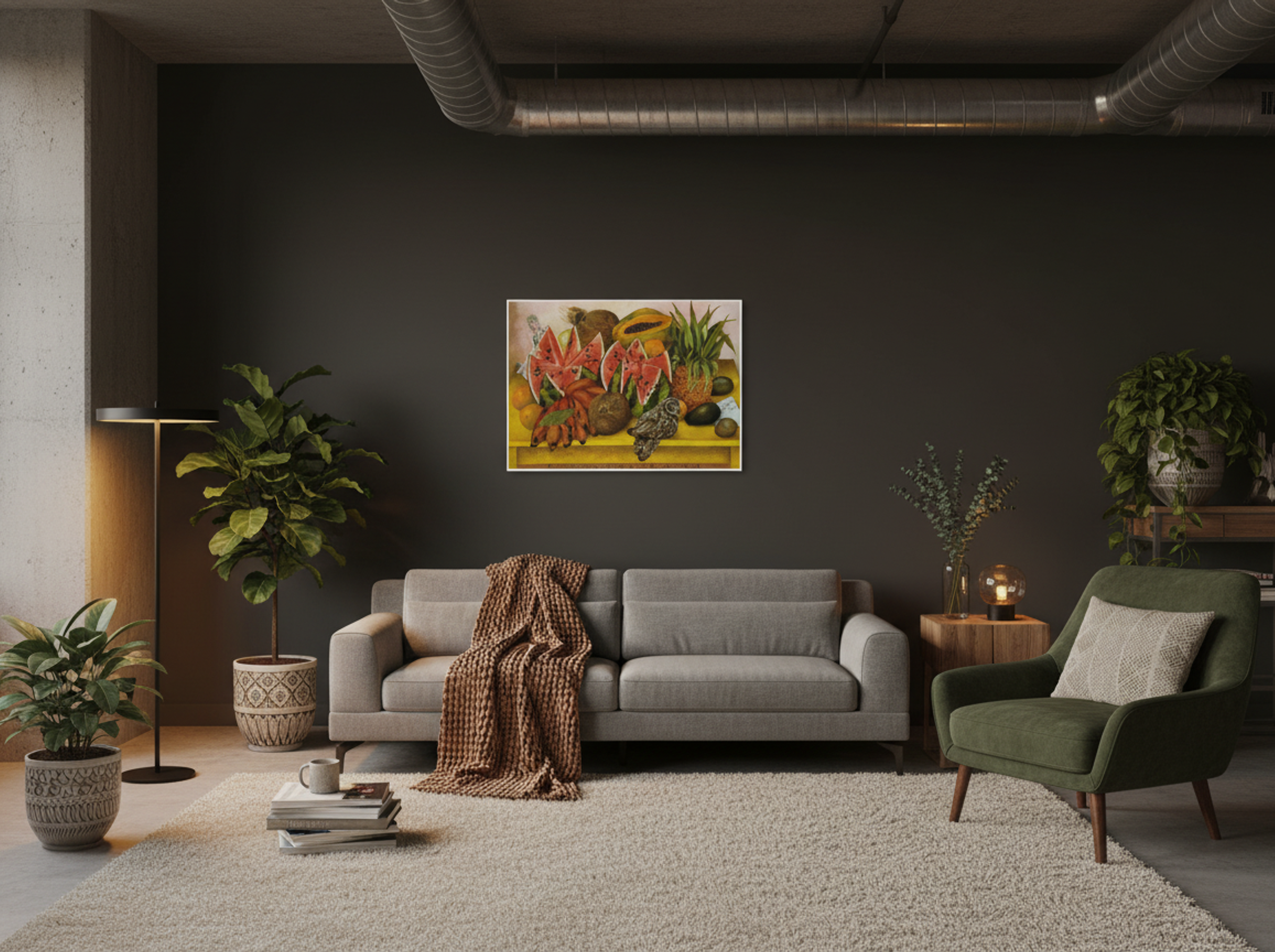
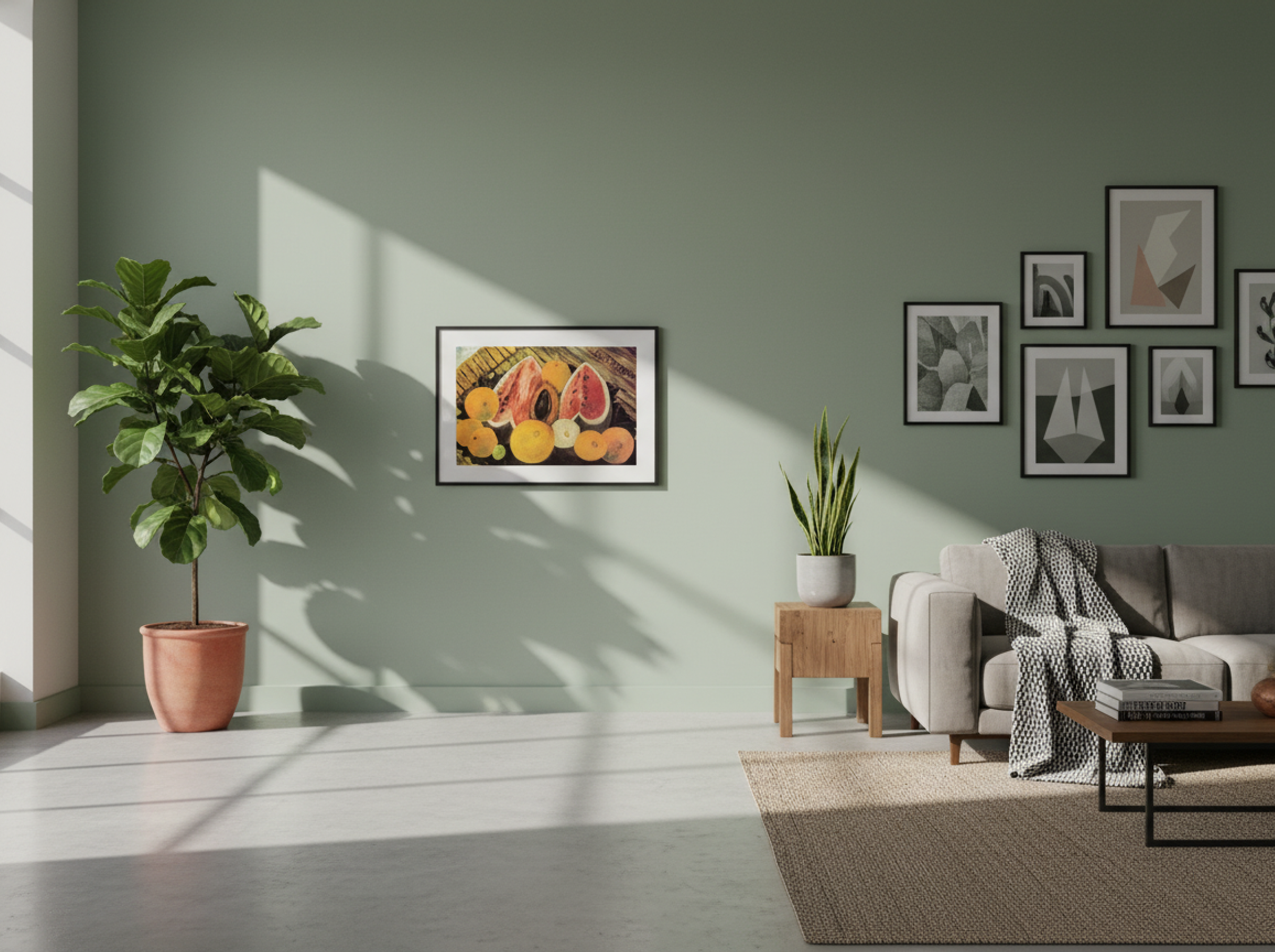 Still Life with Watermelons - Frida Kahlo
Print · Framed
Regular price From $29.00 USDSale price From $29.00 USD Regular price -
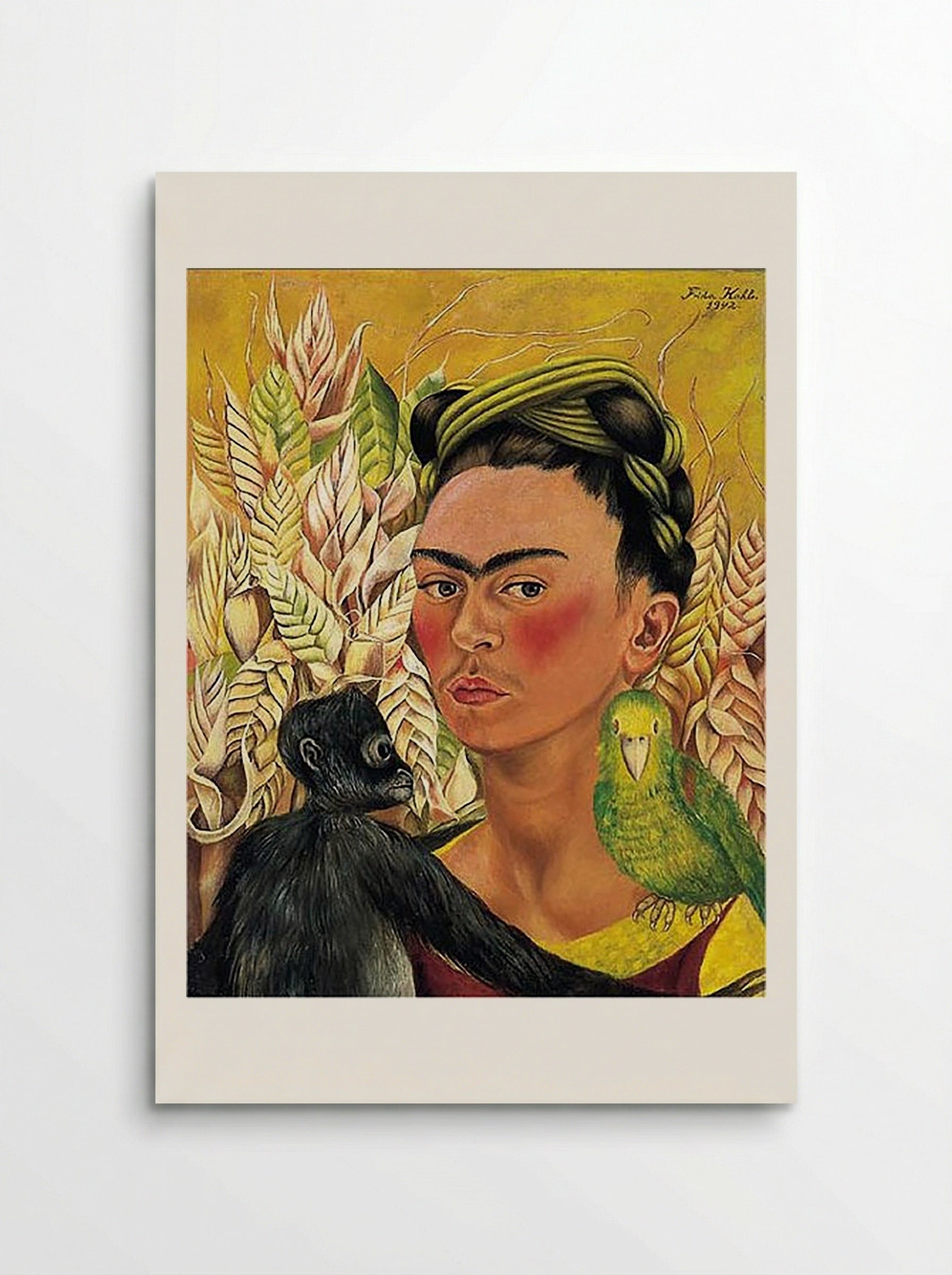
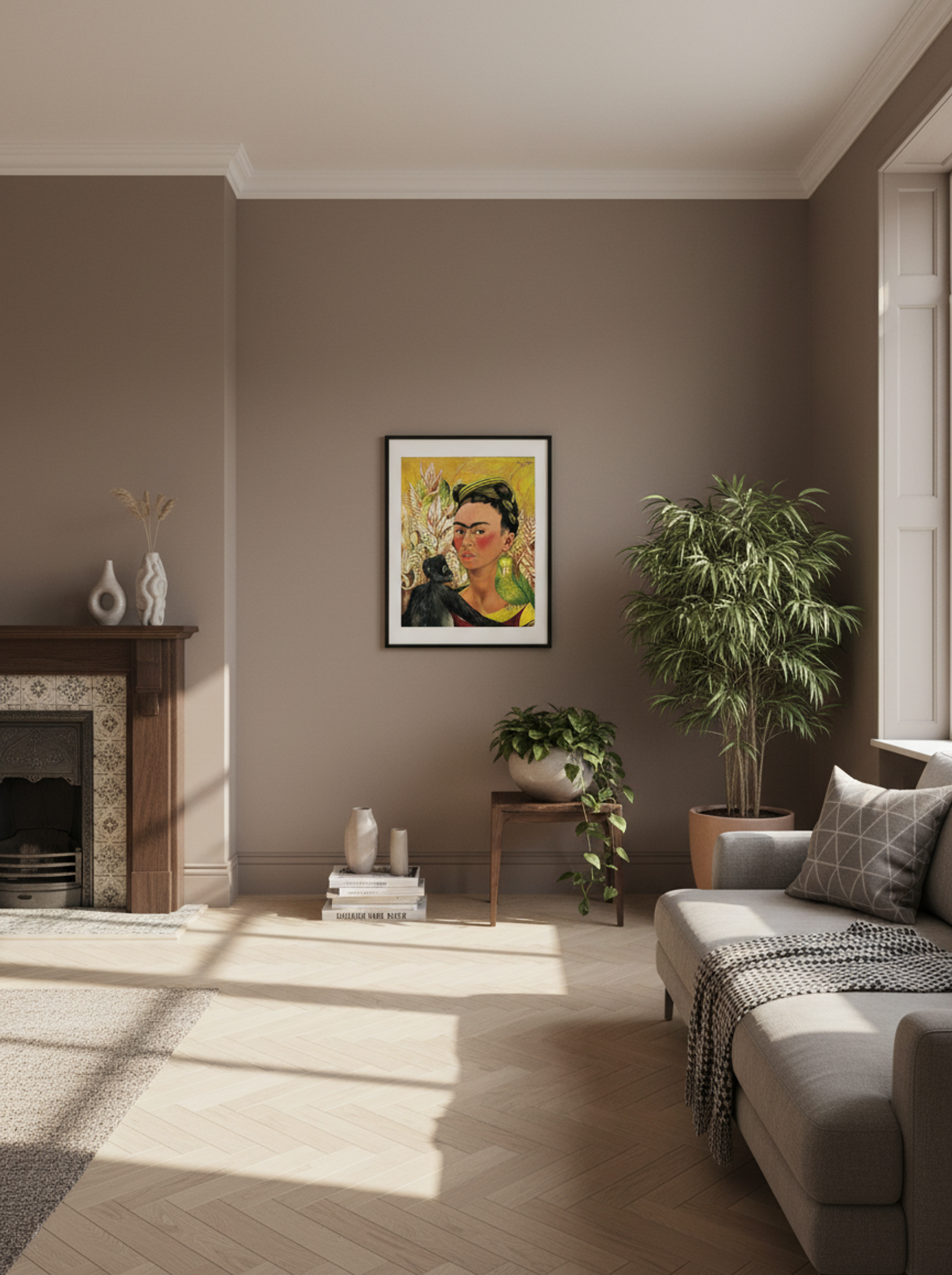 Self-Portrait with Monkey and Parrot - Frida Kahlo
Print · Framed
Regular price From $29.00 USDSale price From $29.00 USD Regular price -
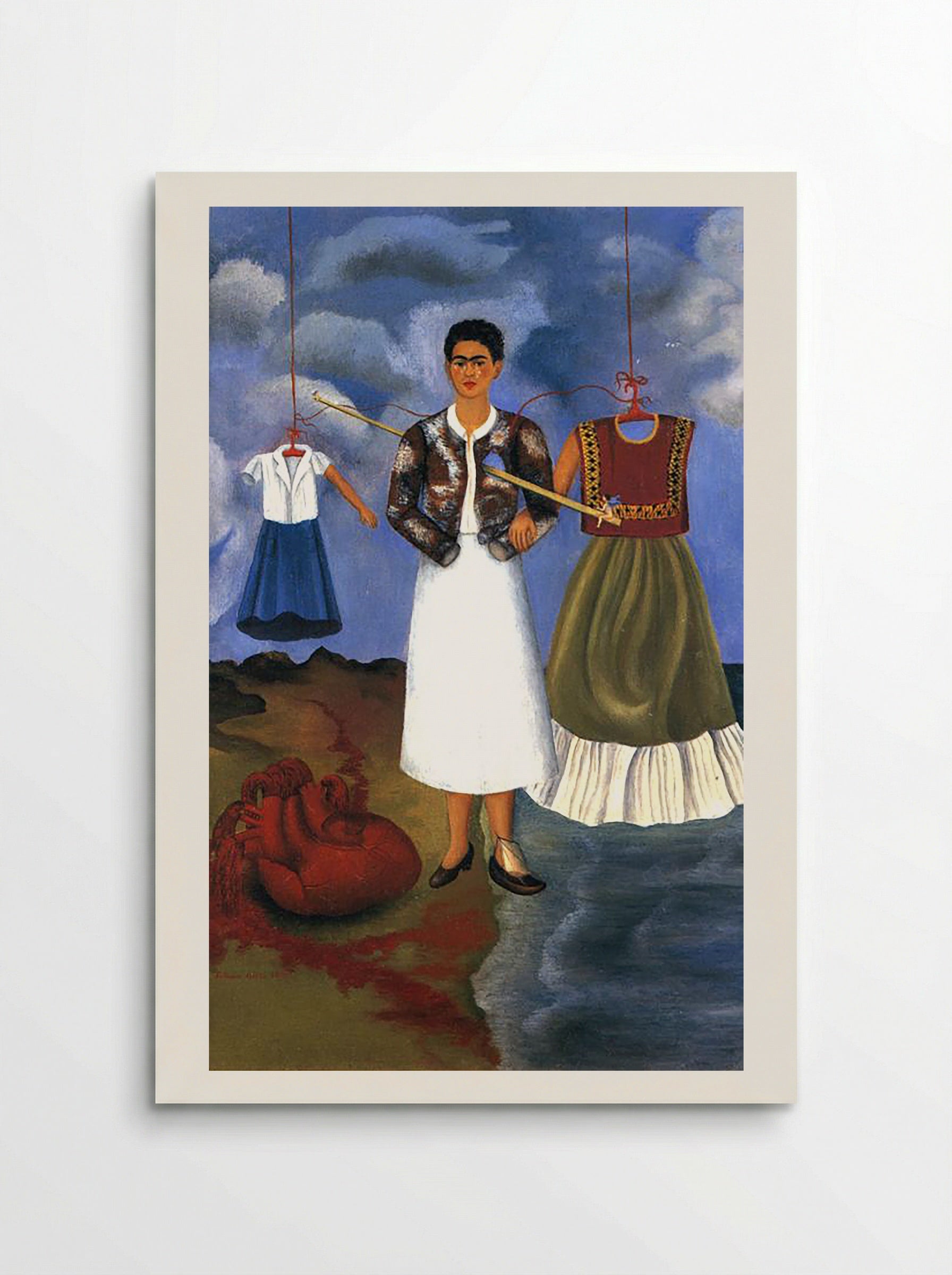
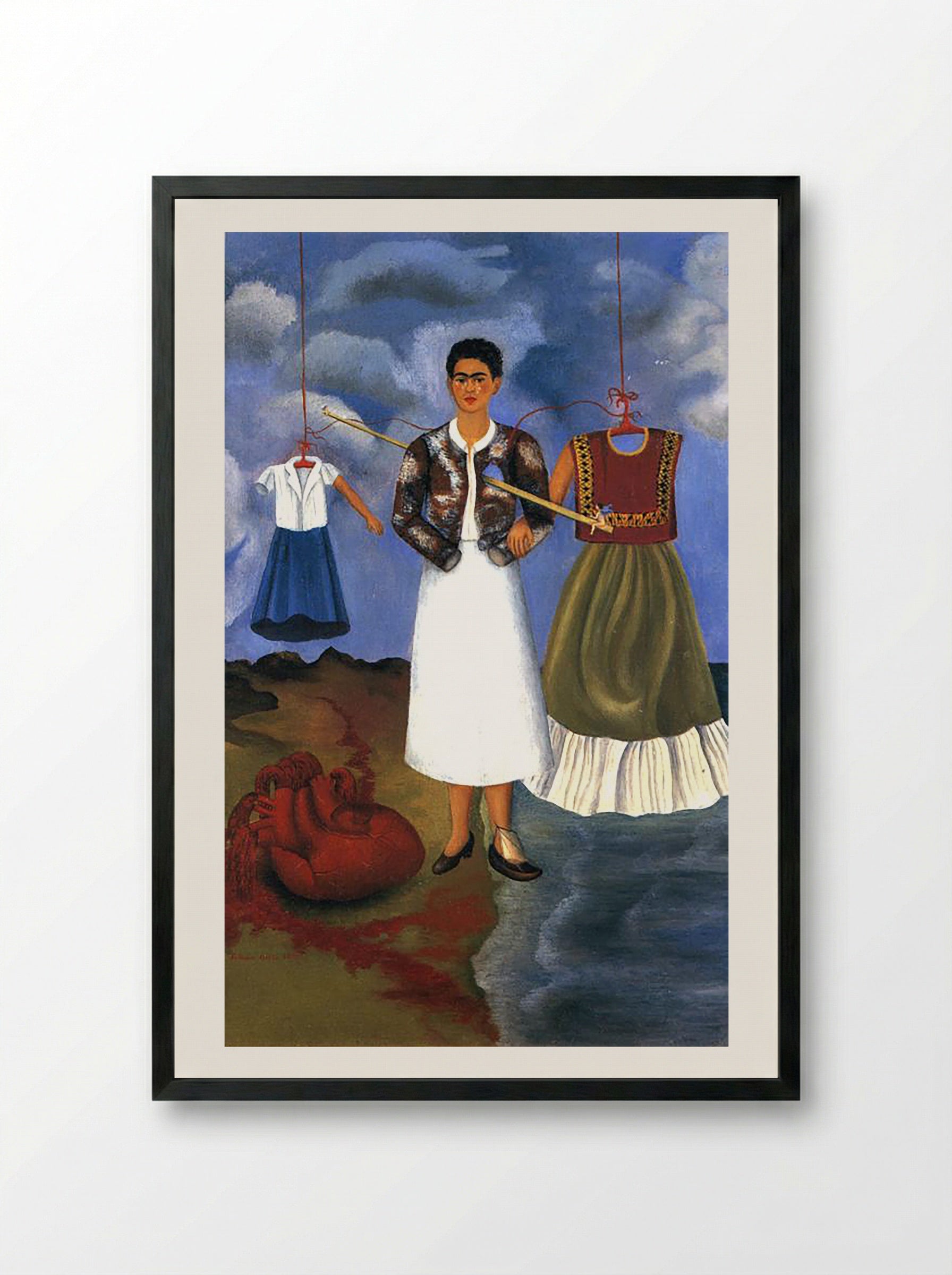 Memory (The Heart) - Frida Kahlo
Print · Framed
Regular price From $29.00 USDSale price From $29.00 USD Regular price -
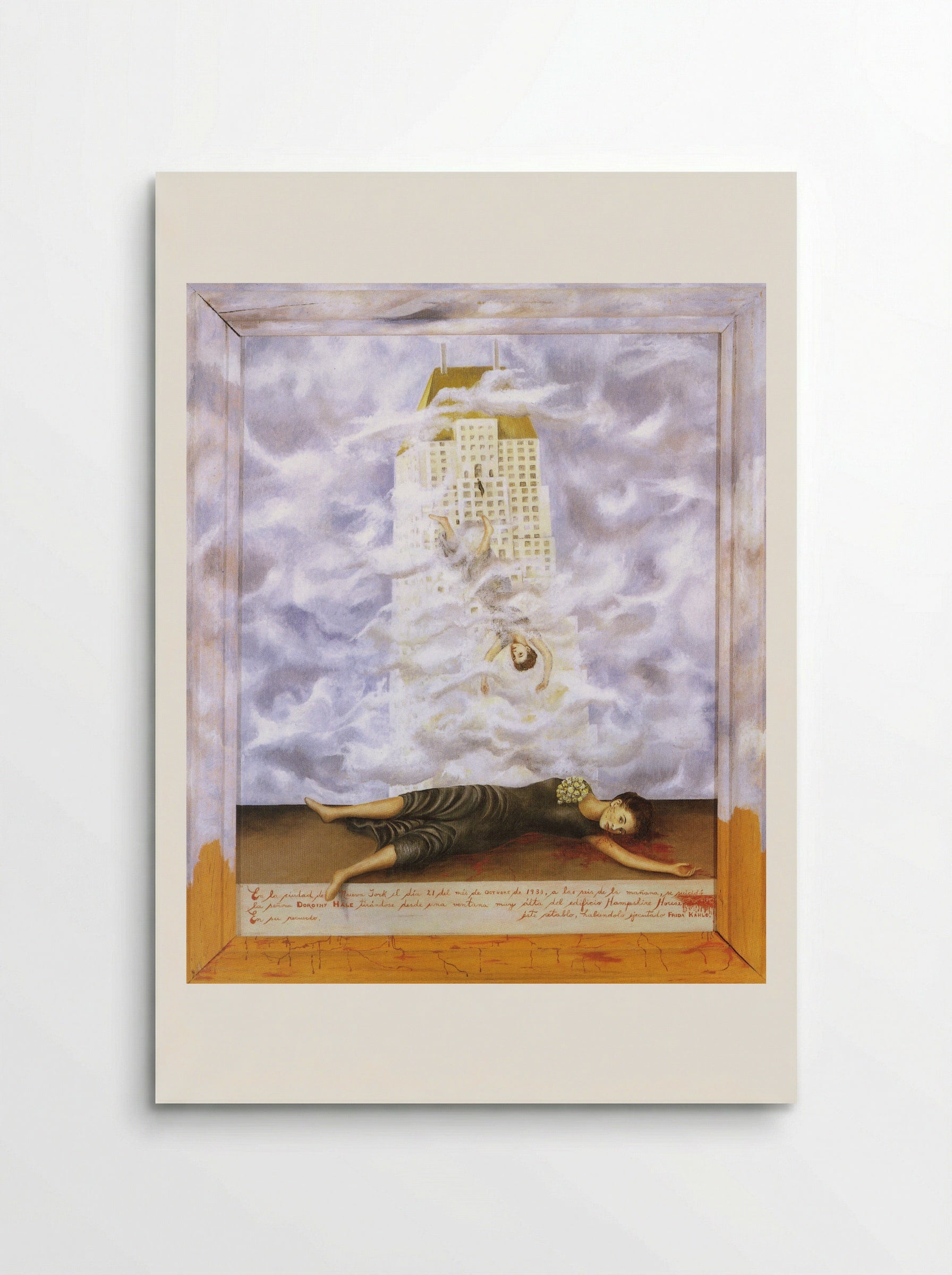
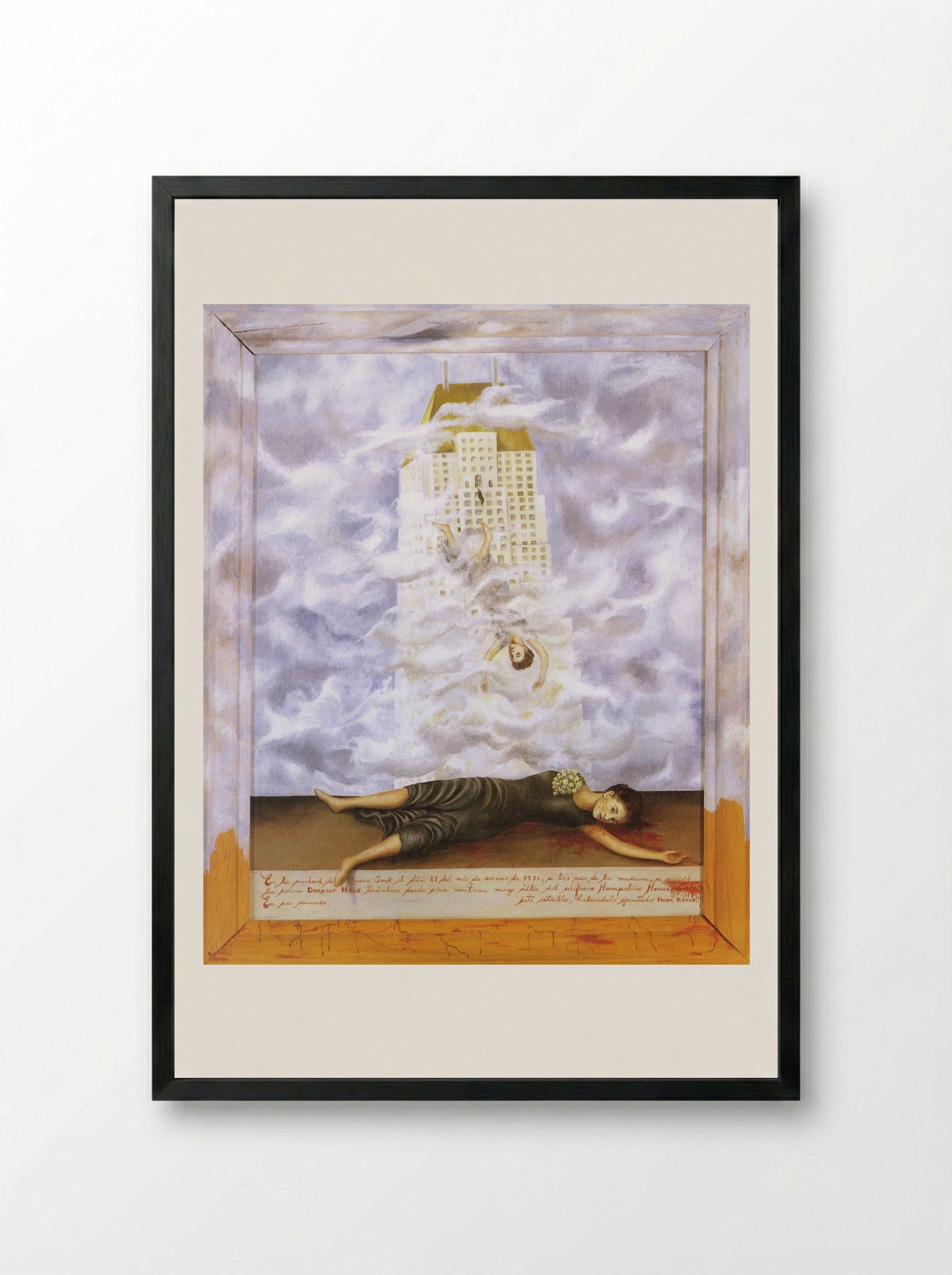 The Suicide of Dorothy Hale - Frida Kahlo
Print · Framed
Regular price From $29.00 USDSale price From $29.00 USD Regular price -

 The Bus - Frida Kahlo
Print · Framed
Regular price From $29.00 USDSale price From $29.00 USD Regular price -
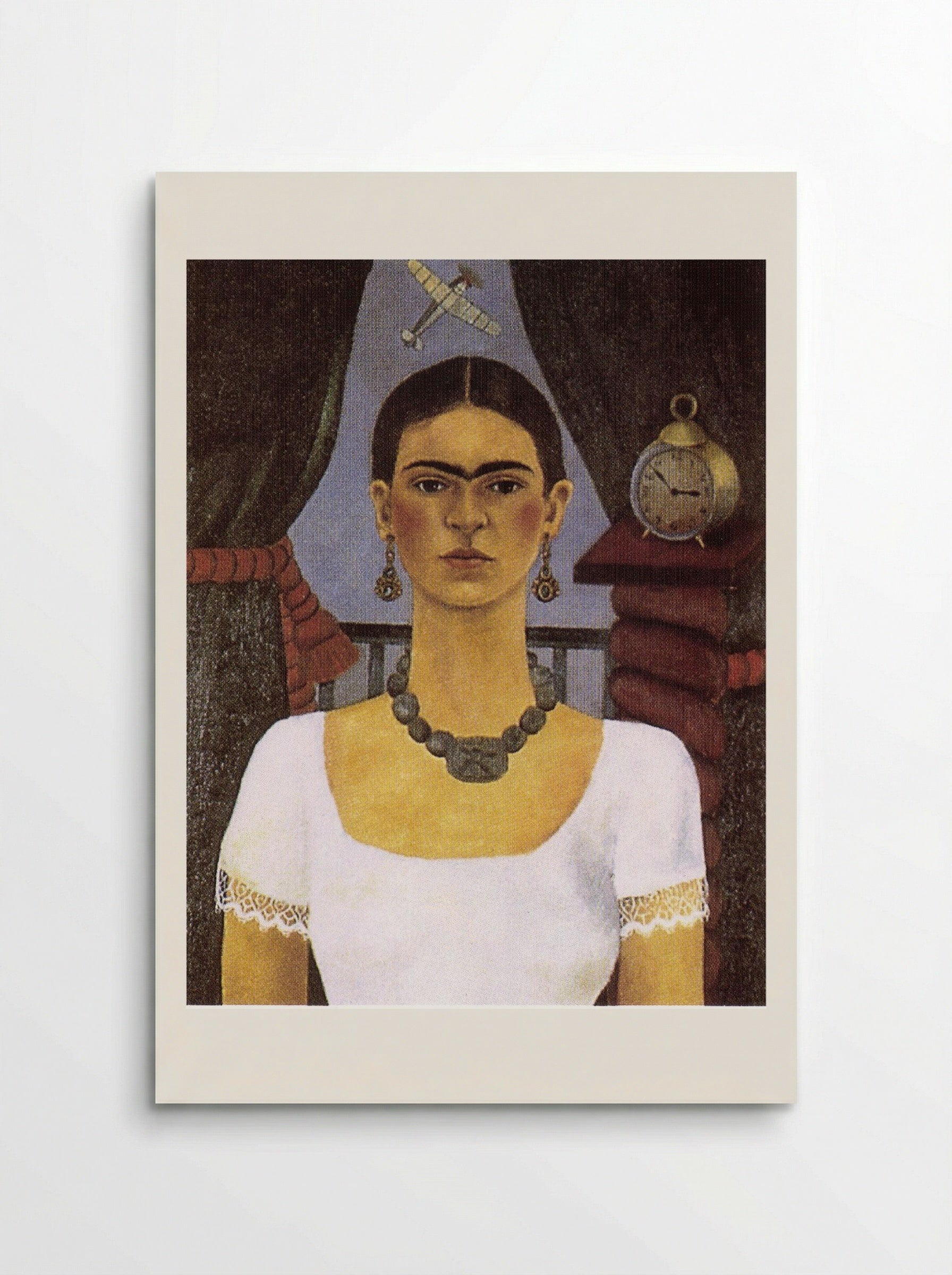
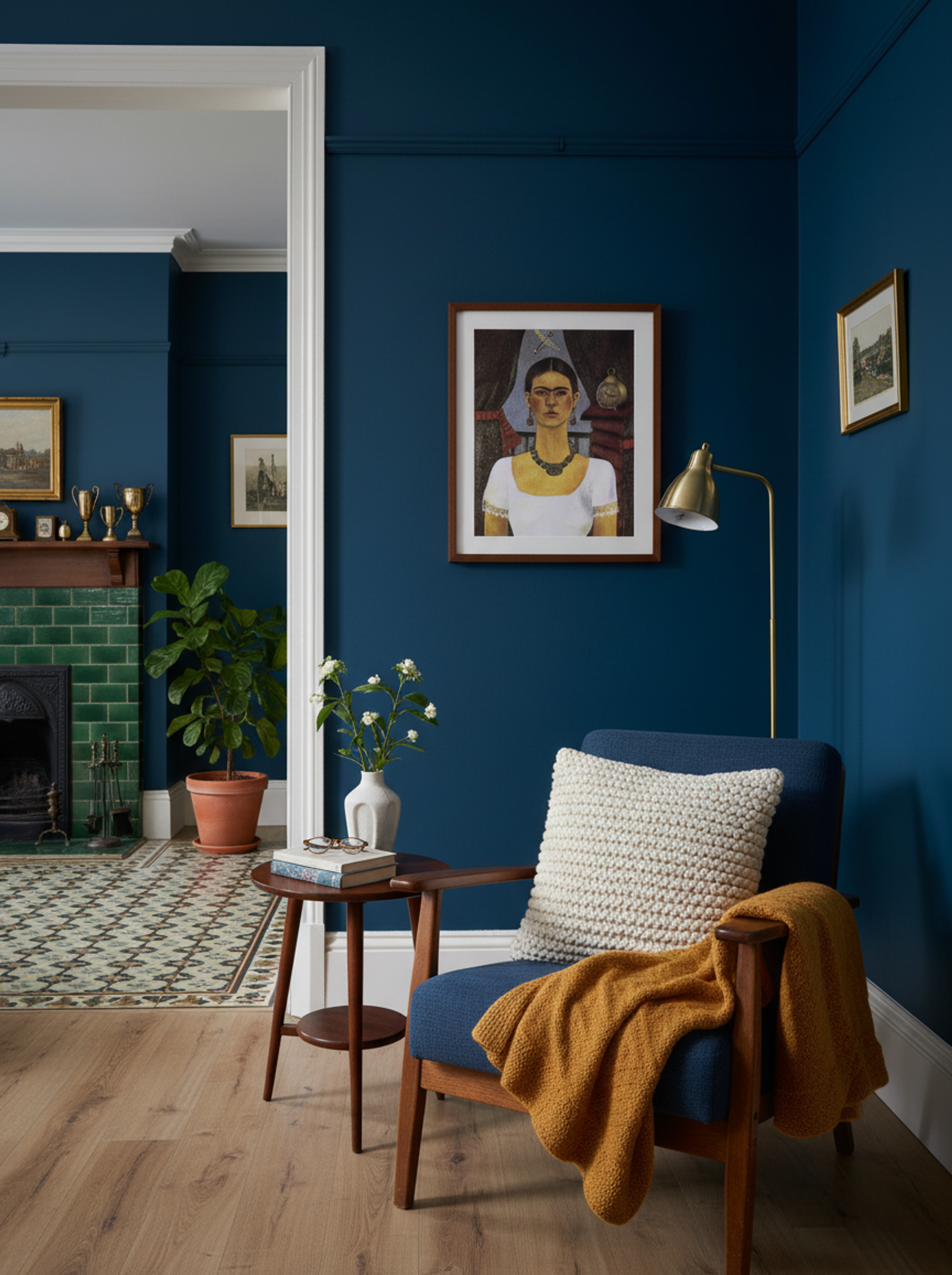 Time Flies - Frida Kahlo
Print · Framed
Regular price From $29.00 USDSale price From $29.00 USD Regular price -
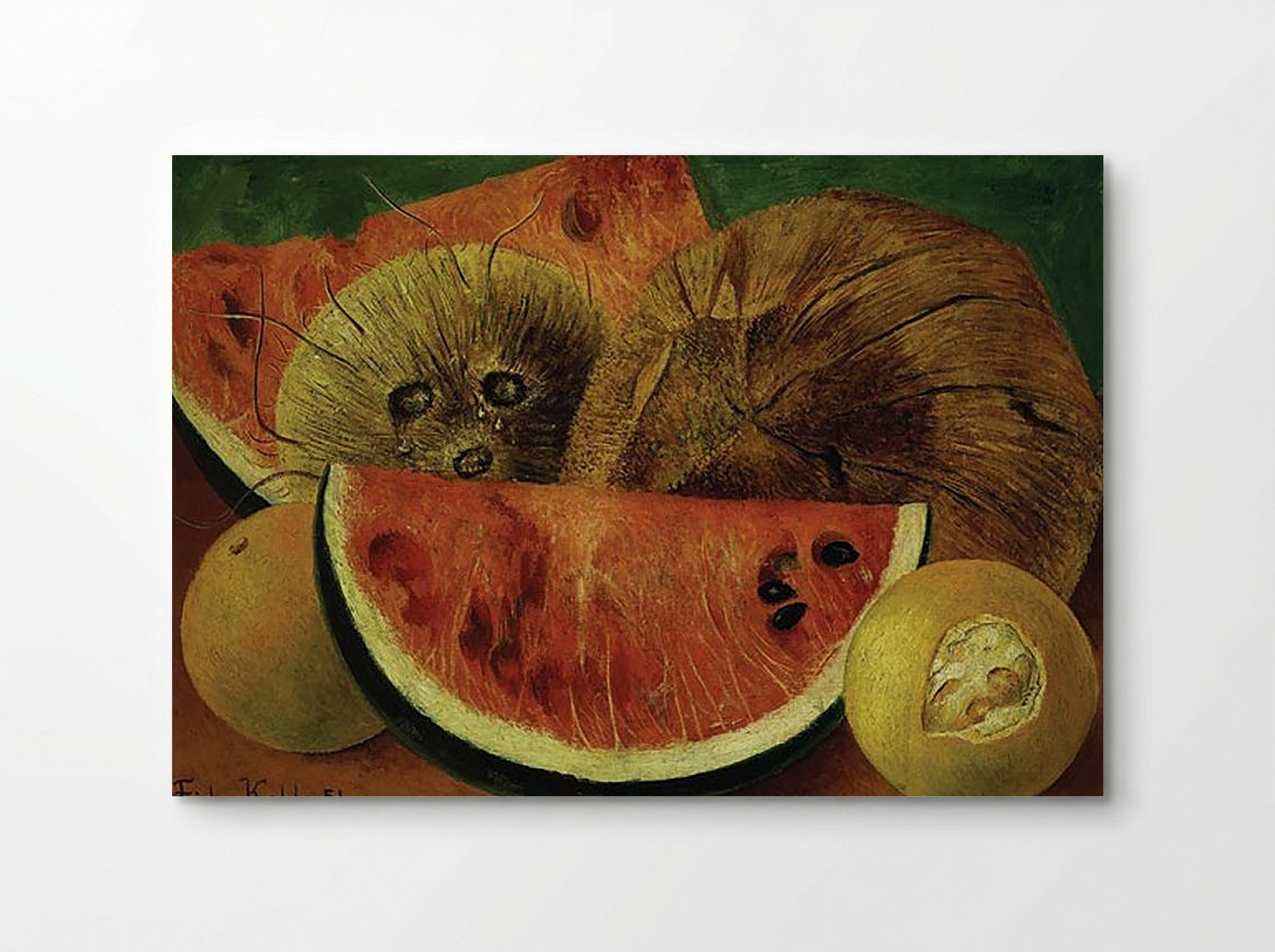
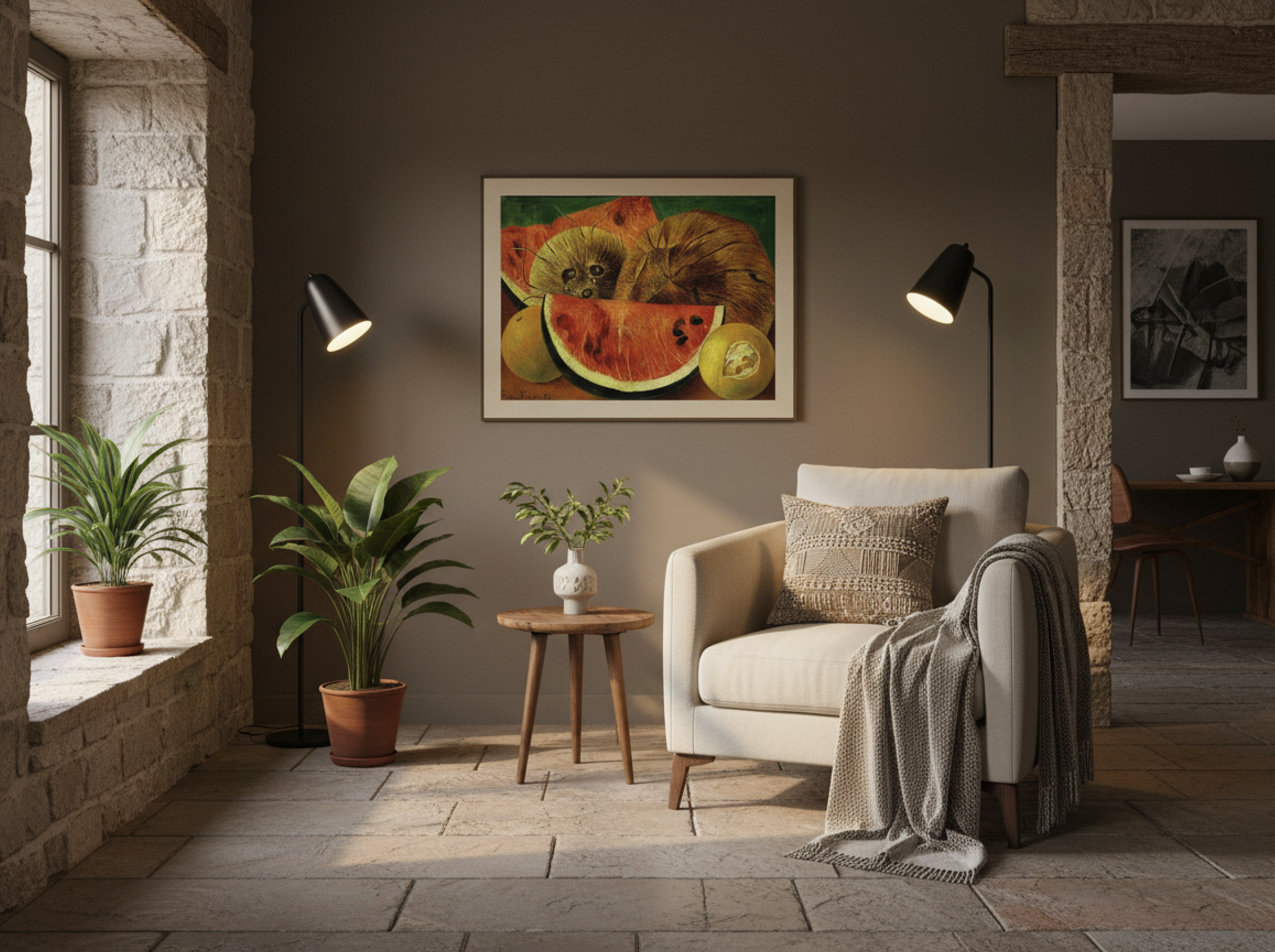 Coconuts - Frida Kahlo
Print · Framed
Regular price From $29.00 USDSale price From $29.00 USD Regular price -
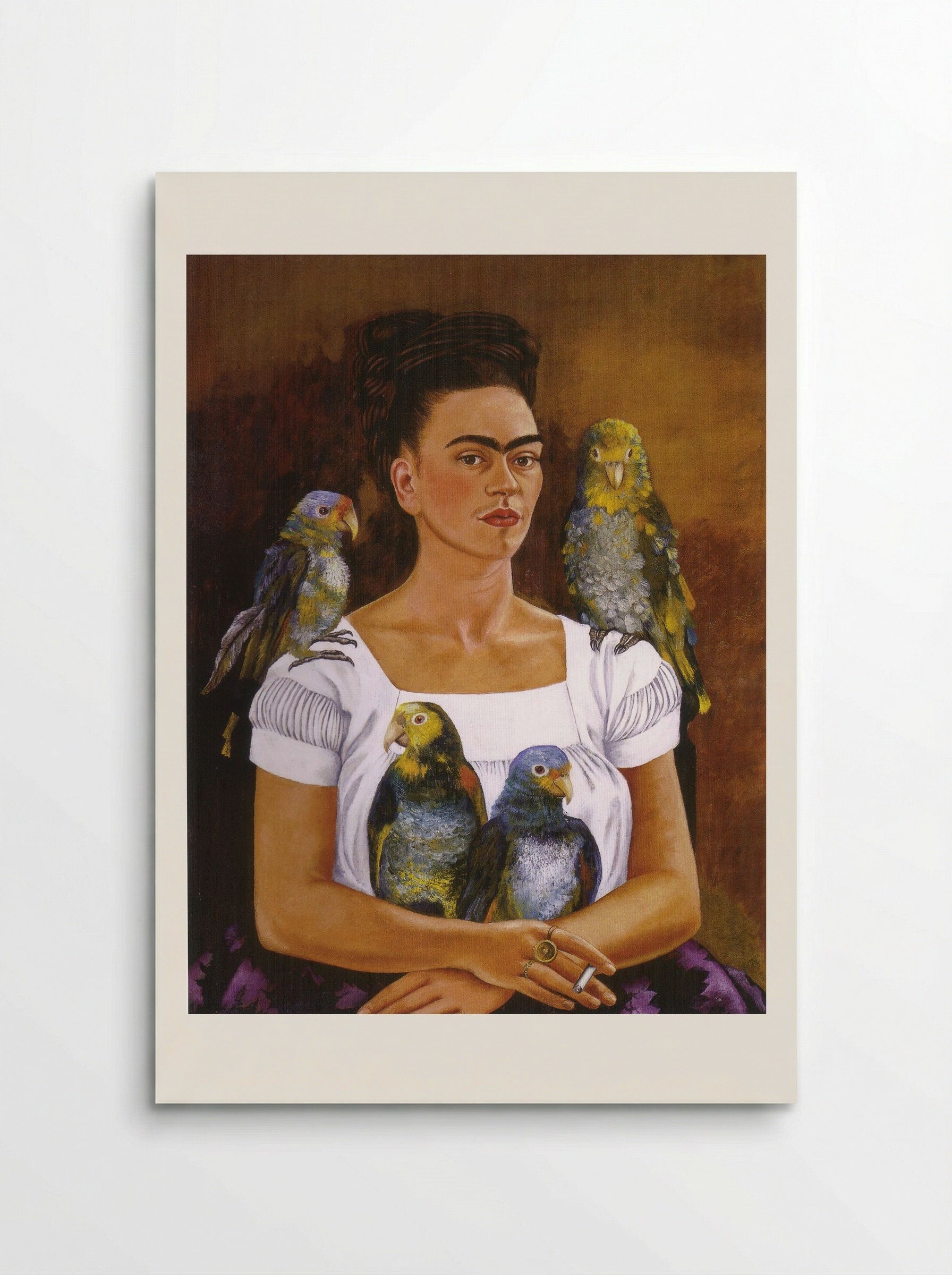
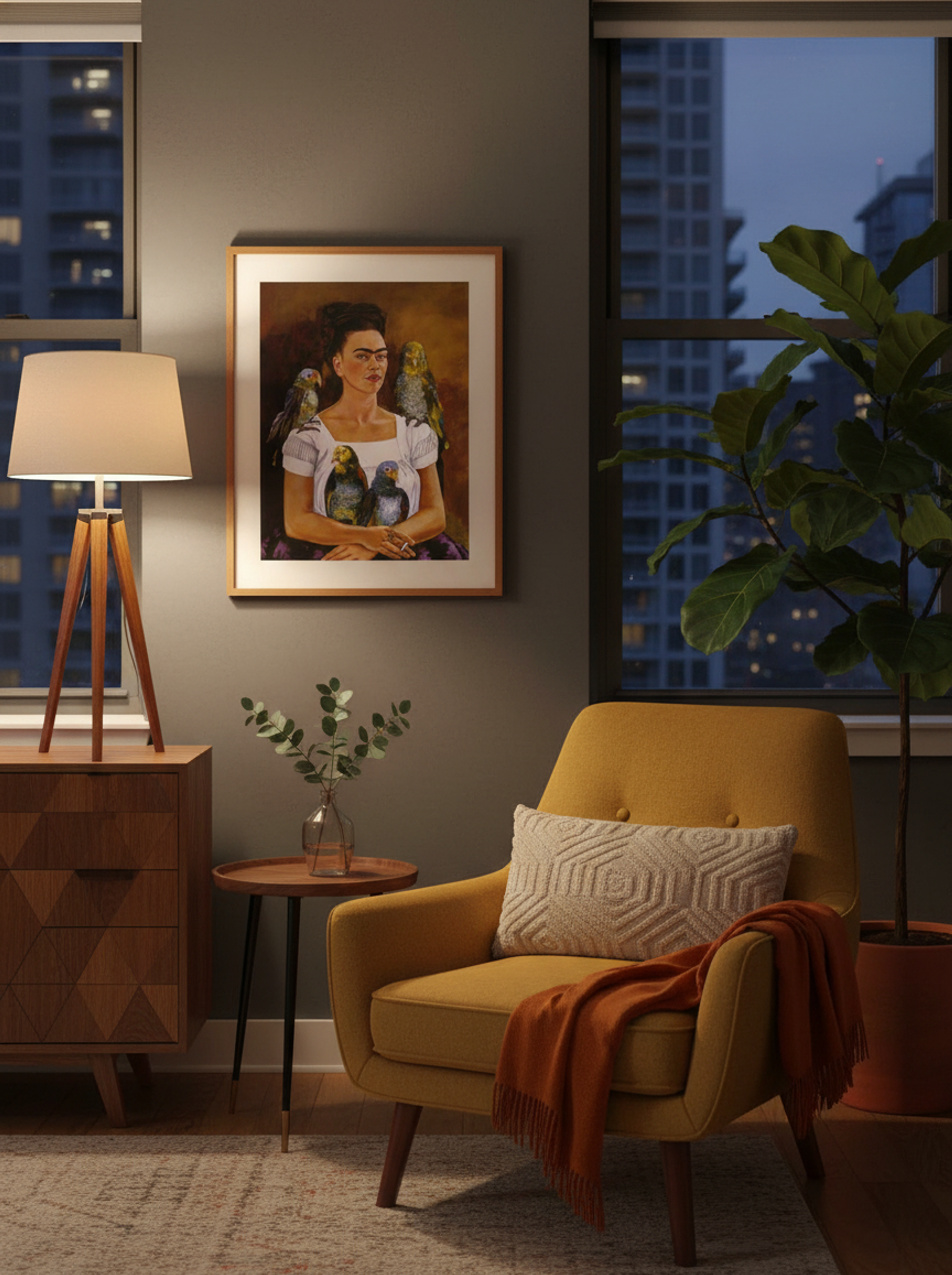 Me and My Parrots - Frida Kahlo
Print · Framed
Regular price From $29.00 USDSale price From $29.00 USD Regular price


Artist Biography
Frida Kahlo
Kahlo started painting after a bus crash. She was eighteen, on her way home from school in Mexico City, when the bus was hit by a streetcar. A metal handrail pierced her pelvis. Her spinal column was broken in three places. Her collarbone, two ribs, and her right leg were fractured. She spent months in a full body cast, and her mother had a special easel built so she could paint lying down.
She had already been ill. Polio at six left her right leg thinner than her left, a disproportion she hid with long skirts. The bus accident compounded everything. She would have thirty-five operations over her lifetime. Pain was the background condition of her work, though reducing her paintings to autobiography misses what she actually did with the medium.
She married Diego Rivera in 1929. He was twenty years older, already Mexico's most famous muralist, and physically twice her size. Her parents called the marriage a union between an elephant and a dove. They divorced in 1939, remarried in 1940, and continued a relationship that was mutually unfaithful, politically intense, and artistically competitive. Rivera said she was the better painter. He may have been right.
Her paintings are small. Most are self-portraits. They use the visual language of Mexican folk art, ex-votos, and Aztec mythology, combined with a physical directness that makes Surrealism look polite. Andre Breton called her a Surrealist. She disagreed: 'I paint my own reality.' She was right about that too.
She died in 1954 at forty-seven. Her diary entry for the last day reads 'I hope the leaving is joyful and I hope never to return.'
She had already been ill. Polio at six left her right leg thinner than her left, a disproportion she hid with long skirts. The bus accident compounded everything. She would have thirty-five operations over her lifetime. Pain was the background condition of her work, though reducing her paintings to autobiography misses what she actually did with the medium.
She married Diego Rivera in 1929. He was twenty years older, already Mexico's most famous muralist, and physically twice her size. Her parents called the marriage a union between an elephant and a dove. They divorced in 1939, remarried in 1940, and continued a relationship that was mutually unfaithful, politically intense, and artistically competitive. Rivera said she was the better painter. He may have been right.
Her paintings are small. Most are self-portraits. They use the visual language of Mexican folk art, ex-votos, and Aztec mythology, combined with a physical directness that makes Surrealism look polite. Andre Breton called her a Surrealist. She disagreed: 'I paint my own reality.' She was right about that too.
She died in 1954 at forty-seven. Her diary entry for the last day reads 'I hope the leaving is joyful and I hope never to return.'
Related Artists


Why Choose Us ?