

Collection
Henri Fantin Latour
Explore curated art prints selected for distinctive homes and considered interiors.
Suggested filters
-
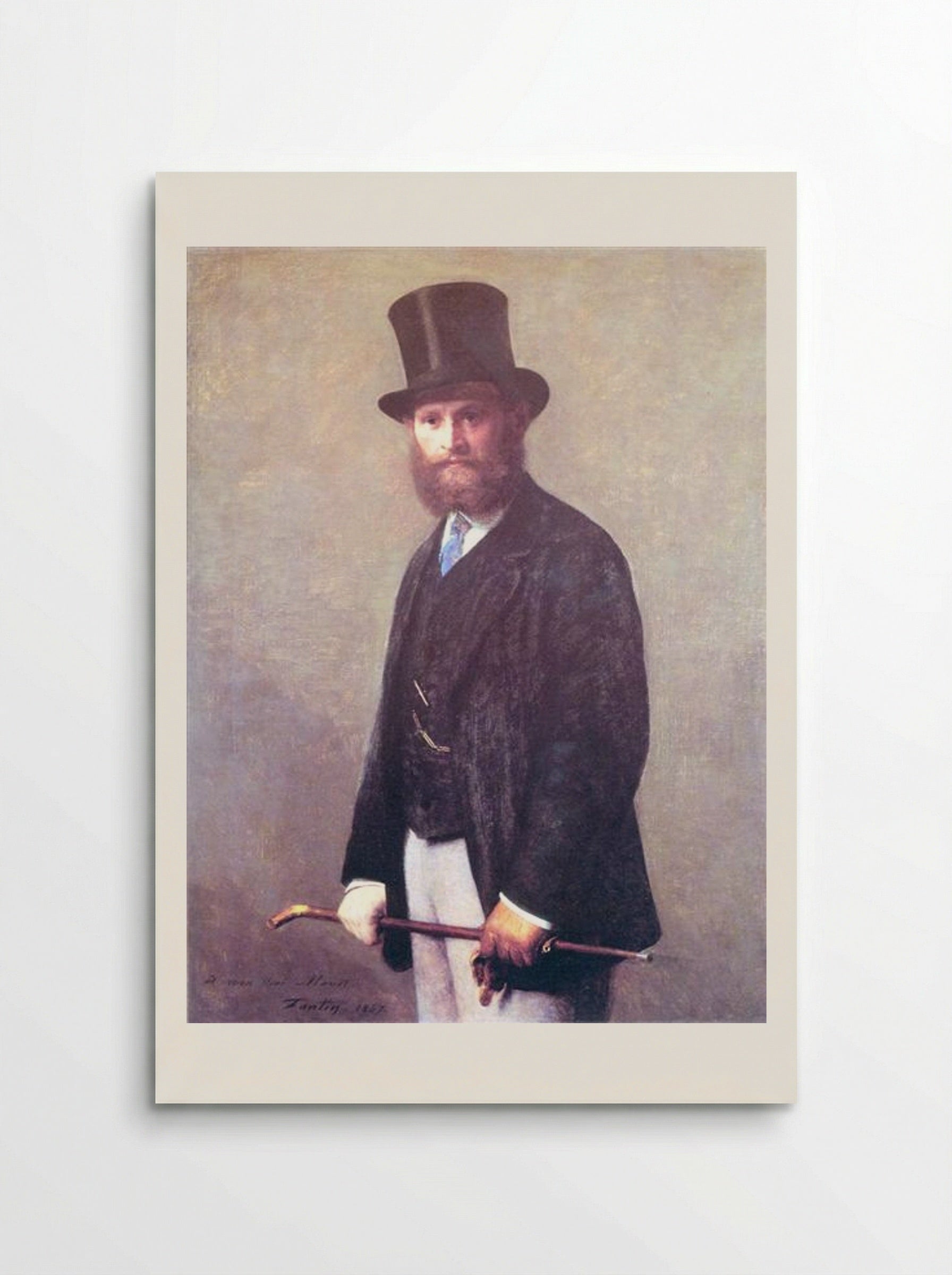 Portrait of Édouard Manet - Henri Fantin-Latour
Print
Regular price From $29.00 USDSale price From $29.00 USD Regular price -
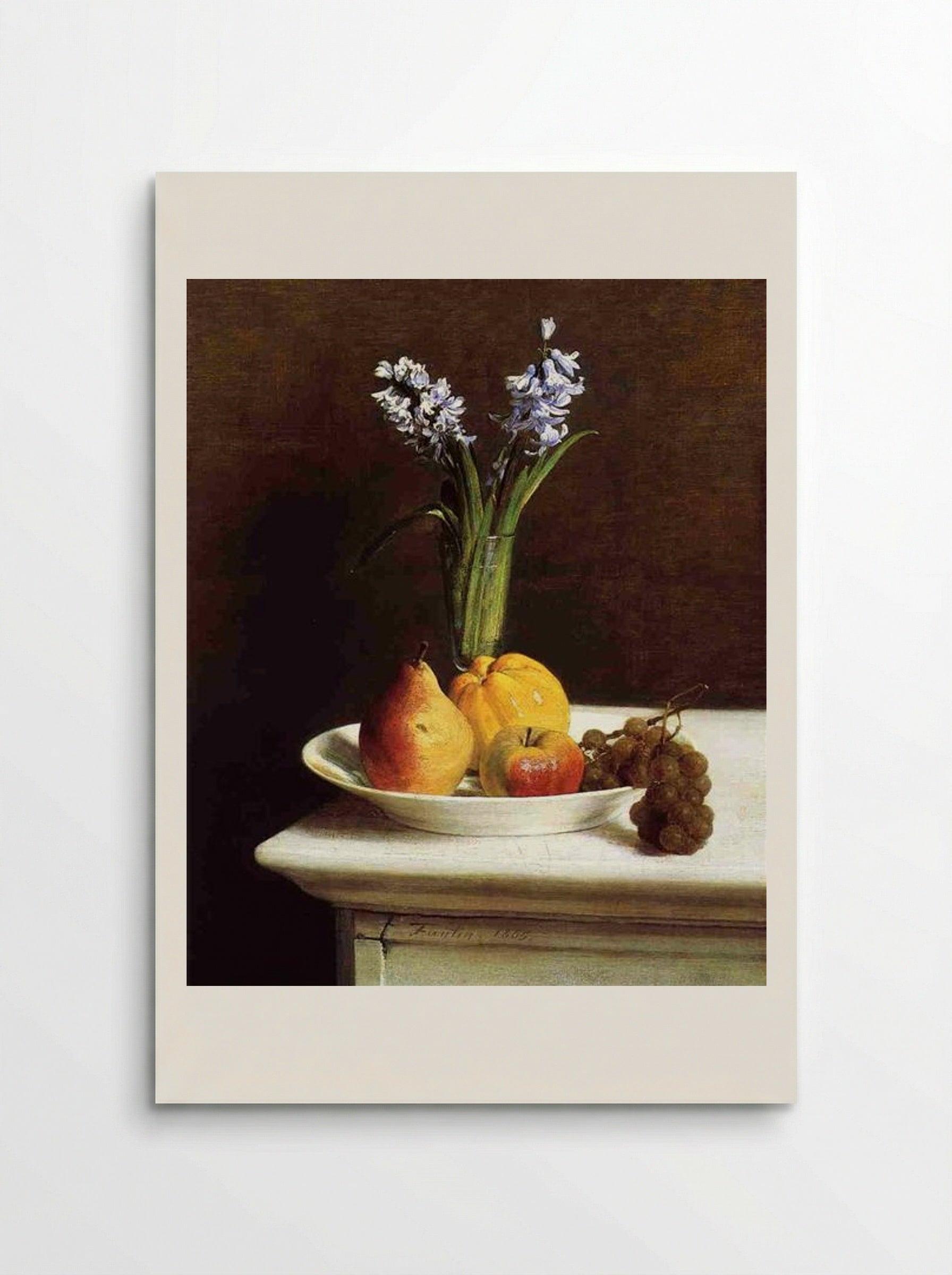 Still Life with Hyacinths and Fruit - Henri Fantin-Latour
Print
Regular price From $29.00 USDSale price From $29.00 USD Regular price -
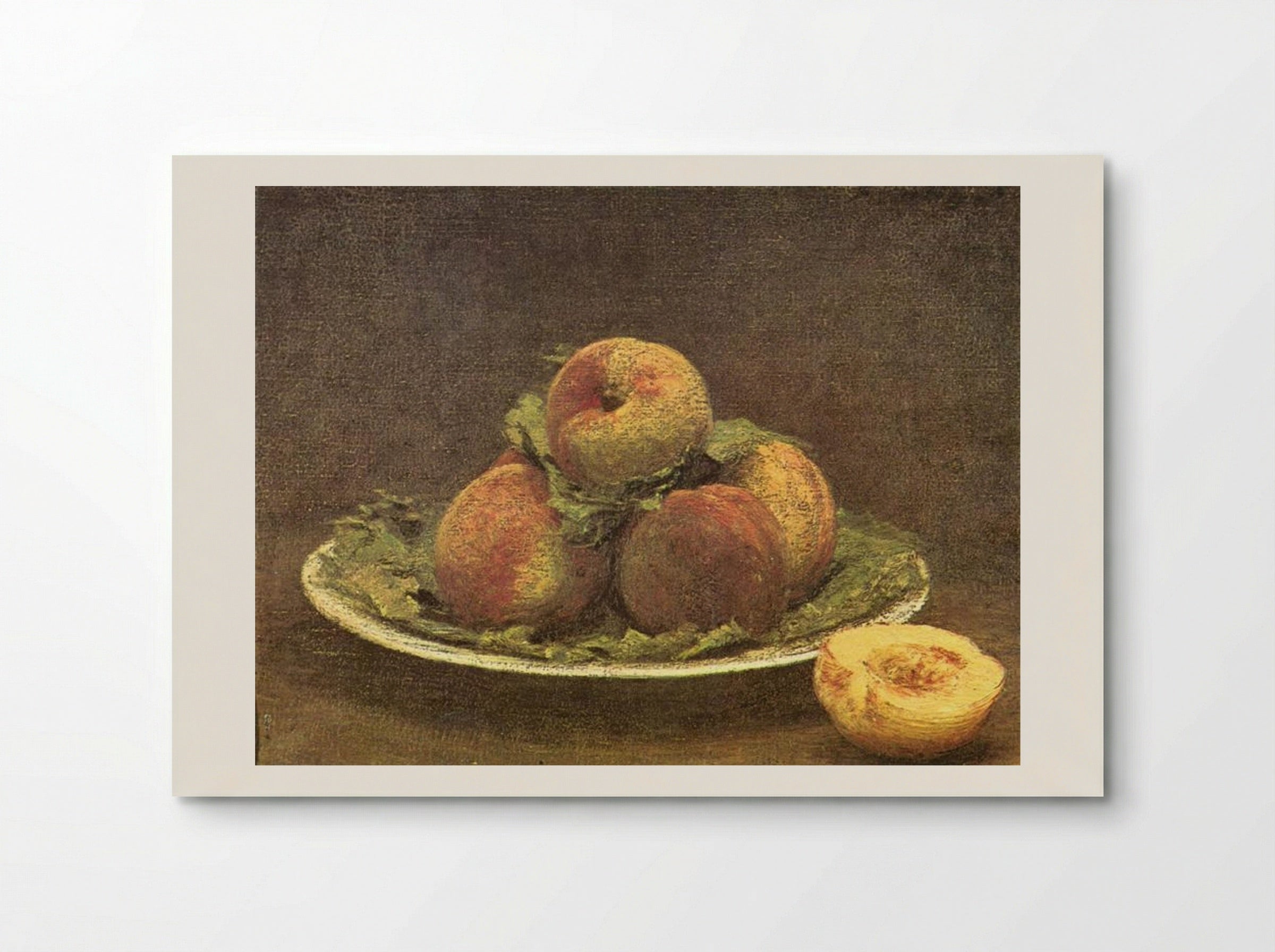 Still Life with Peaches - Henri Fantin-Latour
Print
Regular price From $29.00 USDSale price From $29.00 USD Regular price -
 Lemons, Apples and Tulips - Henri Fantin-Latour
Print
Regular price From $29.00 USDSale price From $29.00 USD Regular price -
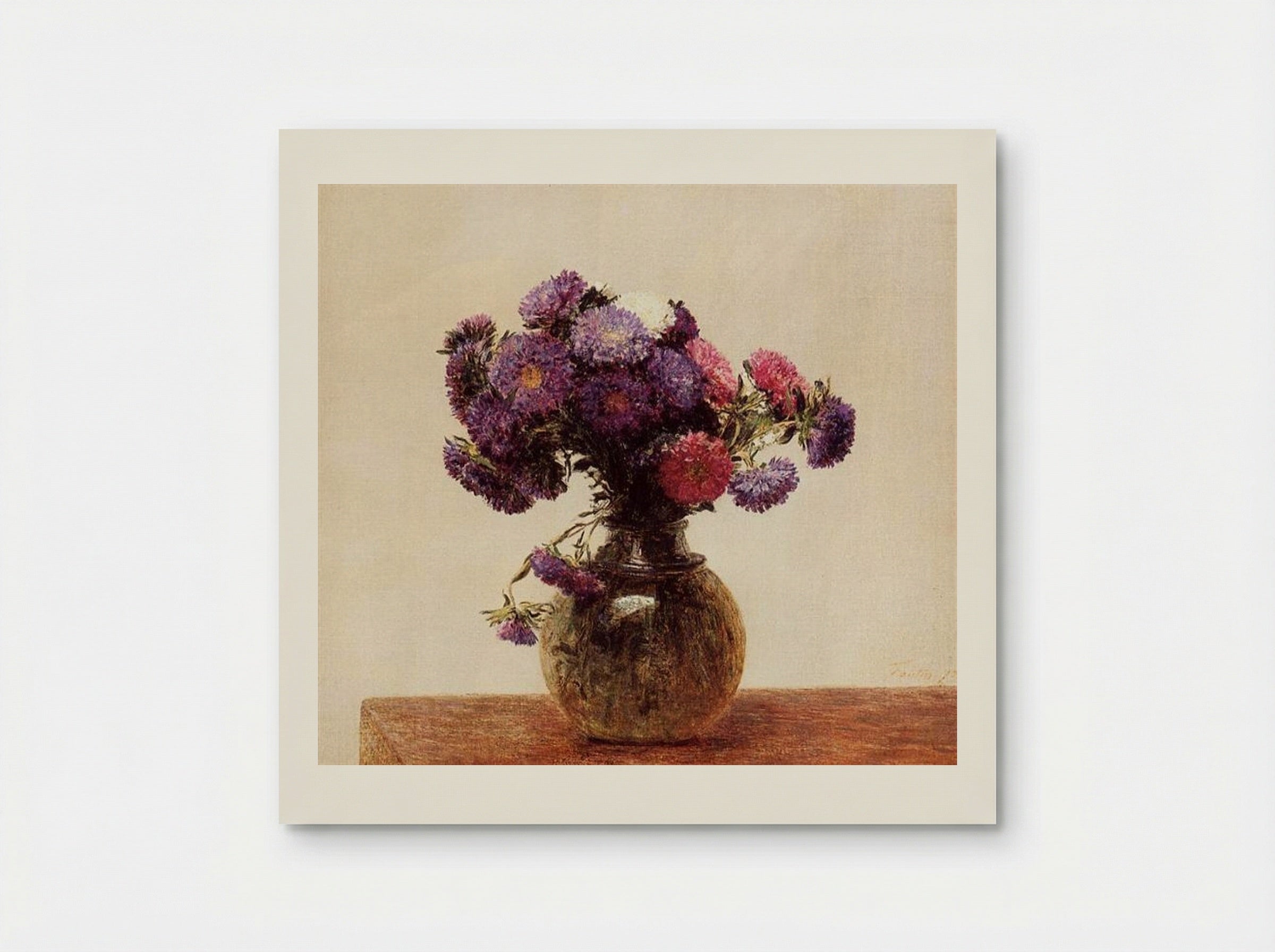 Queens Daisies - Henri Fantin-Latour
Print
Regular price From $39.00 USDSale price From $39.00 USD Regular price -
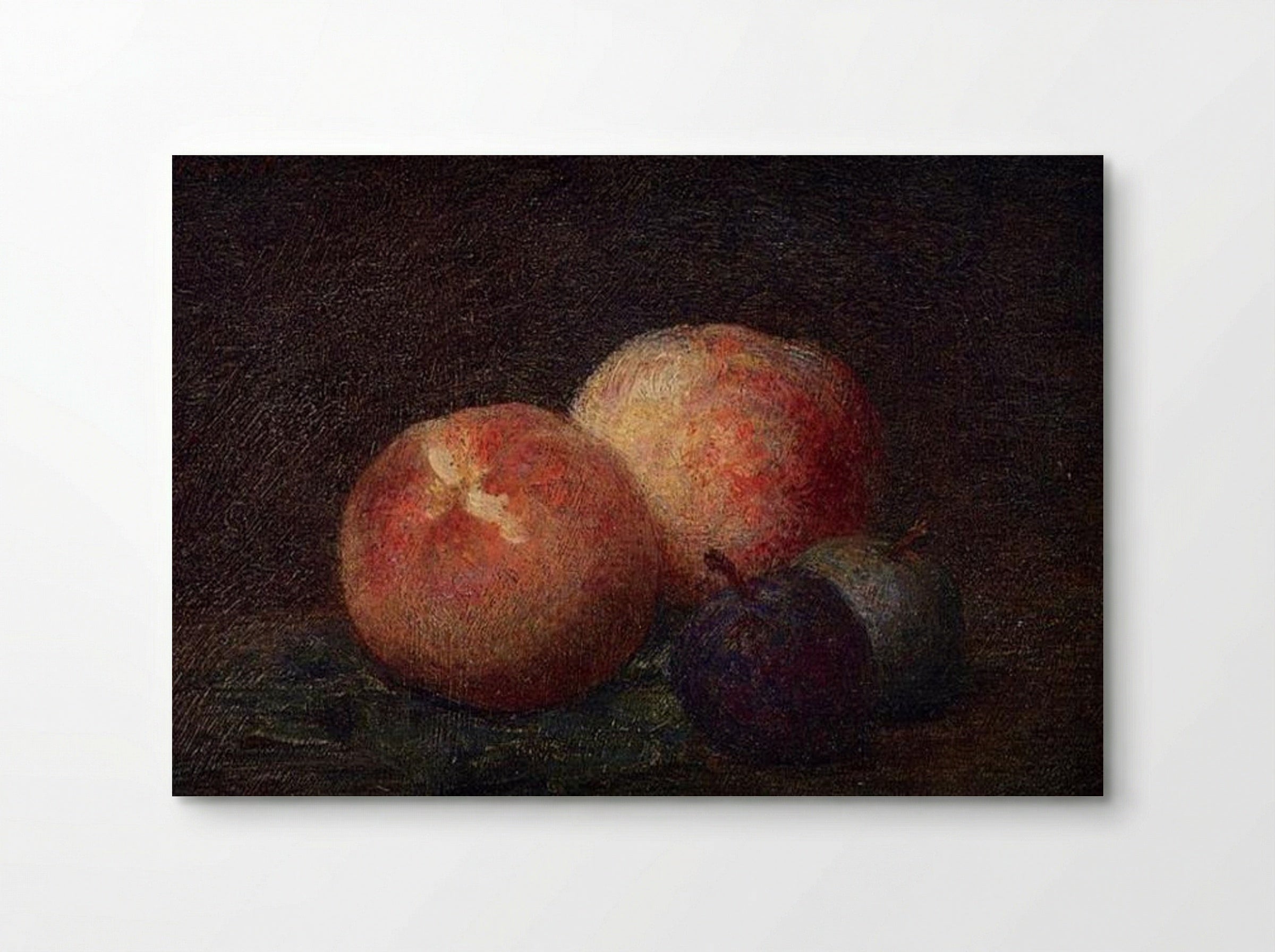 Two Peaches and Two Plums - Henri Fantin-Latour
Print
Regular price From $29.00 USDSale price From $29.00 USD Regular price -
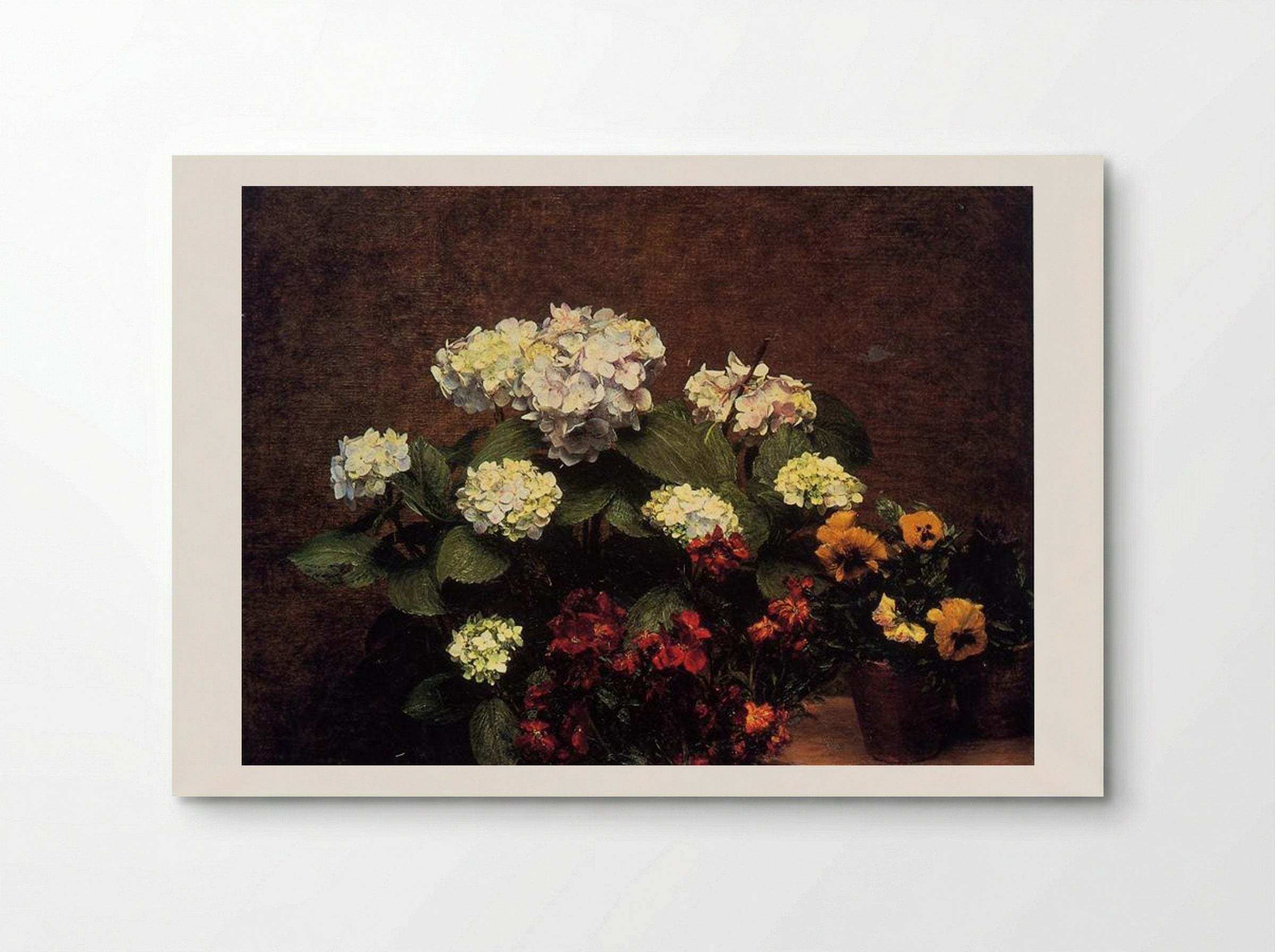 Hydrangias, Cloves and Two Pots of Pansies - Henri Fantin-Latour
Print
Regular price From $29.00 USDSale price From $29.00 USD Regular price -
 Venus and Cupid - Henri Fantin-Latour
Print
Regular price From $29.00 USDSale price From $29.00 USD Regular price -
 Self Portrait - Henri Fantin-Latour
Print
Regular price From $29.00 USDSale price From $29.00 USD Regular price -
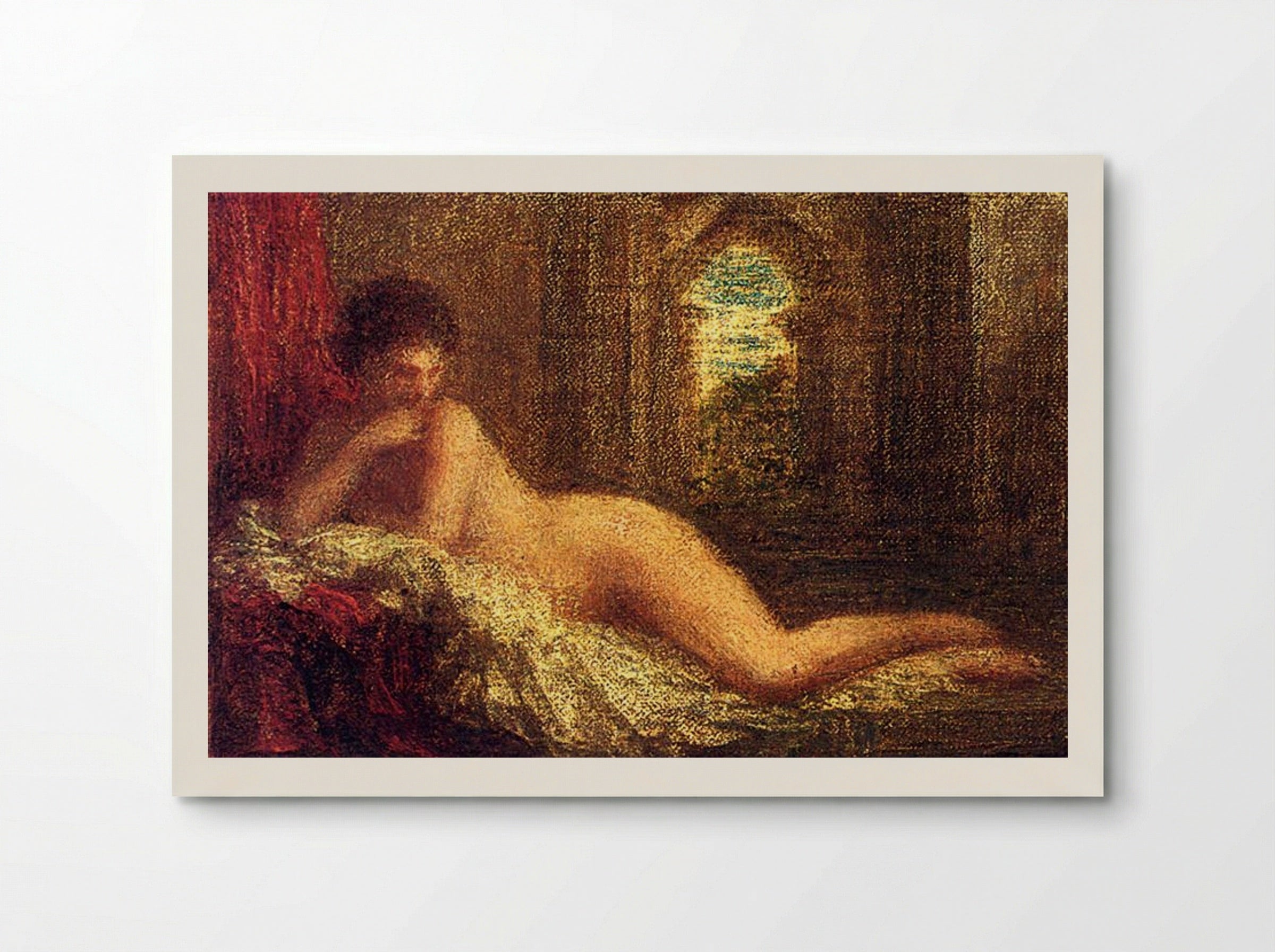 Little East - Henri Fantin-Latour
Print
Regular price From $29.00 USDSale price From $29.00 USD Regular price -
 Roses and Lilies - Henri Fantin-Latour
Print
Regular price From $29.00 USDSale price From $29.00 USD Regular price -
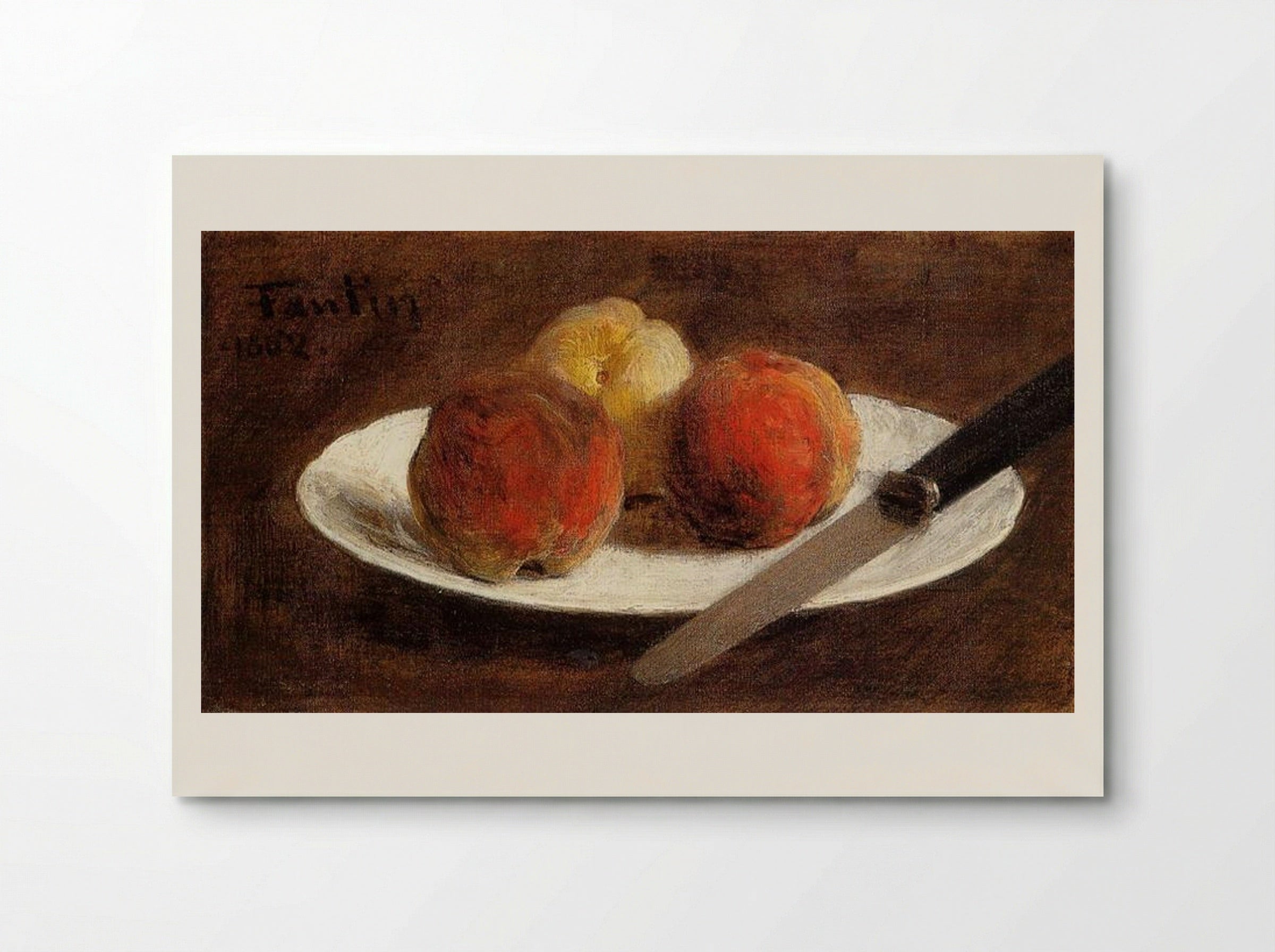 Plate of Peaches - Henri Fantin-Latour
Print
Regular price From $29.00 USDSale price From $29.00 USD Regular price -
 Peaches and a Plum - Henri Fantin-Latour
Print
Regular price From $29.00 USDSale price From $29.00 USD Regular price -
 Immortality - Henri Fantin-Latour
Print
Regular price From $29.00 USDSale price From $29.00 USD Regular price -
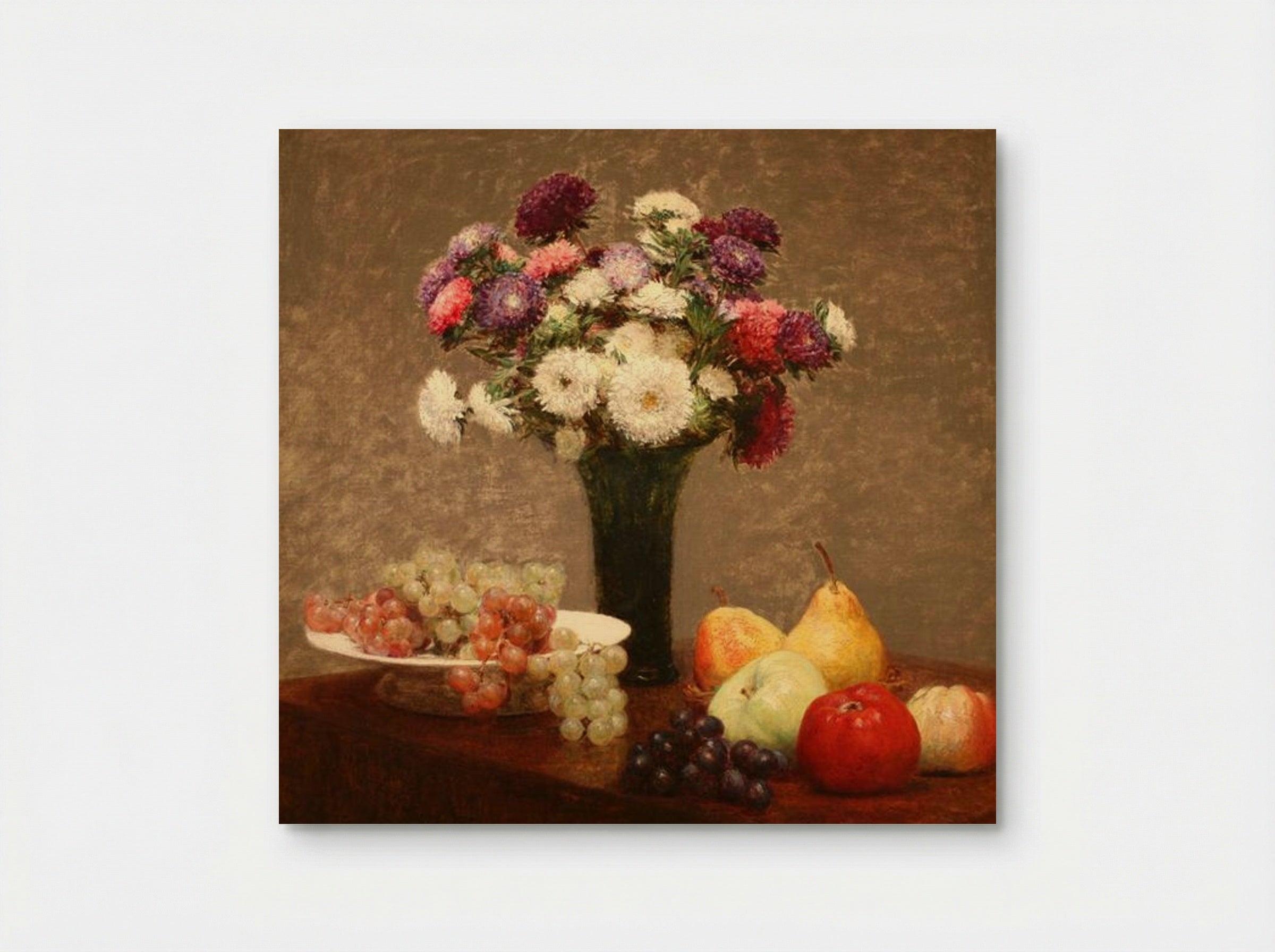 Asters and Fruit on a Table - Henri Fantin-Latour
Print
Regular price From $39.00 USDSale price From $39.00 USD Regular price -
 Still Life with Roses and Fruit - Henri Fantin-Latour
Print
Regular price From $29.00 USDSale price From $29.00 USD Regular price -
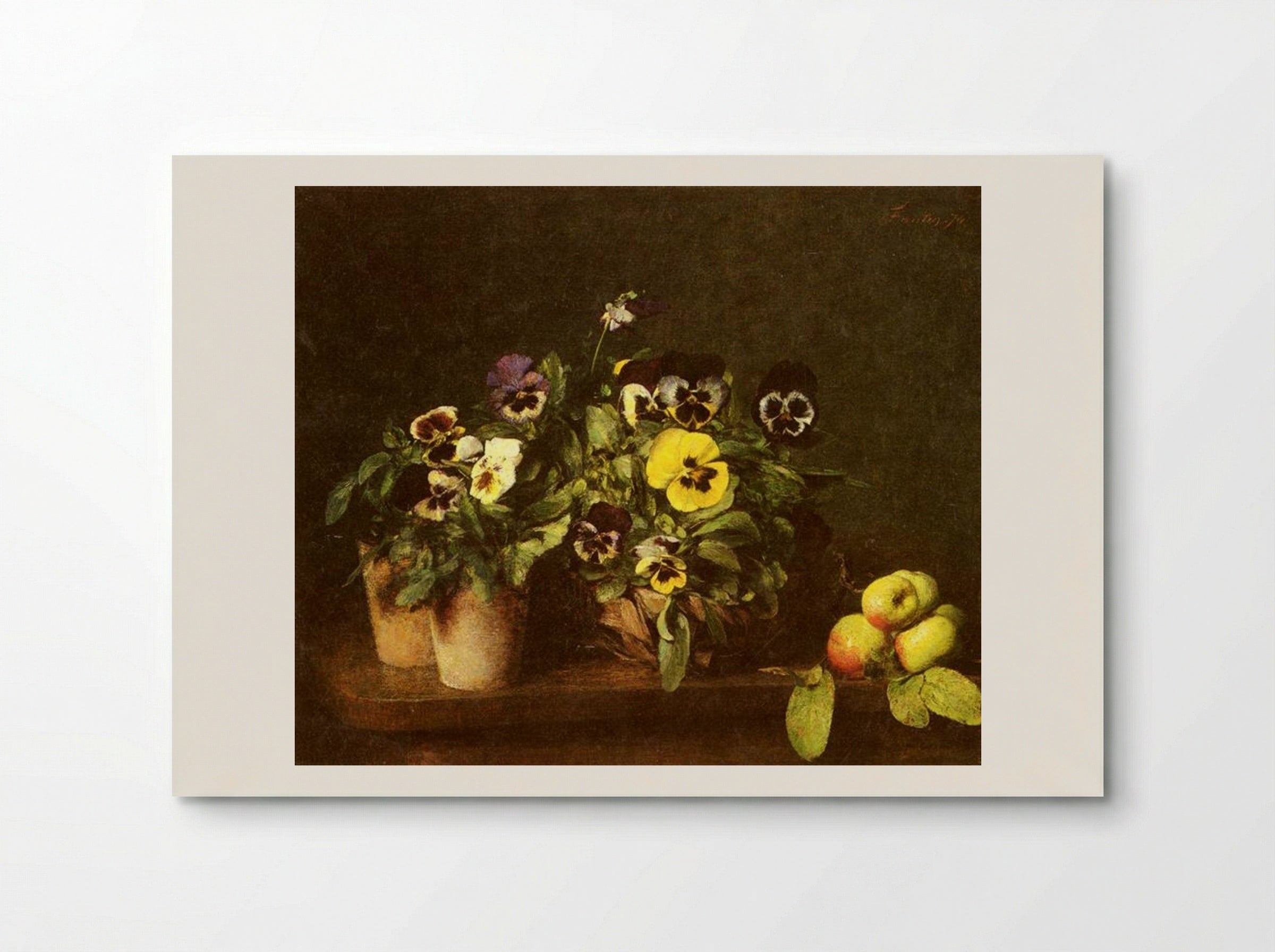 Still Life with Pansies - Henri Fantin-Latour
Print
Regular price From $29.00 USDSale price From $29.00 USD Regular price -
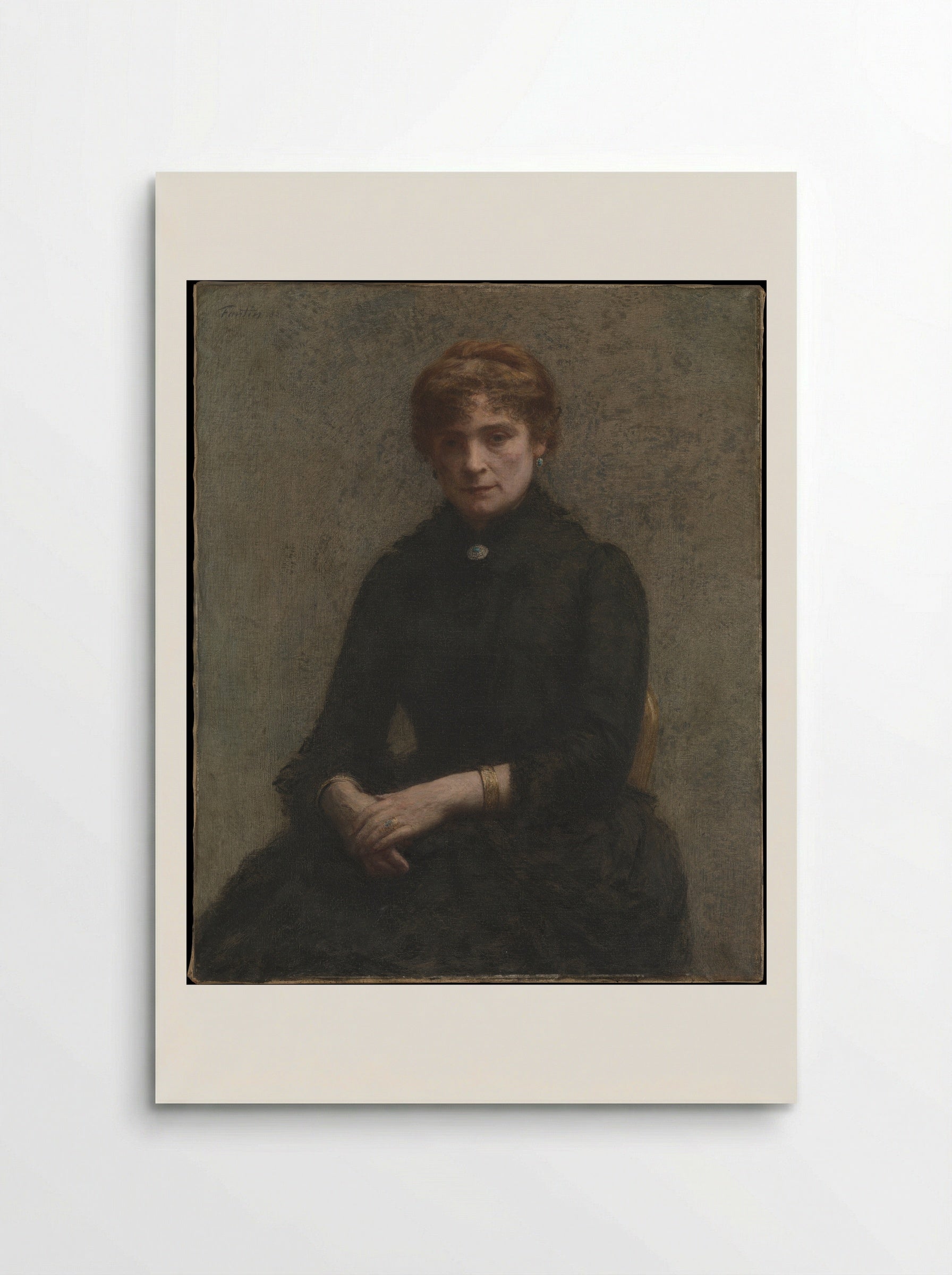
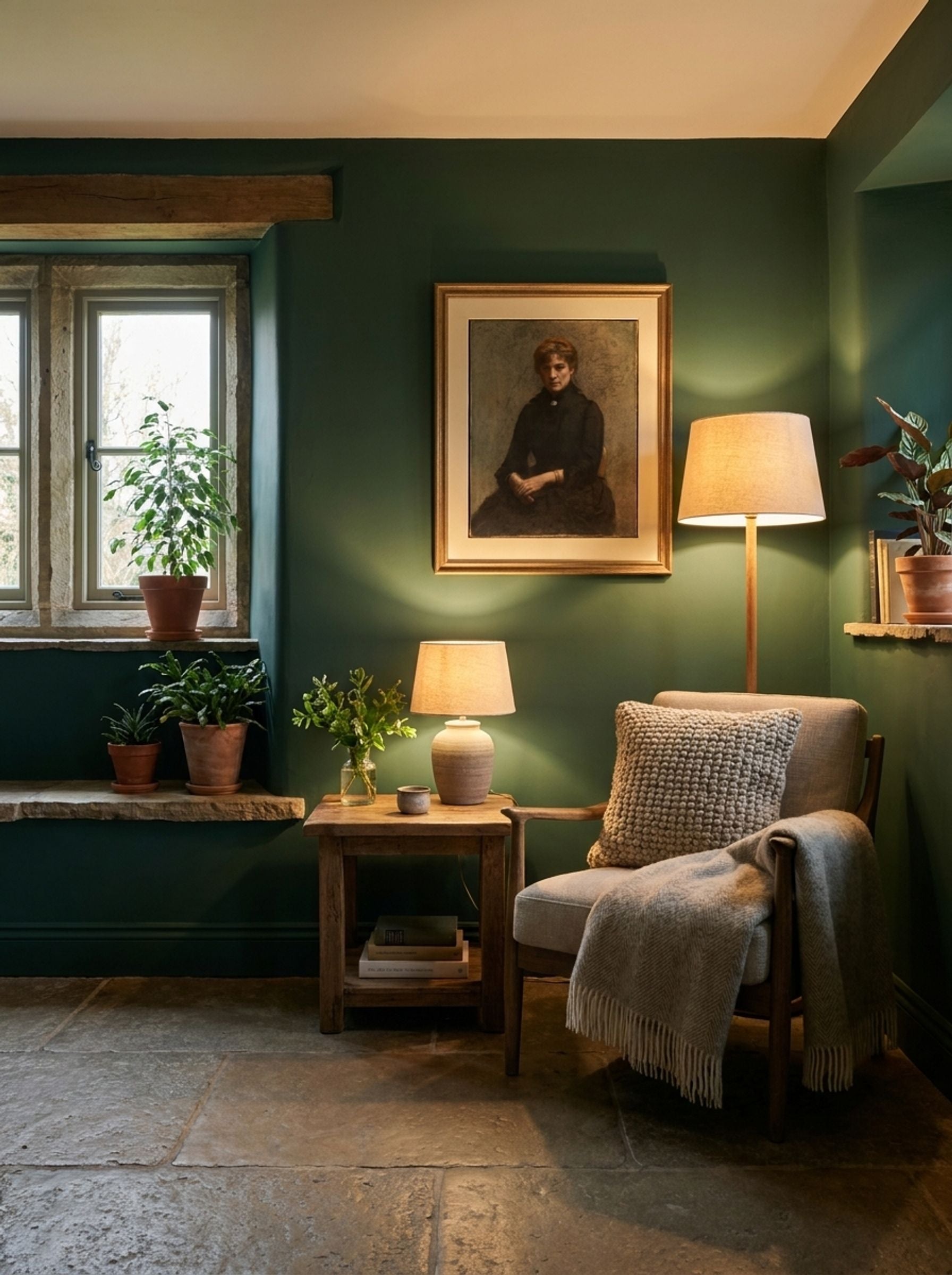 Portrait of a Woman - Henri Fantin-Latour
Print · Framed
Regular price From $29.00 USDSale price From $29.00 USD Regular price -
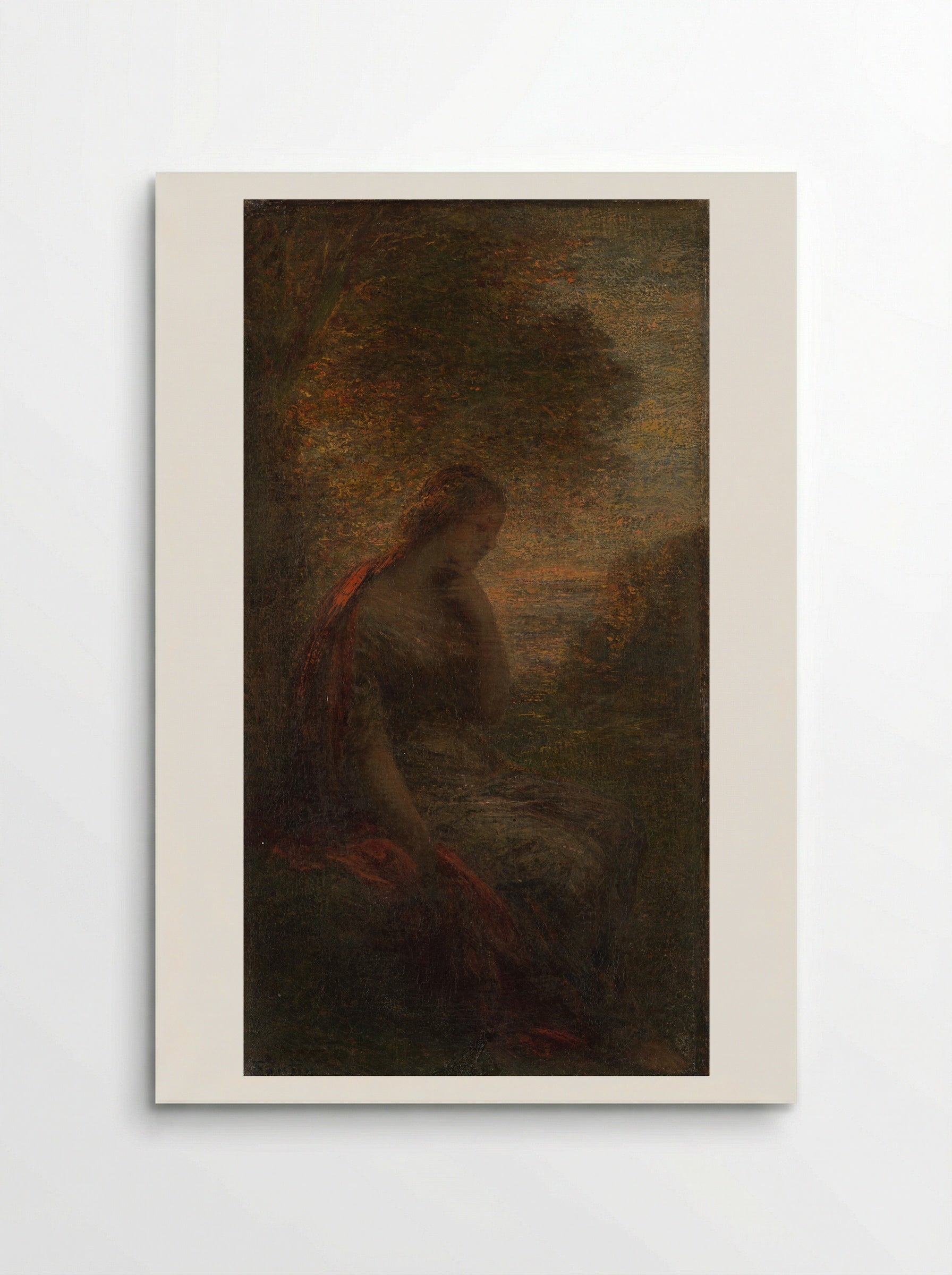
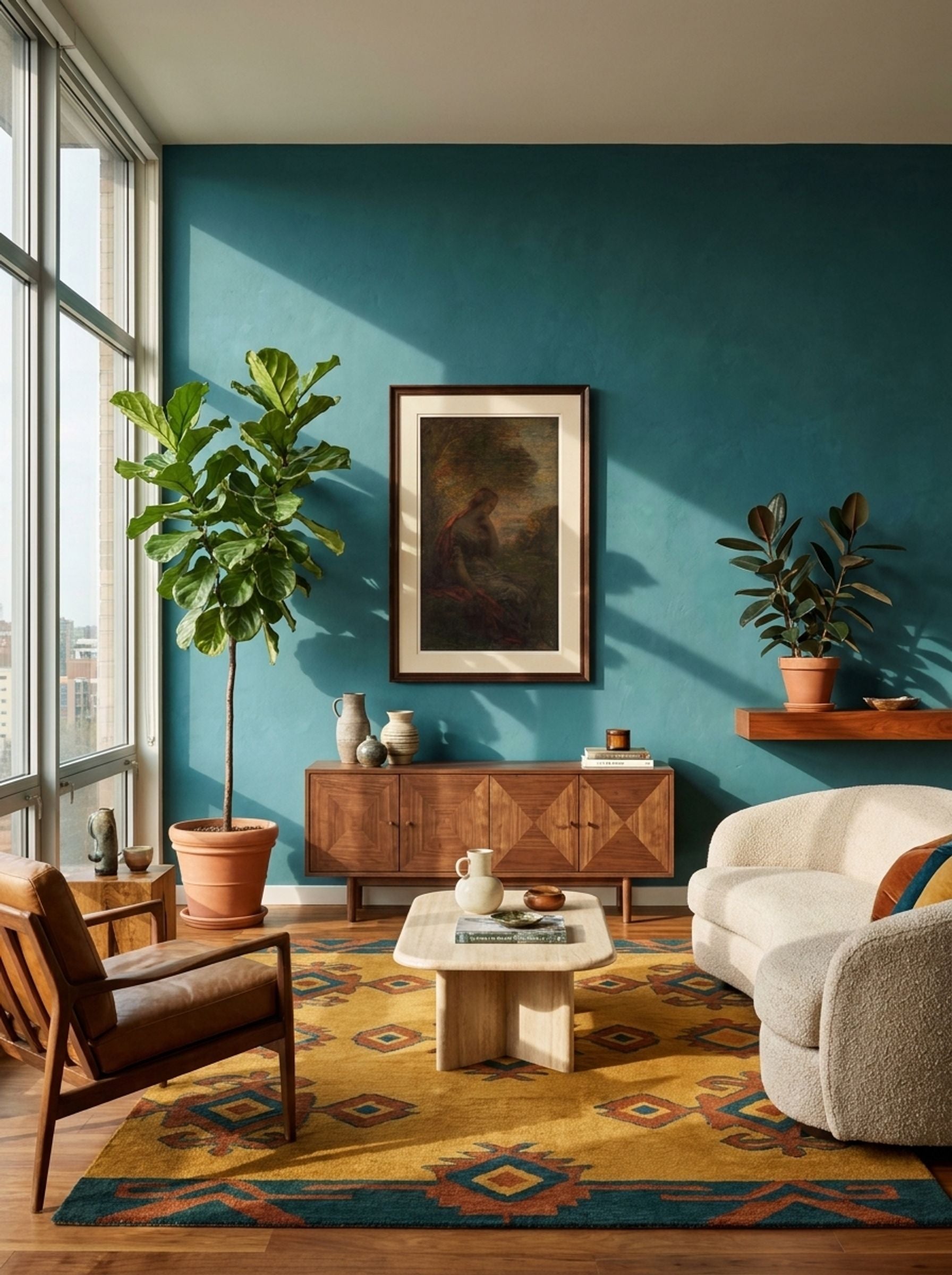 Jonge vrouw onder een boom bij zonsondergang, genaamd 'Herfst' - Henri Fantin-Latour
Print · Framed
Regular price From $29.00 USDSale price From $29.00 USD Regular price -
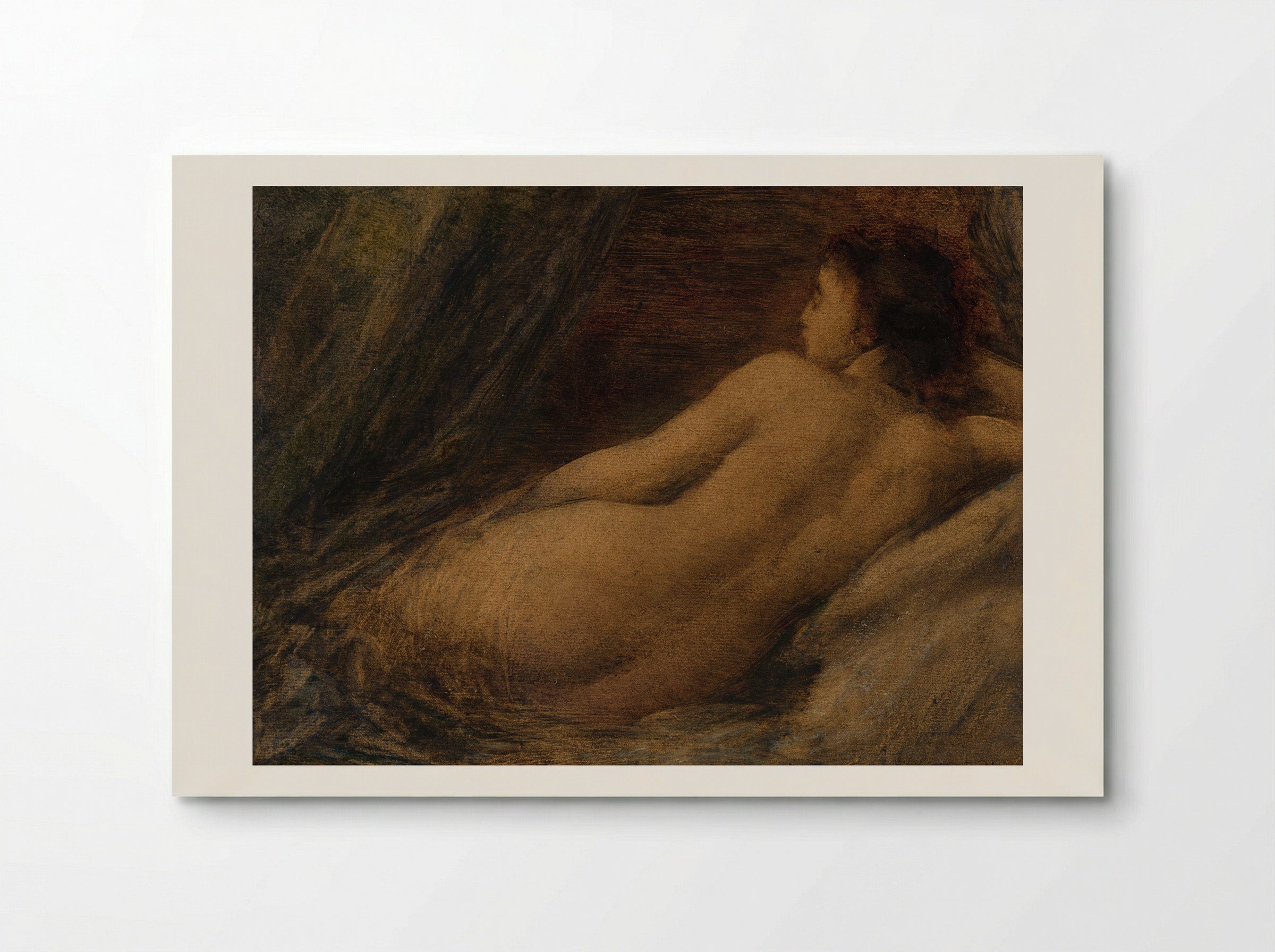
 Reclining Nude (Liggende naakte vrouw) - Henri Fantin-Latour
Print · Framed
Regular price From $29.00 USDSale price From $29.00 USD Regular price


Artist Biography
Henri Fantin Latour
Fantin-Latour painted group portraits that functioned as manifestos. Homage to Delacroix, completed in 1864, gathered Manet, Baudelaire, Whistler and others around a portrait of the recently deceased painter. A Studio at Les Batignolles, painted in 1870, arranged the same circle around Manet at his easel. The Corner of the Table, in 1872, seated Verlaine and Rimbaud among the Parnassian poets. Each painting declared an allegiance, mapped a network, and recorded the face of everyone who mattered in Parisian culture at that moment.
His flower paintings are the opposite. They are quiet, domestic, technically precise, and painted without any obvious agenda. Roses in a glass bowl. Peonies on a table. He exhibited them in England, where they sold steadily to collectors who had no interest in Parisian literary politics. In France, during his lifetime, the flowers were practically unknown. The irony is that they are what most people now associate with his name.
He trained under Horace Lecoq de Boisbaudran, an unorthodox teacher who had his students draw from memory rather than from the model. His classmates at the Ecole des Beaux-Arts included Degas and Alphonse Legros. He was friends with Manet, Whistler, Morisot and most of the painters who became the Impressionists, but his own style remained conservative: careful drawing, smooth finish, traditional composition. He stood at the centre of the avant-garde and painted like an old master, which is an unusual position to occupy for forty years.
He was also a member of the Jinglar Society, a nine-person dining club devoted to Japanese art and ceramics, which met to eat food off Japanese plates.
His flower paintings are the opposite. They are quiet, domestic, technically precise, and painted without any obvious agenda. Roses in a glass bowl. Peonies on a table. He exhibited them in England, where they sold steadily to collectors who had no interest in Parisian literary politics. In France, during his lifetime, the flowers were practically unknown. The irony is that they are what most people now associate with his name.
He trained under Horace Lecoq de Boisbaudran, an unorthodox teacher who had his students draw from memory rather than from the model. His classmates at the Ecole des Beaux-Arts included Degas and Alphonse Legros. He was friends with Manet, Whistler, Morisot and most of the painters who became the Impressionists, but his own style remained conservative: careful drawing, smooth finish, traditional composition. He stood at the centre of the avant-garde and painted like an old master, which is an unusual position to occupy for forty years.
He was also a member of the Jinglar Society, a nine-person dining club devoted to Japanese art and ceramics, which met to eat food off Japanese plates.


Why Choose Us ?