

Collection
Max Pechstein
Explore curated art prints selected for distinctive homes and considered interiors.
-
 Modellpause (Model's Rest) - Max Pechstein
Print
Regular price From $39.00 USDSale price From $39.00 USD Regular price -
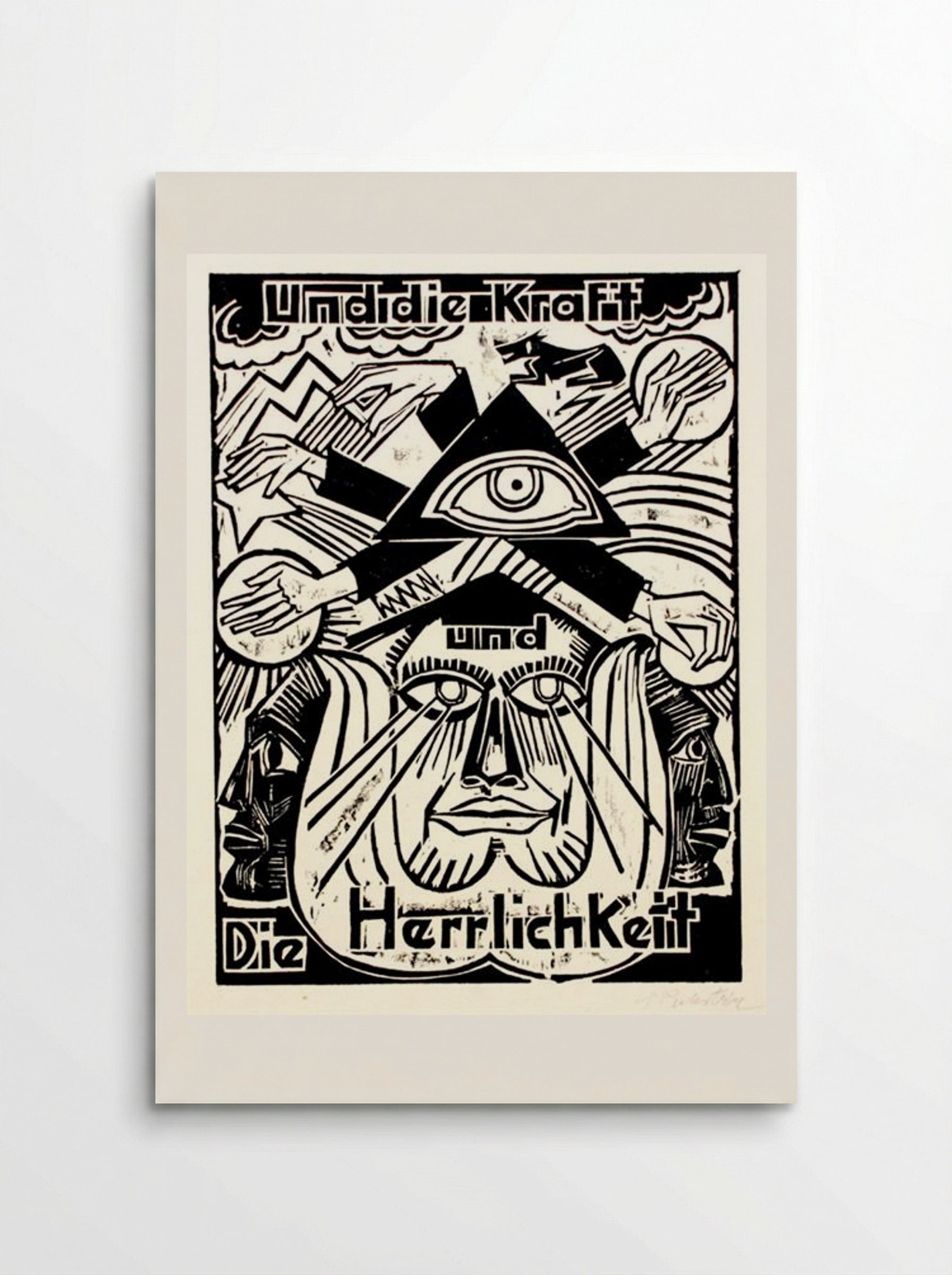 Und die Kraft und die Herrlichkeit (And the Power and the Glory) - Max Pechstein
Print
Regular price From $29.00 USDSale price From $29.00 USD Regular price -
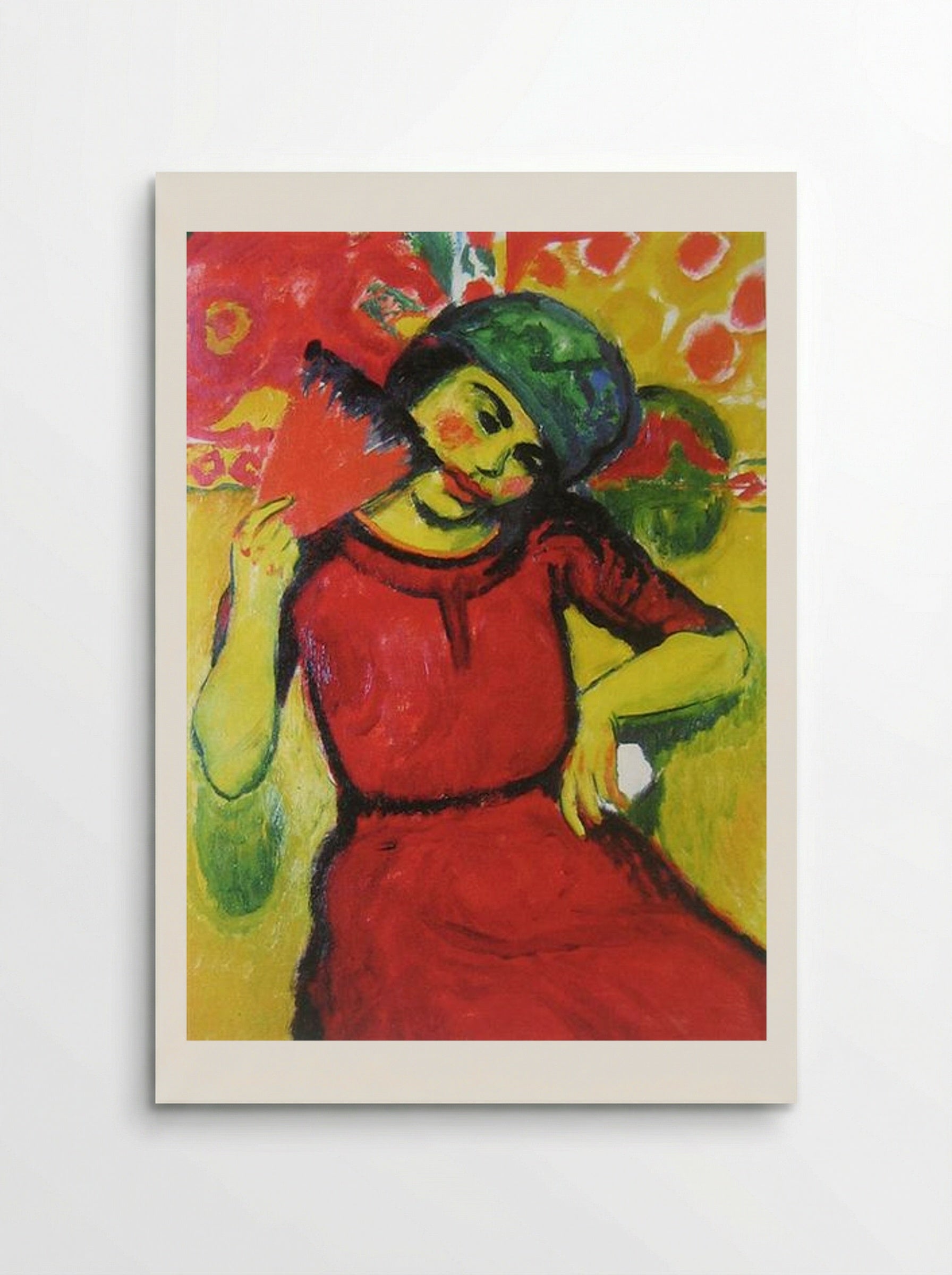 Young Woman with a Red Fan - Max Pechstein
Print
Regular price From $29.00 USDSale price From $29.00 USD Regular price -
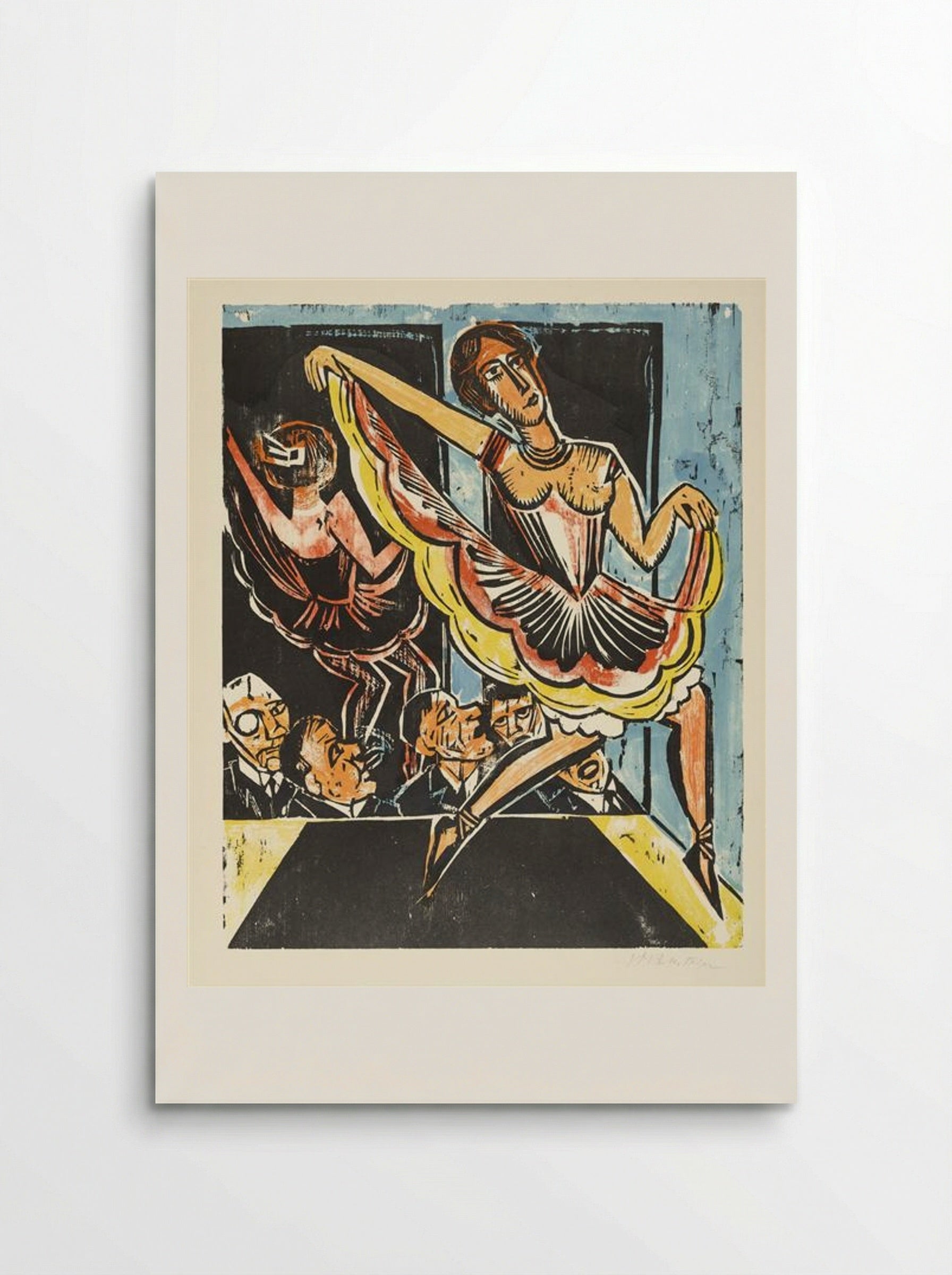 Dancer in the Mirror - Max Pechstein
Print
Regular price From $29.00 USDSale price From $29.00 USD Regular price -
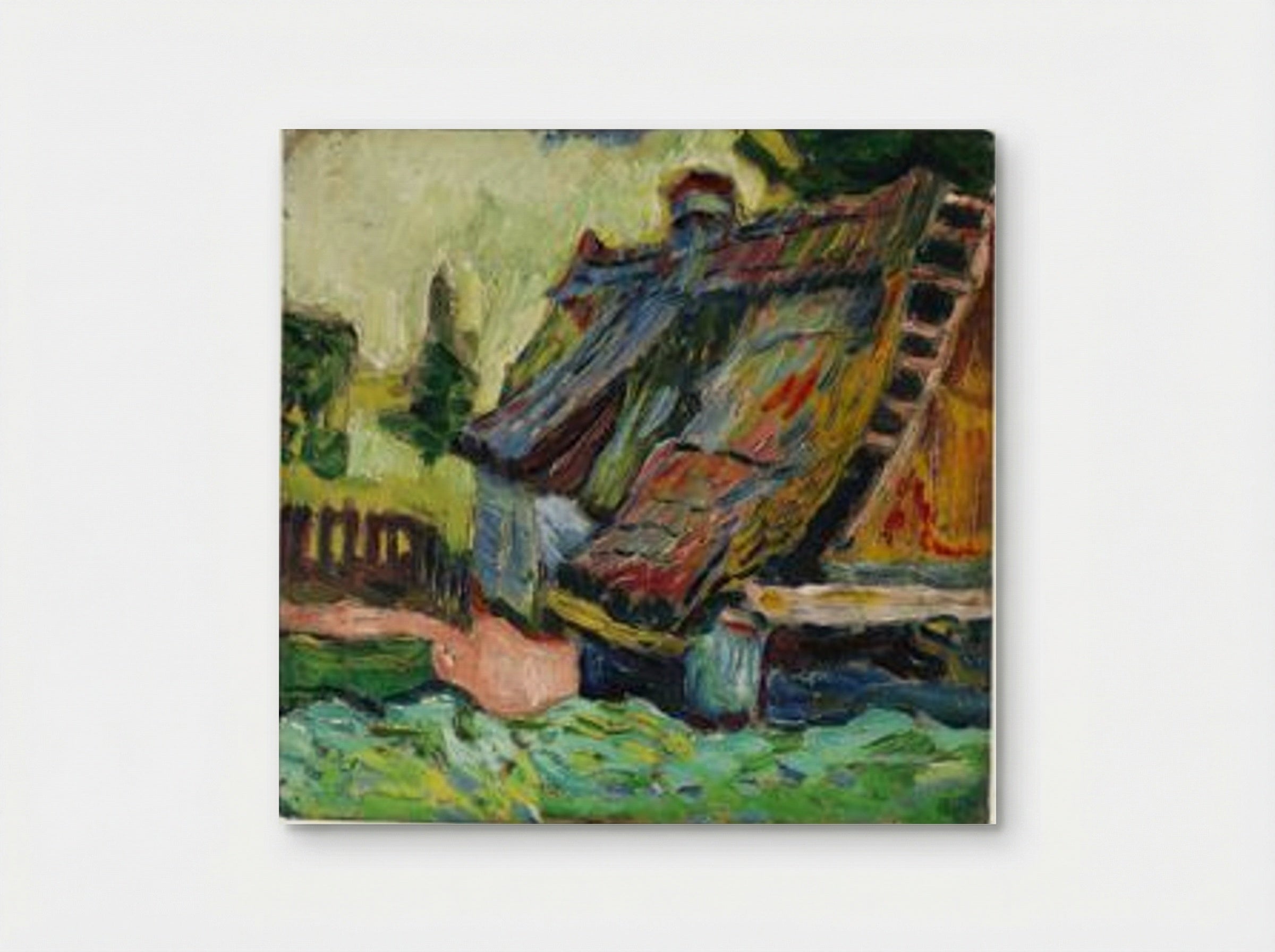 Zerfallenes Haus (Dilapidated House) - Max Pechstein
Print
Regular price From $39.00 USDSale price From $39.00 USD Regular price -
 Calla Lilies - Max Pechstein
Print
Regular price From $29.00 USDSale price From $29.00 USD Regular price -
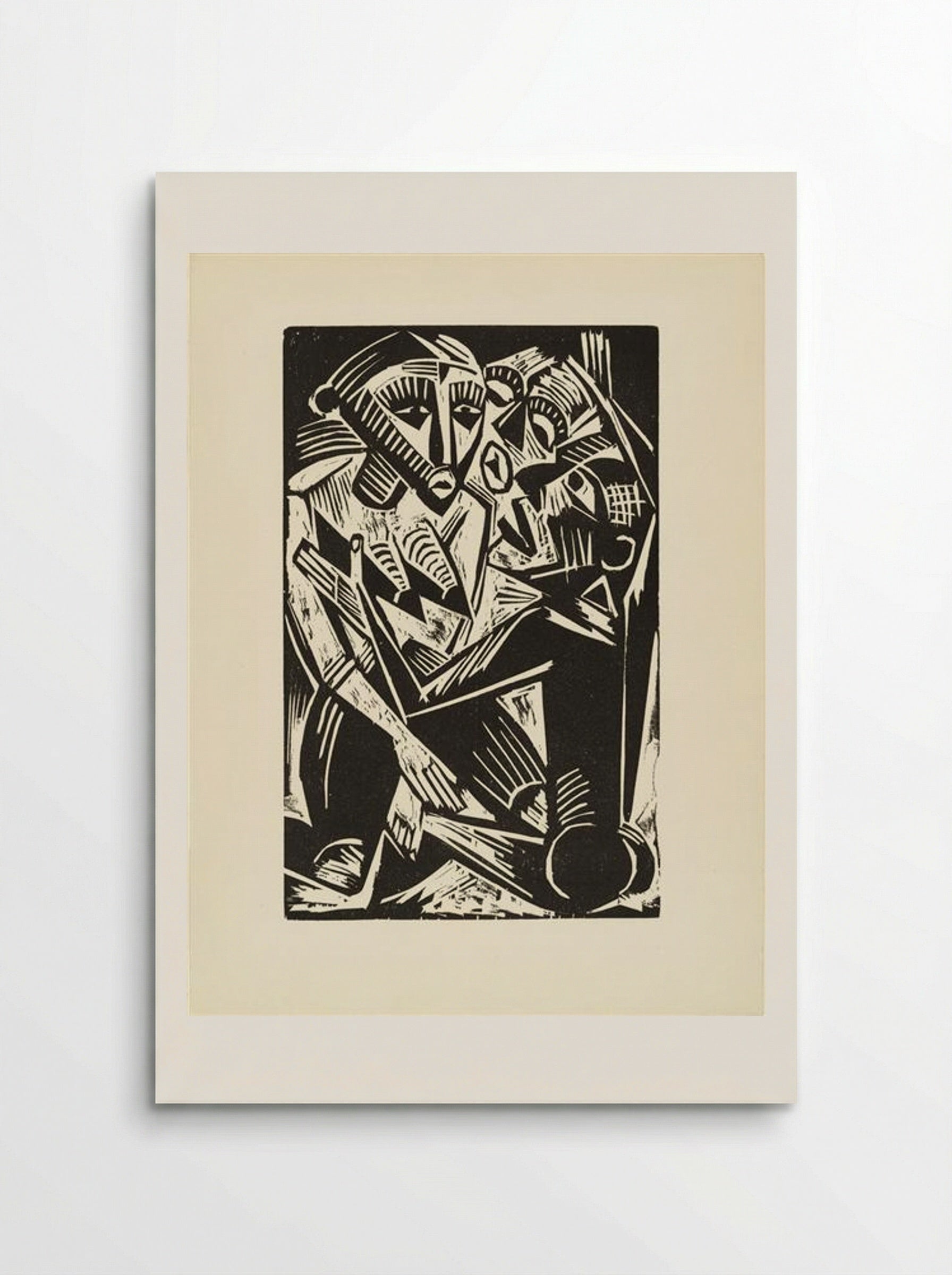 Woman desired by Man - Max Pechstein
Print
Regular price From $29.00 USDSale price From $29.00 USD Regular price -

-
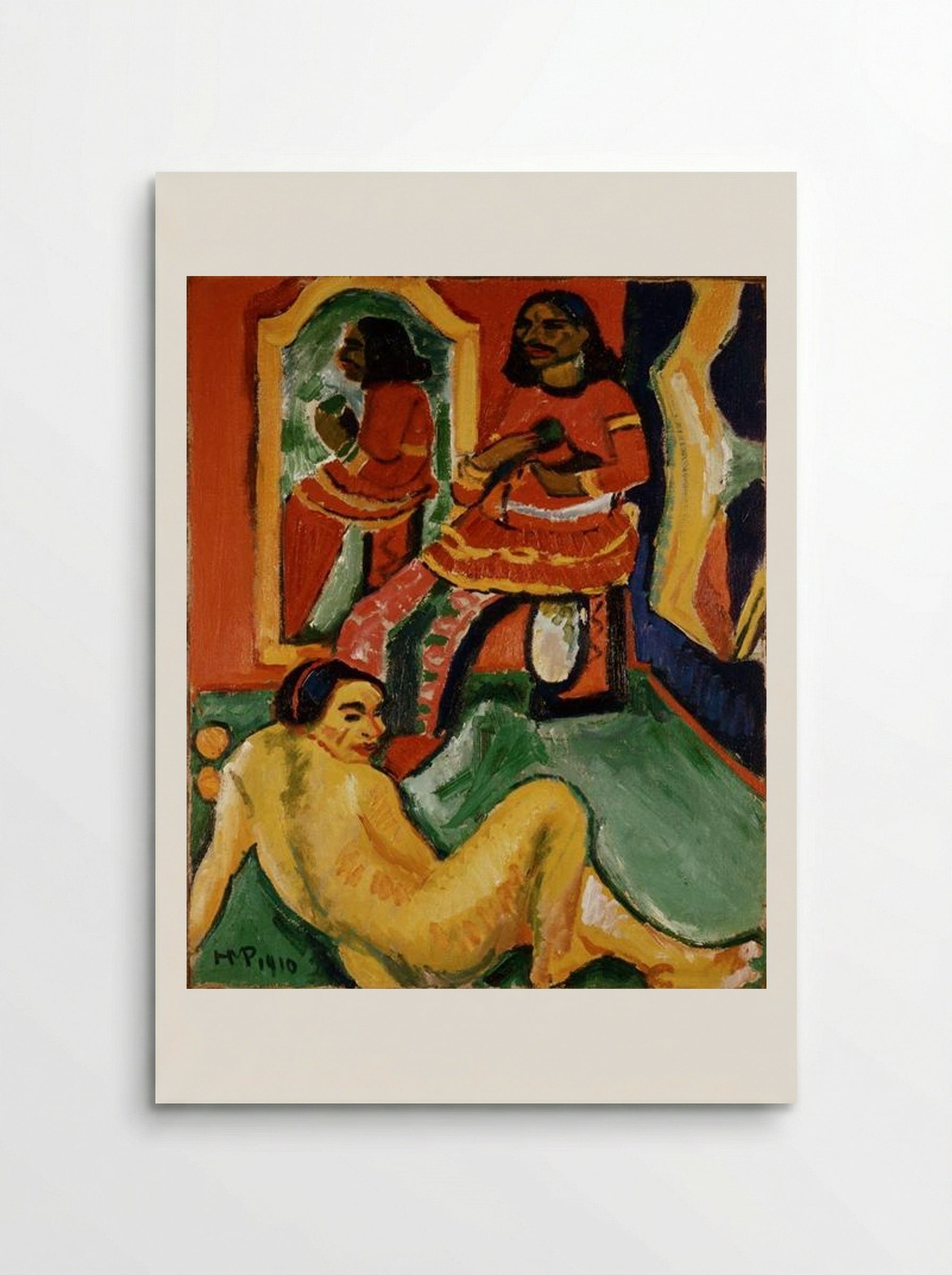 Indian and Woman - Max Pechstein
Print
Regular price From $29.00 USDSale price From $29.00 USD Regular price -
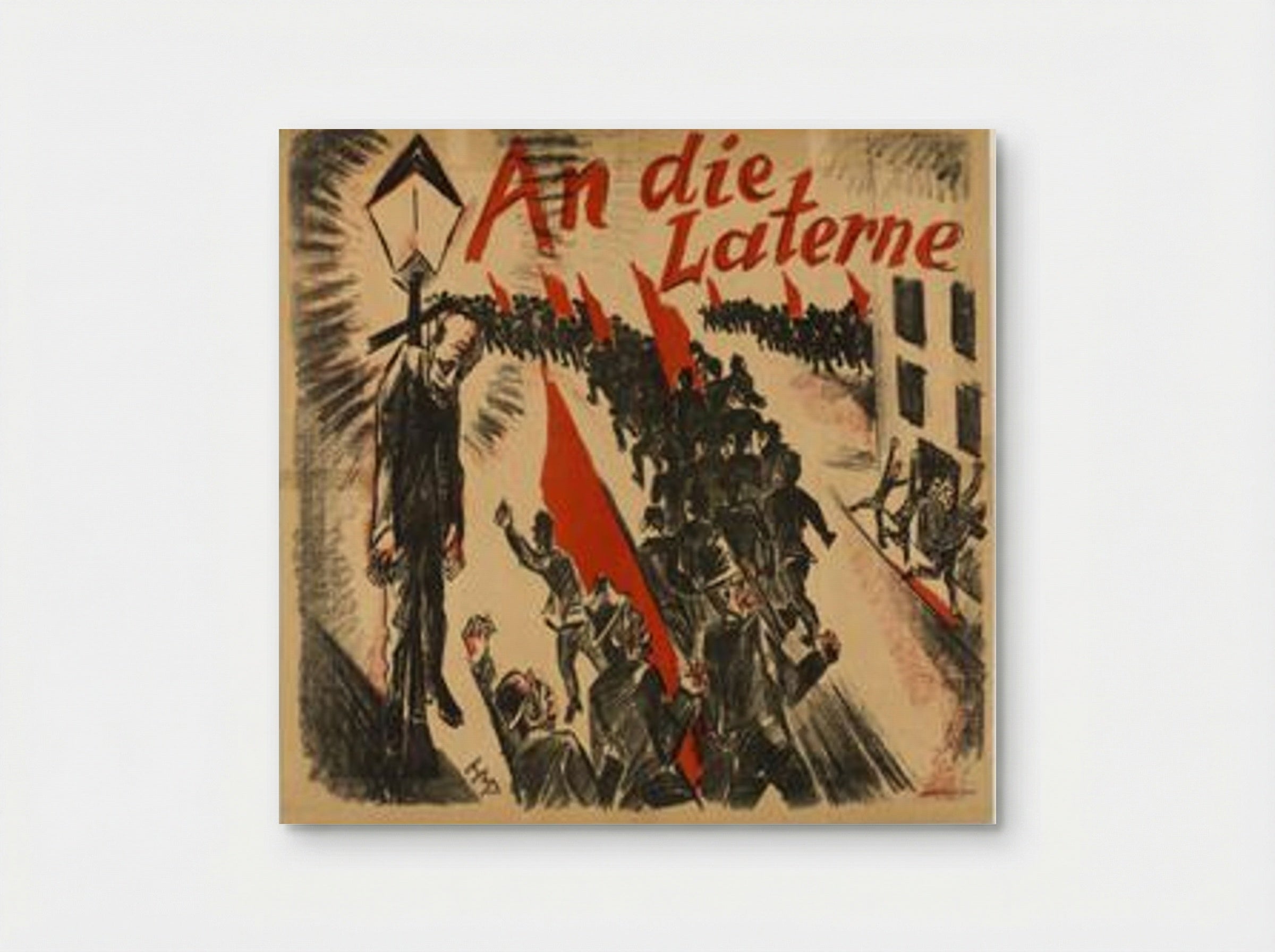 Poster for periodical An die Laterne (To the Lamp Post) - Max Pechstein
Print
Regular price From $39.00 USDSale price From $39.00 USD Regular price


Artist Biography
Max Pechstein
Pechstein was expelled from Die Brucke for exhibiting alone. In 1912 he showed work at the Berlin Secession without his colleagues, and the group voted him out. The expulsion was relatively amicable: he had been the most commercially successful member, his style was more accessible than Kirchner's or Heckel's, and the success had bred resentment. He was also the only member with formal academic training, which set him apart from the start.
He was born in Zwickau in 1881 and apprenticed as a decorator from 1896 to 1900 before studying at the Dresden art school. Erich Heckel invited him to join Die Brucke in 1906. Contact with Matisse pushed his palette toward jarring, unmixed colour, but his compositions retained a warmth and legibility that made them easier to sell than the work of his peers.
At the outbreak of the First World War he was interned in Japan and returned to Germany via Shanghai, Manila and New York. He saw action at the Somme and suffered a nervous breakdown. In 1918 he co-founded the Novembergruppe, a left-wing artists' group that demanded artist involvement in postwar social policy.
The Nazis classified his work as degenerate. Over three hundred paintings were seized from German museums. He was banned from exhibiting and dismissed from the Prussian Academy. He produced 421 lithographs, 315 woodcuts and linocuts, and 165 etchings over his career, making him one of the most prolific printmakers of the Expressionist generation. After the war he was rehabilitated, given a professorship in Berlin and elected to the Academy of Arts. He died in Berlin in 1955, at seventy-three.
He was born in Zwickau in 1881 and apprenticed as a decorator from 1896 to 1900 before studying at the Dresden art school. Erich Heckel invited him to join Die Brucke in 1906. Contact with Matisse pushed his palette toward jarring, unmixed colour, but his compositions retained a warmth and legibility that made them easier to sell than the work of his peers.
At the outbreak of the First World War he was interned in Japan and returned to Germany via Shanghai, Manila and New York. He saw action at the Somme and suffered a nervous breakdown. In 1918 he co-founded the Novembergruppe, a left-wing artists' group that demanded artist involvement in postwar social policy.
The Nazis classified his work as degenerate. Over three hundred paintings were seized from German museums. He was banned from exhibiting and dismissed from the Prussian Academy. He produced 421 lithographs, 315 woodcuts and linocuts, and 165 etchings over his career, making him one of the most prolific printmakers of the Expressionist generation. After the war he was rehabilitated, given a professorship in Berlin and elected to the Academy of Arts. He died in Berlin in 1955, at seventy-three.


Why Choose Us ?