

Collection
Nicolas Poussin
Explore curated art prints selected for distinctive homes and considered interiors.
Suggested filters
-

 Et in Arcadia ego - Nicolas Poussin
Print · Framed · Canvas
Regular price From $29.00 USDSale price From $29.00 USD Regular price -

 The Companions of Rinaldo - Nicolas Poussin
Print · Framed
Regular price From $39.00 USDSale price From $39.00 USD Regular price -

 Blind Orion Searching for the Rising Sun - Nicolas Poussin
Print · Framed
Regular price From $29.00 USDSale price From $29.00 USD Regular price -

 The Agony in the Garden - Nicolas Poussin
Print · Framed
Regular price From $29.00 USDSale price From $29.00 USD Regular price -

 Midas Washing at the Source of the Pactolus - Nicolas Poussin
Print · Framed
Regular price From $29.00 USDSale price From $29.00 USD Regular price -

 The Holy Family on the Steps - Nicolas Poussin
Print · Framed
Regular price From $29.00 USDSale price From $29.00 USD Regular price -
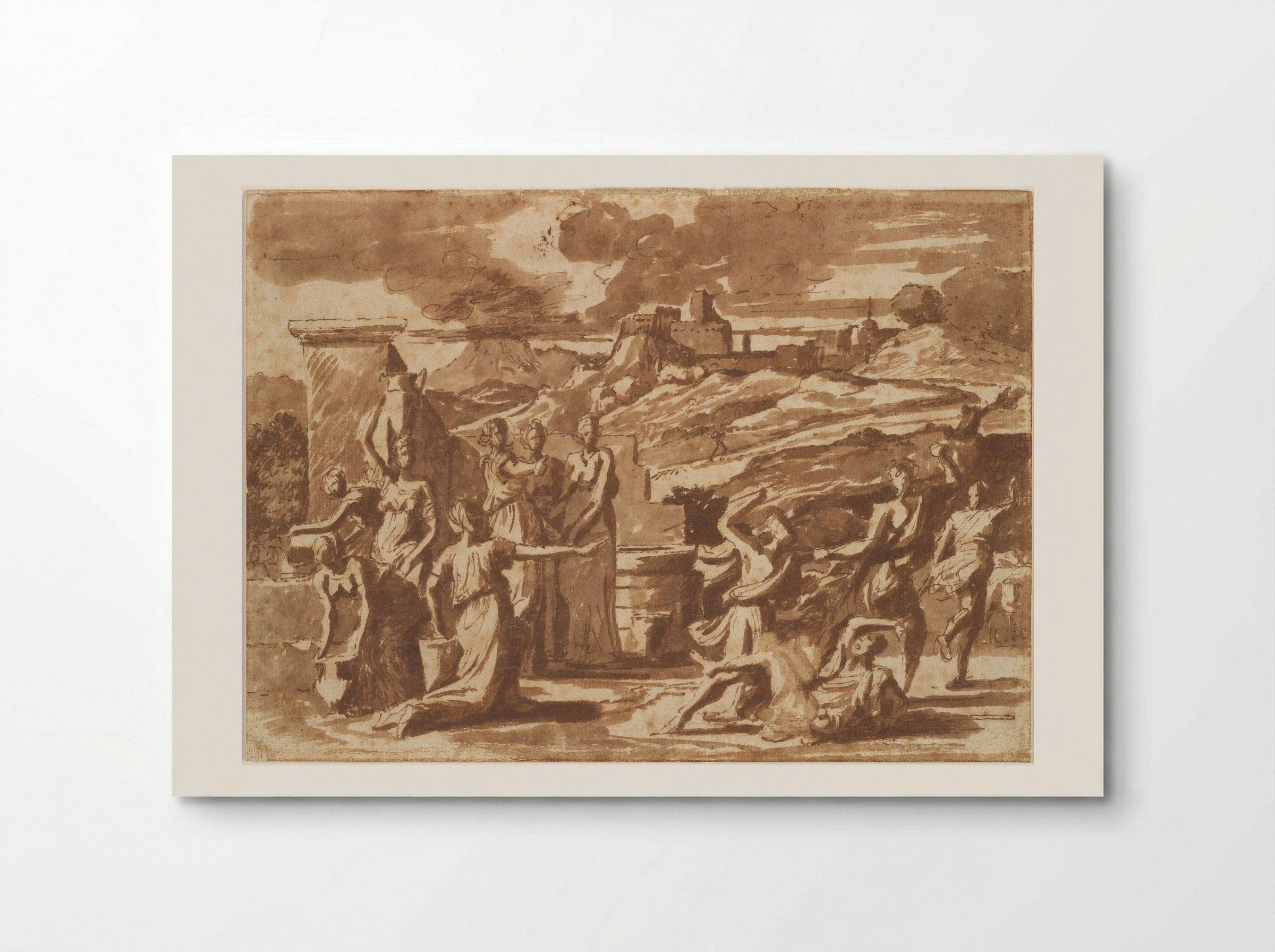 Moses Defending the Daughters of Jethro - Nicolas Poussin
Print
Regular price From $29.00 USDSale price From $29.00 USD Regular price -
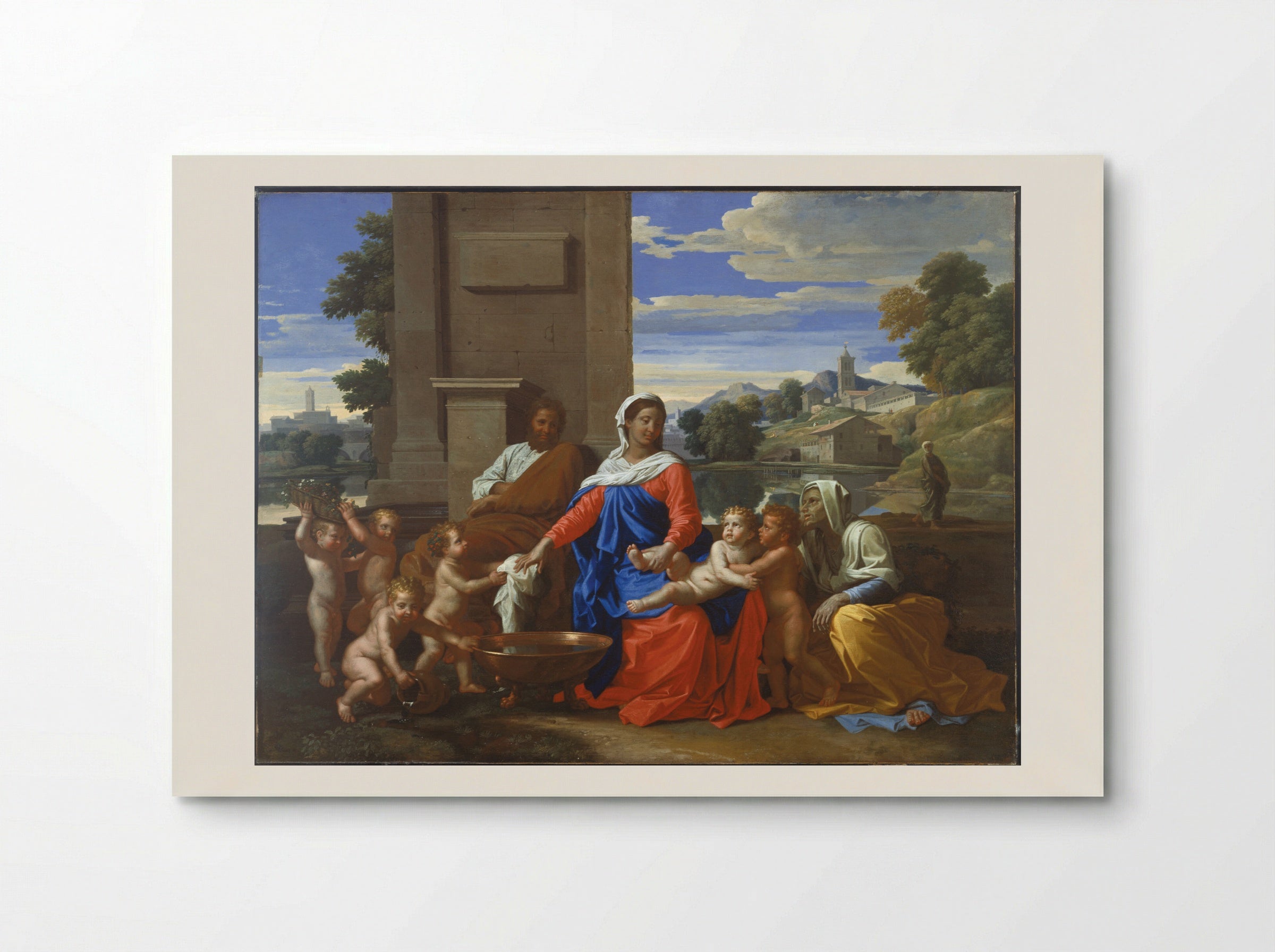 The Holy Family with the Infant Saint John the Baptist and Saint Elizabeth - Nicolas Poussin
Print
Regular price From $29.00 USDSale price From $29.00 USD Regular price -
 The Infant Bacchus Entrusted to the Nymphs of Nysa - Nicolas Poussin
Print
Regular price From $29.00 USDSale price From $29.00 USD Regular price -
 The Return of the Holy Family to Nazareth - Nicolas Poussin
Print
Regular price From $29.00 USDSale price From $29.00 USD Regular price -
 Nymphs and a Satyr (Amor Vincit Omnia) - Nicolas Poussin
Print
Regular price From $29.00 USDSale price From $29.00 USD Regular price -
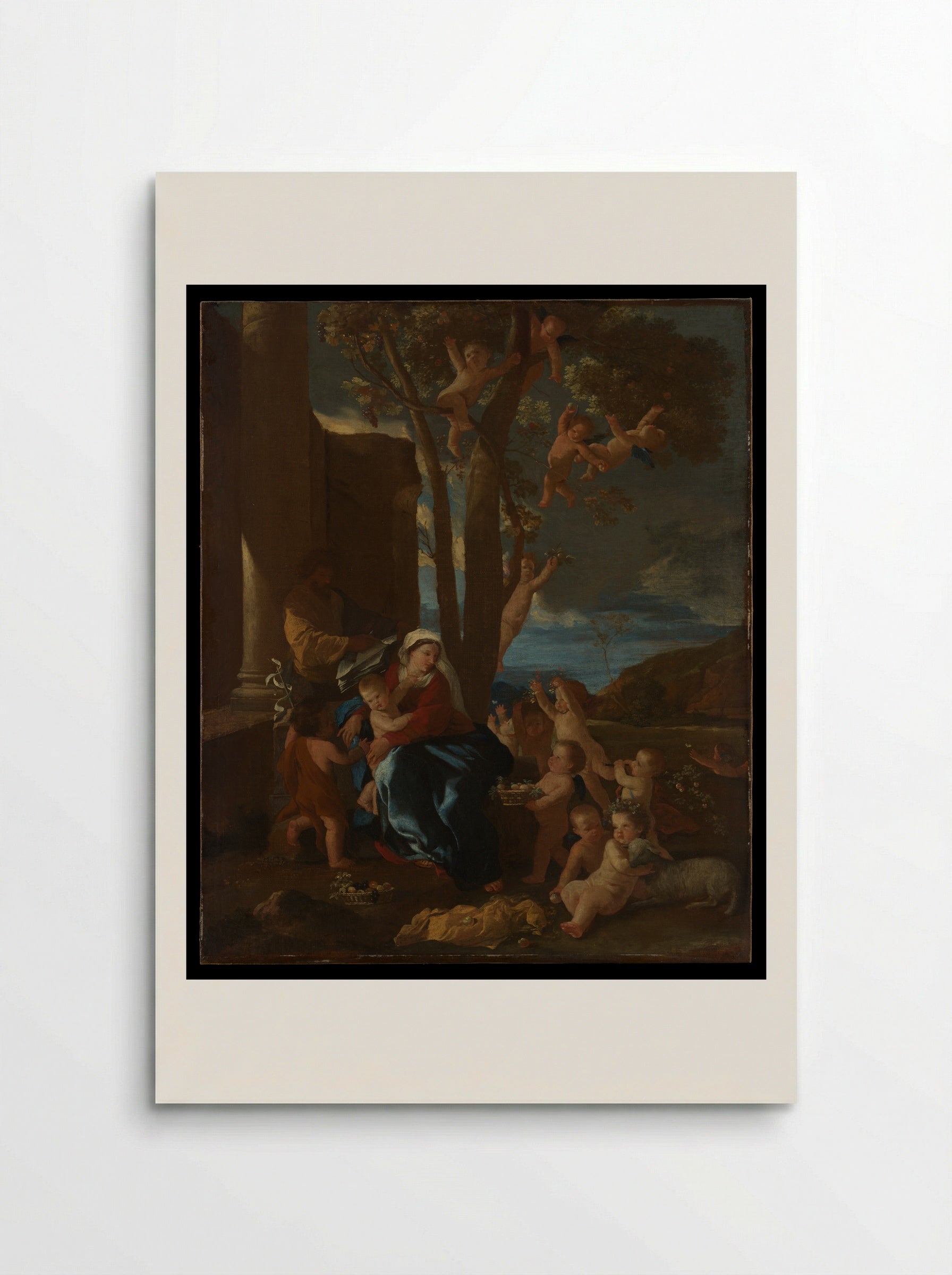 The Holy Family with Saint John the Baptist - Nicolas Poussin
Print
Regular price From $29.00 USDSale price From $29.00 USD Regular price -

 Allegory of Justice - Nicolas Poussin
Print · Framed
Regular price From $29.00 USDSale price From $29.00 USD Regular price -

 The Testament of Eudamidas - Nicolas Poussin
Print · Framed · Canvas
Regular price From $29.00 USDSale price From $29.00 USD Regular price -

 Tobit Burying the Dead - Nicolas Poussin
Print · Framed · Canvas
Regular price From $29.00 USDSale price From $29.00 USD Regular price -

 The Abduction of the Sabine Women - Nicolas Poussin
Print · Framed · Canvas
Regular price From $29.00 USDSale price From $29.00 USD Regular price -

 Saints Peter and John Healing the Lame Man - Nicolas Poussin
Print · Framed · Canvas
Regular price From $29.00 USDSale price From $29.00 USD Regular price -

 Nymphs in the Woods - Nicolas Poussin
Print · Framed · Canvas
Regular price From $29.00 USDSale price From $29.00 USD Regular price


Artist Biography
Nicolas Poussin
Nicolas Poussin, a towering figure of French Classicism, wasn't always destined for artistic greatness. Born near Les Andelys, Normandy, in 1594, his early life was marked by struggle and self-directed study. He resisted his family's expectations, running away to Paris to pursue his passion, a bold move that reveals the fierce determination underpinning his serene and intellectual compositions. It was this unwavering commitment, coupled with a deep study of classical antiquity and Renaissance masters, that shaped his distinctive style.
Poussin's artistic vision was rooted in order, reason, and harmony. Unlike the dramatic flair of the Baroque, Poussin sought clarity and balance in his paintings. His meticulously planned compositions, populated with figures inspired by ancient sculpture, evoke a sense of timelessness and moral virtue. Key works like "The Death of Germanicus" and "The Rape of the Sabine Women" exemplify his dedication to historical and mythological subjects, rendered with a controlled palette and precise draughtsmanship.
Although he spent a significant portion of his career in Rome, Poussin's influence on French art was profound. He became a touchstone for generations of artists seeking to emulate his intellectual approach and classical ideals. His legacy extends beyond individual paintings; it encompasses a philosophy of art that values intellect, order, and the pursuit of ideal beauty. Poussin died in Rome in 1665, leaving behind a body of work that continues to inspire awe and intellectual engagement.
Poussin's artistic vision was rooted in order, reason, and harmony. Unlike the dramatic flair of the Baroque, Poussin sought clarity and balance in his paintings. His meticulously planned compositions, populated with figures inspired by ancient sculpture, evoke a sense of timelessness and moral virtue. Key works like "The Death of Germanicus" and "The Rape of the Sabine Women" exemplify his dedication to historical and mythological subjects, rendered with a controlled palette and precise draughtsmanship.
Although he spent a significant portion of his career in Rome, Poussin's influence on French art was profound. He became a touchstone for generations of artists seeking to emulate his intellectual approach and classical ideals. His legacy extends beyond individual paintings; it encompasses a philosophy of art that values intellect, order, and the pursuit of ideal beauty. Poussin died in Rome in 1665, leaving behind a body of work that continues to inspire awe and intellectual engagement.


Why Choose Us ?