

Collection
Remedios Varo
Explore curated art prints selected for distinctive homes and considered interiors.
Suggested filters
-

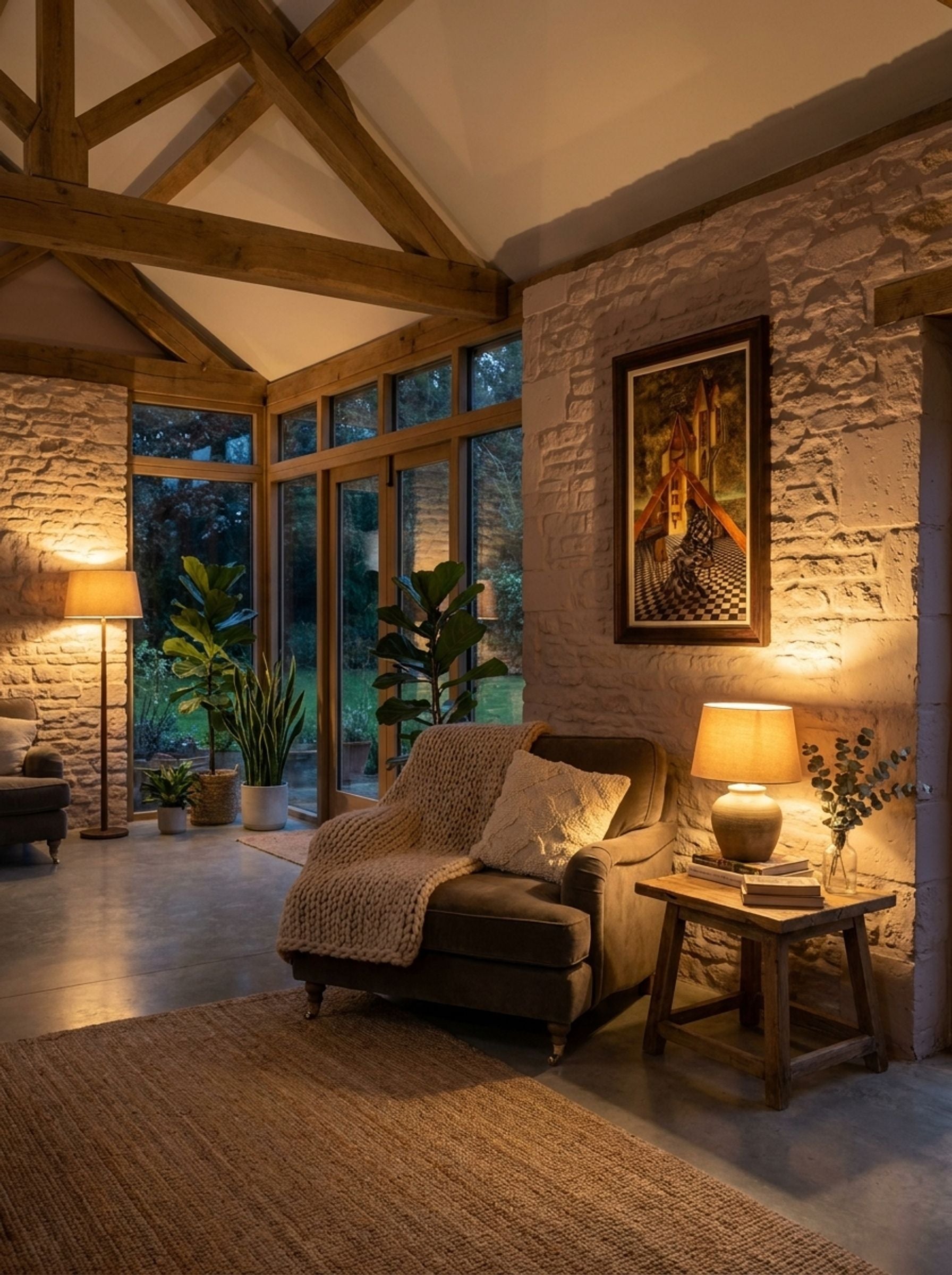 Alchemy or the Useless Science - Remedios Varo
Print · Framed
Regular price From $29.00 USDSale price From $29.00 USD Regular price -

 Portrait of Grandmother Doña Josefa Zejalvo - Remedios Varo
Print · Framed
Regular price From $29.00 USDSale price From $29.00 USD Regular price -
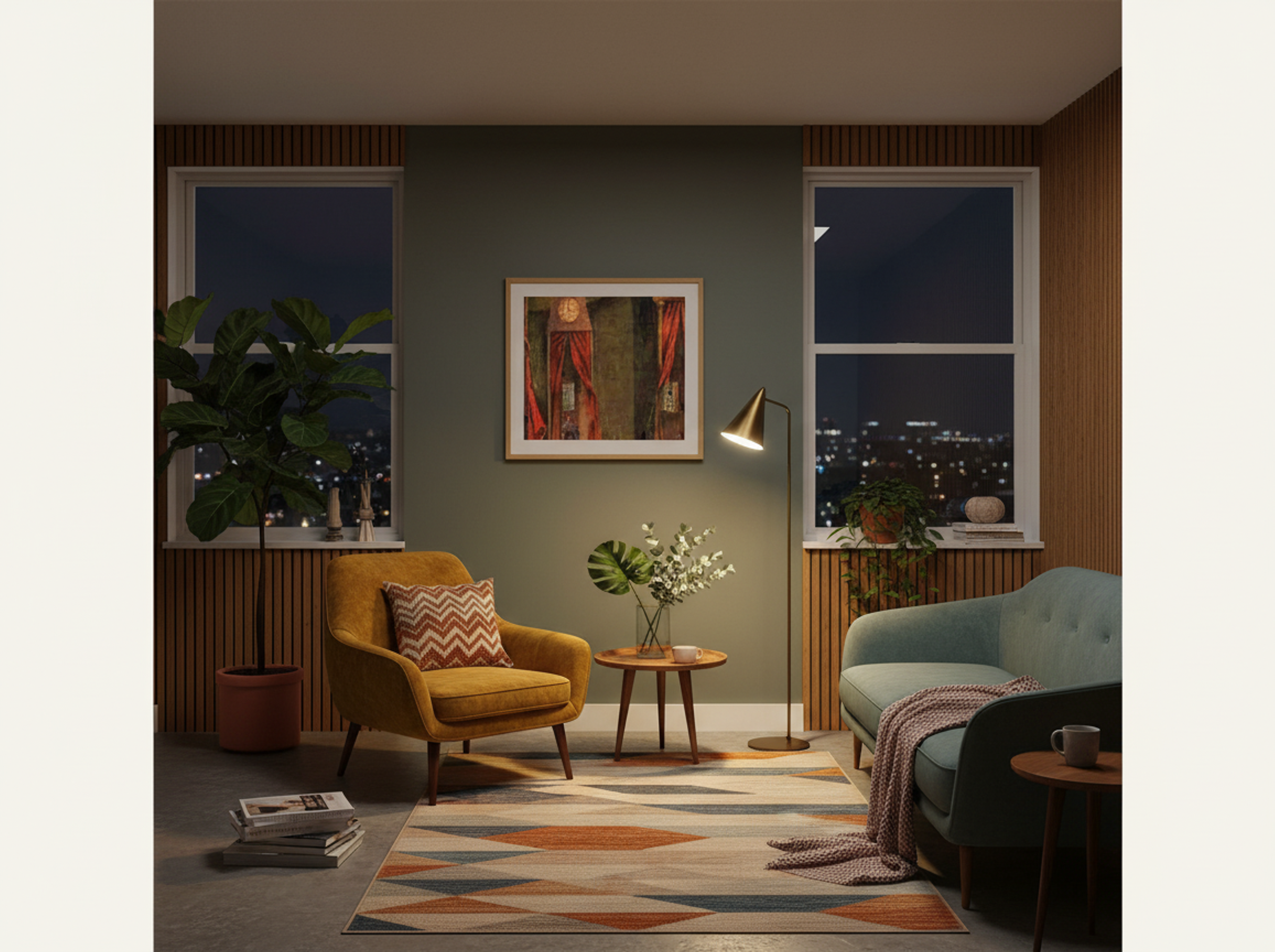 Revelation (The Watch) - Remedios Varo
Print · Framed
Regular price From $29.00 USDSale price From $29.00 USD Regular price -
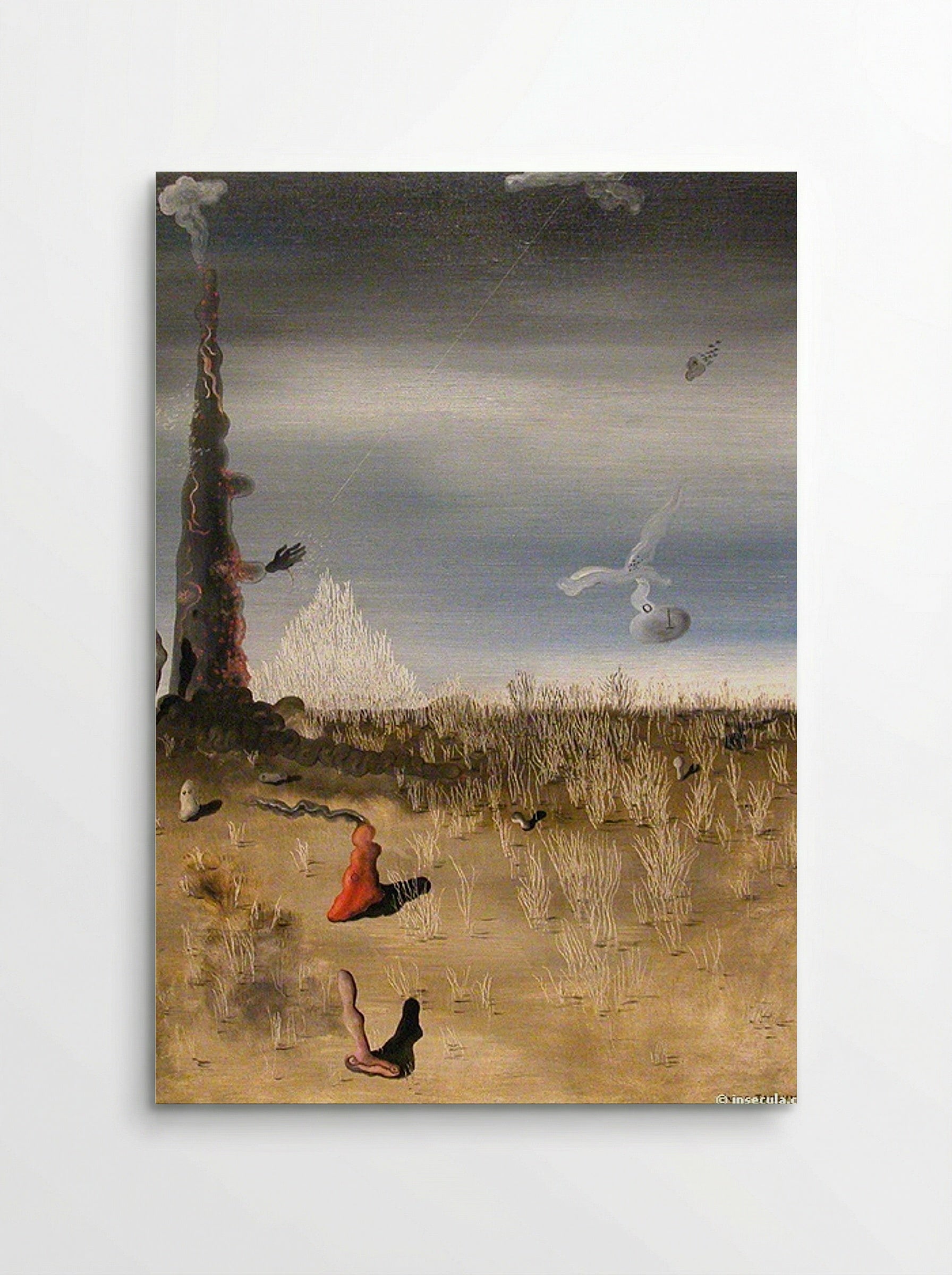
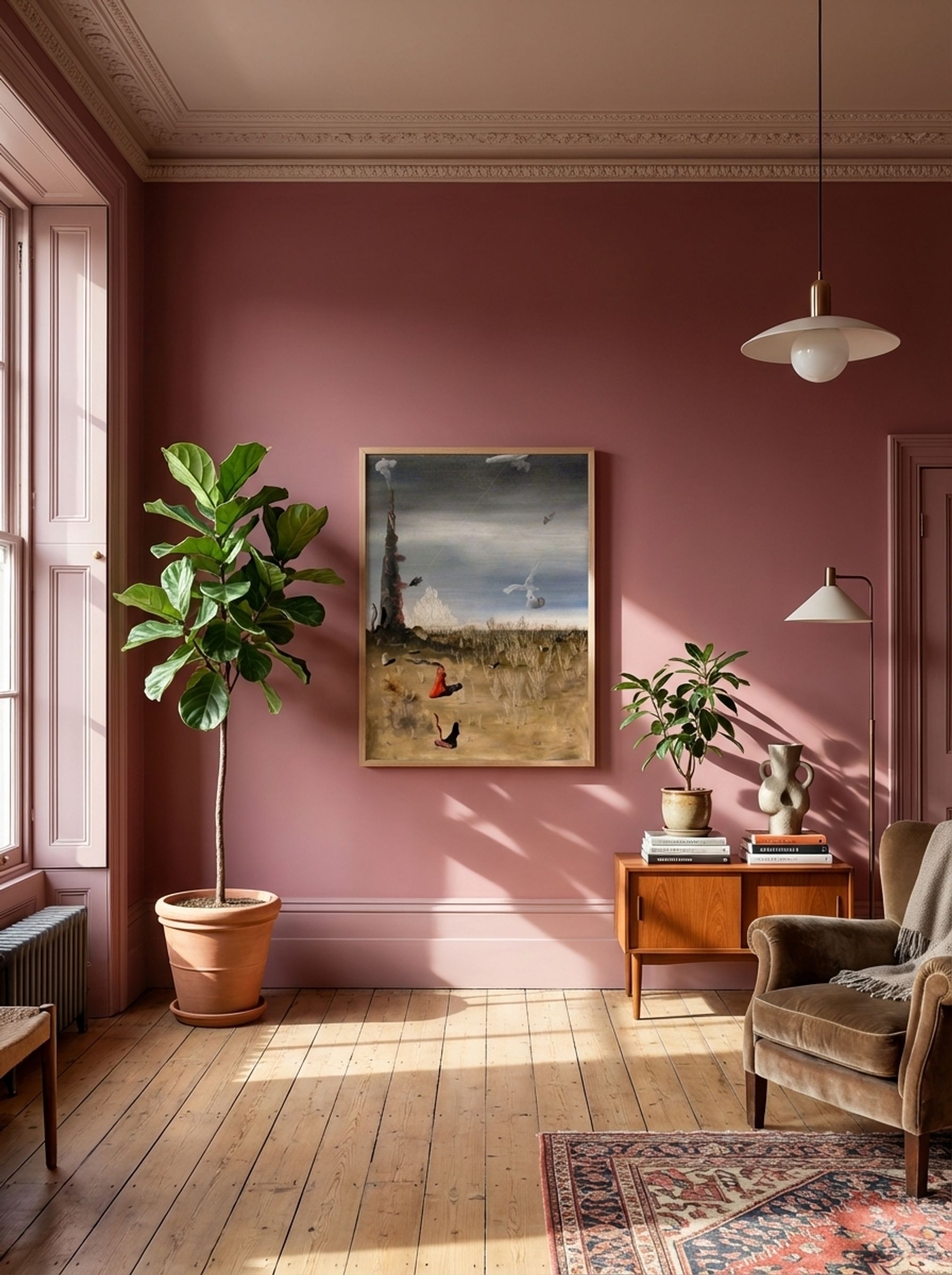 Extinction of Useless Lights - Remedios Varo
Print · Framed · Canvas
Regular price From $29.00 USDSale price From $29.00 USD Regular price -
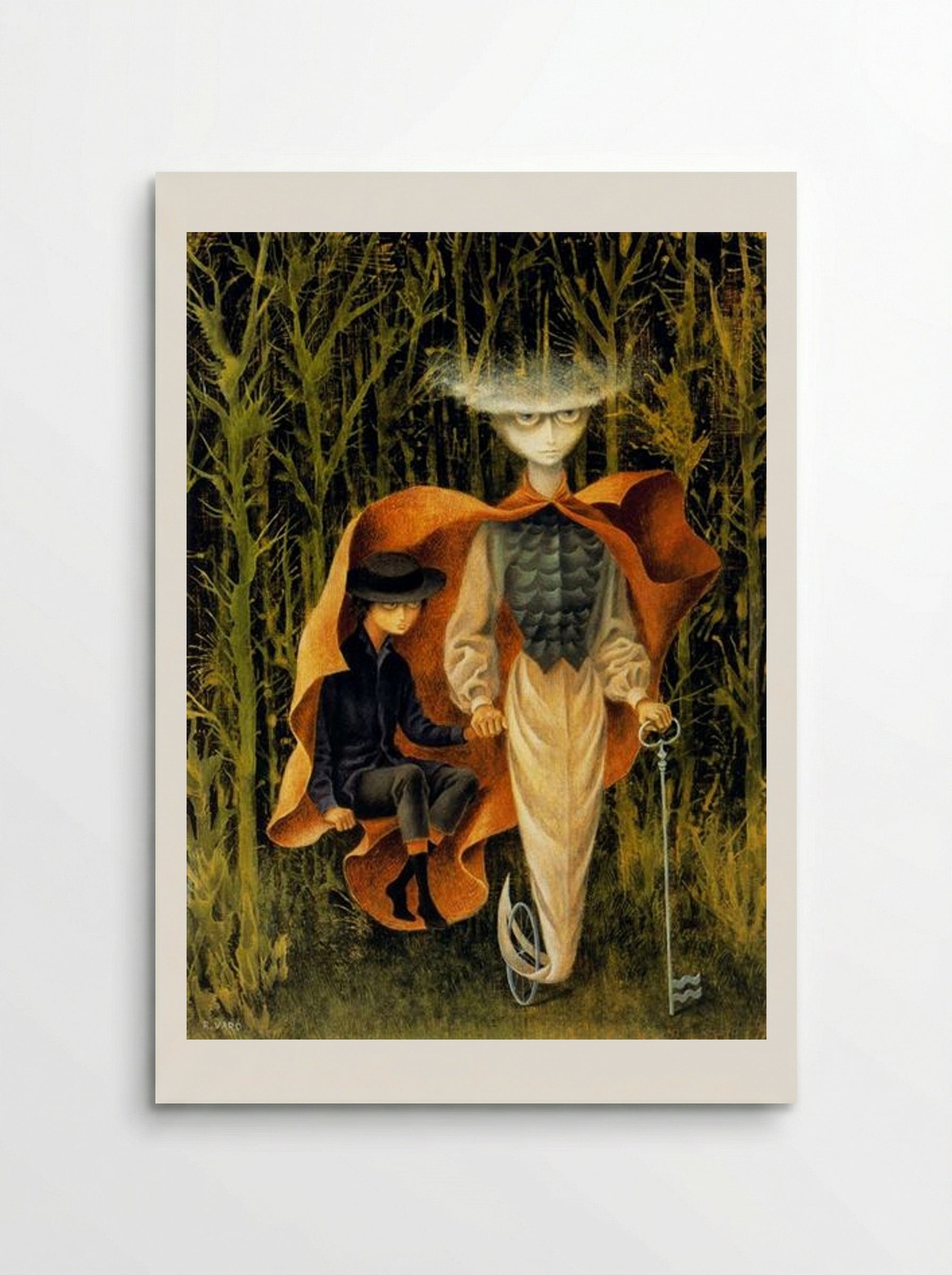
 By Aquarium - Remedios Varo
Print · Framed · Canvas
Regular price From $29.00 USDSale price From $29.00 USD Regular price -
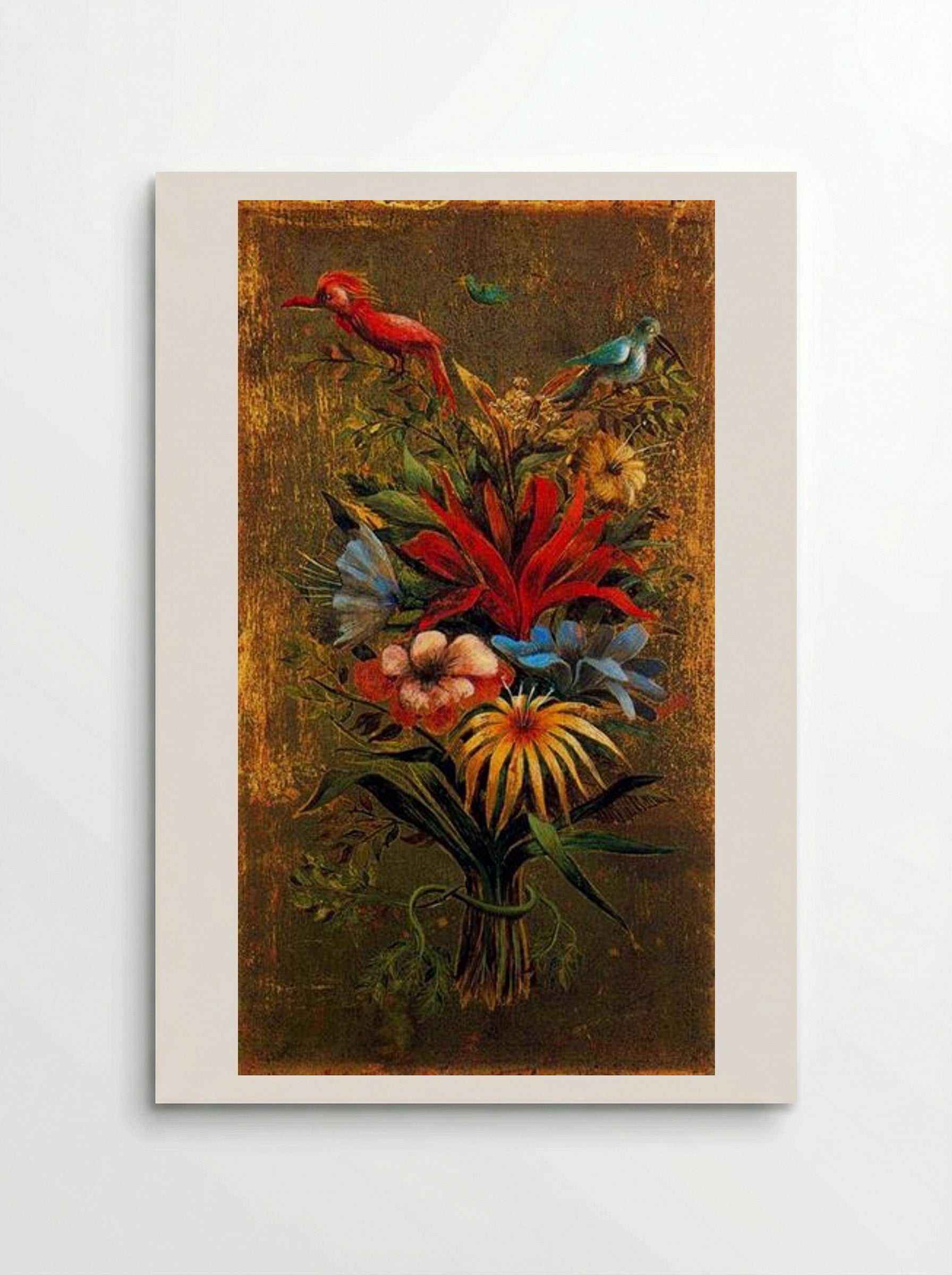 Floral bouquet with birds - Remedios Varo
Print
Regular price From $29.00 USDSale price From $29.00 USD Regular price -
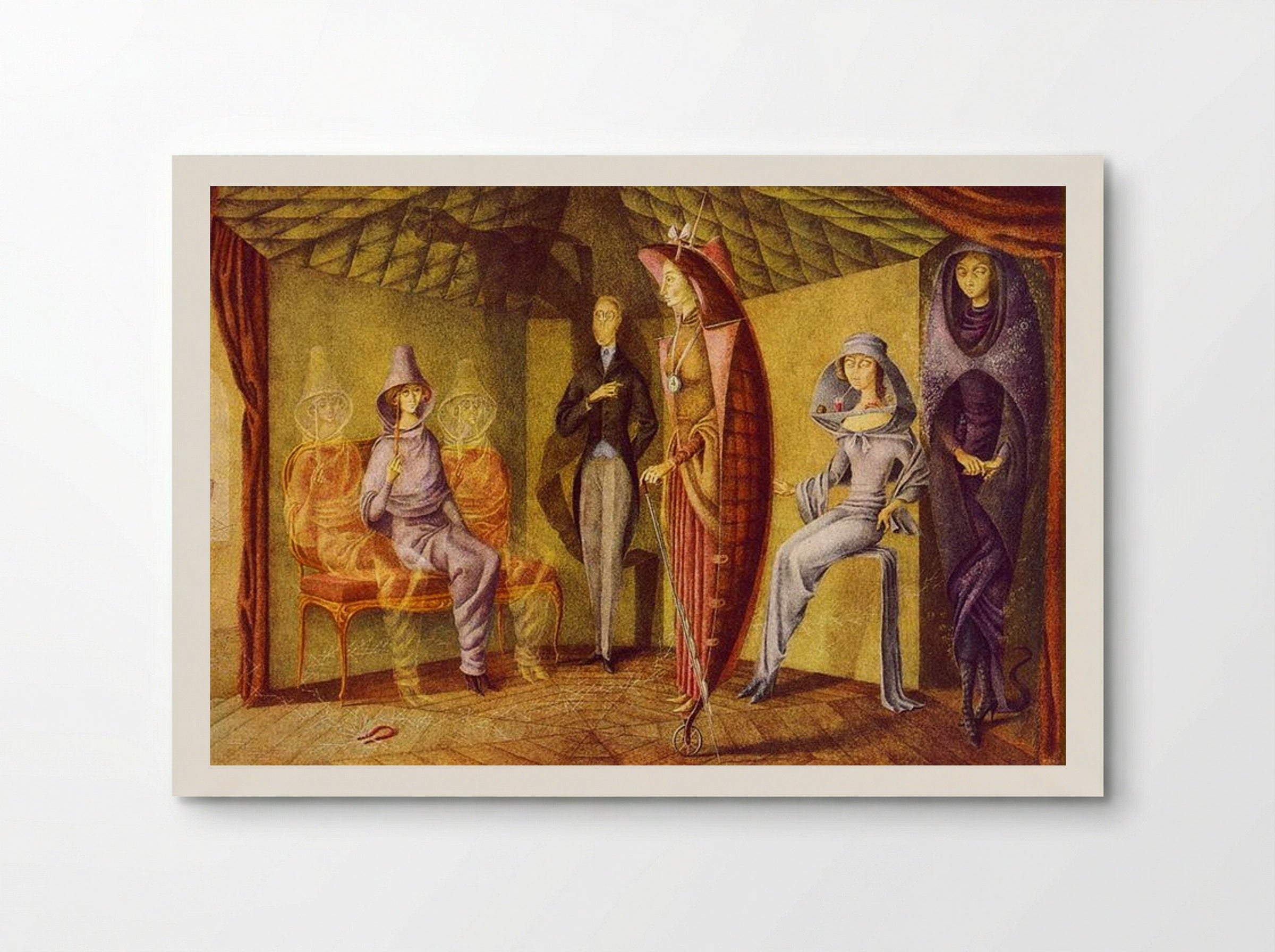 Ladies' Suit - Remedios Varo
Print
Regular price From $29.00 USDSale price From $29.00 USD Regular price -
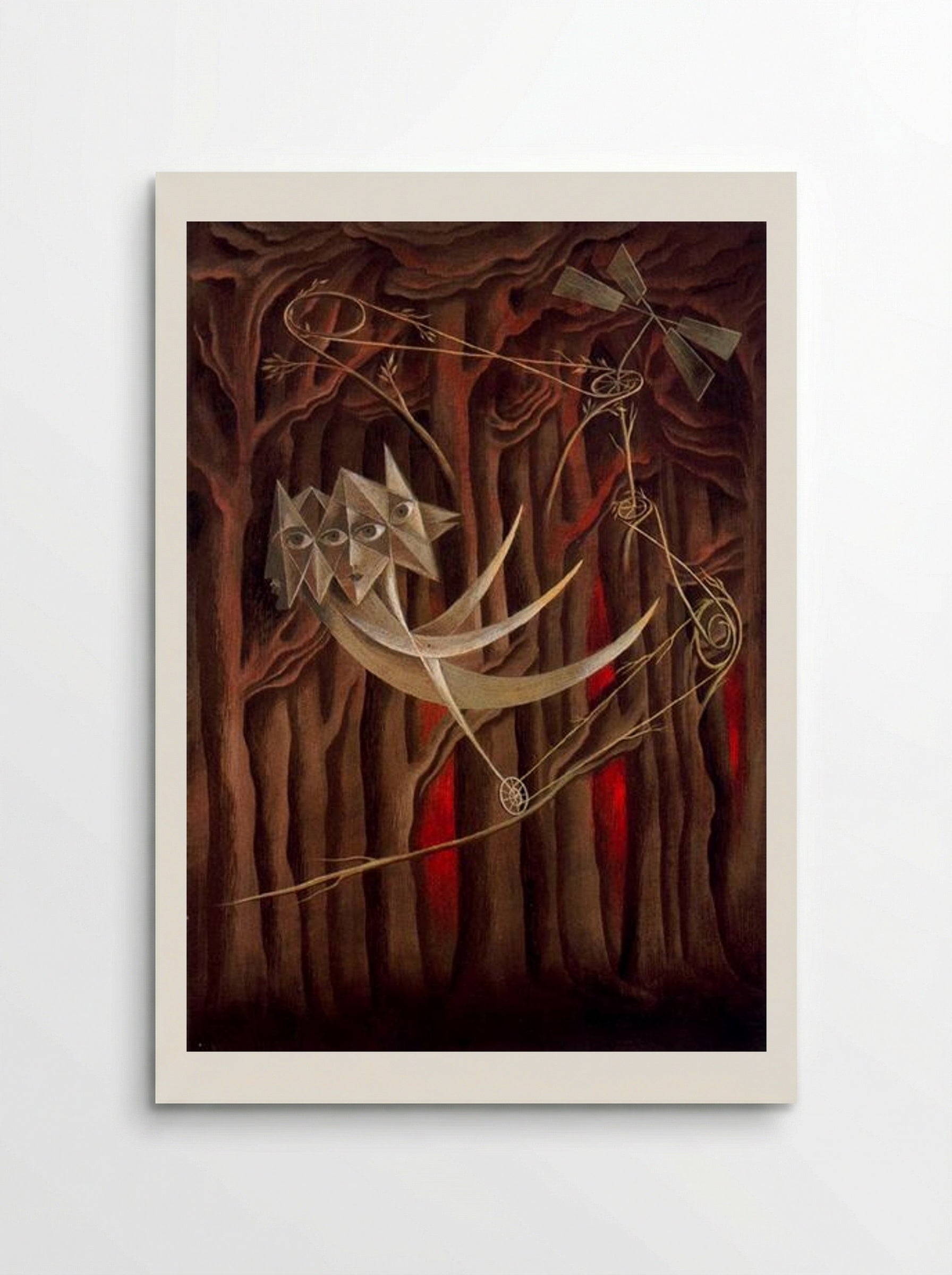 Tightrope Walkers - Remedios Varo
Print
Regular price From $29.00 USDSale price From $29.00 USD Regular price -
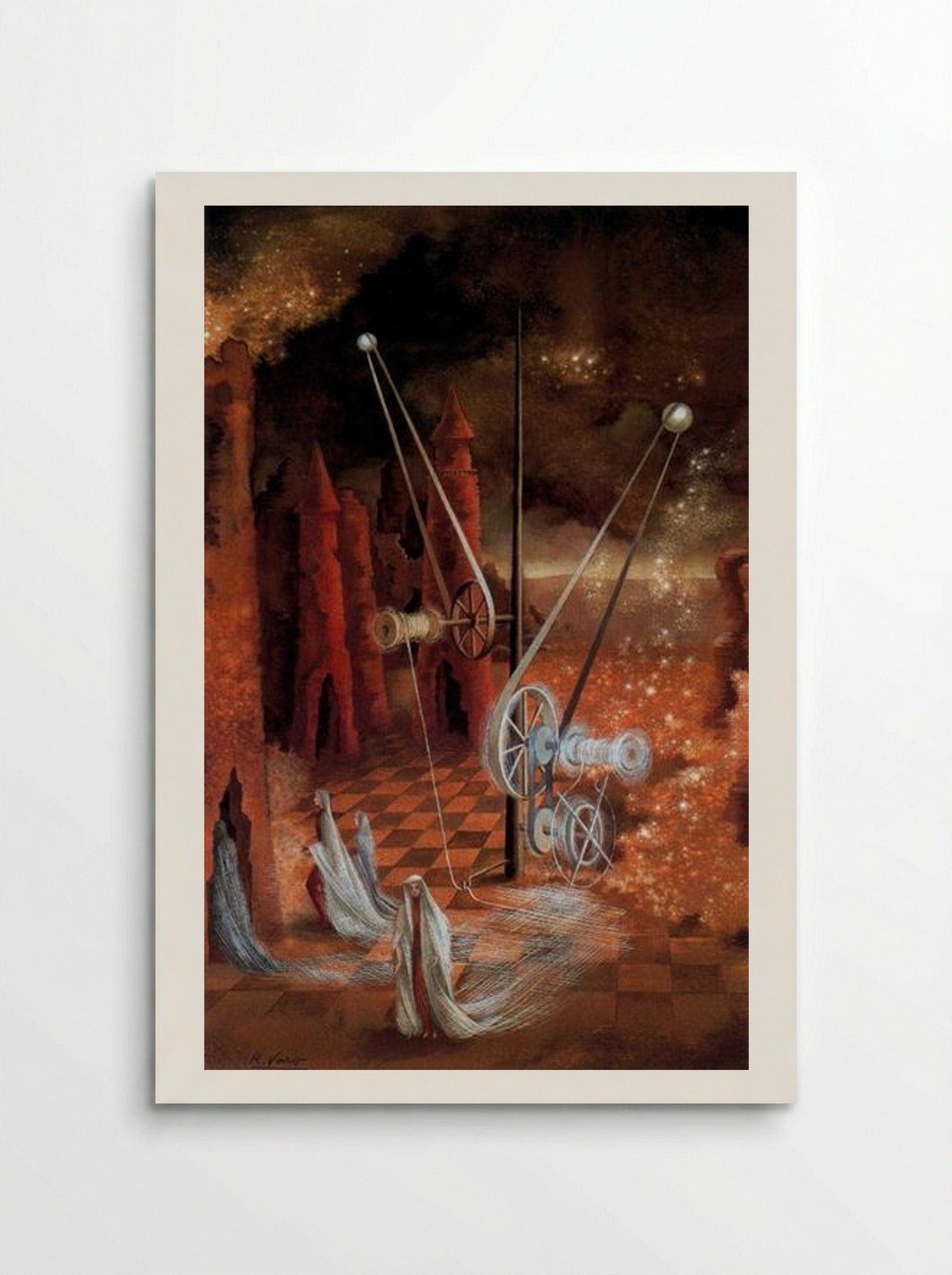
 Premonition - Remedios Varo
Print · Framed
Regular price From $29.00 USDSale price From $29.00 USD Regular price -
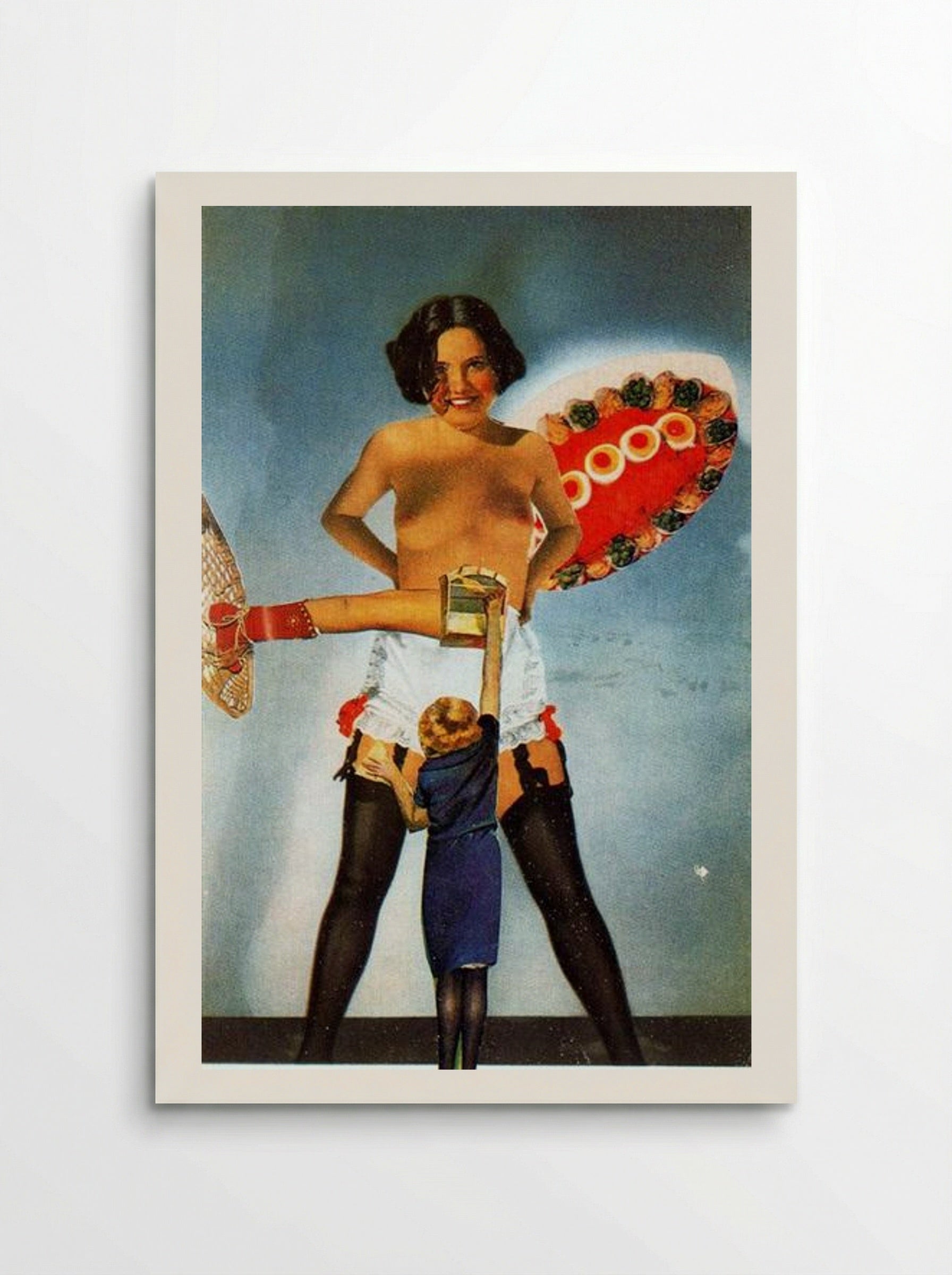
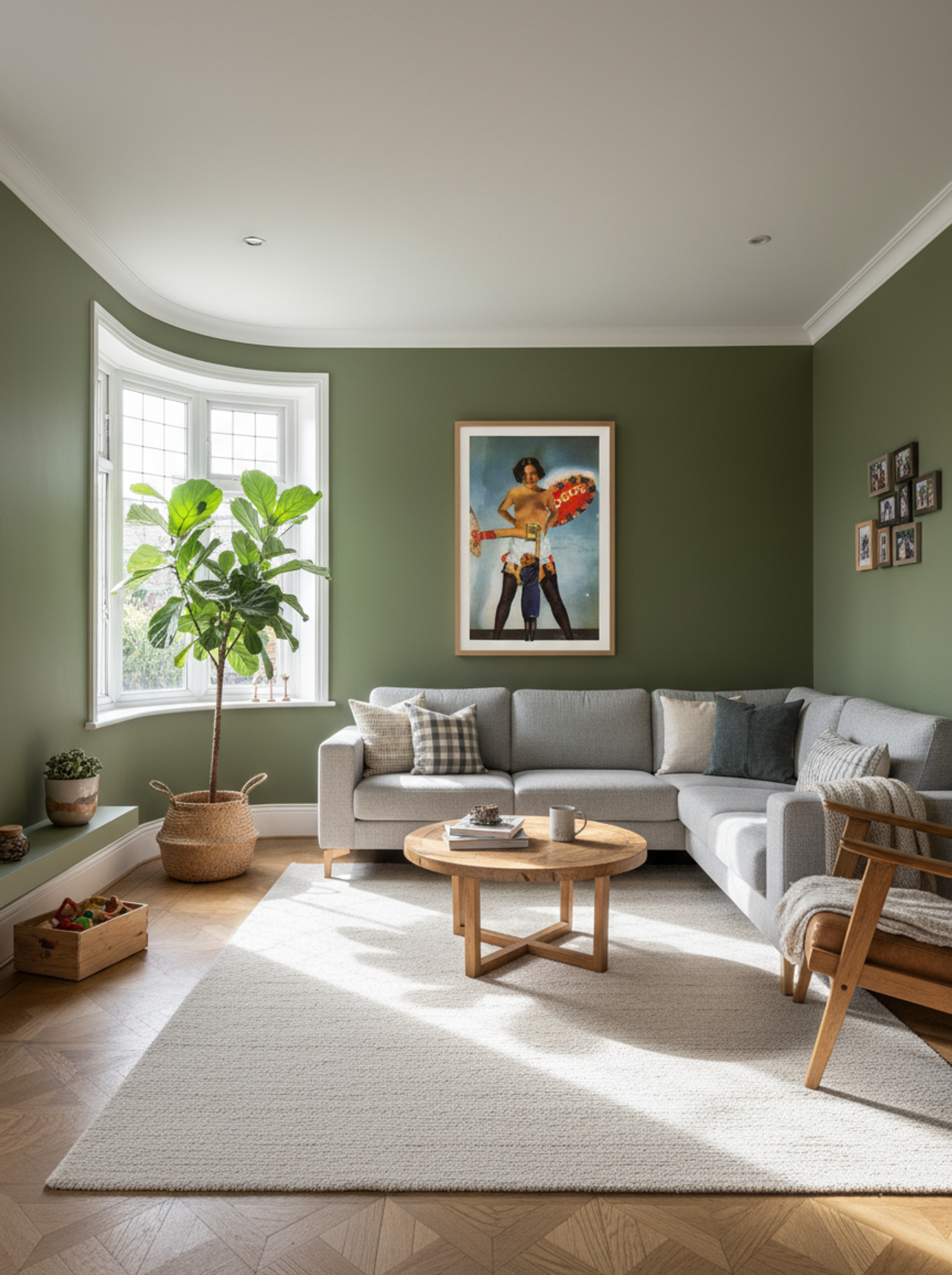 The Message - Remedios Varo
Print · Framed
Regular price From $29.00 USDSale price From $29.00 USD Regular price -
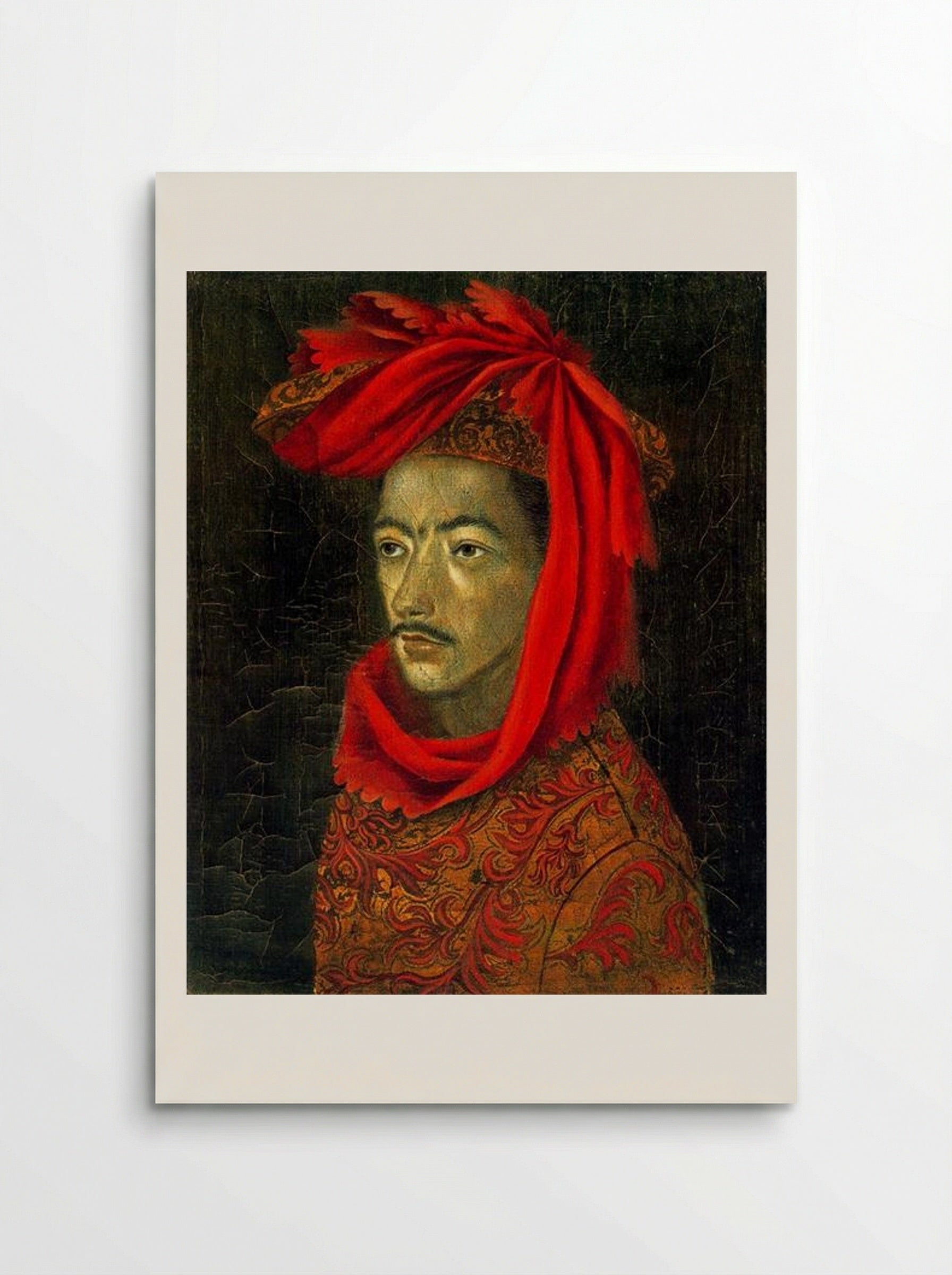
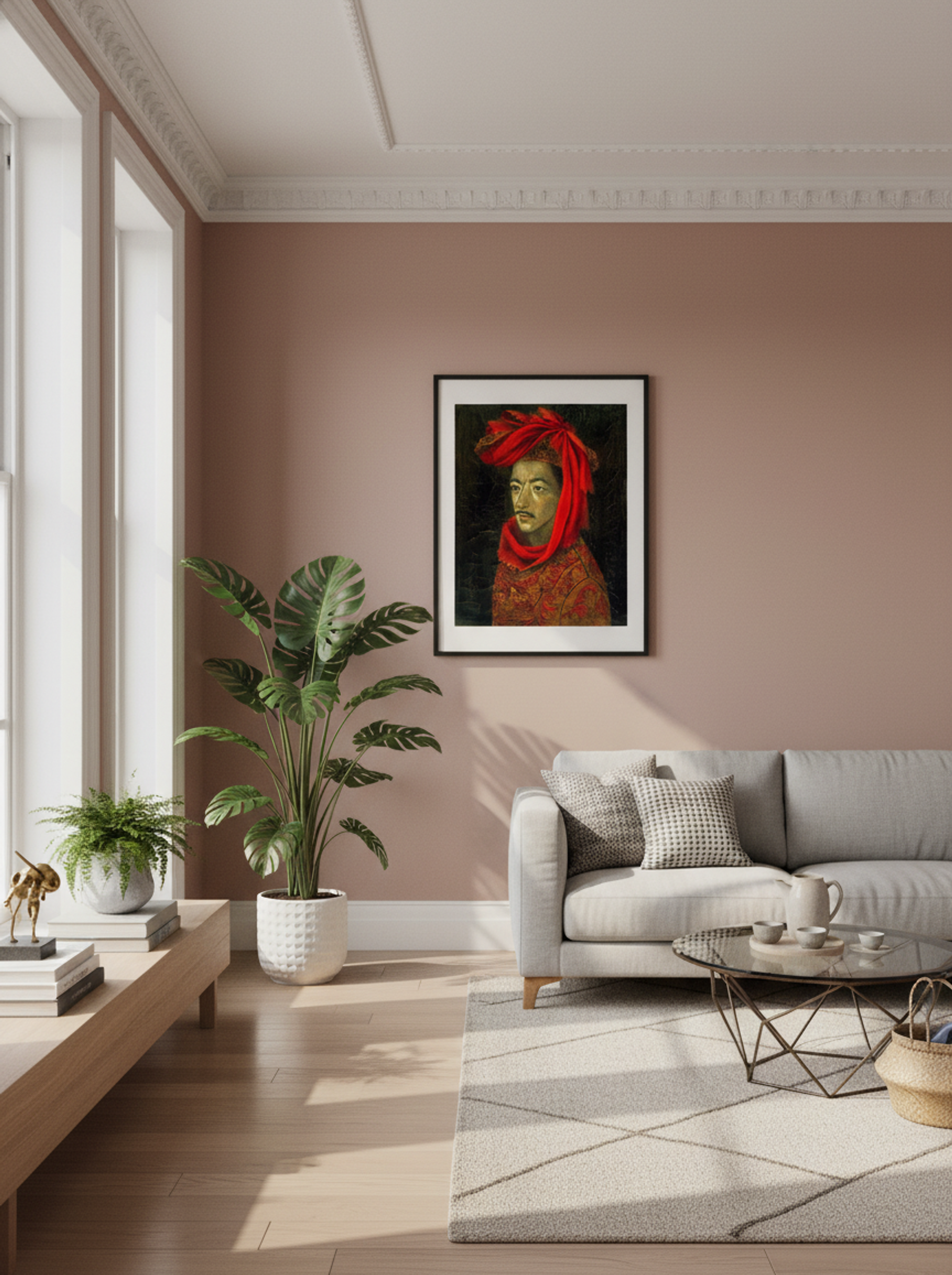 Portrait of Juan Martín - Remedios Varo
Print · Framed
Regular price From $29.00 USDSale price From $29.00 USD Regular price -
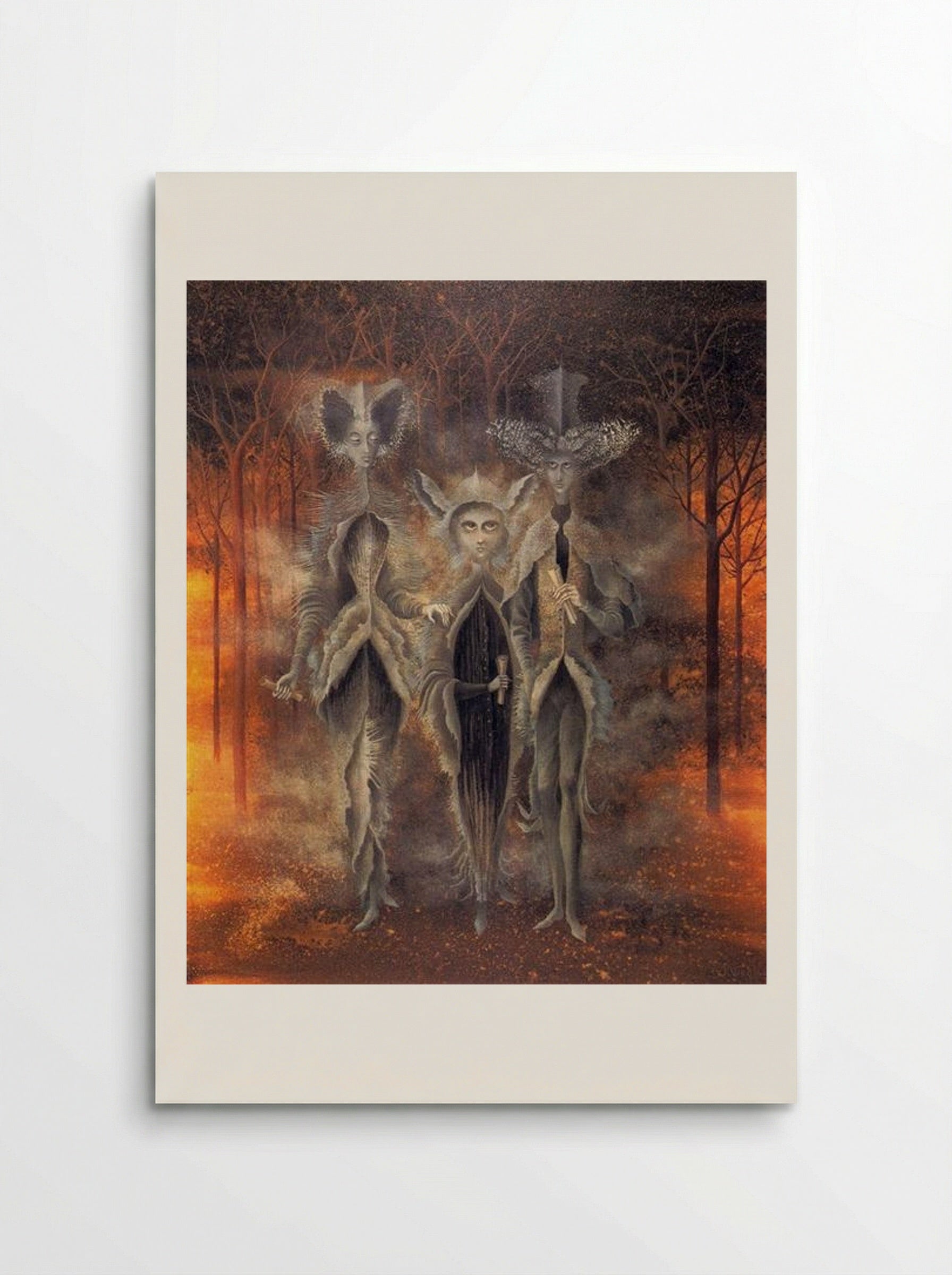
 Aurora - Remedios Varo
Print · Framed
Regular price From $29.00 USDSale price From $29.00 USD Regular price -

 The Battle - Remedios Varo
Print · Framed
Regular price From $29.00 USDSale price From $29.00 USD Regular price -

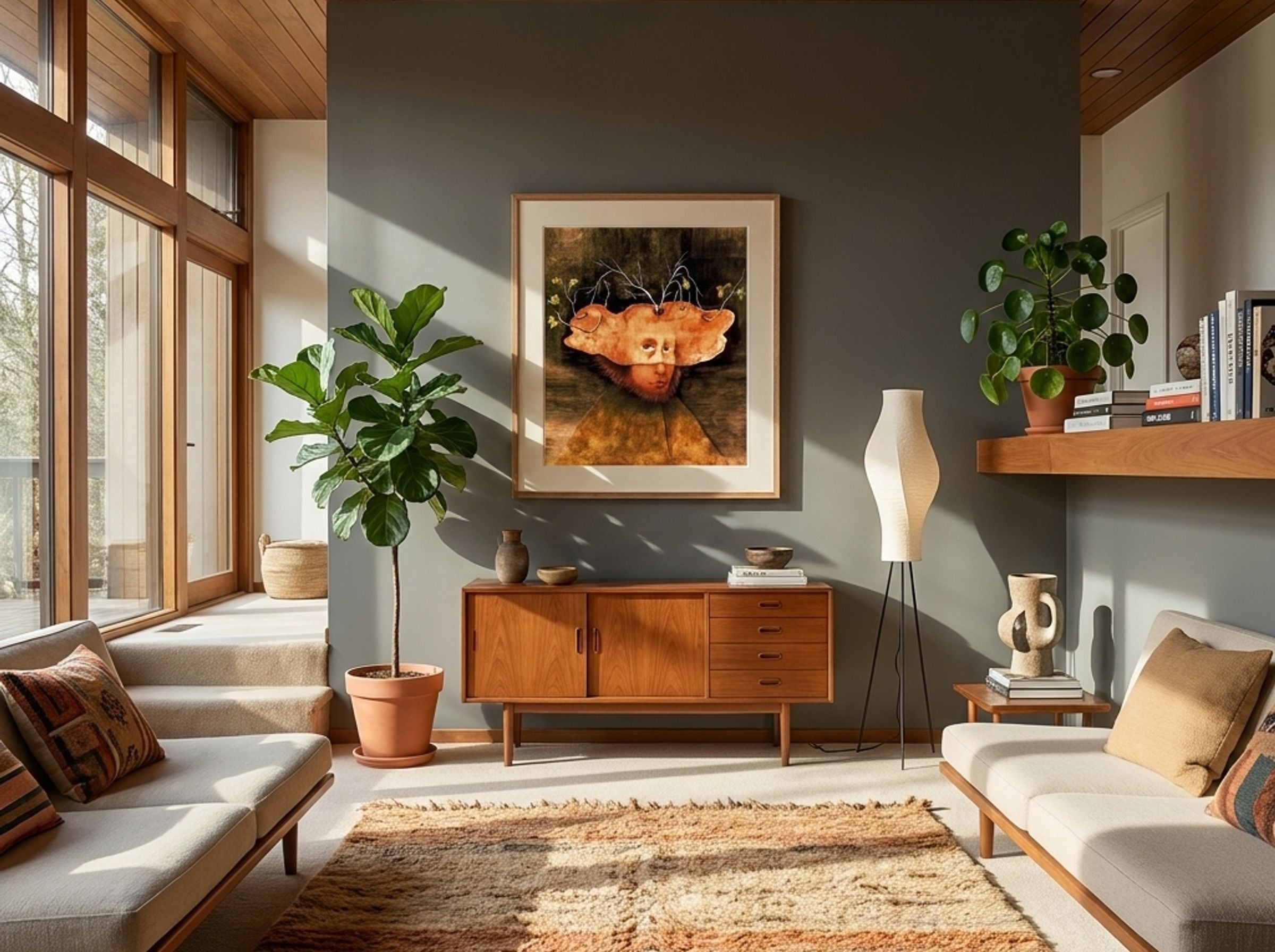 The Labrador - Remedios Varo
Print · Framed
Regular price From $39.00 USDSale price From $39.00 USD Regular price -
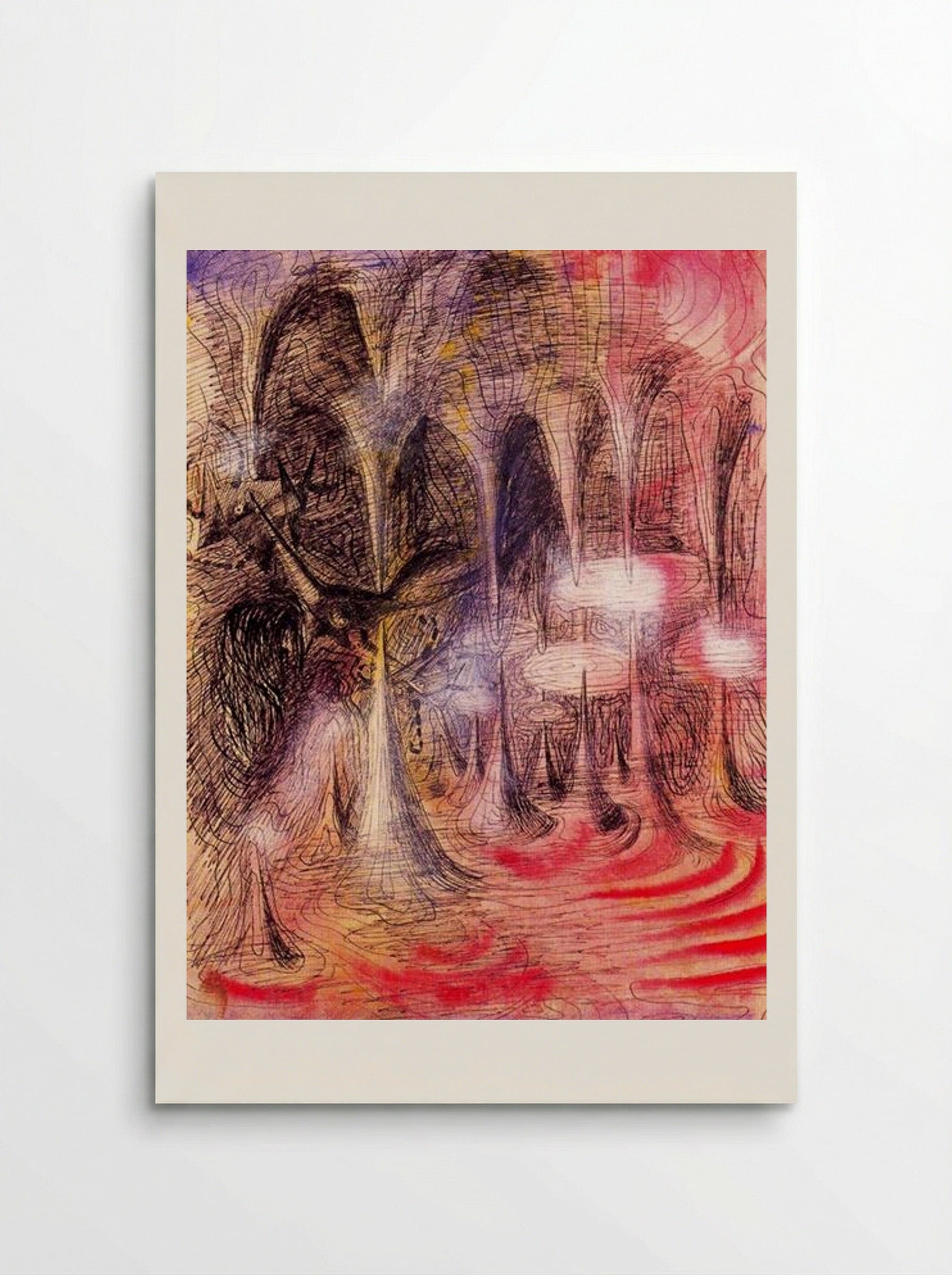
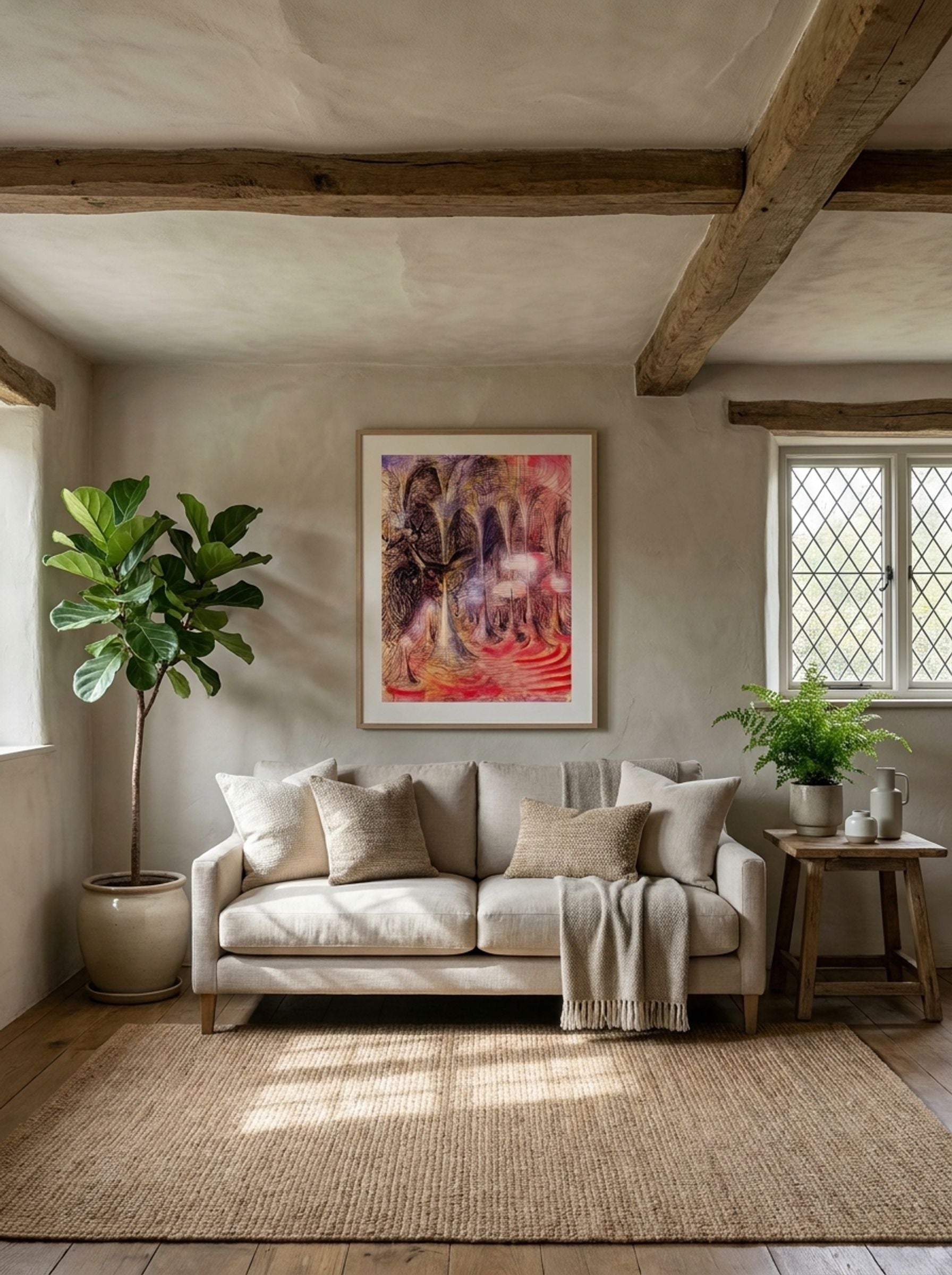 Magic Grotto - Remedios Varo
Print · Framed
Regular price From $29.00 USDSale price From $29.00 USD Regular price


Artist Biography
Remedios Varo
Varo was named after the Virgin of Remedies, as a remedy for an older sister who had died. Her full name was Maria de los Remedios Alicia Rodriga Varo y Uranga. Her father was an engineer who taught her to draw using his technical drafting tools. Her mother enrolled her in Catholic school in Madrid, which she spent most of her time rebelling against. Both influences appear in the paintings: precision engineering inhabited by mystics.
She graduated from the Royal Academy of Fine Arts of San Fernando in 1930, one of the few women in her class. In Barcelona she fell in with the Surrealists and, through them, with the poet Benjamin Peret, who became her partner. When Paris fell, she was jailed on suspicion of espionage. After her release she and Peret boarded one of the last ships allowed to leave France, arriving in Mexico in 1941.
In Mexico City she became inseparable from the English Surrealist Leonora Carrington. Together with the photographer Kati Horna, the three were called the Three Witches. They attended meetings of Gurdjieff and Ouspensky followers, studied alchemy and Jungian dream theory, and put ink in tapioca pearls to serve as caviar at dinner parties for Octavio Paz.
She did not paint prolifically until the last thirteen years of her life, once she was financially stable and free of wartime displacement. The paintings from this period are meticulous: tiny figures in architectural spaces that obey their own physics, conducting experiments with starlight or weaving the fabric of the universe from threads pulled out of the air.
Her posthumous retrospective at the Museum of Modern Art in Mexico City in 1971 drew more visitors than shows by Diego Rivera or David Alfaro Siqueiros. She had died of a heart attack in 1963, at fifty-four, at the peak of her working life.
She graduated from the Royal Academy of Fine Arts of San Fernando in 1930, one of the few women in her class. In Barcelona she fell in with the Surrealists and, through them, with the poet Benjamin Peret, who became her partner. When Paris fell, she was jailed on suspicion of espionage. After her release she and Peret boarded one of the last ships allowed to leave France, arriving in Mexico in 1941.
In Mexico City she became inseparable from the English Surrealist Leonora Carrington. Together with the photographer Kati Horna, the three were called the Three Witches. They attended meetings of Gurdjieff and Ouspensky followers, studied alchemy and Jungian dream theory, and put ink in tapioca pearls to serve as caviar at dinner parties for Octavio Paz.
She did not paint prolifically until the last thirteen years of her life, once she was financially stable and free of wartime displacement. The paintings from this period are meticulous: tiny figures in architectural spaces that obey their own physics, conducting experiments with starlight or weaving the fabric of the universe from threads pulled out of the air.
Her posthumous retrospective at the Museum of Modern Art in Mexico City in 1971 drew more visitors than shows by Diego Rivera or David Alfaro Siqueiros. She had died of a heart attack in 1963, at fifty-four, at the peak of her working life.
Related Artists


Why Choose Us ?