

Collection
Utagawa Kuniyoshi
Explore curated art prints selected for distinctive homes and considered interiors.
Suggested filters
-

 High Noon at Kasumigaseki - Utagawa Kuniyoshi
Print · Framed · Canvas
Regular price From $29.00 USDSale price From $29.00 USD Regular price -

 Cat and Bowl of Goldfish - Utagawa Kuniyoshi
Print · Framed · Canvas
Regular price From $29.00 USDSale price From $29.00 USD Regular price -

 Second Print from A Low Tide Pentaptych - Utagawa Kuniyoshi
Print · Framed · Canvas
Regular price From $39.00 USDSale price From $39.00 USD Regular price -

 Fourth Print from A Low Tide Pentaptych - Utagawa Kuniyoshi
Print · Framed · Canvas
Regular price From $39.00 USDSale price From $39.00 USD Regular price -

 Third Print from A Low Tide Pentaptych - Utagawa Kuniyoshi
Print · Framed · Canvas
Regular price From $39.00 USDSale price From $39.00 USD Regular price -

 First Print from A Low Tide Pentaptych - Utagawa Kuniyoshi
Print · Framed · Canvas
Regular price From $39.00 USDSale price From $39.00 USD Regular price -

 Fifth Print from A Low Tide Pentaptych - Utagawa Kuniyoshi
Print · Framed · Canvas
Regular price From $39.00 USDSale price From $39.00 USD Regular price -
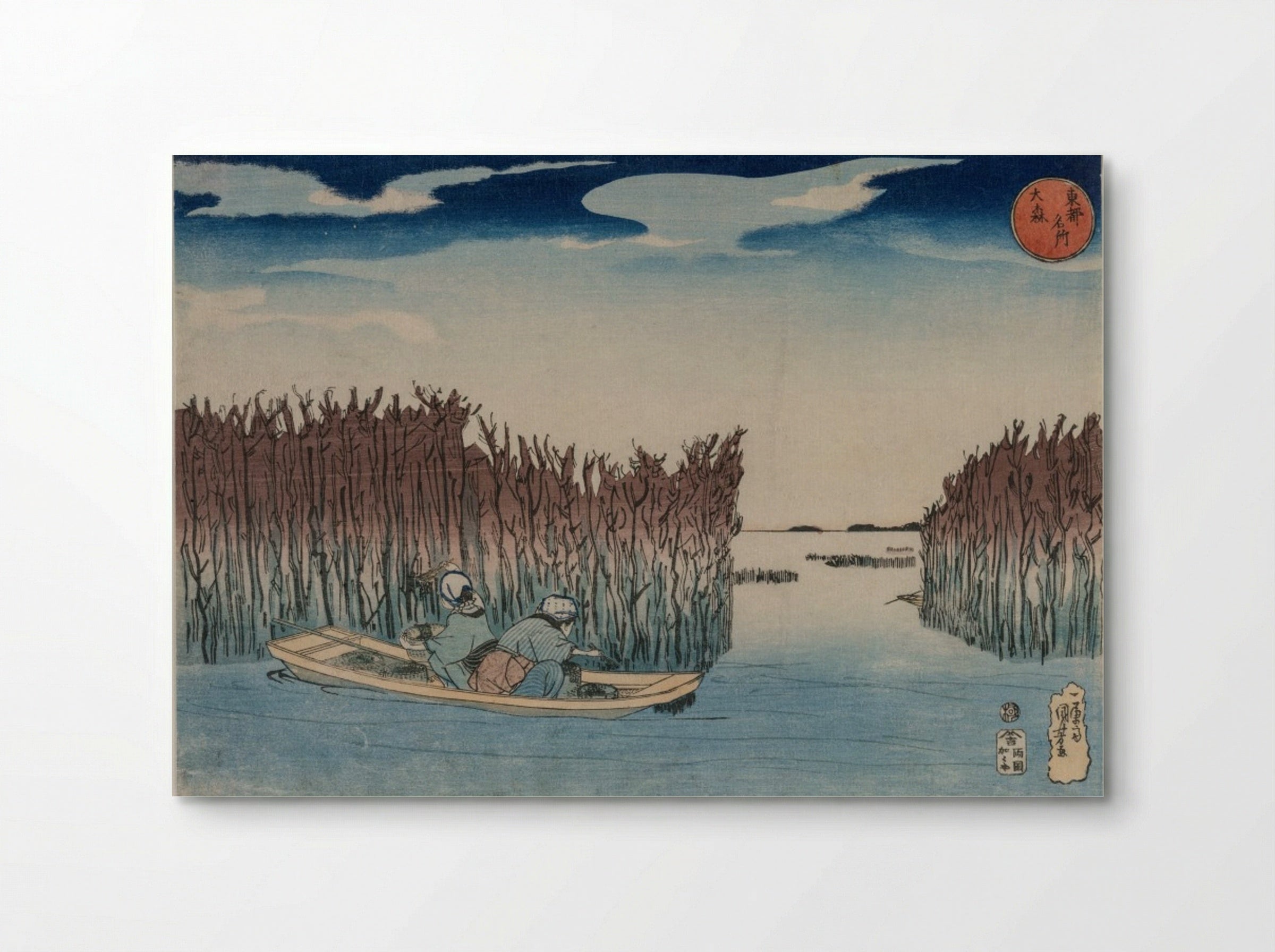 Ōmori, from the series Famous Places in the Eastern Capital - Utagawa Kuniyoshi
Print
Regular price From $29.00 USDSale price From $29.00 USD Regular price -
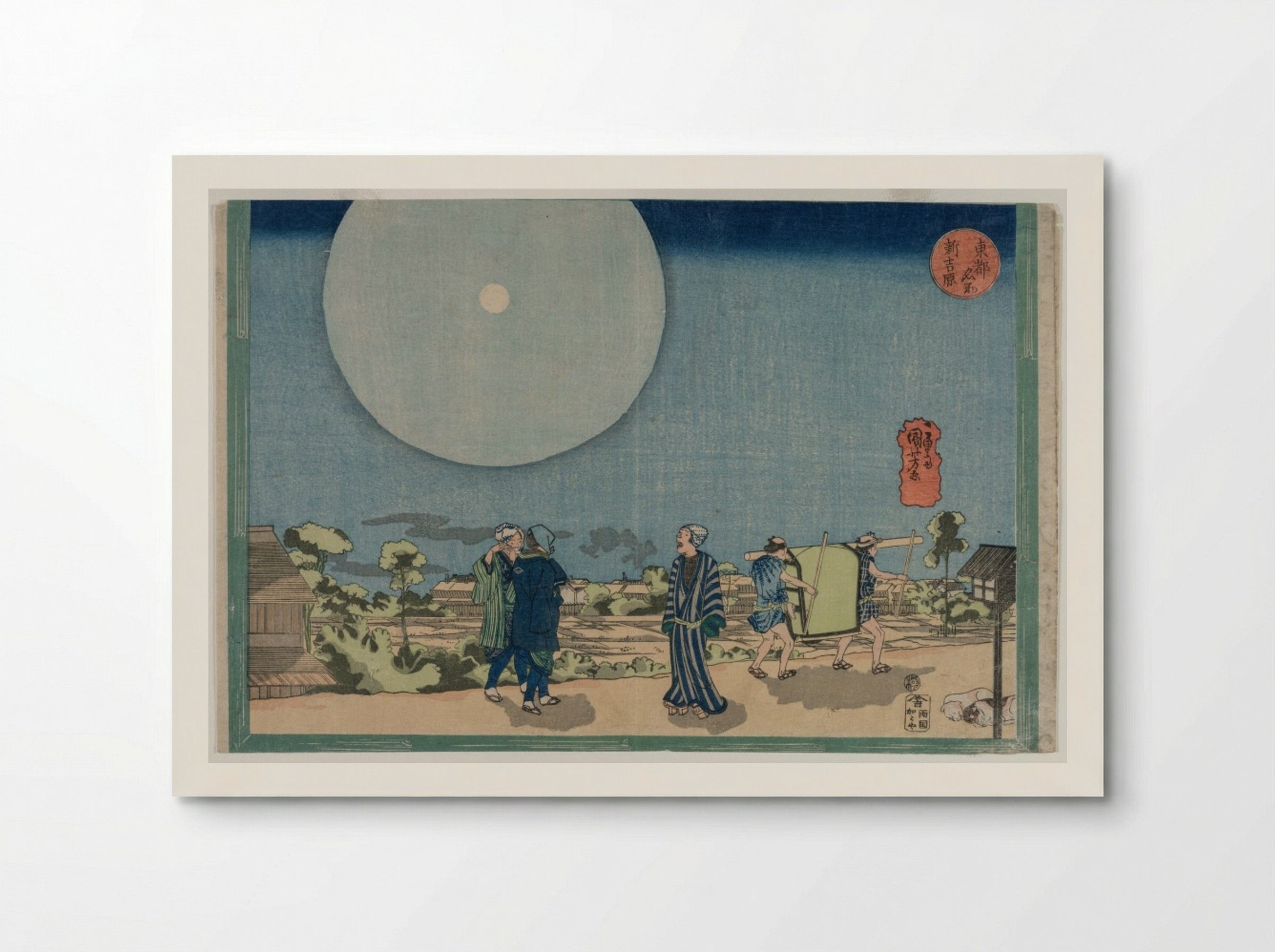 New Yoshiwara (Shin Yoshiwara) - Utagawa Kuniyoshi
Print
Regular price From $29.00 USDSale price From $29.00 USD Regular price -
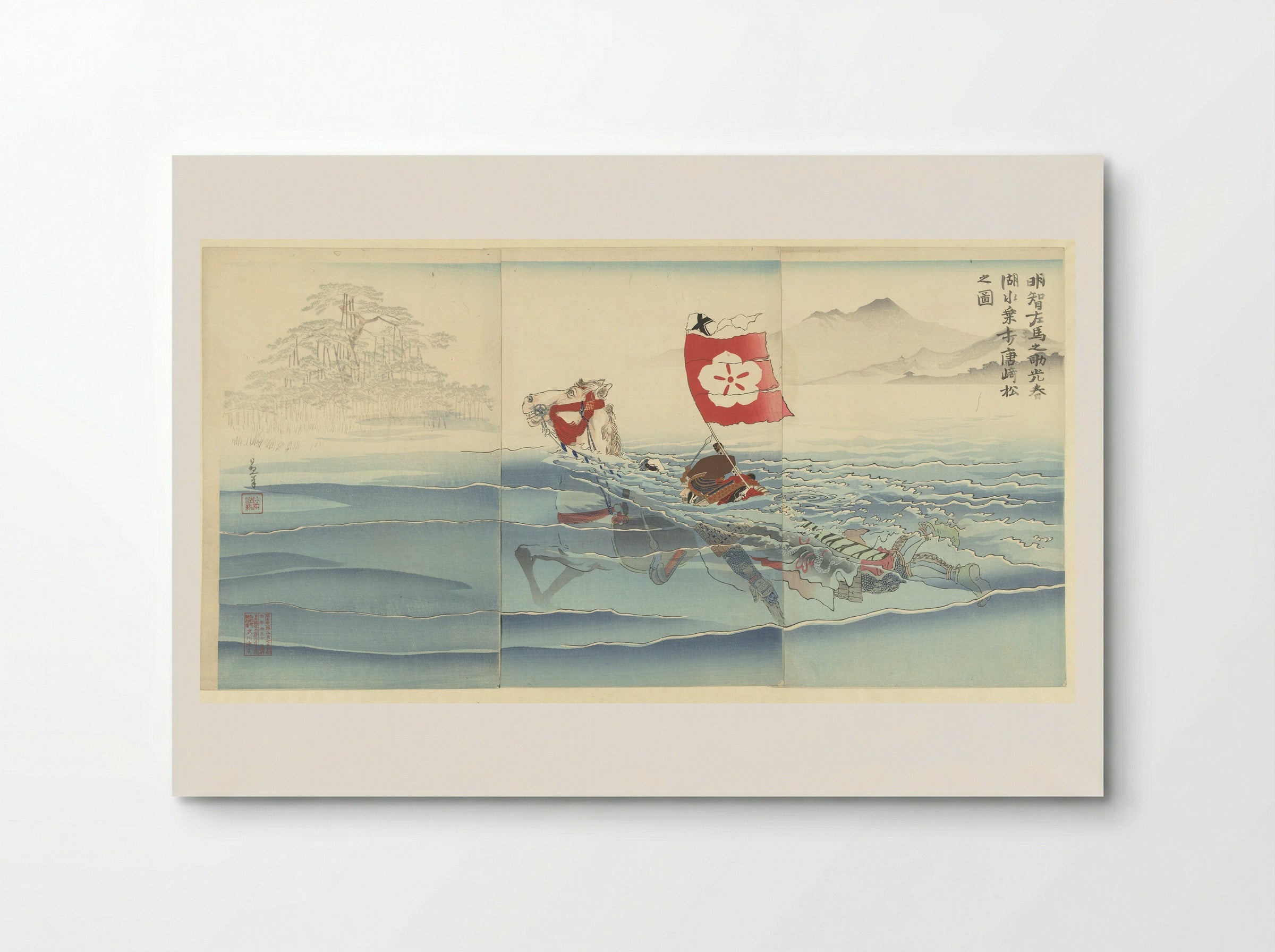 Akechi Samanosuke Mitsuharu Swimming Across Lake Biwa - Utagawa Kuniyoshi
Print
Regular price From $29.00 USDSale price From $29.00 USD Regular price -
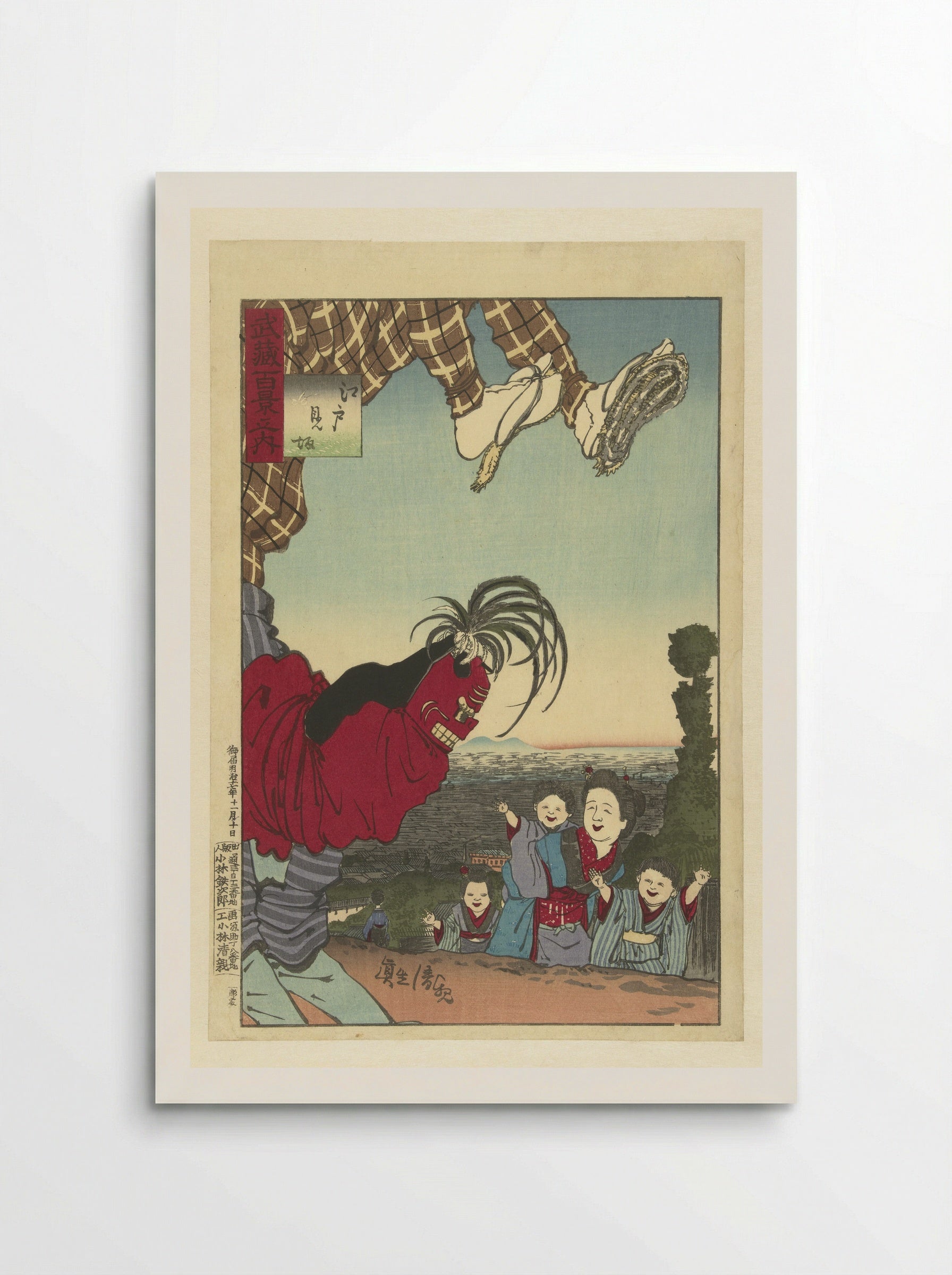 Street Performer in Edo - Utagawa Kuniyoshi
Print
Regular price From $29.00 USDSale price From $29.00 USD Regular price -
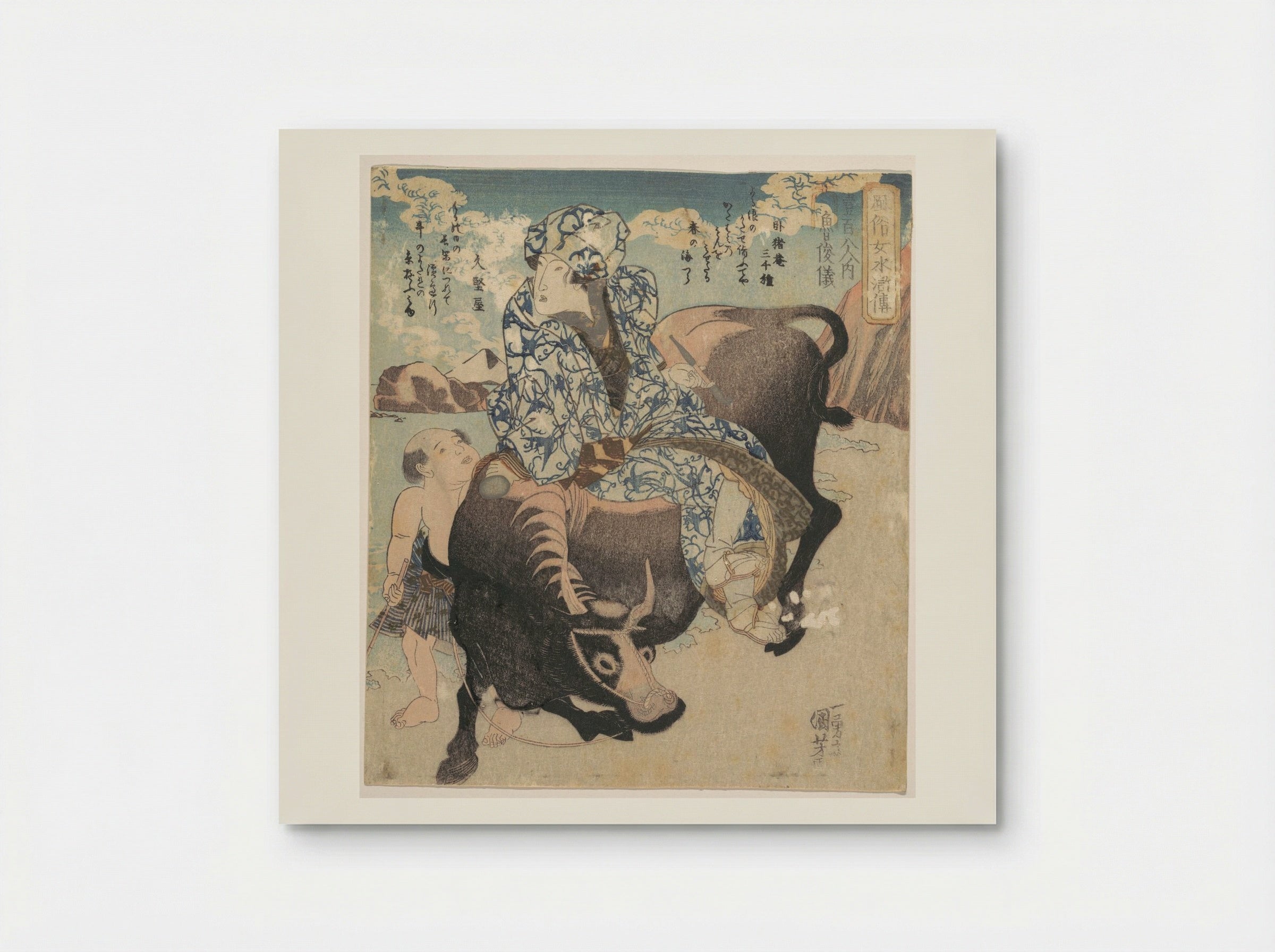 Roshungi (Chinese, Lu Zhunyi) as a Woman with a Pipe Riding on a Buffalo - Utagawa Kuniyoshi
Print
Regular price From $39.00 USDSale price From $39.00 USD Regular price -
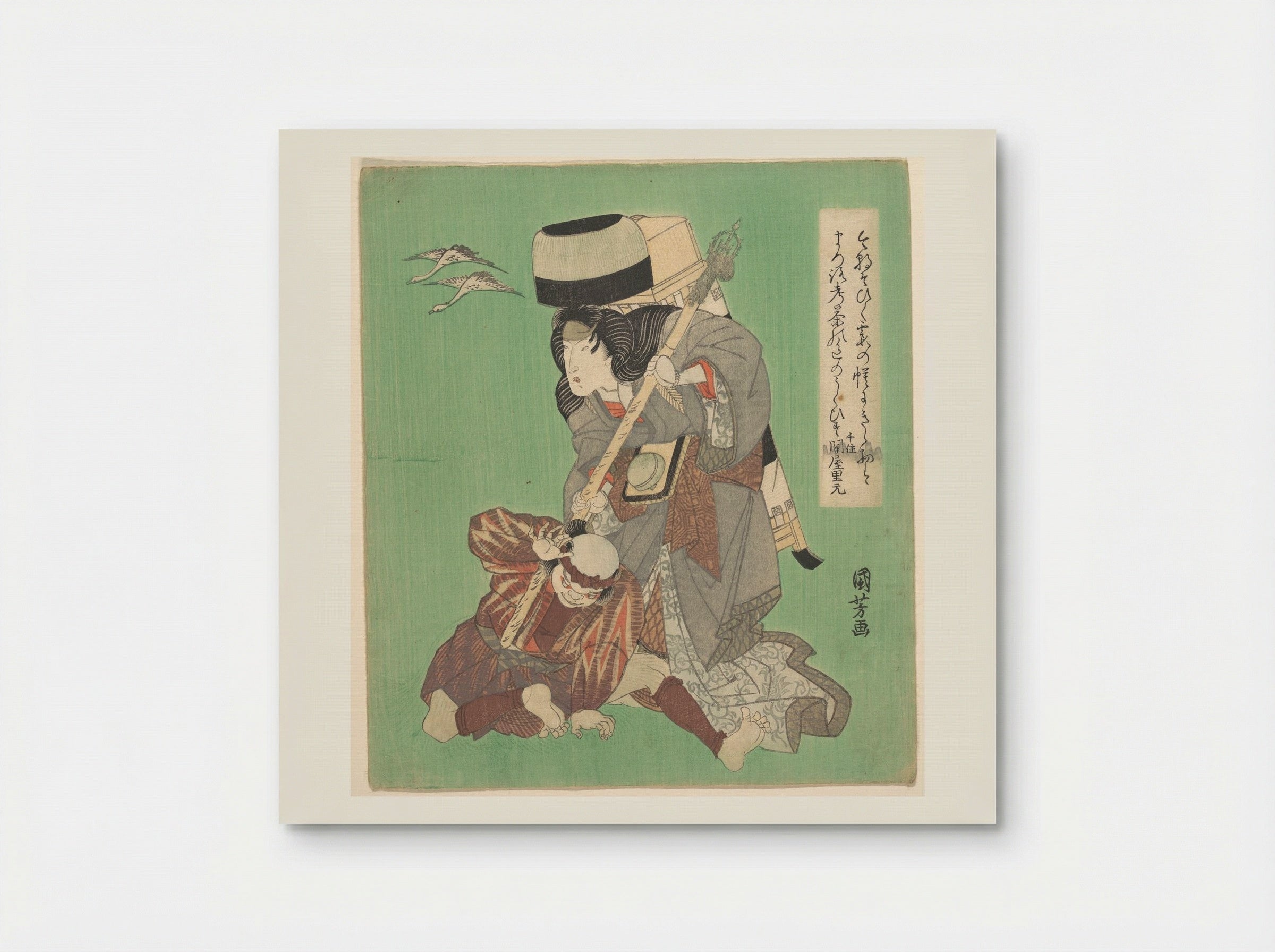 Theatrical Scene - Utagawa Kuniyoshi
Print
Regular price From $39.00 USDSale price From $39.00 USD Regular price -
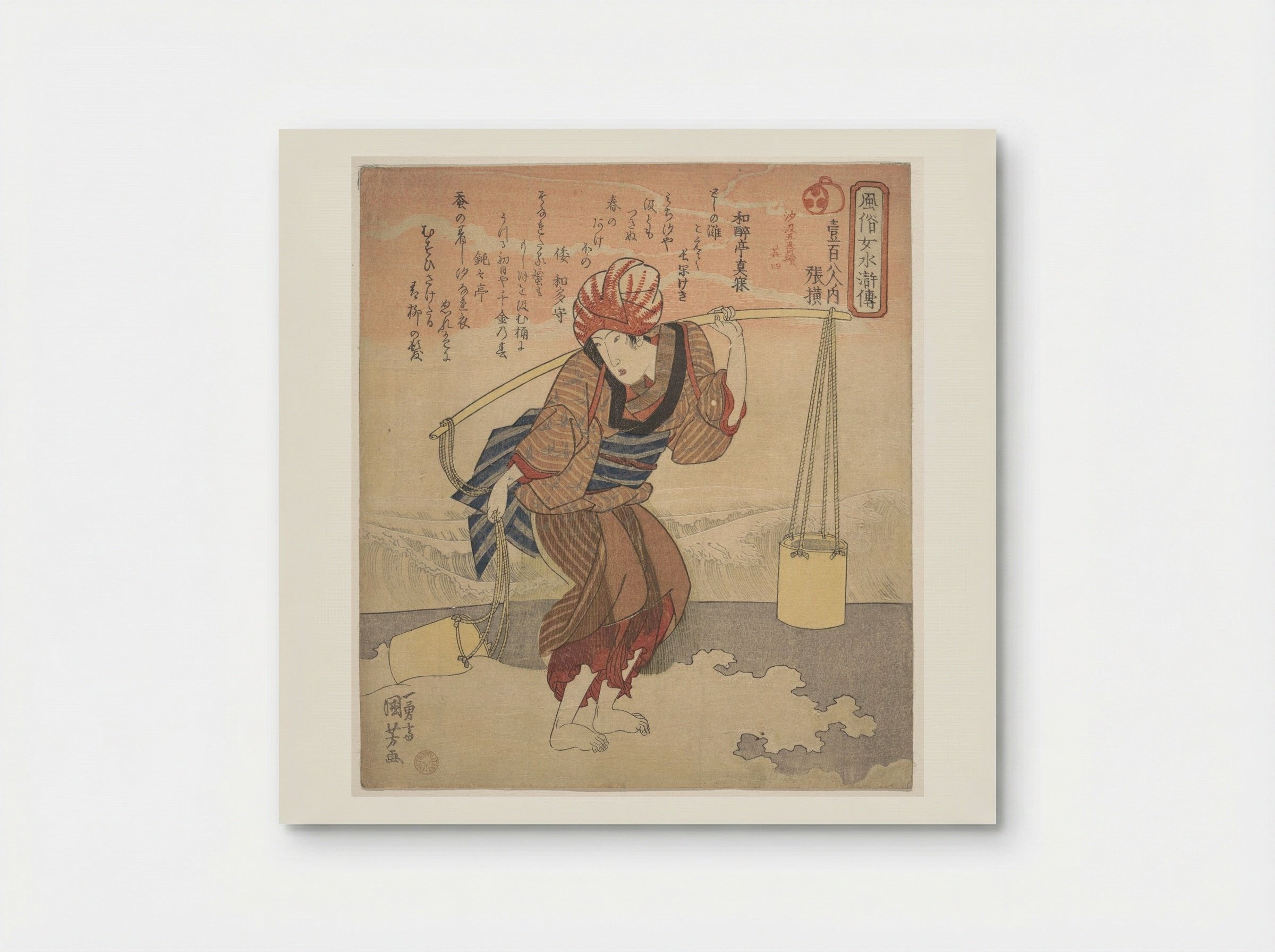 Girl Filling a Bucket with Sea Water - Utagawa Kuniyoshi
Print
Regular price From $39.00 USDSale price From $39.00 USD Regular price -
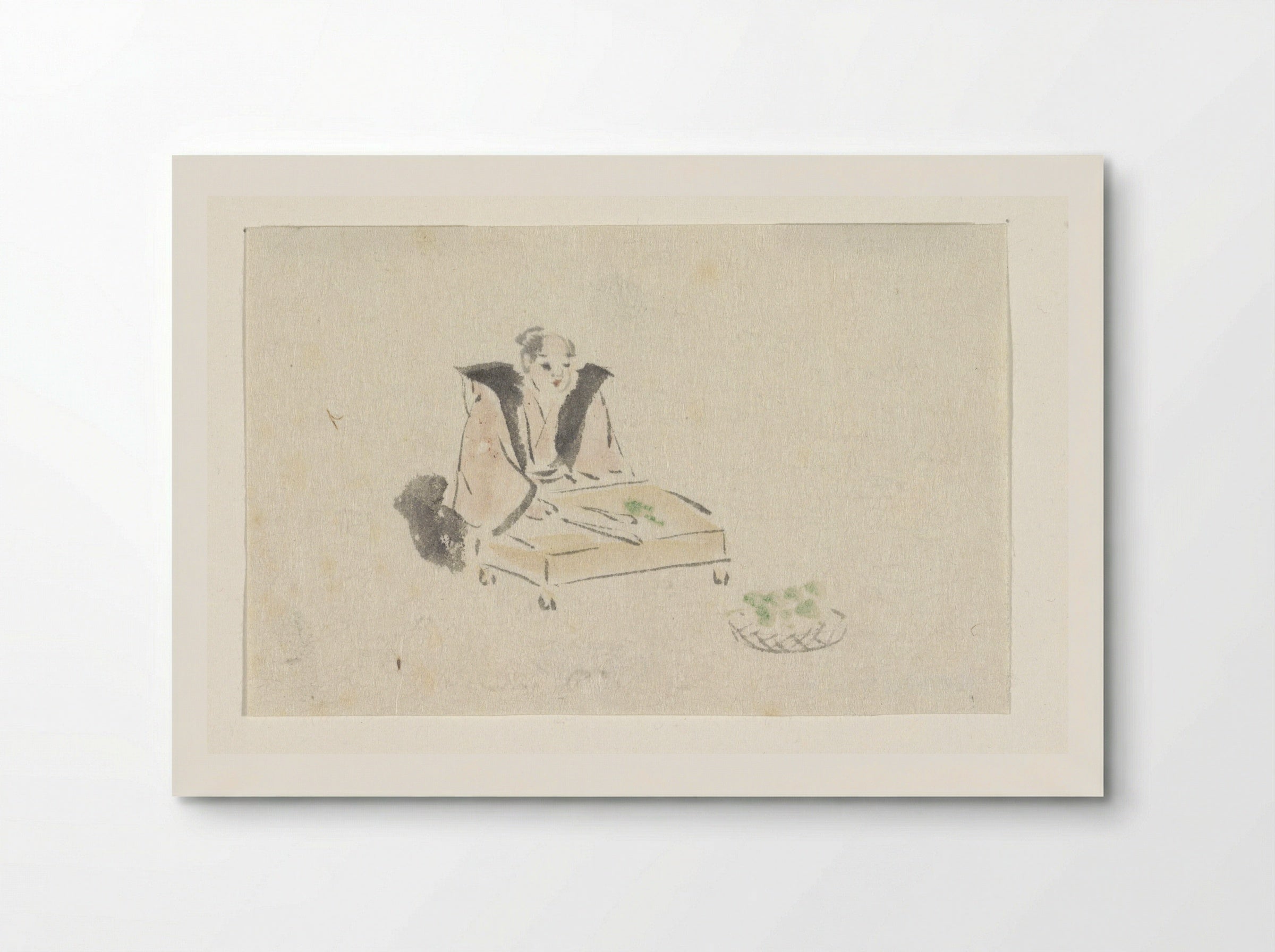 Zittende figuur bij een tafeltje - Utagawa Kuniyoshi
Print
Regular price From $29.00 USDSale price From $29.00 USD Regular price -
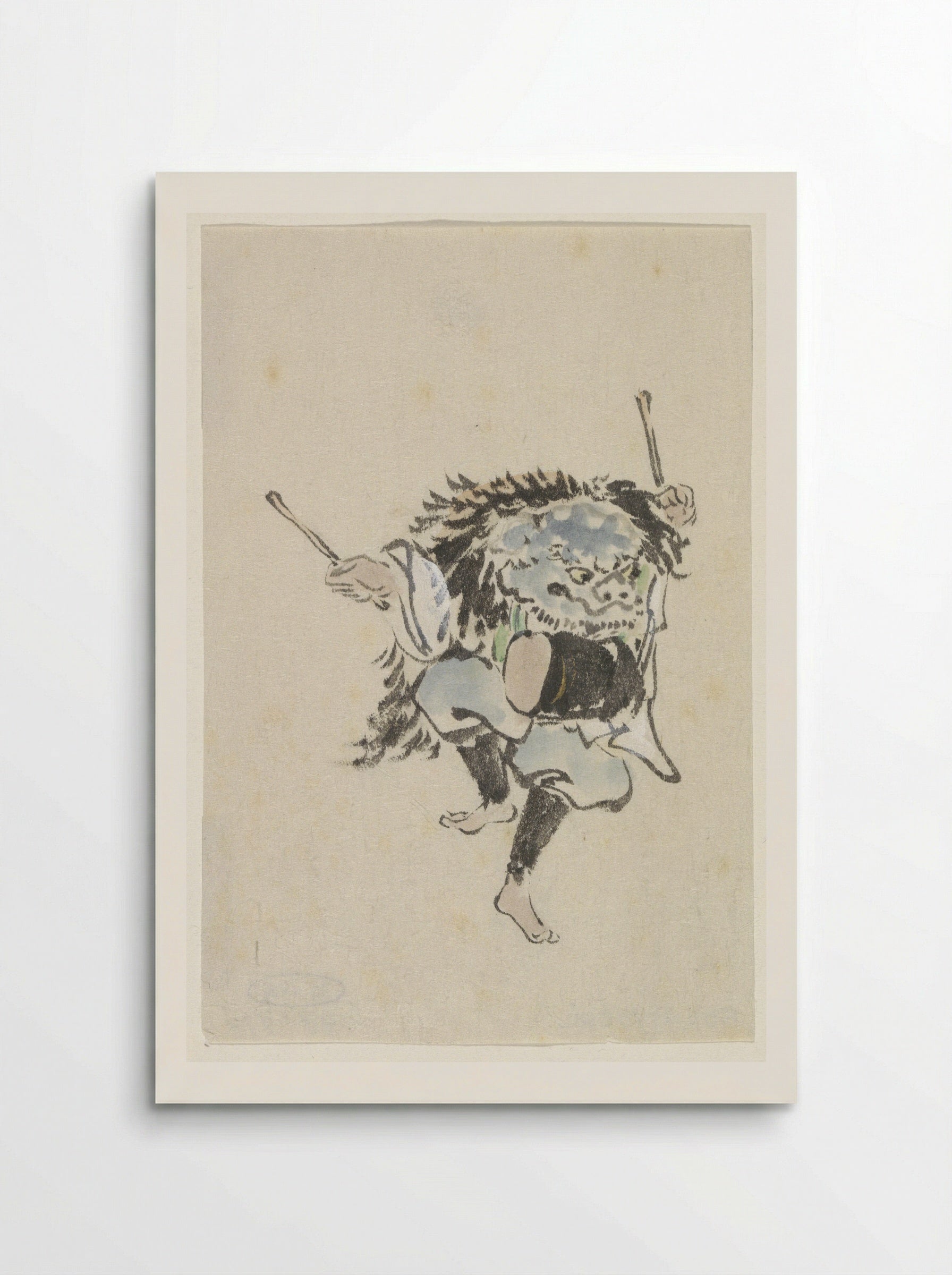 Dancer with Lion Mask and Drum - Utagawa Kuniyoshi
Print
Regular price From $29.00 USDSale price From $29.00 USD Regular price -
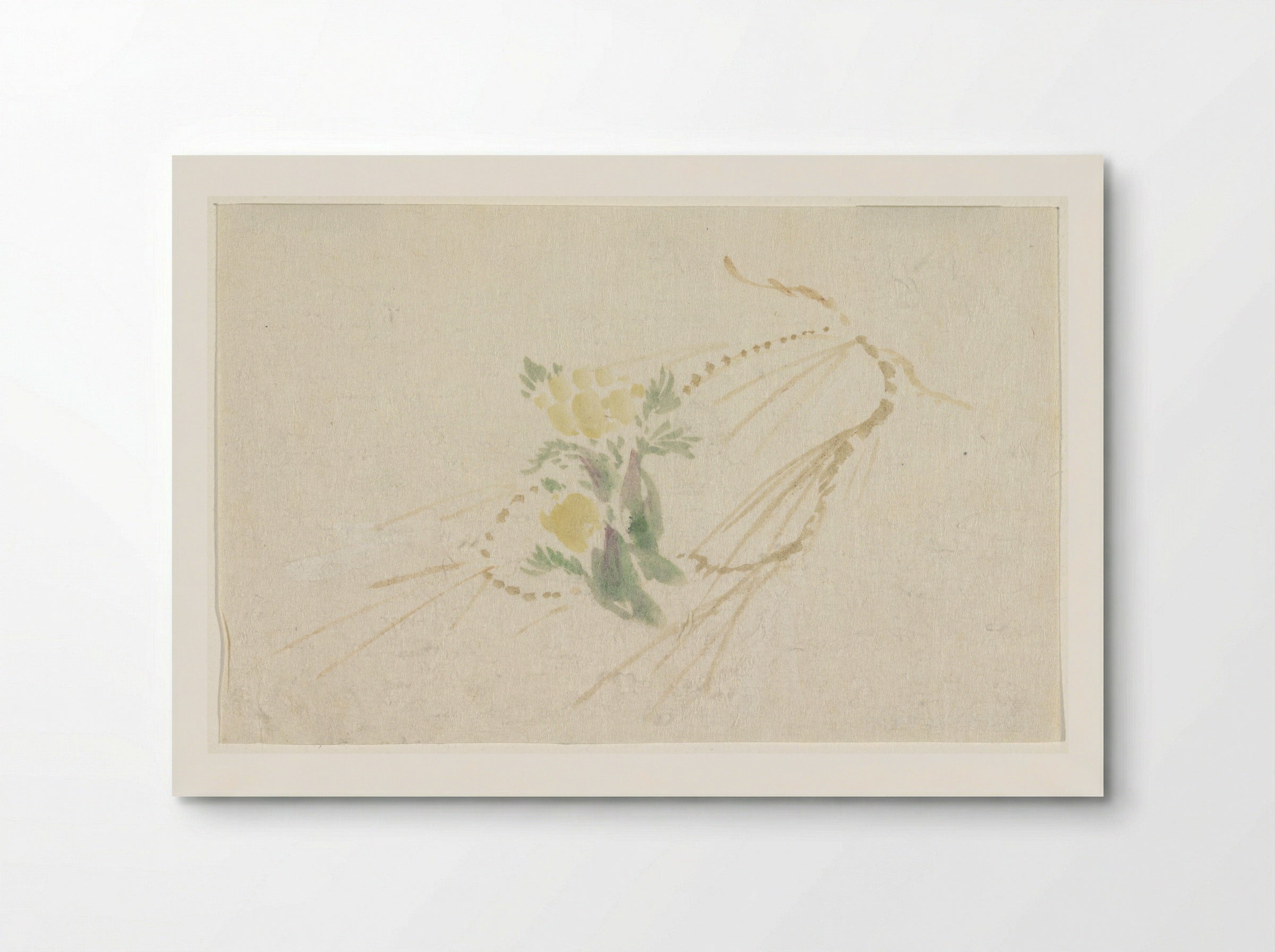 Tak met gele bloemen (Yellow Flowers on a Branch) - Utagawa Kuniyoshi
Print
Regular price From $29.00 USDSale price From $29.00 USD Regular price -
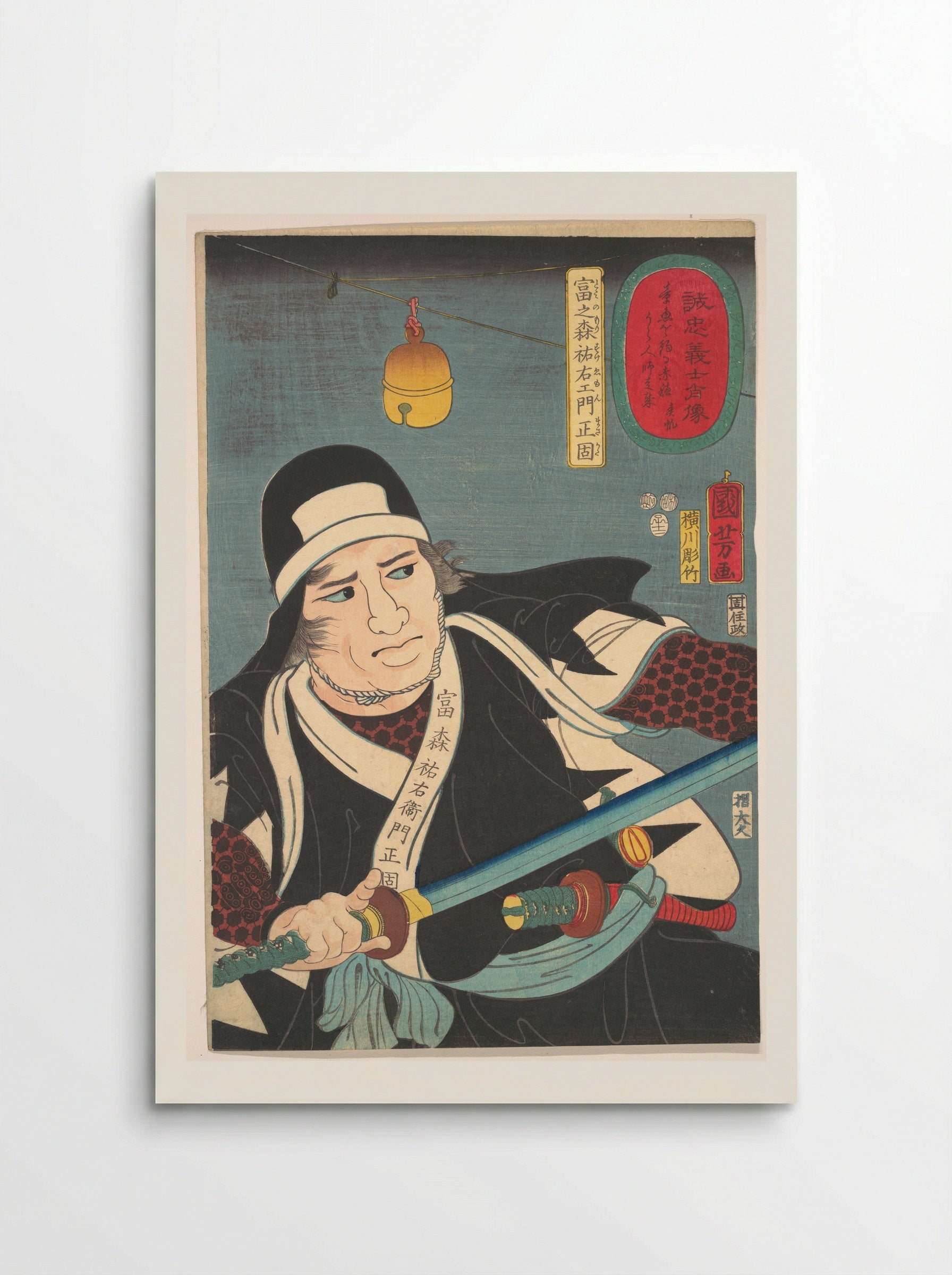 Portrait of Tominomori Sukeyemon Masakata - Utagawa Kuniyoshi
Print
Regular price From $29.00 USDSale price From $29.00 USD Regular price -
 Boys Play-acting a Daimyo Procession - Utagawa Kuniyoshi
Print
Regular price From $29.00 USDSale price From $29.00 USD Regular price -
 Portrait of Kansake Yagoro Noriyasu - Utagawa Kuniyoshi
Print
Regular price From $29.00 USDSale price From $29.00 USD Regular price -
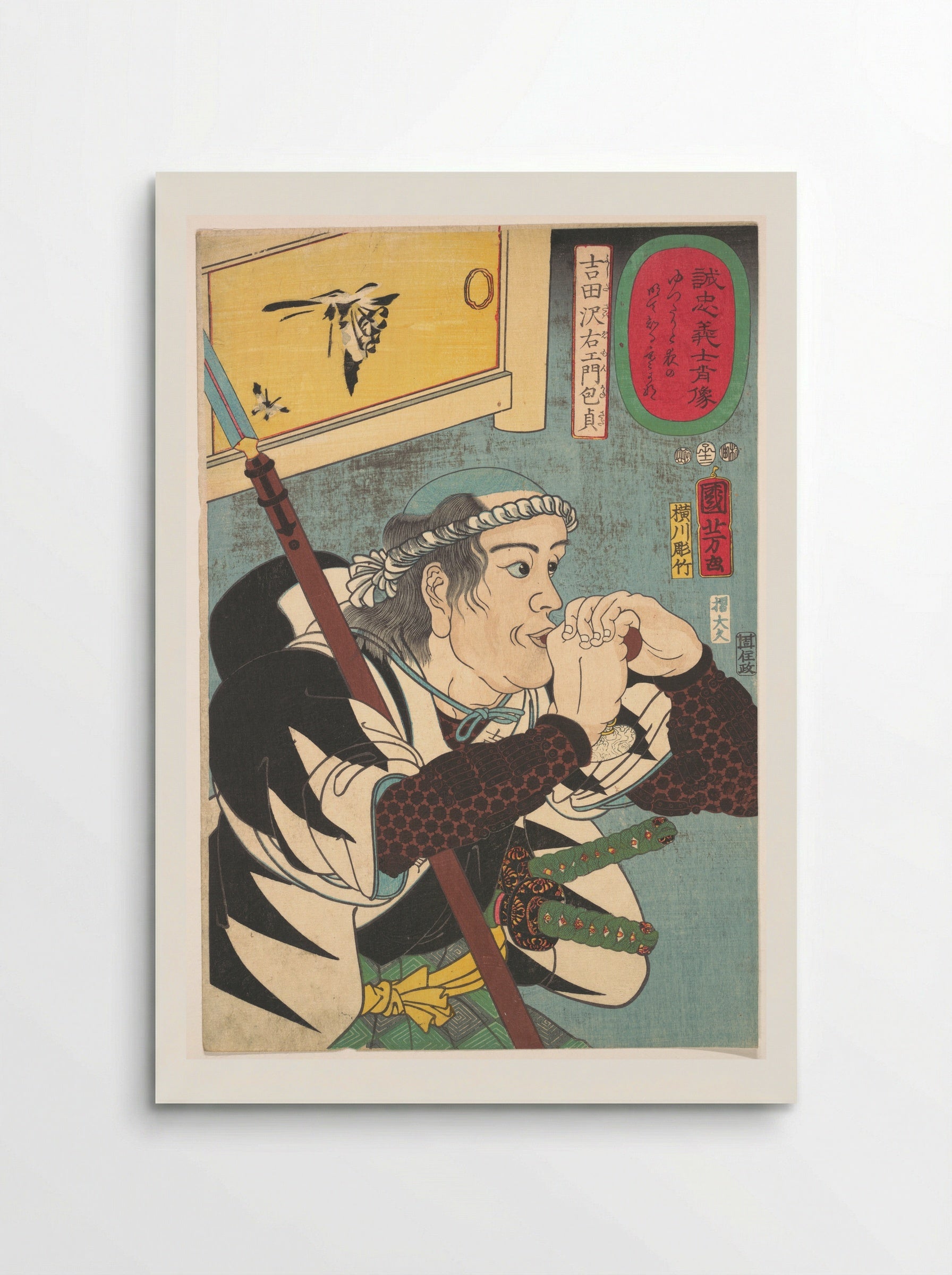 Portrait of Yoshida Sayaemon Kanesada - Utagawa Kuniyoshi
Print
Regular price From $29.00 USDSale price From $29.00 USD Regular price -
 Travelling in a Snowstorm - Utagawa Kuniyoshi
Print
Regular price From $29.00 USDSale price From $29.00 USD Regular price -
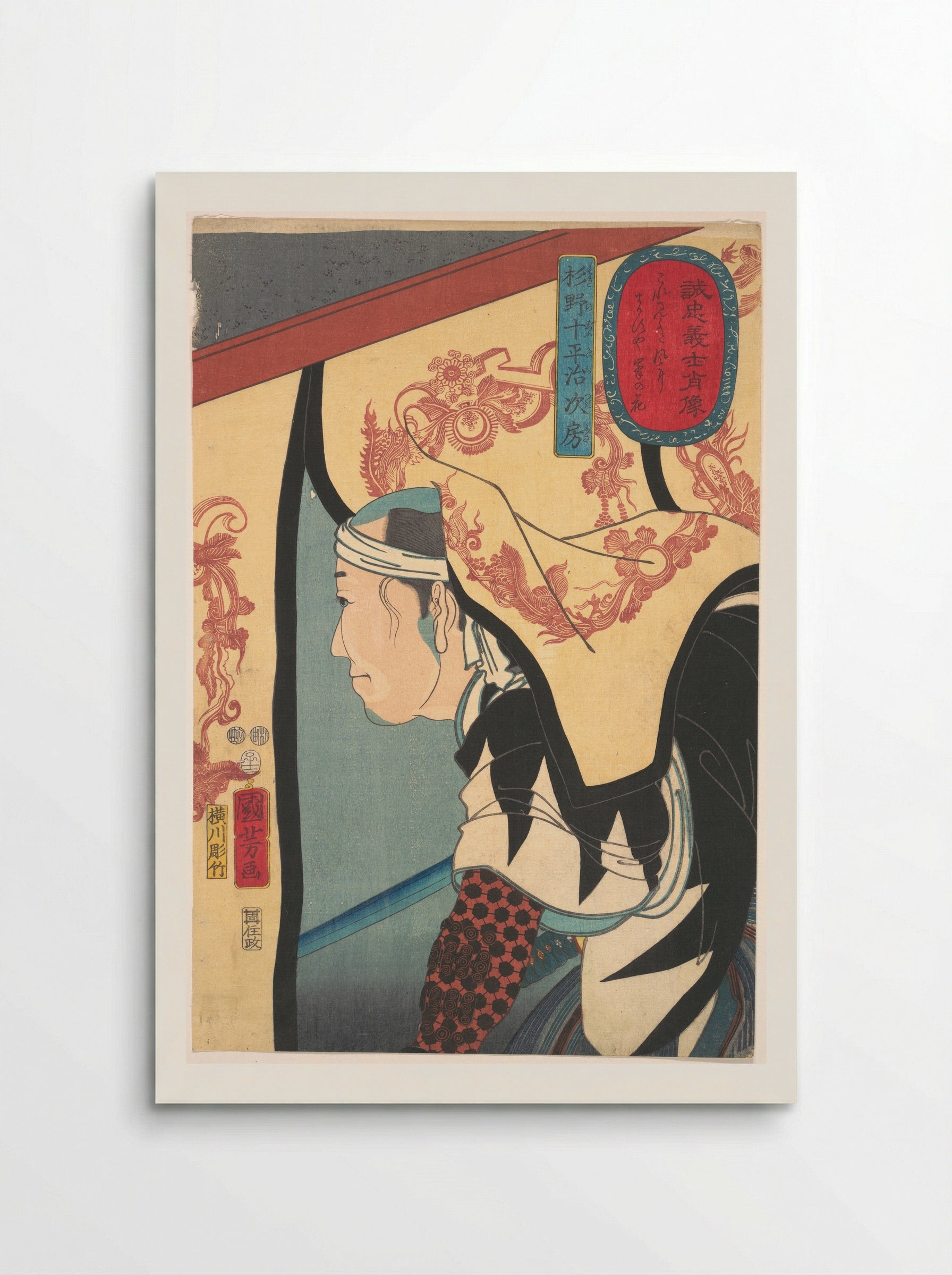 Portrait of Sugino Juheiji Tsugifusa - Utagawa Kuniyoshi
Print
Regular price From $29.00 USDSale price From $29.00 USD Regular price -
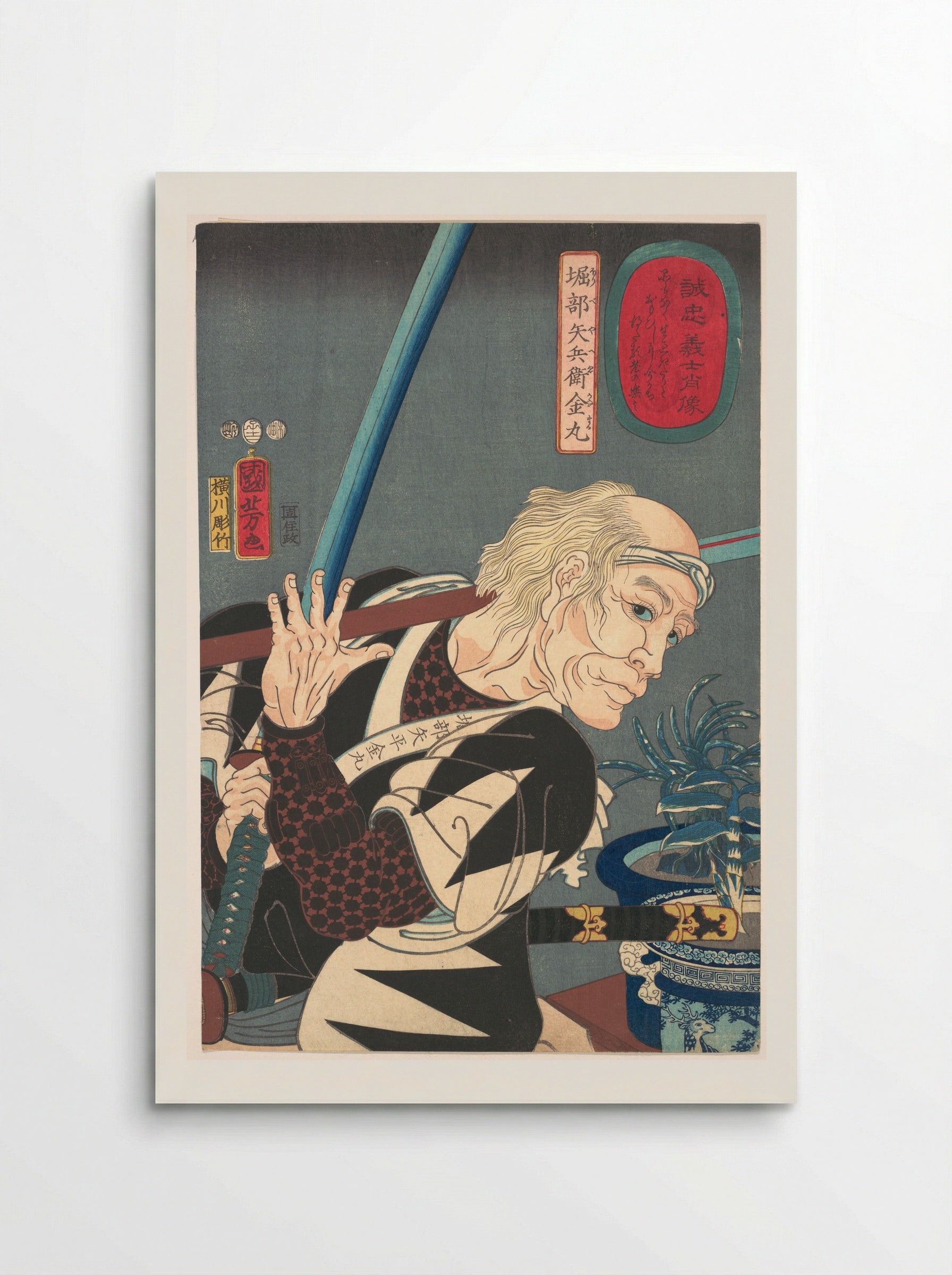 Portrait of Oribe Yahei Kanamaru - Utagawa Kuniyoshi
Print
Regular price From $29.00 USDSale price From $29.00 USD Regular price


Artist Biography
Utagawa Kuniyoshi
Kuniyoshi's father was a silk dyer in Edo. The boy helped with pattern design, which gave him an instinct for colour and textile decoration that shows in every print he made. At twelve he caught the attention of Utagawa Toyokuni, the head of the Utagawa school, and was admitted as a student. He was given the name Kuniyoshi in 1814 and became independent.
For the first thirteen years he struggled. The breakthrough came in 1827 with a commission to illustrate the 108 Heroes of the Suikoden, a Chinese adventure novel. He drew tattooed warriors in dynamic poses that broke out of the frame, the tattoos rendered with a detail that started a fashion in Edo. The series was enormously popular and established him as the leading designer of warrior prints.
He loved cats. His studio was always full of them, and he often worked with a kitten tucked inside his kimono. When a cat died, he sent it to a nearby temple, and he kept a Buddhist altar for his deceased cats at home. Cats appear constantly in his prints: as substitute actors in kabuki scenes, as letter-forms in playful alphabets, as parodies of famous paintings. Government censorship in the 1840s prohibited the depiction of actors and courtesans by name, so Kuniyoshi gave them cat faces, which was technically legal and funnier.
His range was unusual for an ukiyo-e artist. Warriors, landscapes, beautiful women, ghosts, satirical cartoons, cats. He was equally comfortable with the heroic and the absurd, sometimes on the same sheet. His triptych of the giant skeleton spectre, from the tale of Takiyasha the Witch, is one of the most reproduced images in Japanese art.
For the first thirteen years he struggled. The breakthrough came in 1827 with a commission to illustrate the 108 Heroes of the Suikoden, a Chinese adventure novel. He drew tattooed warriors in dynamic poses that broke out of the frame, the tattoos rendered with a detail that started a fashion in Edo. The series was enormously popular and established him as the leading designer of warrior prints.
He loved cats. His studio was always full of them, and he often worked with a kitten tucked inside his kimono. When a cat died, he sent it to a nearby temple, and he kept a Buddhist altar for his deceased cats at home. Cats appear constantly in his prints: as substitute actors in kabuki scenes, as letter-forms in playful alphabets, as parodies of famous paintings. Government censorship in the 1840s prohibited the depiction of actors and courtesans by name, so Kuniyoshi gave them cat faces, which was technically legal and funnier.
His range was unusual for an ukiyo-e artist. Warriors, landscapes, beautiful women, ghosts, satirical cartoons, cats. He was equally comfortable with the heroic and the absurd, sometimes on the same sheet. His triptych of the giant skeleton spectre, from the tale of Takiyasha the Witch, is one of the most reproduced images in Japanese art.


Why Choose Us ?