



1816–1859 · German
Alfred Rethel
Alfred Rethel was an artist from the Kingdom of Prussia. He lived from 1816 to 1859.

Biography
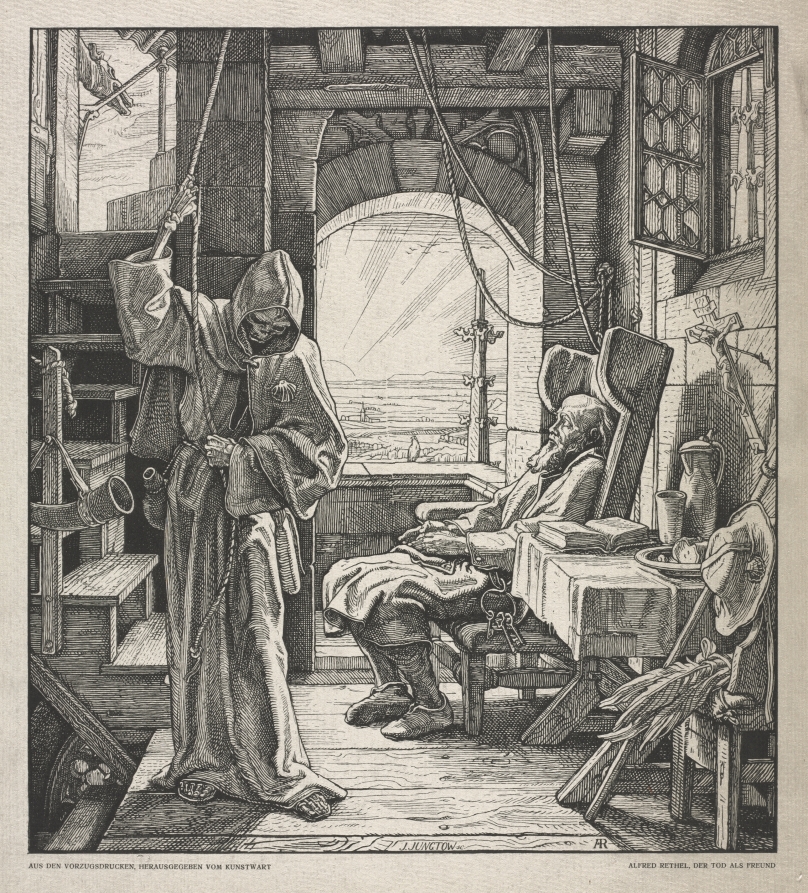
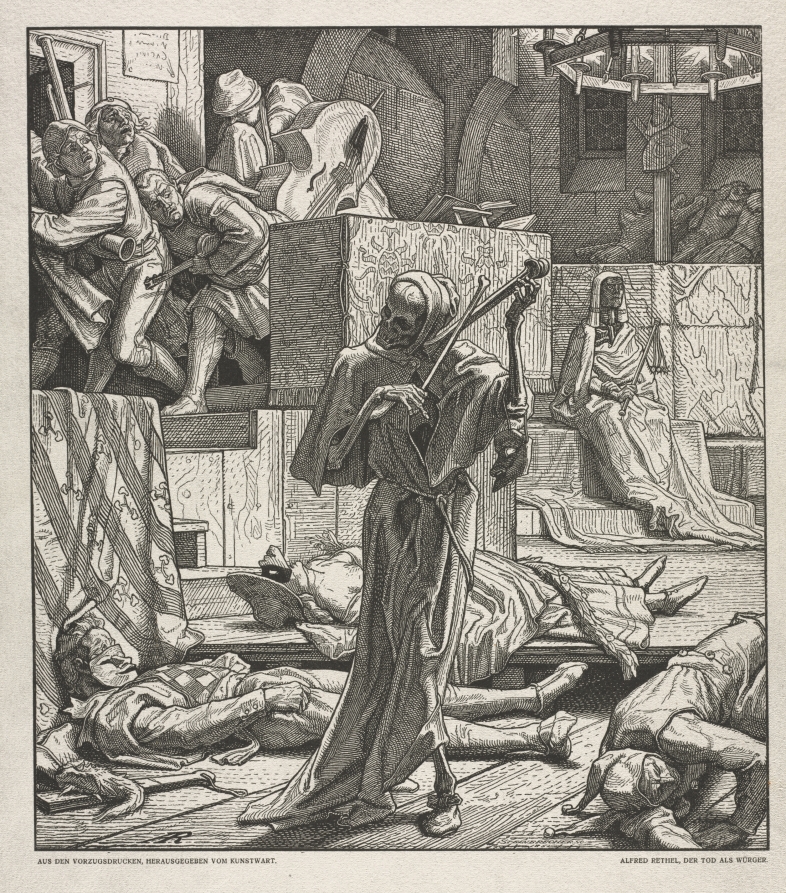
His work included the portfolio Hannibal's March over the Alps, which contained prints such as Livius, Book XXI, Chapter 32, The Carthaginian March over the Alps, and the Title page from the portfolio 'Hannibal's March over the Alps'. He also produced Death the Strangler and Death as a Friend, both part of the Dance of Death series. Other works included Joseph's Coat Shown to Jacob.
Notable Works
Tap to view larger.
Next stop
Browse the movements →
Every movement in the collection, from the Renaissance to Pop art.
Alfred Rethel prints
Hand-finished archival prints from Alfred Rethel's body of work.

Related Artists


Take Alfred Rethel home.
See all Alfred Rethel prints →Frequently Asked Questions
When was Alfred Rethel born?
Alfred Rethel was born in 1816 and died in 1859.What is Alfred Rethel known for?
Alfred Rethel is known for alfred Rethel was an artist from the Kingdom of Prussia who lived from 1816 to 1859.