

1862–1934 · Belgian
Armand Rassenfosse
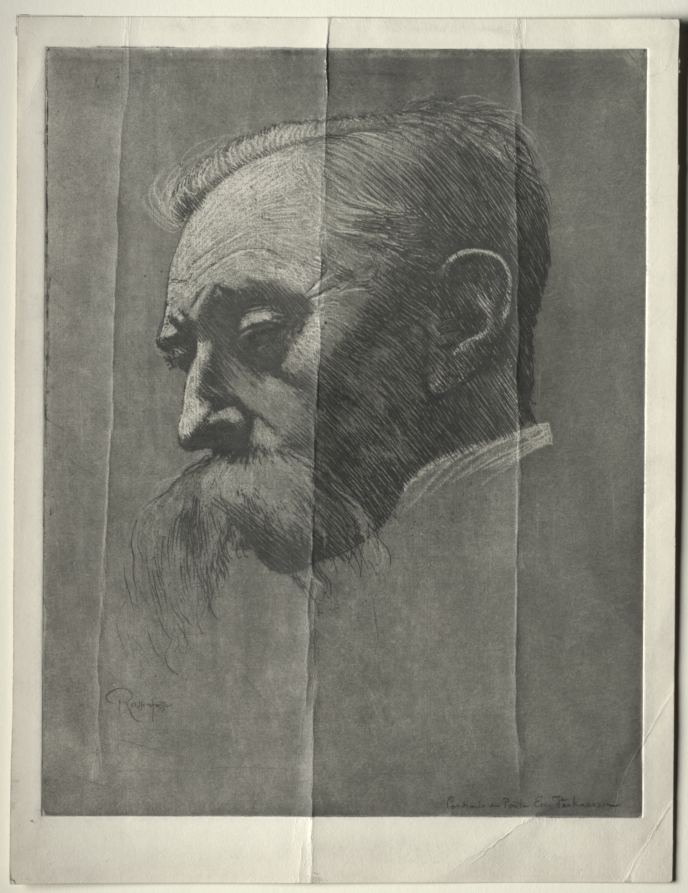
Armand Rassenfosse was a Belgian artist who lived from 1862 to 1934. His body of work included Portrait of Emile Verhaeren, Drie schetsen van mannen, Zittende vrouw bekijkt prenten in een prentstandaard, Staande naakte vrouw, and Danseres.

Biography
Solis Prints offers fine art prints of Portrait of Emile Verhaeren, Staande naakte vrouw, and Zittende vrouw bekijkt prenten in een prentstandaard.
Notable Works
Tap to view larger.
Next stop
Symbolism →
Explore the artists and ideas of Symbolism.
Armand Rassenfosse prints
Hand-finished archival prints from Armand Rassenfosse's body of work.
 Staande naakte vrouw met een stok en een schedel - Armand Rassenfosse
From £28.00
Staande naakte vrouw met een stok en een schedel - Armand Rassenfosse
From £28.00
 Liggende naakte vrouw, de armen onder het hoofd - Armand Rassenfosse
From £28.00
Liggende naakte vrouw, de armen onder het hoofd - Armand Rassenfosse
From £28.00
 Standing Factory Girl Leaning Against a Doorpost - Armand Rassenfosse
From £28.00
Standing Factory Girl Leaning Against a Doorpost - Armand Rassenfosse
From £28.00
 Danseres - Armand Rassenfosse
From £28.00
Danseres - Armand Rassenfosse
From £28.00
 Staande naakte vrouw - Armand Rassenfosse
From £28.00
Staande naakte vrouw - Armand Rassenfosse
From £28.00
Related Artists


Take Armand Rassenfosse home.
See all Armand Rassenfosse prints →Frequently Asked Questions
When was Armand Rassenfosse born?
Armand Rassenfosse was born in 1862 and died in 1934.What art movement was Armand Rassenfosse part of?
Armand Rassenfosse was associated with Symbolism and Art Nouveau.What is Armand Rassenfosse known for?
Armand Rassenfosse is known for armand Rassenfosse was a Belgian artist who lived from 1862 to 1934.