

Auguste-Louis Lepère
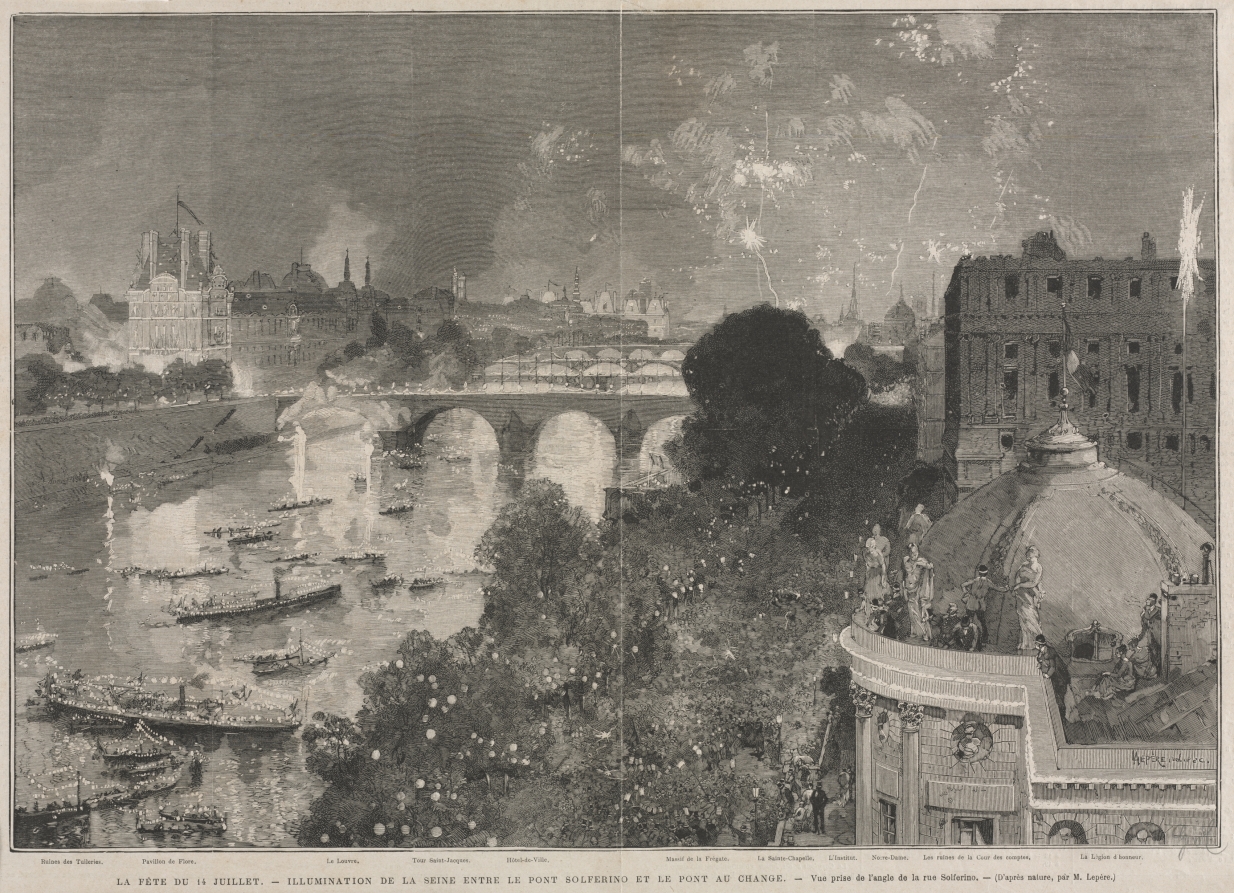
Auguste-Louis Lepère is often identified as the father of the modern book in France. At a time when mechanical reproduction began to dominate the publishing industry, Lepère insisted on the manual craft of wood engraving. He led a movement to restore the book to its status as a total work of art, where the typography and the illustrations functioned as a single unit.

Biography
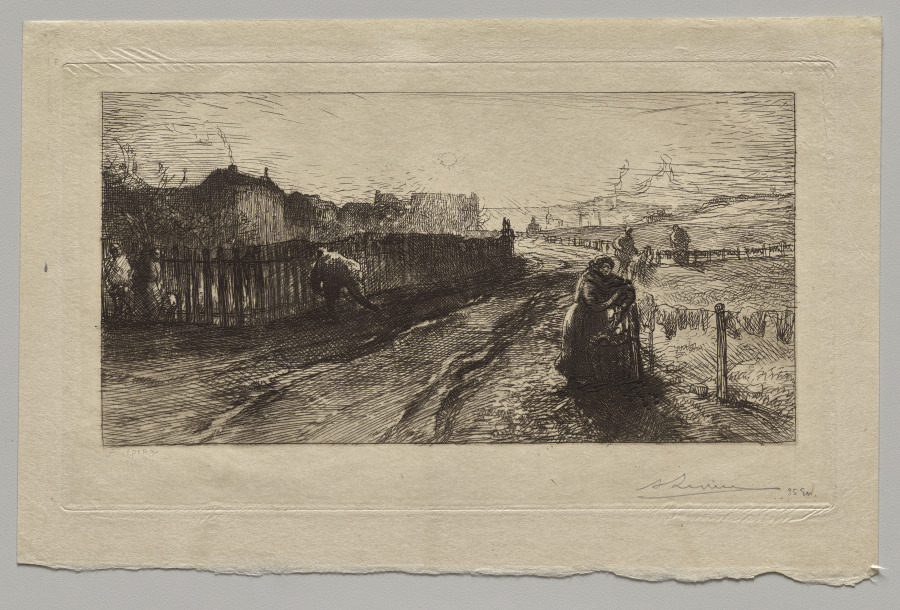
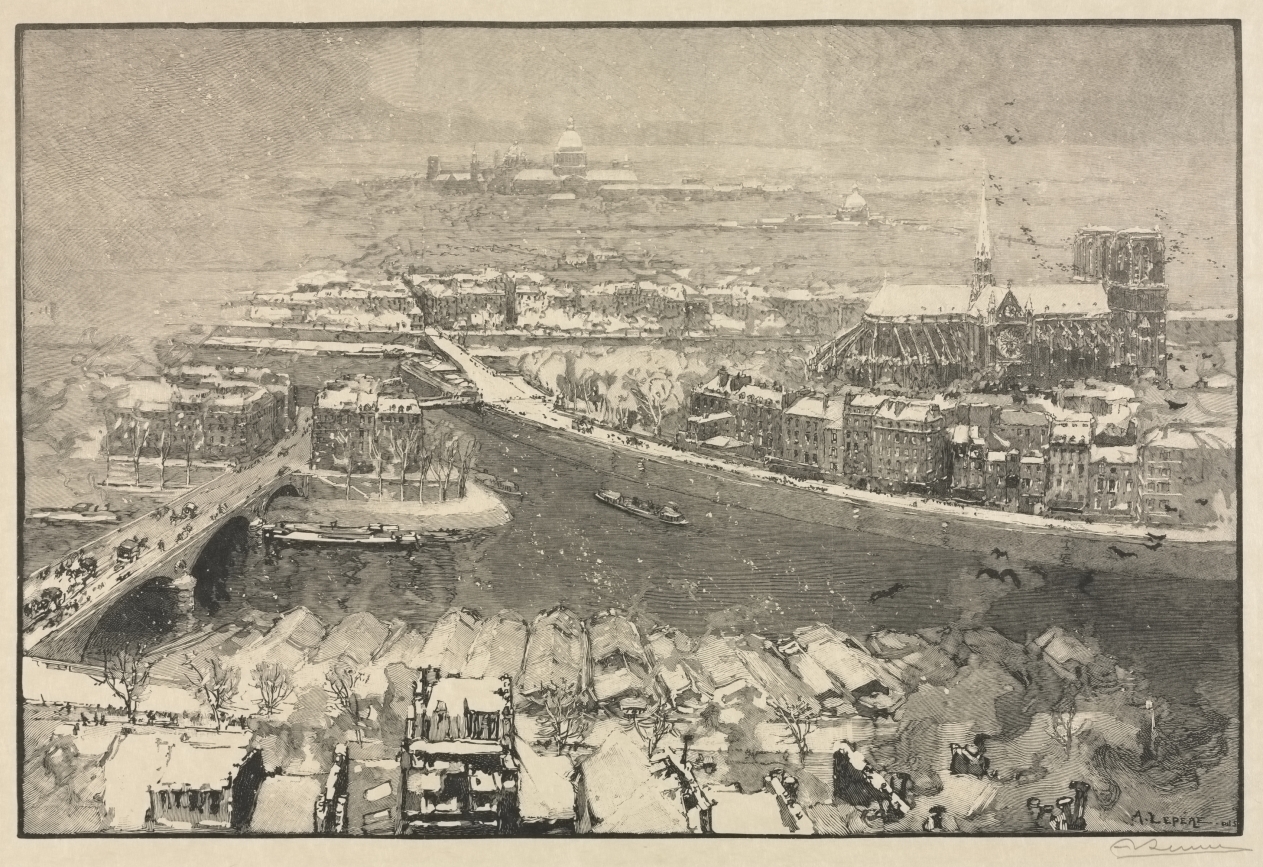
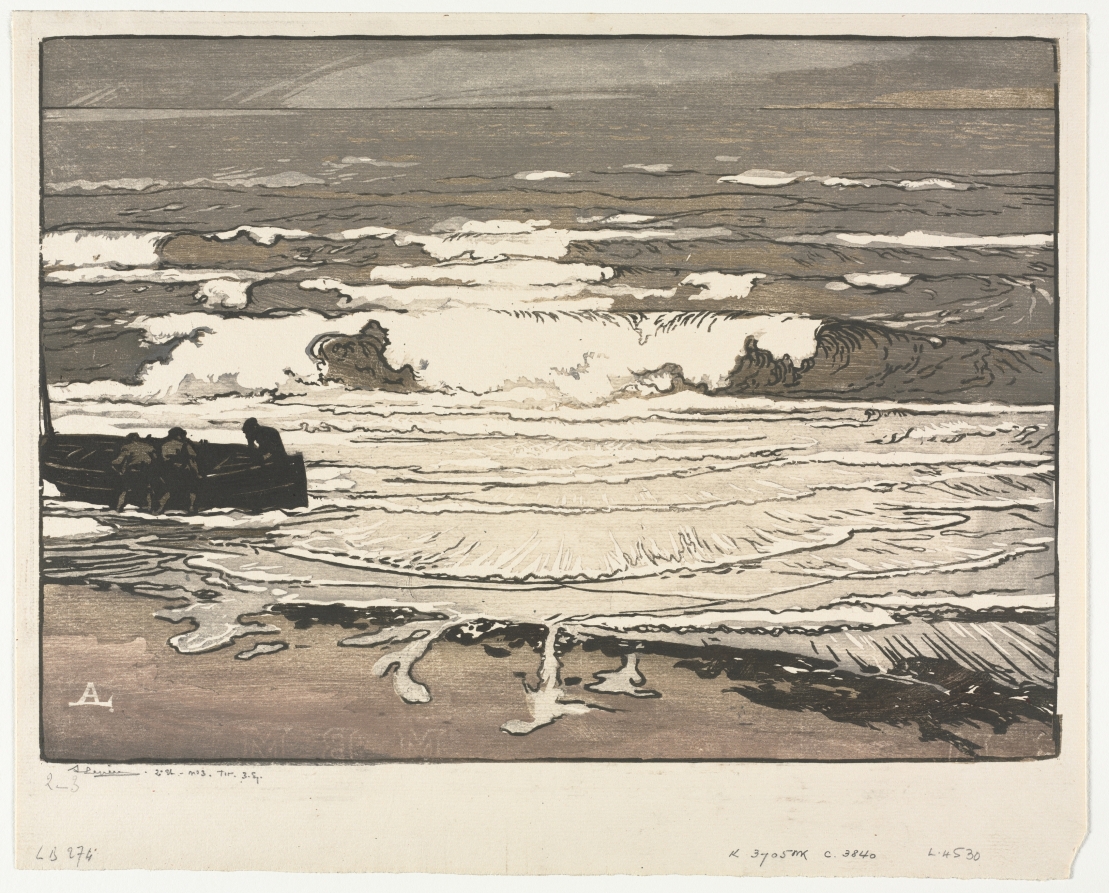
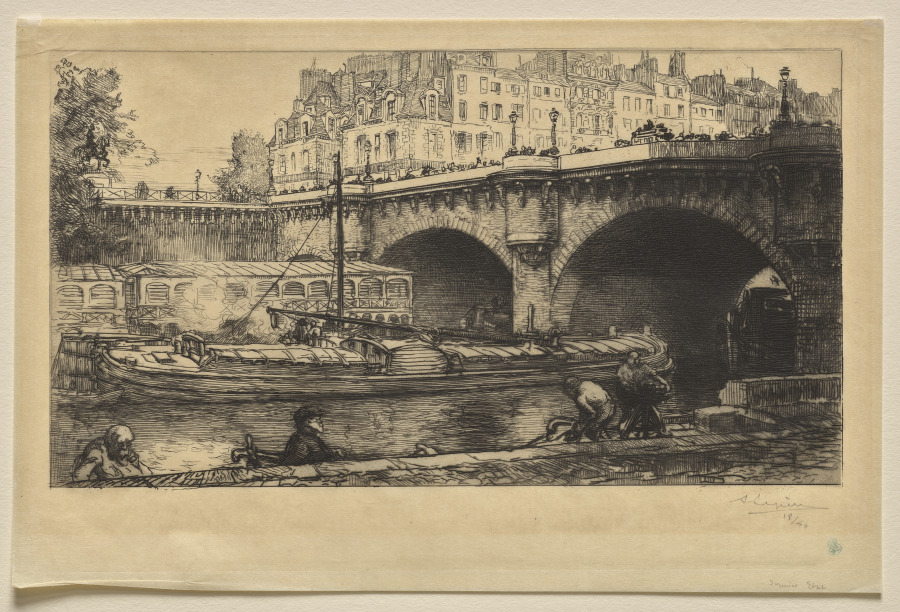
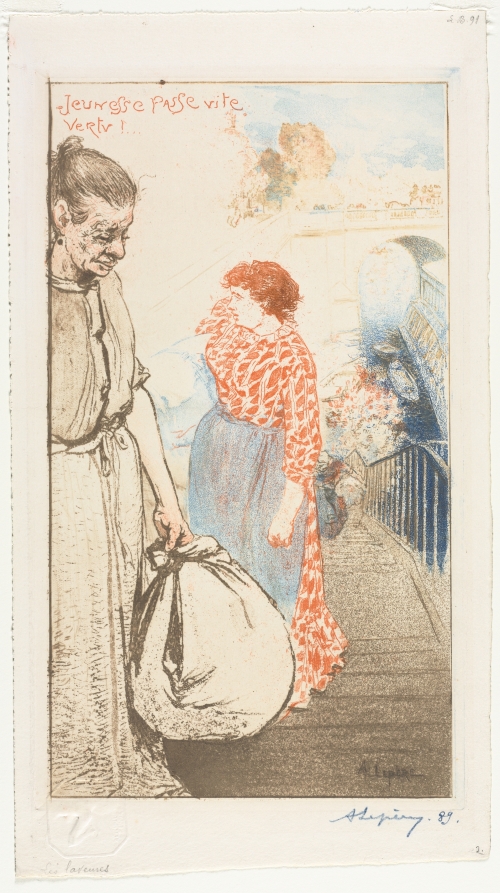
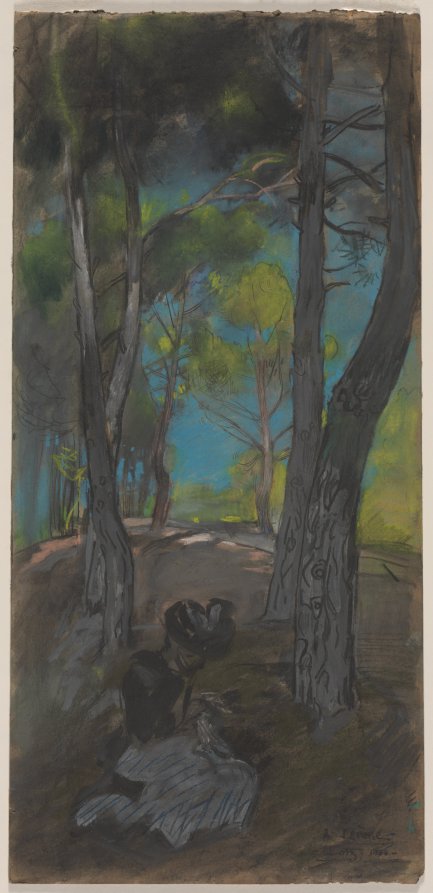
His artistic approach combined the anecdotal detail of older traditions with a new freedom of line. Lepère was a sensitive engraver who achieved both delicacy and strength in his woodcuts. He avoided the stiff, formal constraints of earlier periods, opting instead for a rendering that felt spontaneous and atmospheric. This technique allowed him to capture the movement of Paris streets and the quiet of the French countryside with precision.
For the modern collector, Lepère offers a connection to the tactile origins of printmaking. His works possess a graphic weight that digital processes cannot replicate. The bold use of black ink and the visible marks of the woodblock provide a sense of physical history. These prints are factual records of nineteenth-century life, created with technical skill and a clear eye for composition.
Notable Works
Tap to view larger.
Next stop
Browse the movements →
Every movement in the collection, from the Renaissance to Pop art.
Auguste-Louis Lepère prints
Hand-finished archival prints from Auguste-Louis Lepère's body of work.
 Quai de la Gare: Décharge Publique - Auguste Lepère
From £28.00
Quai de la Gare: Décharge Publique - Auguste Lepère
From £28.00
 Twee vissers (Two Fishermen) - Auguste Lepère
From £28.00
Twee vissers (Two Fishermen) - Auguste Lepère
From £28.00
 The Béguinage Bridge in Bruges - Auguste Louis Lepère
From £37.00
The Béguinage Bridge in Bruges - Auguste Louis Lepère
From £37.00
 Avions reposant sur le terrain (recto) - Auguste Louis Lepère
From £37.00
Avions reposant sur le terrain (recto) - Auguste Louis Lepère
From £37.00
 Petit bras au Pont St. Michel - Auguste Louis Lepère
From £28.00
Petit bras au Pont St. Michel - Auguste Louis Lepère
From £28.00
 Paris Almanac, 1897: Decorative Border, Summer - Auguste Louis Lepère
From £28.00
Paris Almanac, 1897: Decorative Border, Summer - Auguste Louis Lepère
From £28.00
Take Auguste-Louis Lepère home.
See all Auguste-Louis Lepère prints →Frequently Asked Questions
When was Auguste-Louis Lepère born?
Auguste-Louis Lepère was born in 1849 and died in 1918.What is Auguste-Louis Lepère known for?
Auguste-Louis Lepère is known for auguste-Louis Lepère was a wood engraver who reformed French book illustration through his technical skill and atmospheric depictions of nineteenth-century life.