



Augustin Pajou
Augustin Pajou began his formal training at fourteen and won the Prix de Rome four years later. While he is known for his sculpture, his career involved more than carving stone. In 1777, he took charge of the royal collection of antiques. This role required him to preserve and restore ancient works. During the French Revolution, he joined a committee responsible for protecting art from destruction. His technical knowledge allowed him to navigate the transition from the monarchy to the republic.

Biography
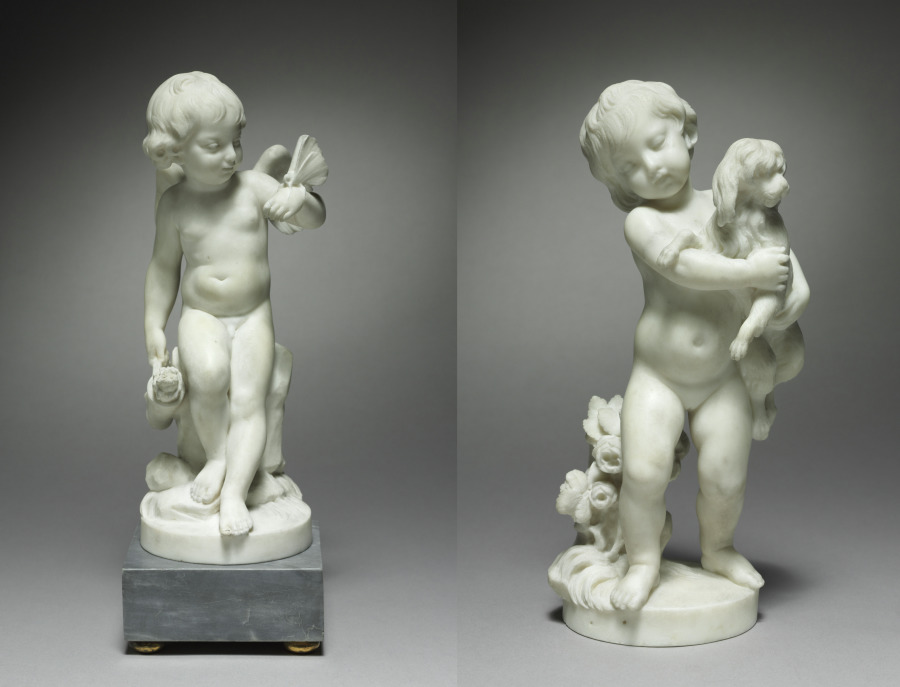
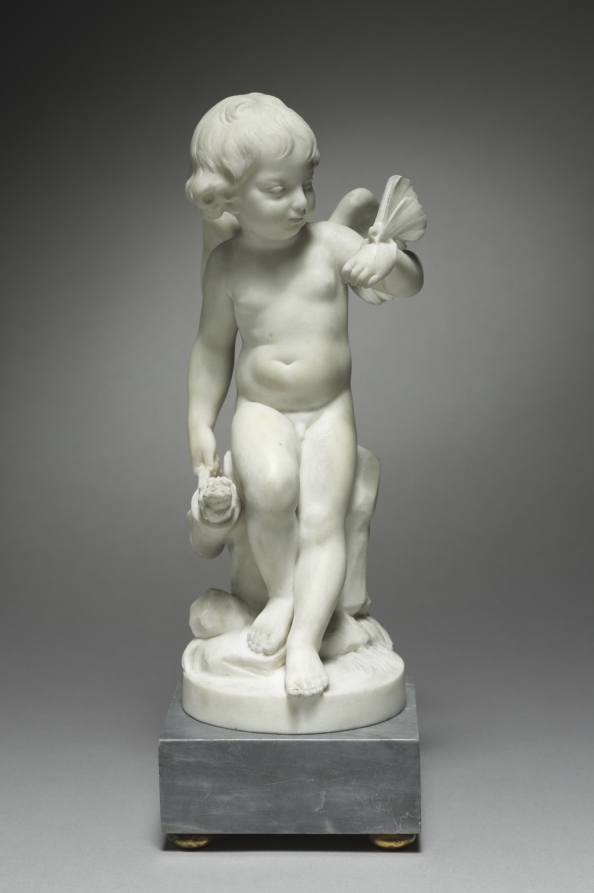
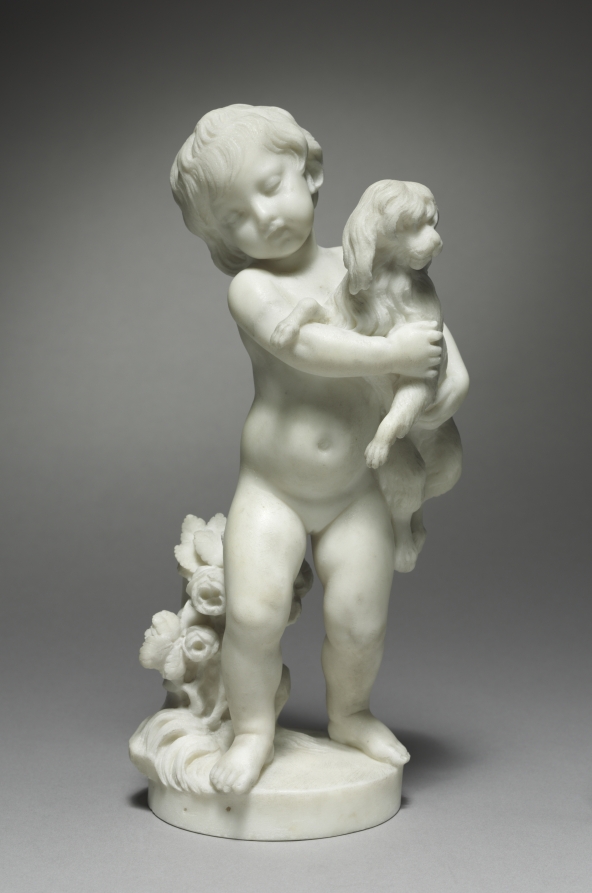
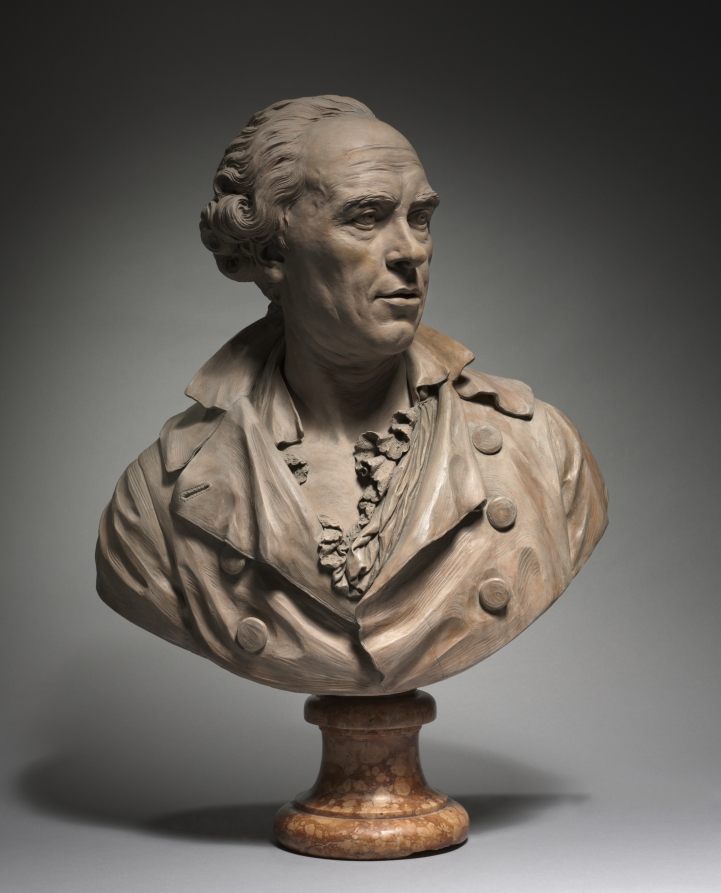
Pajou moved between the decorative style of the Rococo and the strict logic of Neoclassicism. His work often features mythological figures like Mercury or Pluto. He focused on anatomical correctness and physical tension. Pieces such as Fickle Love and Faithful Love show his ability to capture human emotion through small marble statuettes. He preferred clear forms and balanced compositions. His portrait of the painter Hubert Robert shows his skill in capturing the likeness of his contemporaries with directness.
Modern collectors value the clarity and technical precision found in the work of Pajou. His drawings and sketches, such as Head of a Youth Turned to the Left, offer a look at his process. Prints of his sculptures provide a sense of three-dimensional form for a wall. The X-radiograph studies of his busts reveal the internal structure and craftsmanship of eighteenth-century art. His work brings a sense of classical order to an interior.
Notable Works
Tap to view larger.
Next stop
Browse the movements →
Every movement in the collection, from the Renaissance to Pop art.
Frequently Asked Questions
When was Augustin Pajou born?
Augustin Pajou was born in 1730 and died in 1809.What is Augustin Pajou known for?
Augustin Pajou is known for augustin Pajou was a master of French Neoclassicism who balanced royal commissions with a career in art conservation during the French Revolution.