


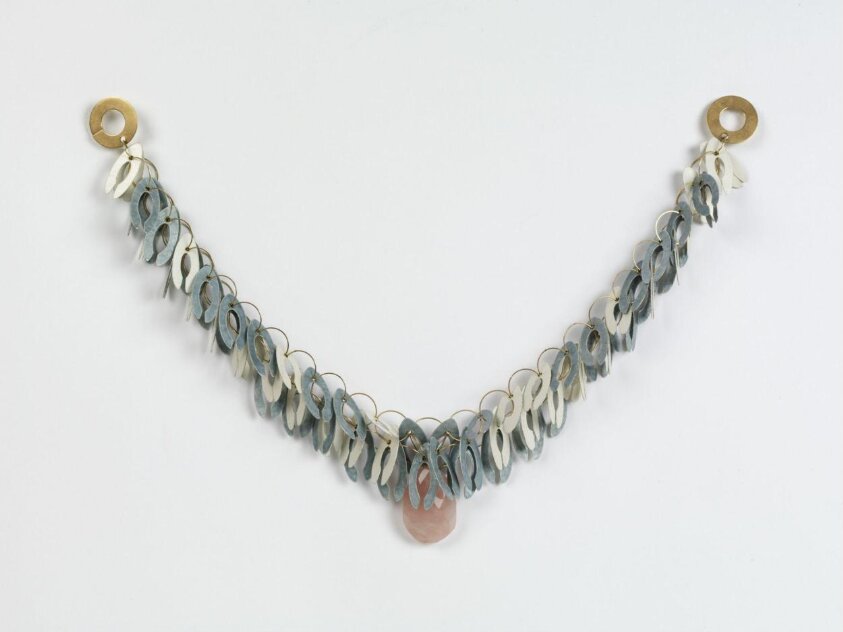
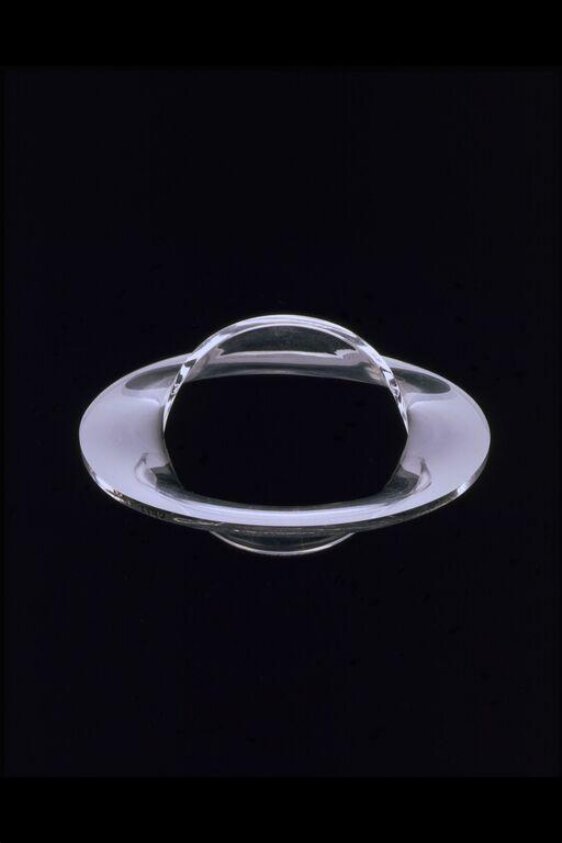
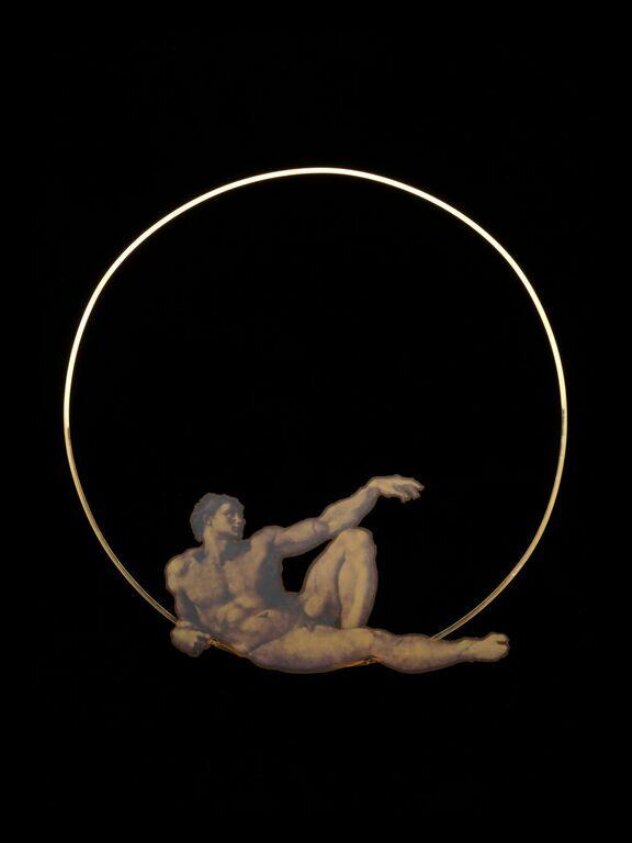
Bracelet (1967) by Barent de Bakker
Neckpiece (1987) by Barent de Bakker
Porsche (2002) by Barent de Bakker
Acer Rosa (2008) by Barent de Bakker

Barent de Bakker

Barent de Bakker worked during the transition from the Dutch Republic to the Batavian Republic. While many artists of his time focused on grand allegories, De Bakker documented the specific faces of the Dutch Enlightenment. He was active in Amsterdam, where he recorded the likenesses of influential clergymen and civic leaders. His work on the funeral procession of Baron Bentinck in 1781 shows his ability to handle complex group compositions and technical detail.

Biography

De Bakker used engraving and etching to create sharp, clear images. His portraits, such as those of Willem Sluiter and Jacobus Covijn, avoid excessive ornamentation. He preferred a restrained style that focused on the sitter's expression and professional attire. This technical precision allowed him to produce prints that recorded history. His work features clear line work and balanced lighting, which gives the subjects a sense of presence.

Collectors value these prints for their historical accuracy and clean aesthetic. The monochrome palette of his engravings fits contemporary interiors that favour minimalist or classical decor. These works provide a direct connection to the intellectual history of the Netherlands. They offer a window into the past through the faces of the people who shaped it.

Frequently Asked Questions

  • What is Barent de Bakker known for?
    Barent de Bakker is known for barent de Bakker was a Dutch engraver known for his precise portraits of Enlightenment-era clergymen and detailed prints of significant historical events in Amsterdam.

Keep exploring