

Cesare Mariani
Cesare Mariani occupies a distinct position in the history of nineteenth-century Italian art, though he remains less discussed than his contemporaries. While he is often associated with the academic traditions of the Kingdom of Italy, his technical precision and command of historical subjects reveal an artist deeply engaged with the rigours of his craft. He navigated the transition between late Romanticism and the stricter requirements of official state commissions with a focus on structural clarity.
Biography
His approach to painting prioritised the careful arrangement of figures and a restrained colour palette. Mariani avoided the emotional excess common to the period, choosing instead to construct scenes that balanced formal composition with a sense of narrative stillness. His work demonstrates an adherence to the principles of draughtsmanship, where the clarity of the line serves as the primary vehicle for his artistic expression. He treated his subjects with a methodical attention to detail that prioritises the physical presence of his figures over dramatic flair.
Modern collectors value his work for its quiet stability and technical discipline. His paintings offer a departure from the chaotic styles of the fin de siècle, providing a look at the disciplined output of an Italian master who remained dedicated to the craft of painting until his death in 1901. His pieces work well in contemporary interiors that favour a sense of order, history, and deliberate, measured artistic intent.
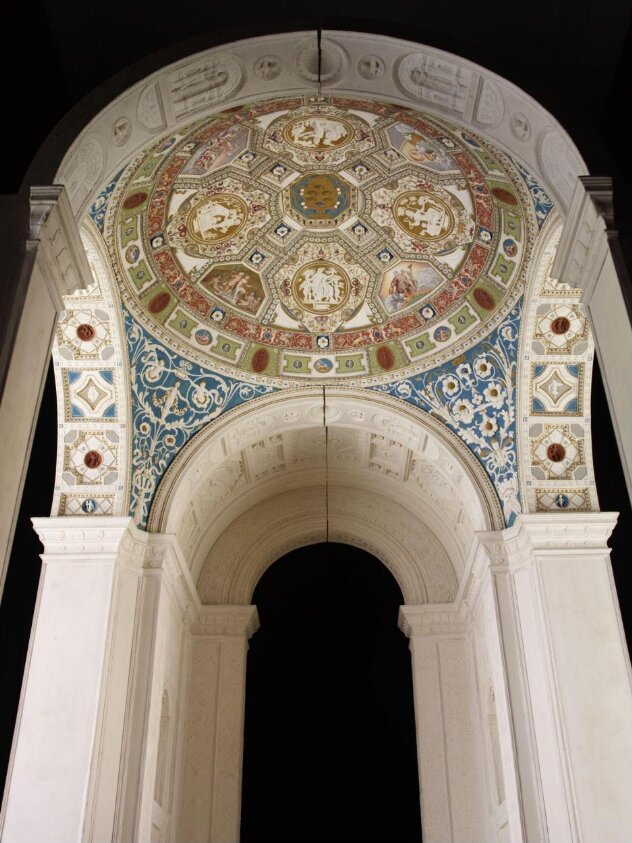
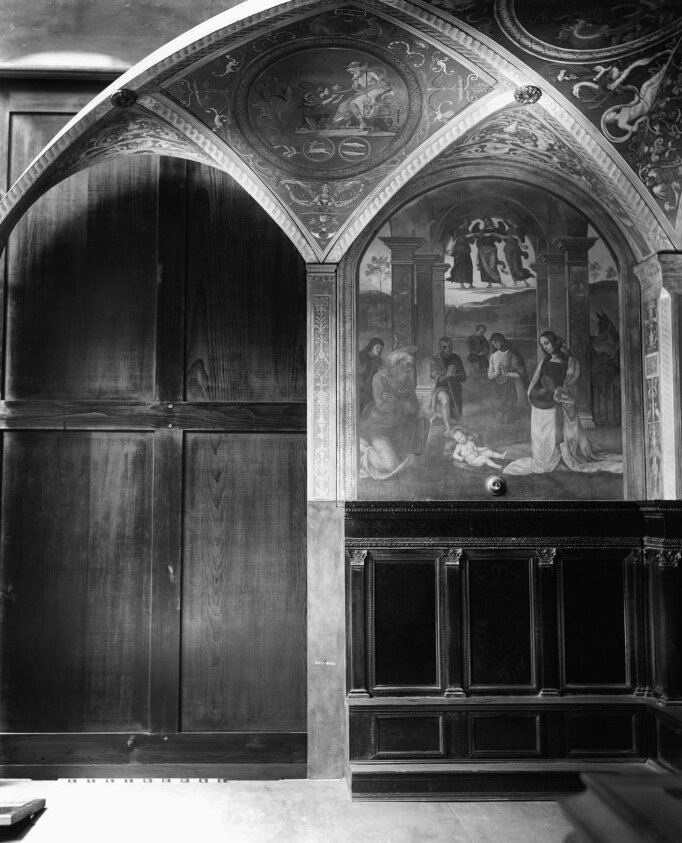
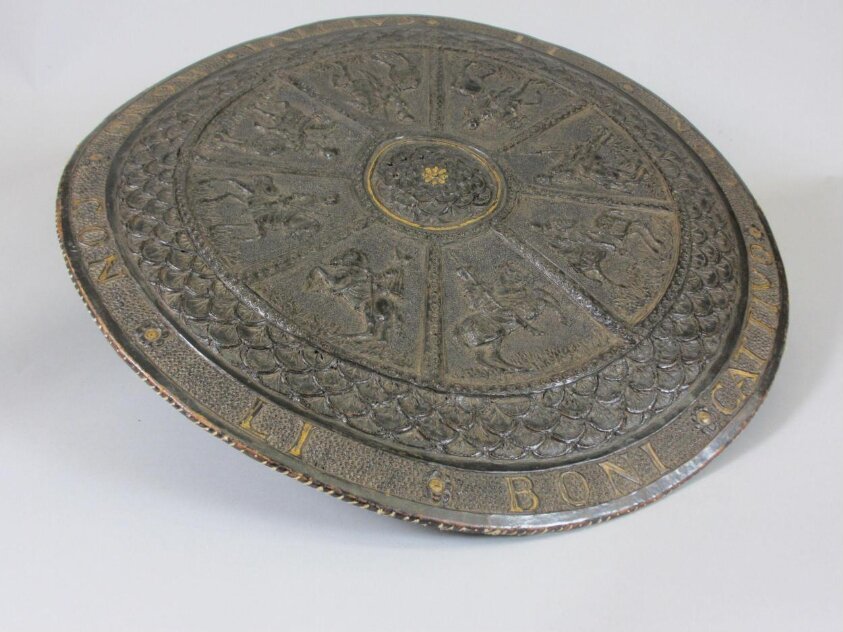
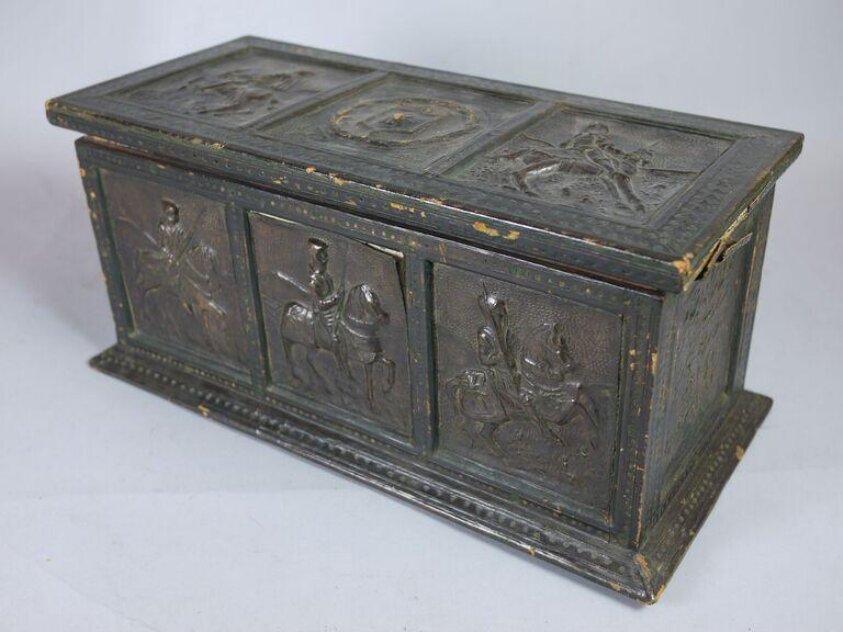
Notable Works
Tap to view larger.
Next stop
Browse the movements →
Every movement in the collection, from the Renaissance to Pop art.
Related Artists


Frequently Asked Questions
When was Cesare Mariani born?
Cesare Mariani was born in 1826 and died in 1901.What is Cesare Mariani known for?
Cesare Mariani is known for cesare Mariani was a disciplined Italian painter whose work balances academic rigour with a restrained, narrative approach to historical and classical subjects.