

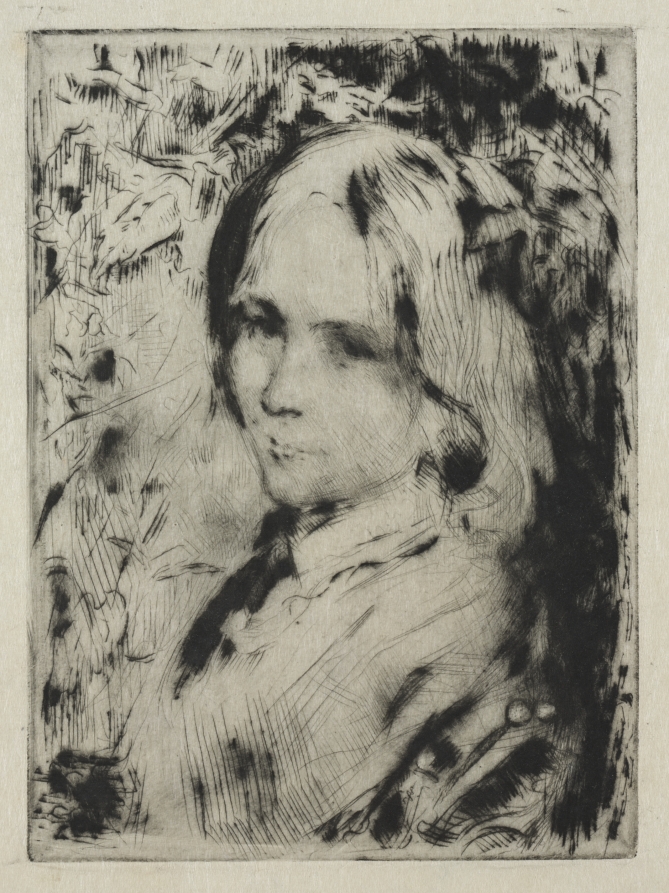
Charles Albert Waltner
Charles Albert Waltner started his career as a painter before finding his speciality in the etched plate. He became a leading figure in the reproductive etching movement in nineteenth-century France. He approached the copper with a precision that mirrored the sixteenth-century Italian definition of algebra, which referred to the art of restoring or setting bones. Waltner similarly reconstructed the structure of a painting through his lines, often adding botanical "remarques" such as a small root or leaf to his proofs that collectors now prize for their spontaneity.
Biography
Waltner moved away from the rigid, mechanical lines common in traditional engraving. He used a more painterly approach to etching. By layering fine lines and cross-hatching, he recreated the weight and texture of oil paint. His interpretations of works by Rembrandt and Gainsborough are notable for their tonal depth. He prioritised the atmosphere of the original canvas over simple linear accuracy.
His prints offer a tactile alternative to standard art reproductions. Collectors appreciate the physical depth of the ink on the paper. The etchings provide a way to display classical imagery with the specific character of a handcrafted object. The monochrome palette allows the composition to fit into various interior styles. His work remains a study in how light can be manipulated through metal and acid.
Notable Works
Tap to view larger.
Next stop
Browse the movements →
Every movement in the collection, from the Renaissance to Pop art.
Frequently Asked Questions
What is Charles Albert Waltner known for?
Charles Albert Waltner is known for charles Albert Waltner was a French etcher known for his painterly approach to reproductive prints and his mastery of tonal depth in monochrome.

