Charles Cousen
Charles Cousen spent much of his career working in the shadow of his elder brother, John Cousen. Both were master engravers. Charles developed a reputation for his ability to translate the soft textures of oil paintings into the rigid medium of steel. He was a frequent contributor to The Art Journal. His plates allowed the Victorian public to own affordable versions of gallery works. His skill was visible in his interpretations of figurative scenes. He managed to maintain the emotional weight of the original subjects through precise line work.
Biography
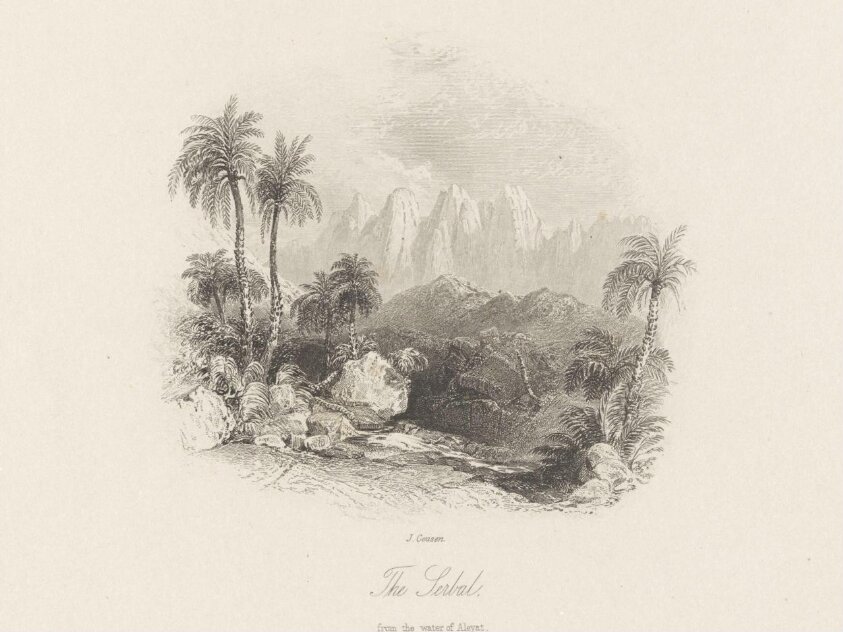
His approach relied on a technical mastery of the burin and etching needle. Works like The Cow Doctor and Hawking Party demonstrate his ability to balance light and shadow without relying on heavy washes. He focused on the clarity of form. Many of his contemporaries sought to simplify designs for mass production. Cousen instead maintained the small details found in the original canvases. This precision is evident in his architectural subjects, such as Ruined Temple. Every stone and shadow is defined with precision.
Modern collectors value these prints for their historical accuracy and technical skill. They represent a period when the reproduction of art was an art form. His work provides a window into Victorian tastes. He covered subjects from romantic mythology in Birth of Balphoebe and Amoret to everyday rural life. These engravings offer a sense of order and fine detail. They suit a minimalist or traditional interior. They function as quiet studies in line and composition.
Notable Works
Tap to view larger.
Next stop
Browse the movements →
Every movement in the collection, from the Renaissance to Pop art.
Frequently Asked Questions
When was Charles Cousen born?
Charles Cousen was born in 1819 and died in 1889.What is Charles Cousen known for?
Charles Cousen is known for charles Cousen was a master Victorian engraver who translated the works of leading painters into precise steel plates for The Art Journal.