


Charles Goy
Charles Goy emerged onto the art scene during the mid-20th century, drawing inspiration from the visual language of advertising and comic books. Unlike many of his contemporaries, Goy did not follow a conventional academic path. Instead, he cultivated his distinctive style by dissecting the imagery that permeated post-war consumer culture.
Biography
His early work, often produced in small, independent print studios, experimented with bold outlines and flat colour fields. Goy meticulously analysed how commercial artists conveyed emotion and desire with efficiency. He adapted these techniques, applying them to canvases that re-contextualised familiar brand logos and celebrity portraits.
One notable period saw Goy creating a series of works based on discarded product packaging he collected from London streets in the late 1960s. He found beauty in the design of ordinary items, transforming mundane cartons into striking graphic compositions. This period solidified his reputation for elevating the everyday to art.
Goy's approach questioned traditional notions of fine art, placing mass-produced images at the centre of his creative output. His prints often provoke thought on consumerism and media saturation, remaining relevant for audiences today.
Next stop
Pop Art →
Explore the artists and ideas of Pop Art.
Charles Goy prints
Hand-finished archival prints from Charles Goy's body of work.


Related Artists
_%E2%80%93_LOC.jpg)


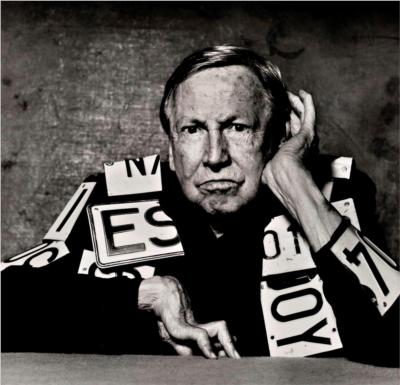

Take Charles Goy home.
See all Charles Goy prints →Frequently Asked Questions
What is Charles Goy known for?
Charles Goy is known for questioning traditional notions of fine art. He placed mass-produced images at the centre of his creative output, often provoking thought on consumerism and media saturation.Who was Charles Goy?
Charles Goy was an artist who emerged in the mid-20th century. He drew inspiration from advertising and comic books, cultivating a distinctive style by analysing the imagery of post-war consumer culture.What was Charles Goy's art style?
His early work experimented with bold outlines and flat colour fields. Goy meticulously analysed how commercial artists conveyed emotion and desire with efficiency, adapting these techniques to re-contextualise familiar brand logos and celebrity portraits.
Sources
Editorial draws on the following primary and tertiary references for Charles Goy.
- [1] book Jennifer D. Milam, Historical Dictionary of Rococo Art Used for: biography.
Editorial overseen by Solis Prints. Sources verified 2026-08-29. Click a source for details, or hover over [N] in the page above to preview.
Editorial standardsMethodologyCorrectionsAI disclosureAbout the editorial team