

1867–1931 · French
Eugène Béjot
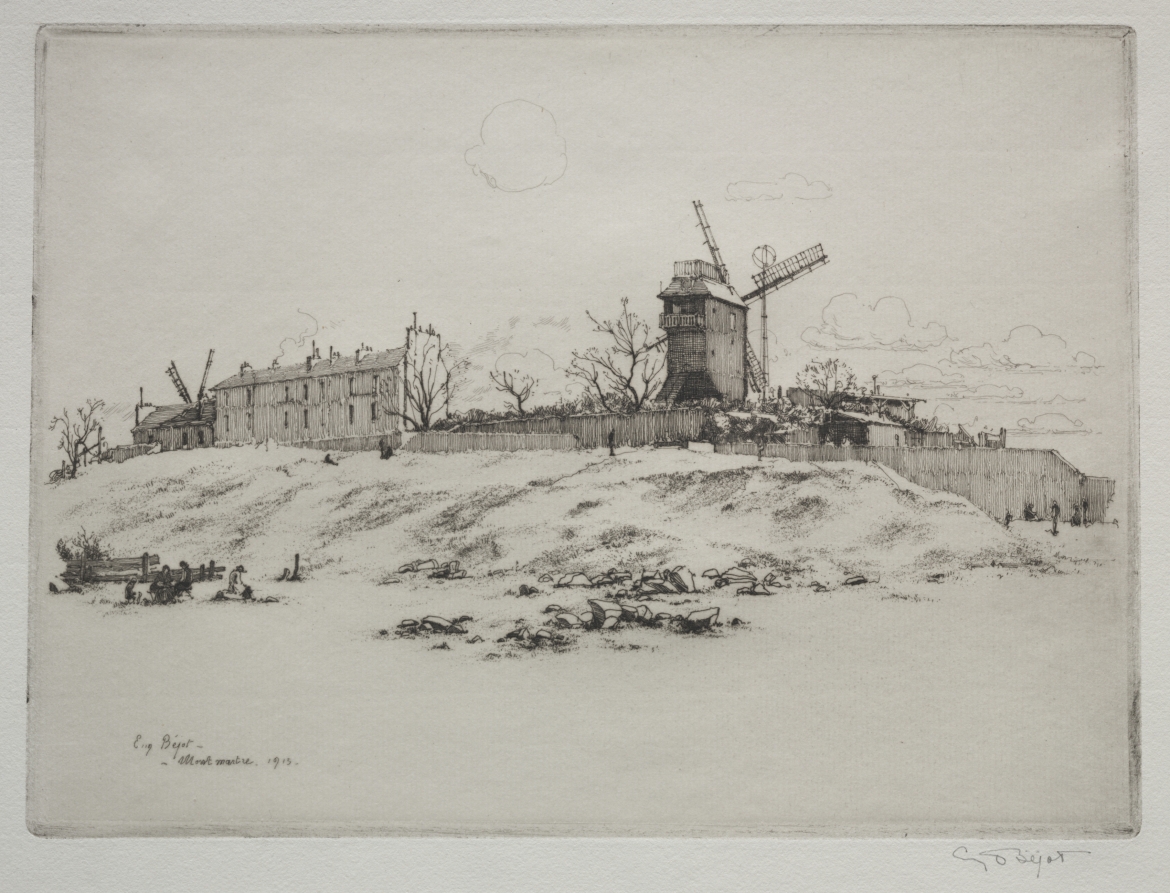
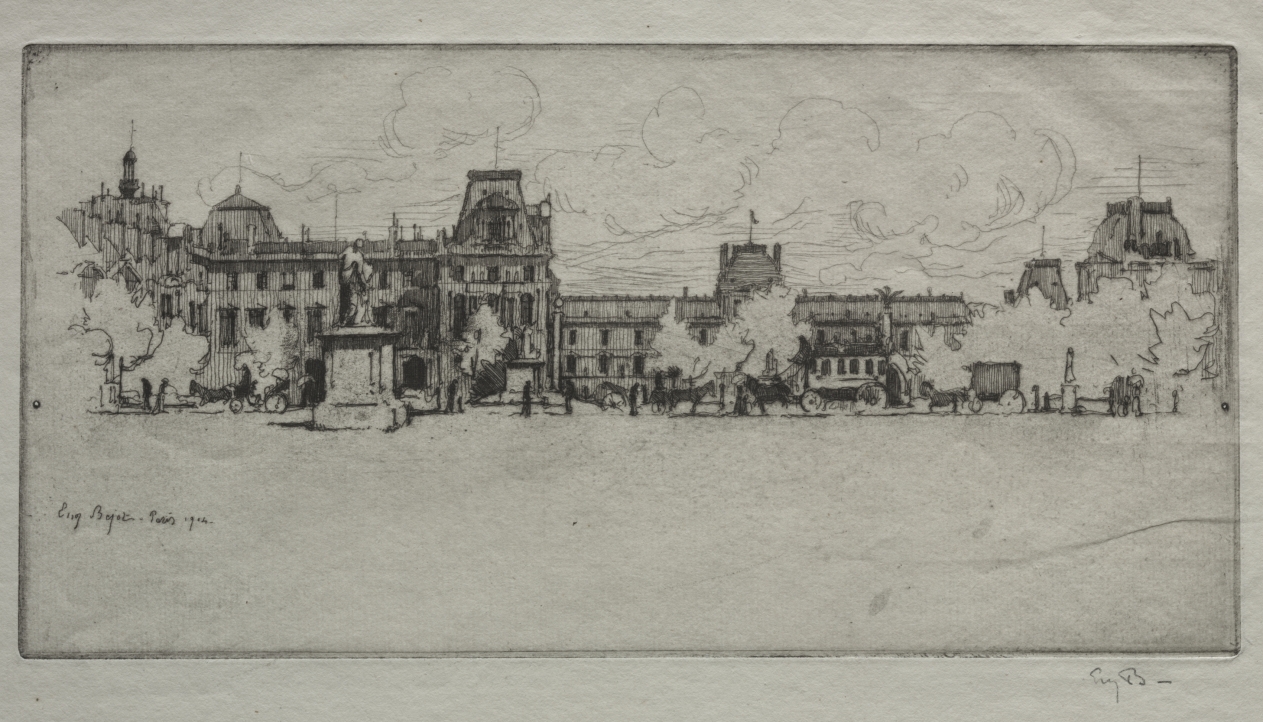
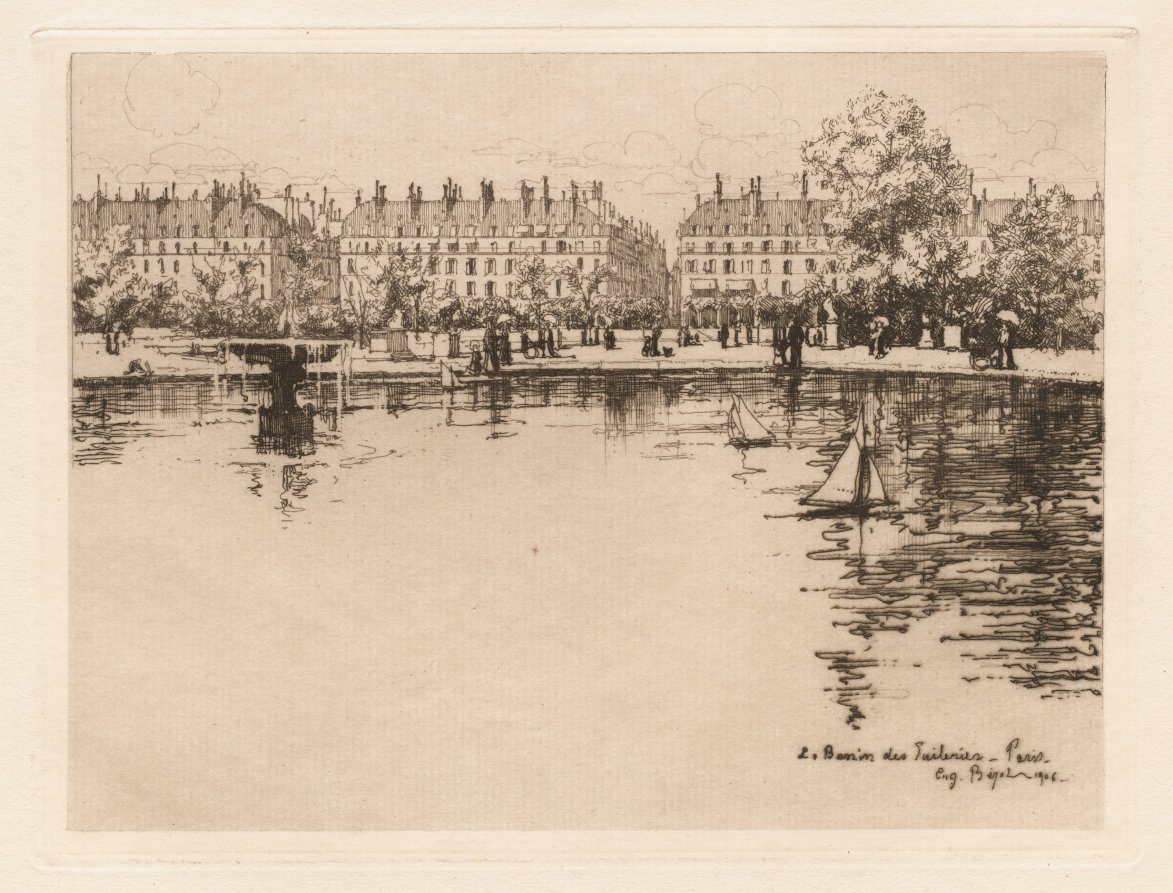
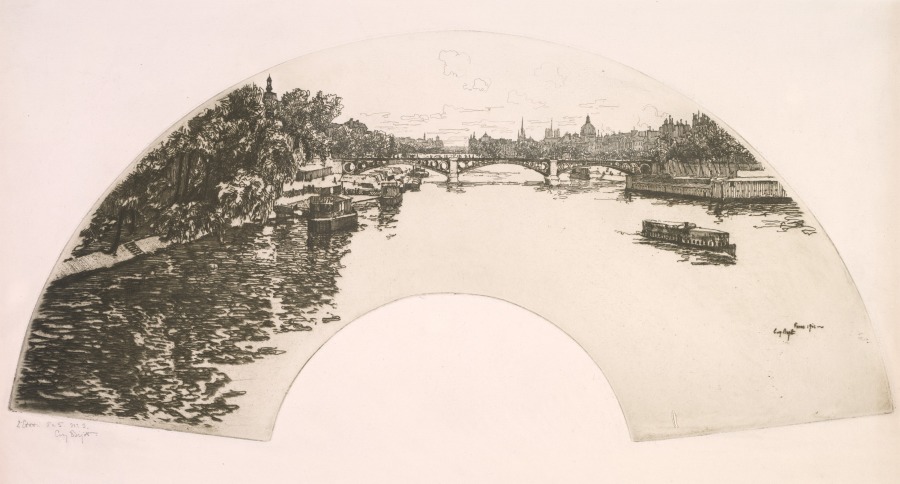
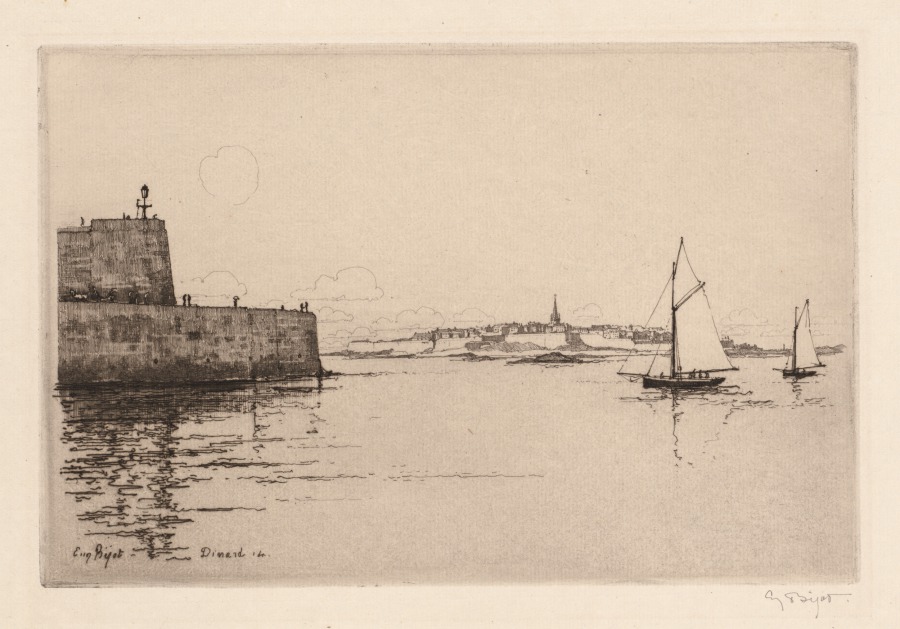
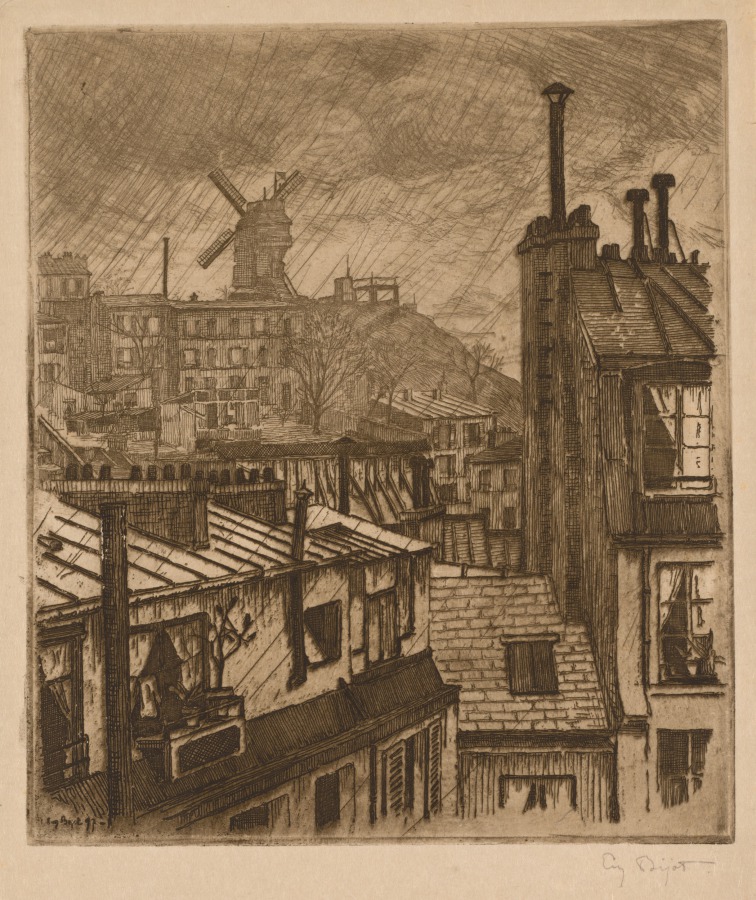
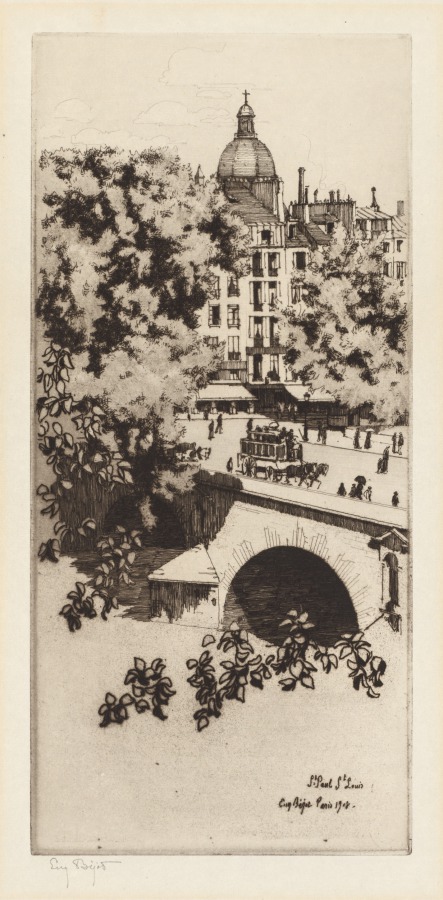
Eugène Béjot was a French artist who lived from 1867 to 1931. His work included prints such as Fan, The Seine seen from the Pont Royal, Les Tuileries, Montmartre, le Moulin de la Gallette, Saint-Malo Viewed from Dinard, and Saint-Paul-Saint-Louis.
Notable Works
Tap to view larger.
Next stop
Browse the movements →
Every movement in the collection, from the Renaissance to Pop art.
Eugène Béjot prints
Hand-finished archival prints from Eugène Béjot's body of work.
 Zicht op de Pont d'Alma in Parijs - Eugène Béjot
From £28.00
Zicht op de Pont d'Alma in Parijs - Eugène Béjot
From £28.00
 Fan, The Seine seen from the Pont Royal - Eugène Bejot
From £28.00
Fan, The Seine seen from the Pont Royal - Eugène Bejot
From £28.00
 Moulin de la Galette, Montmartre - Eugène Bejot
From £28.00
Moulin de la Galette, Montmartre - Eugène Bejot
From £28.00
 Les Tuileries - Eugène Bejot
From £28.00
Les Tuileries - Eugène Bejot
From £28.00
 Saint-Paul-Saint-Louis - Eugène Bejot
From £28.00
Saint-Paul-Saint-Louis - Eugène Bejot
From £28.00
 Montmartre, le Moulin de la Gallette - Eugène Bejot
From £28.00
Montmartre, le Moulin de la Gallette - Eugène Bejot
From £28.00
Related Artists


Take Eugène Béjot home.
See all Eugène Béjot prints →Frequently Asked Questions
When was Eugène Béjot born?
Eugène Béjot was born in 1867 and died in 1931.What is Eugène Béjot known for?
Eugène Béjot is known for eugène Béjot was a French artist who lived from 1867 to 1931.