

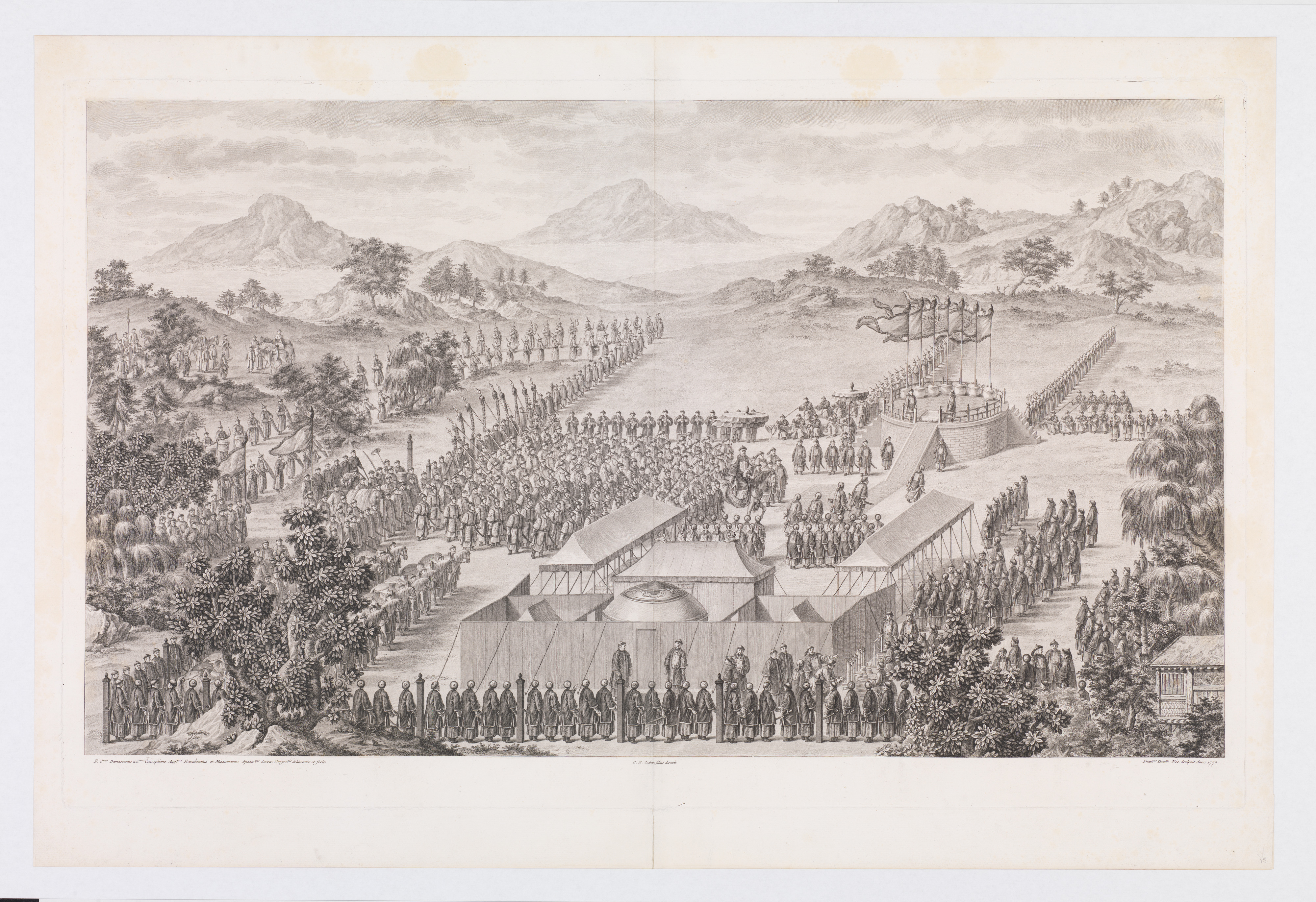
François Denis Née
François Denis Née spent much of his career documenting the architectural heritage of France before the upheaval of the Revolution. He produced detailed engravings of the Royal Tombs at the Abbey Church of Saint-Denis, including the monument to Francis I. These plates were not merely artistic exercises but functioned as precise visual records of sculptures and bas-reliefs. His work captured the state of these royal monuments at a time when they were still intact within their original ecclesiastical settings.
Biography
Née was a master of the copperplate engraving technique. He focused on clarity and structural accuracy. His approach favoured clean lines and a disciplined use of hatching to define form and shadow. In his collaborations for major topographical volumes, he translated complex masonry into legible black and white compositions. He avoided the decorative flourishes common in his era, preferring a sober style that emphasised the physical reality of stone.
Modern collectors value Née for his ability to bring historical French architecture into a contemporary room. His monochrome prints provide a neutral palette that suits various interior styles. The architectural subject matter offers a sense of permanence and classical order. Because his work documents altered historical sites, these prints are both fine art and historical records. They appeal to those who appreciate the technical skill of traditional printmaking.
Notable Works
Tap to view larger.
Frequently Asked Questions
What is François Denis Née known for?
François Denis Née is known for françois Denis Née was an 18th-century French engraver who documented the royal tombs at Saint-Denis and architectural monuments with precise copperplate techniques.


