


Friedrich Fleischmann
Friedrich Fleischmann was a specialist in the steel engraving technique during the early 19th century. This method allowed for a level of precision that copper plates could not sustain over long print runs. Based in Nuremberg, he became a prolific documenter of the European elite. His subjects ranged from the Duke of Wellington to the Queen of Spain, Maria Christina of Bourbon-Two Sicilies. He often worked from life or contemporary paintings to ensure accuracy in his likenesses.

Biography
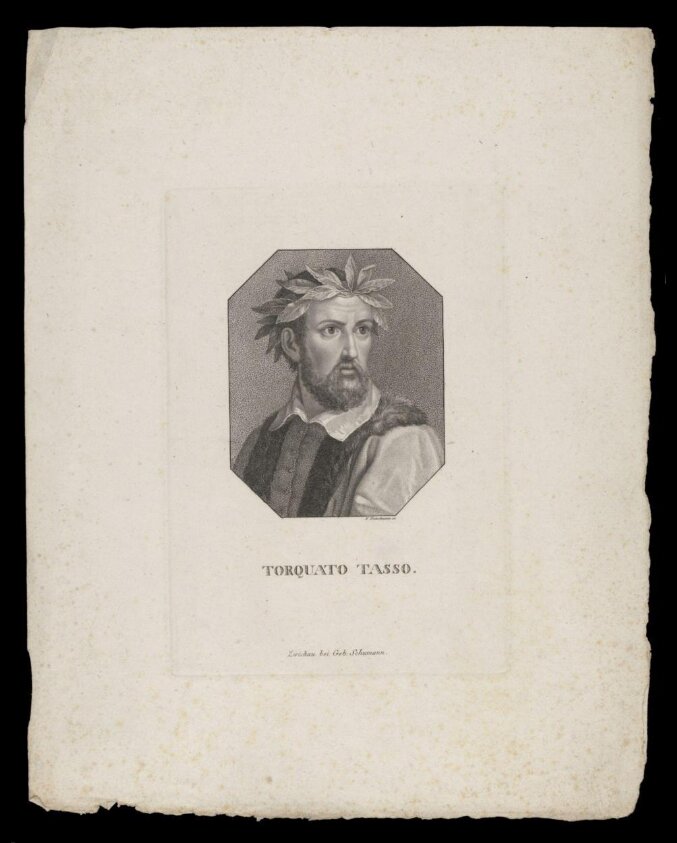
His artistic style is marked by a controlled use of line and hatching. Unlike the more emotive styles of his contemporaries, Fleischmann maintained a formal objectivity. He used systematic cross-hatching to create depth and volume in his portraits. This approach resulted in images with a crisp, architectural quality. His self-portrait and his depictions of figures like Johann Benjamin Erhard demonstrate this focus on structural clarity over atmospheric effect.
Modern collectors appreciate these prints for their clean aesthetic and historical weight. The black and white compositions provide a neutral yet sophisticated element for home decor. These works represent the transition from courtly art to the more accessible portraiture of the Biedermeier period. His engravings remain sharp and legible, making them suitable for display in varied lighting conditions.
Notable Works
Tap to view larger.
Next stop
Browse the movements →
Every movement in the collection, from the Renaissance to Pop art.
Frequently Asked Questions
When was Friedrich Fleischmann born?
Friedrich Fleischmann was born in 1791 and died in 1834.What is Friedrich Fleischmann known for?
Friedrich Fleischmann is known for friedrich Fleischmann was a 19th-century German engraver who produced precise steel-engraved portraits of European royalty and military leaders.


