



Guillaume Le Rouge
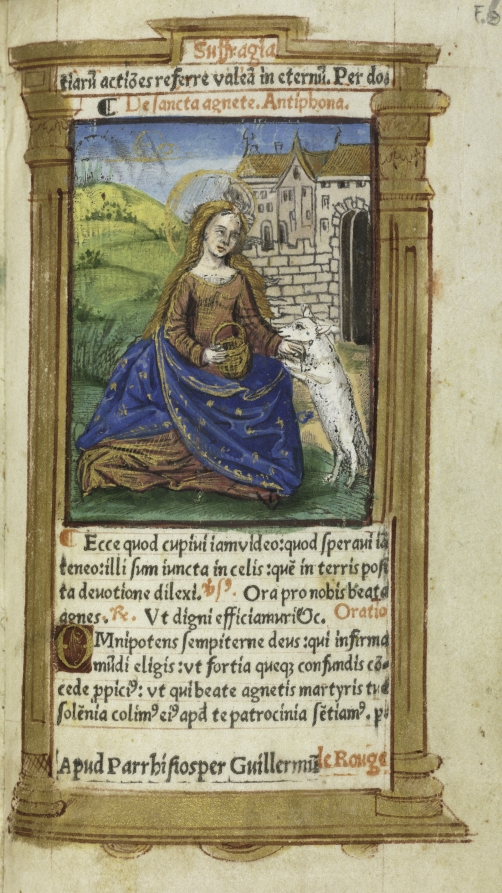
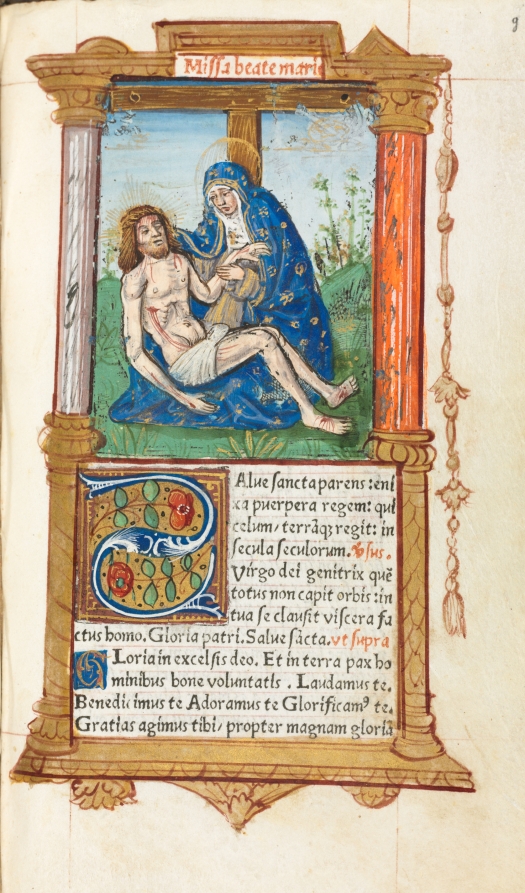
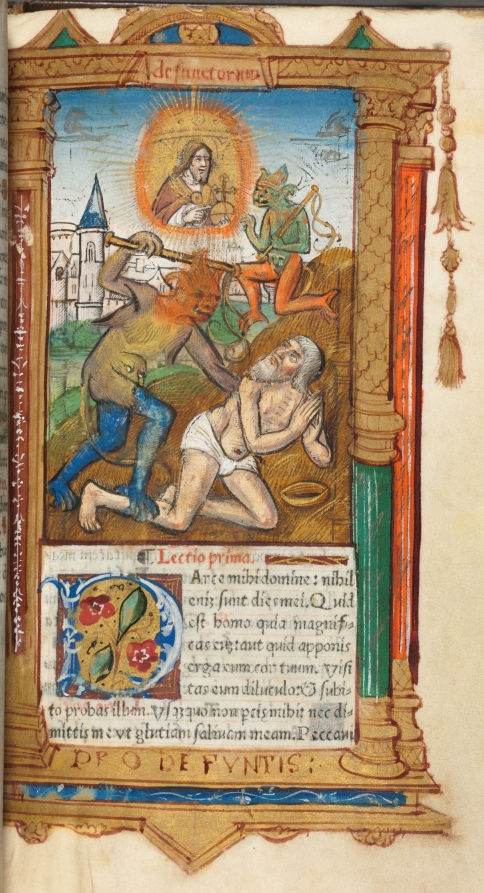
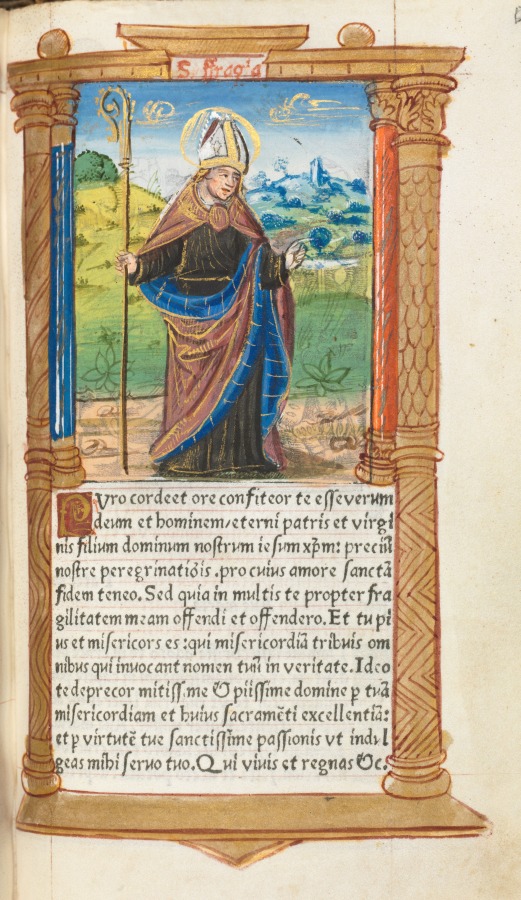
Guillaume Le Rouge was a member of a notable family of calligraphers and printers active in 15th-century France. While many early printers focused on text, Le Rouge became a specialist in the production of illustrated books in Paris. He is most recognised for his work on the Danse Macabre, a series of woodcuts that depicted death as a universal equaliser. These prints were religious tools. They also functioned as social commentary during a period of high mortality in Europe.
Biography
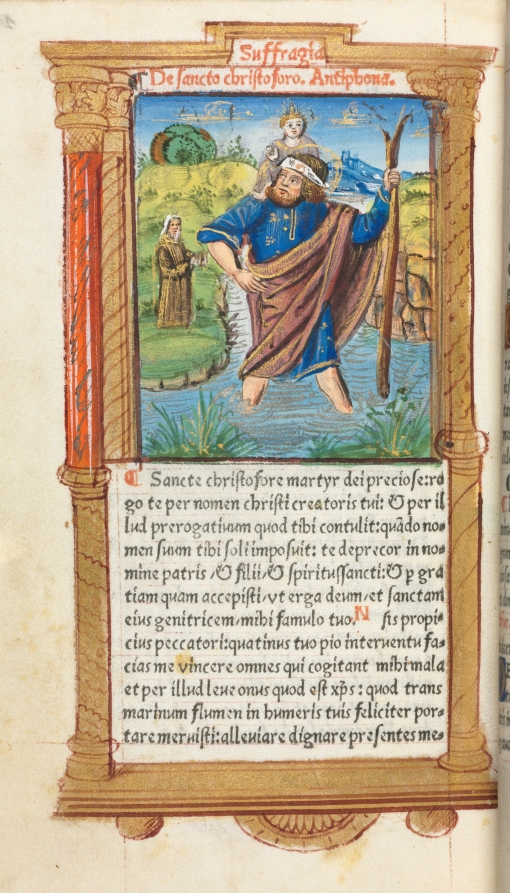
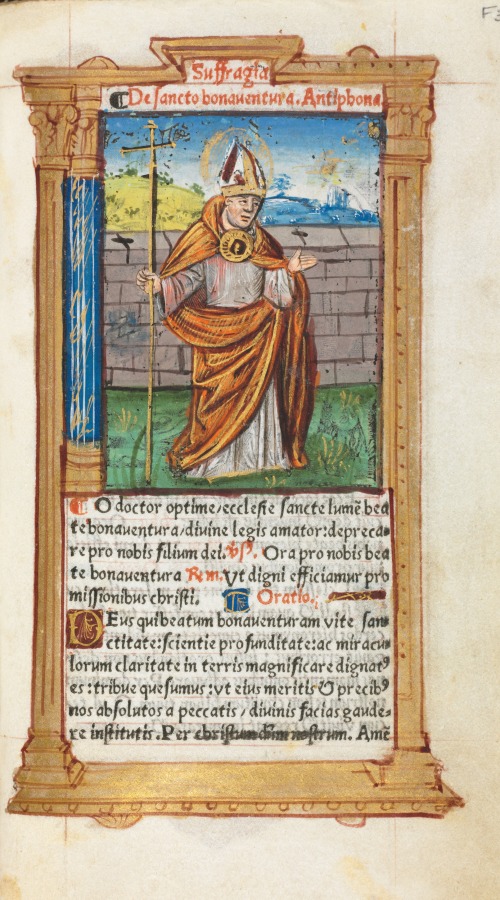
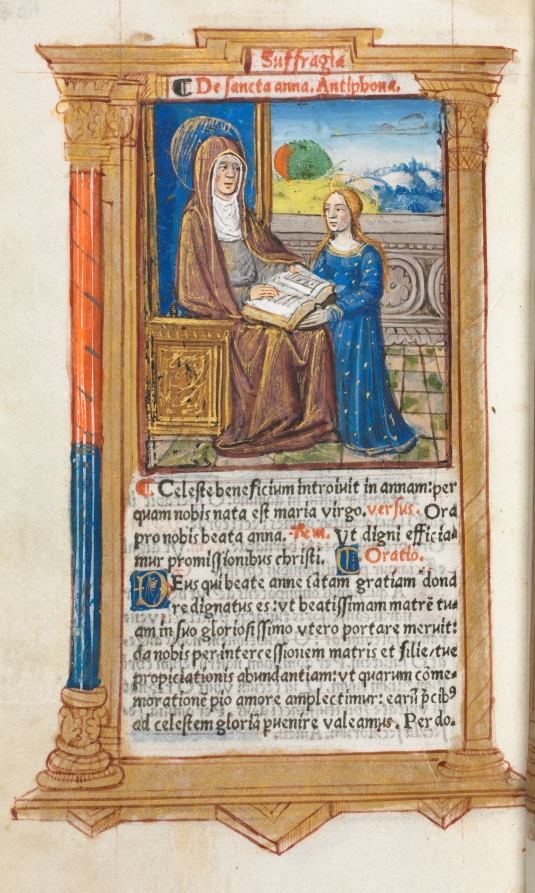
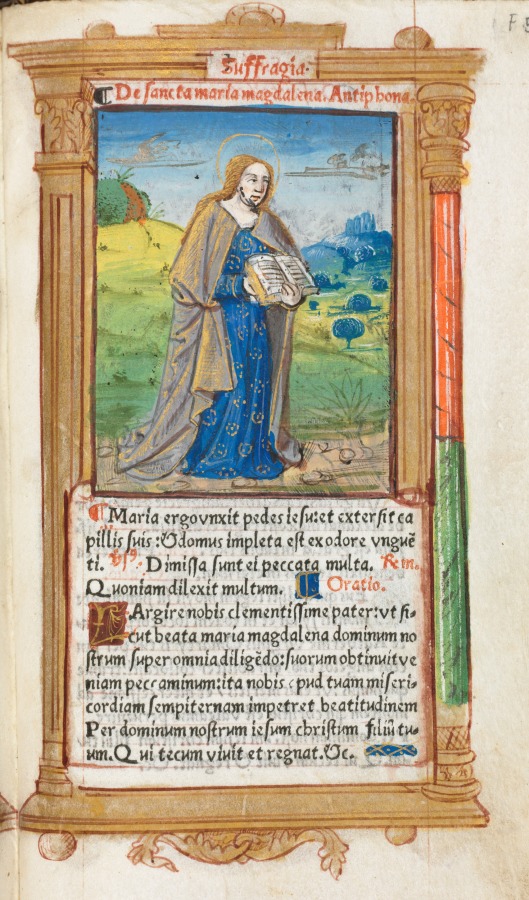
The style of Le Rouge is defined by the woodcut techniques he employed. His compositions often feature heavy outlines and a lack of perspective common in the late Gothic period. He balanced text and image on the page to mimic the appearance of illuminated manuscripts. This method allowed for the mass production of art that previously only the wealthy could afford. His figures possess a formal quality that conveys a sense of gravity.
Modern collectors find value in the graphic clarity of these early French woodcuts. The monochrome nature of the prints allows them to sit comfortably in contemporary spaces. They provide a direct connection to the origins of book art and the start of the printing revolution. These pieces work well for those who appreciate historical woodblocks and the stark aesthetic of medieval illustration.
Notable Works
Tap to view larger.
Next stop
Browse the movements →
Every movement in the collection, from the Renaissance to Pop art.
Frequently Asked Questions
What is Guillaume Le Rouge known for?
Guillaume Le Rouge is known for guillaume Le Rouge was a 15th-century French printer known for his stark woodcut illustrations and his influential edition of the Danse Macabre.

