

1895–1938 · Russian
Gustavs Klucis
- Constructivism
Gustavs Klucis lived from 1895 to 1938. He was a citizen of the Russian Empire.

Biography
Solis Prints offers fine art prints of his work, including Communism is Soviet Power Plus Electrification, Long Live the USSR, Fatherland of the World Proletariat, NEP Russia Shall Become Socialist Russia, May 1 - International Worker's Day of Solidarity, and Memorial to Fallen Leaders.
Notable Works
Tap to view larger.
Next stop
Browse the movements →
Every movement in the collection, from the Renaissance to Pop art.
Gustavs Klucis prints
Hand-finished archival prints from Gustavs Klucis's body of work.
 Postcard for Spartakiada, Moscow 1928 (Shot put) - Gustavs Klucis
From £28.00
Postcard for Spartakiada, Moscow 1928 (Shot put) - Gustavs Klucis
From £28.00
 Postcard for Spartakiada, Moscow 1928 - Gustavs Klucis
From £28.00
Postcard for Spartakiada, Moscow 1928 - Gustavs Klucis
From £28.00
 July 30, 1933 issue of the newspaper Pravda (Truth) - Gustavs Klucis
From £28.00
July 30, 1933 issue of the newspaper Pravda (Truth) - Gustavs Klucis
From £28.00
 Through the Efforts of Millions of Workers in Socialist Competition, We Shall Convert the Five Year Plan into a Four Year Plan - Gustavs Klucis
From £28.00
Through the Efforts of Millions of Workers in Socialist Competition, We Shall Convert the Five Year Plan into a Four Year Plan - Gustavs Klucis
From £28.00
 Postcard for Spartakiada, Moscow 1928 (Sprint) - Gustavs Klucis
From £28.00
Postcard for Spartakiada, Moscow 1928 (Sprint) - Gustavs Klucis
From £28.00
 Dnieprostroi (Book Cover Design) - Gustavs Klucis
From £28.00
Dnieprostroi (Book Cover Design) - Gustavs Klucis
From £28.00
Related Artists
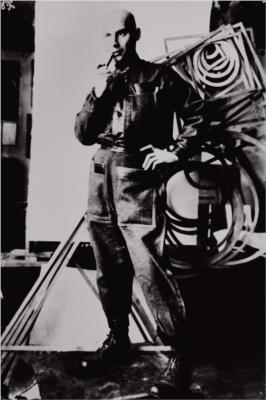
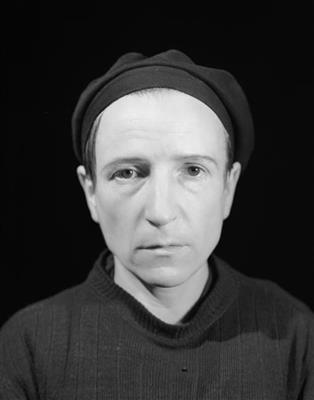


Take Gustavs Klucis home.
See all Gustavs Klucis prints →Frequently Asked Questions
When was Gustavs Klucis born?
Gustavs Klucis was born in 1895 and died in 1938.What art movement was Gustavs Klucis part of?
Gustavs Klucis was associated with Constructivism.What is Gustavs Klucis known for?
Gustavs Klucis is known for gustavs Klucis was an artist from the Russian Empire who lived from 1895 to 1938.