

Henri Rivière
- Pont-Aven School
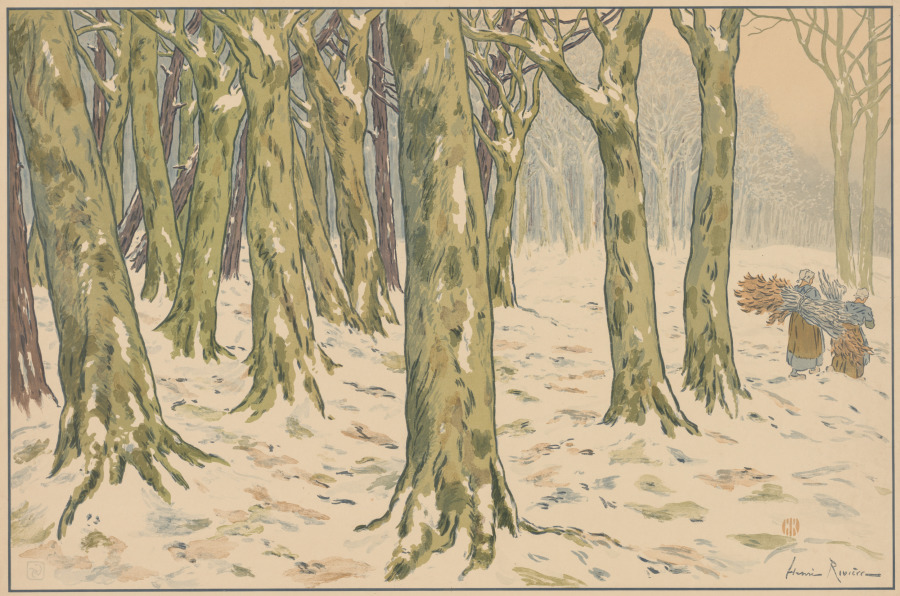
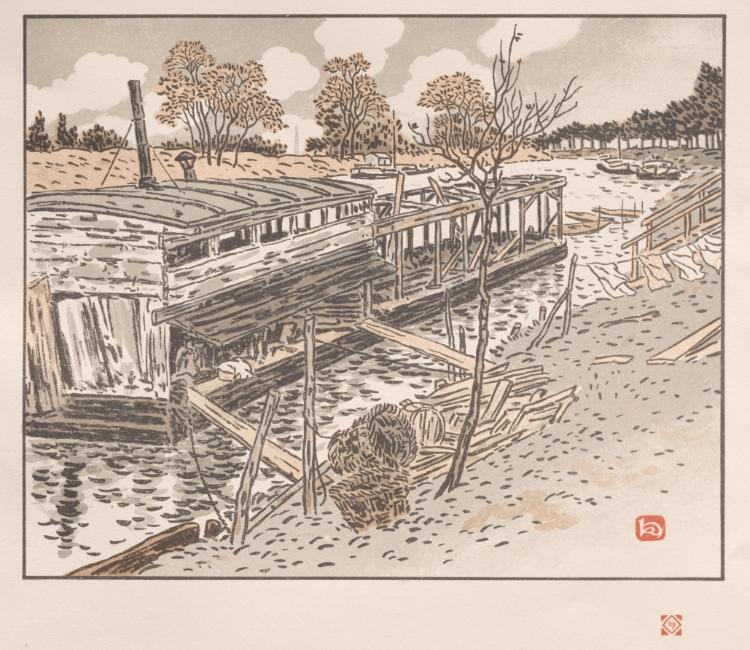
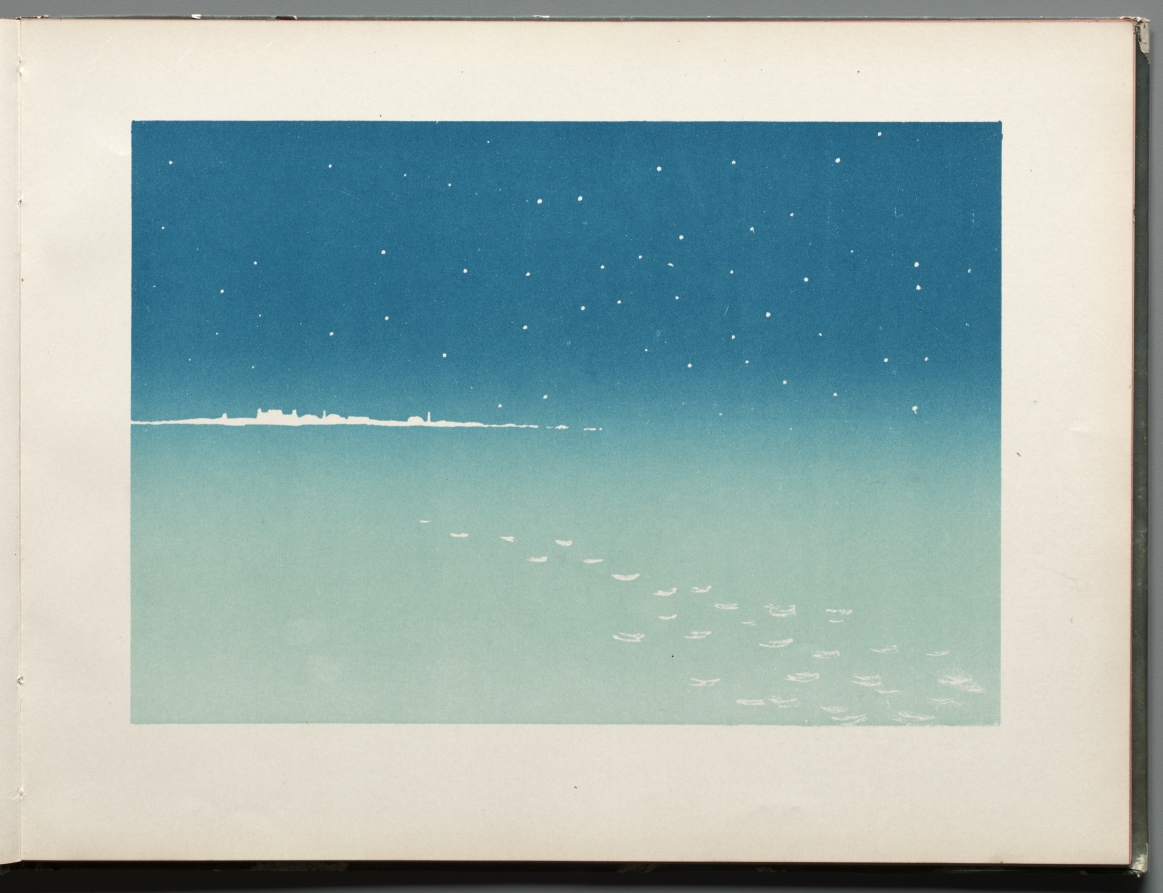
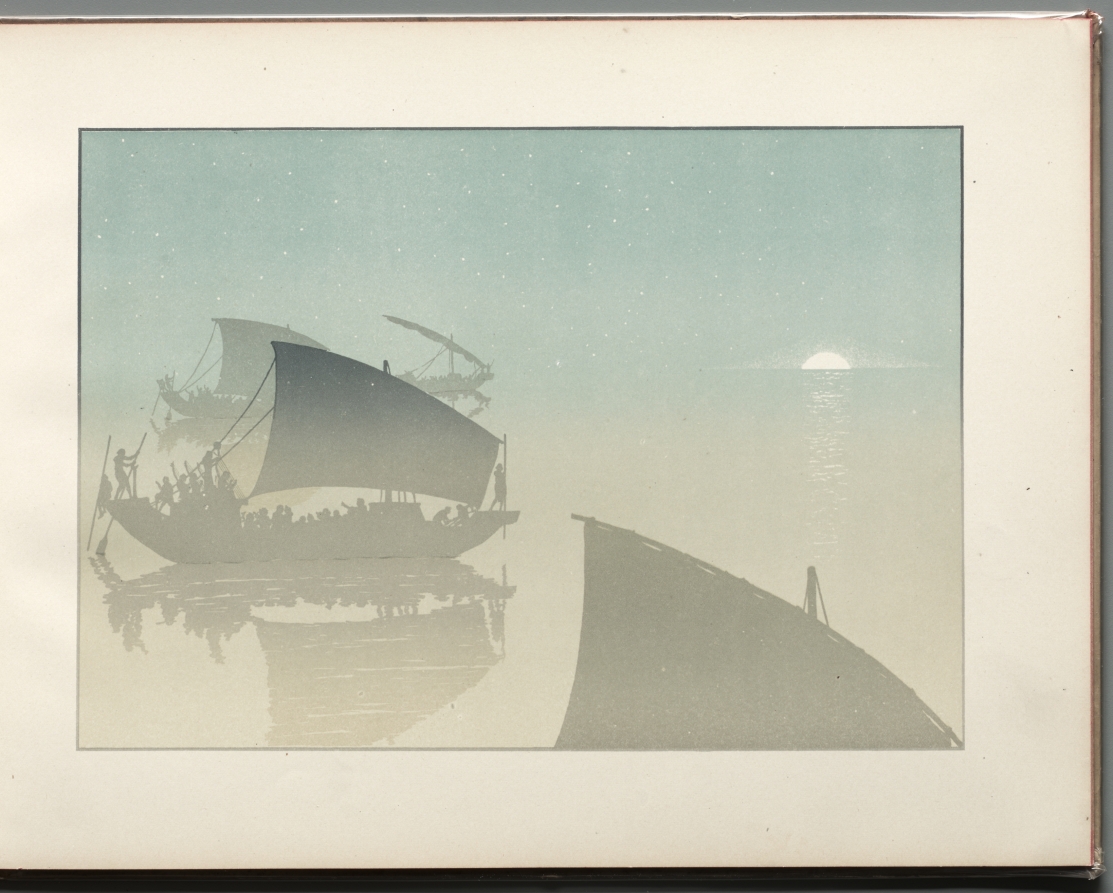
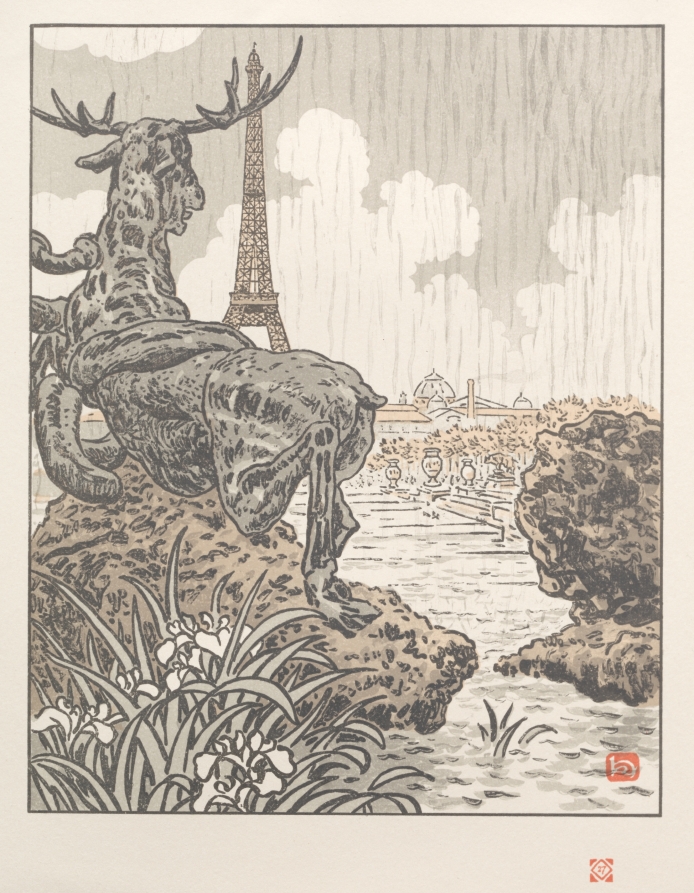
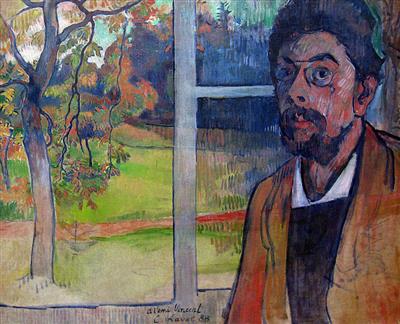
Henri Rivière was an artist from France who lived from 1864 to 1951. His known works include Aspects of Nature: The Island, Parisian Landscapes: The Fortifications, and The Woods, Winter. He also produced The Progress of the Stars: Les Esclaves, The Prodigal Son: Sixième Tableau, and Thirty-Six Views of the Eiffel Tower: From Lamarck Street.

Biography
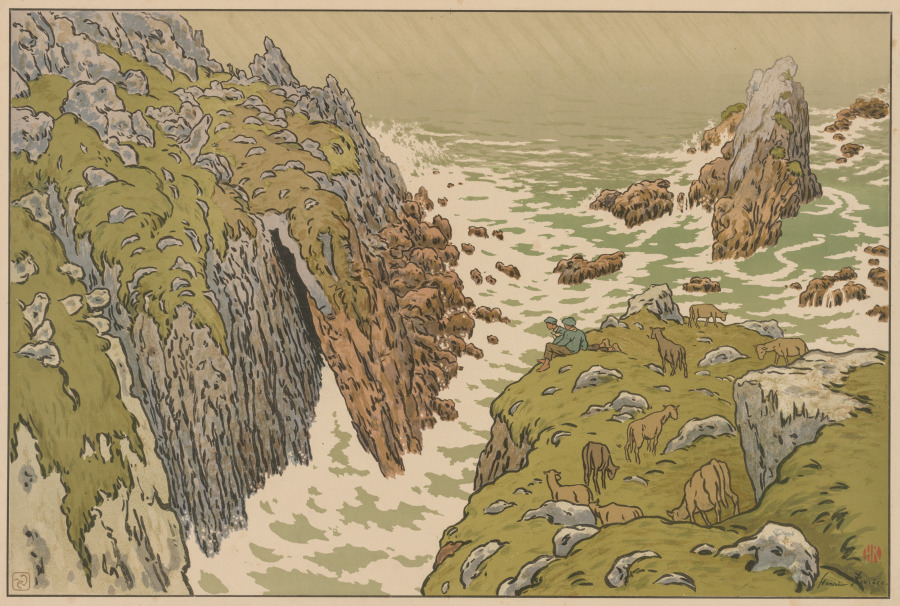
Solis Prints offers a selection of his work, including prints titled Aspects of Nature: The Bay, Aspects of Nature: The Cliff, Aspects of Nature: The Island, Aspects of Nature: The Stream, and Corpses and Crows.
Notable Works
Tap to view larger.
Next stop
Browse the movements →
Every movement in the collection, from the Renaissance to Pop art.
Henri Rivière prints
Hand-finished archival prints from Henri Rivière's body of work.
 Thirty-Six Views of the Eiffel Tower: From Lamarck Street - Henri Rivière
From £37.00
Thirty-Six Views of the Eiffel Tower: From Lamarck Street - Henri Rivière
From £37.00
 Thirty-Six Views of the Eiffel Tower: From the Quai de Grenelle - Henri Rivière
From £37.00
Thirty-Six Views of the Eiffel Tower: From the Quai de Grenelle - Henri Rivière
From £37.00
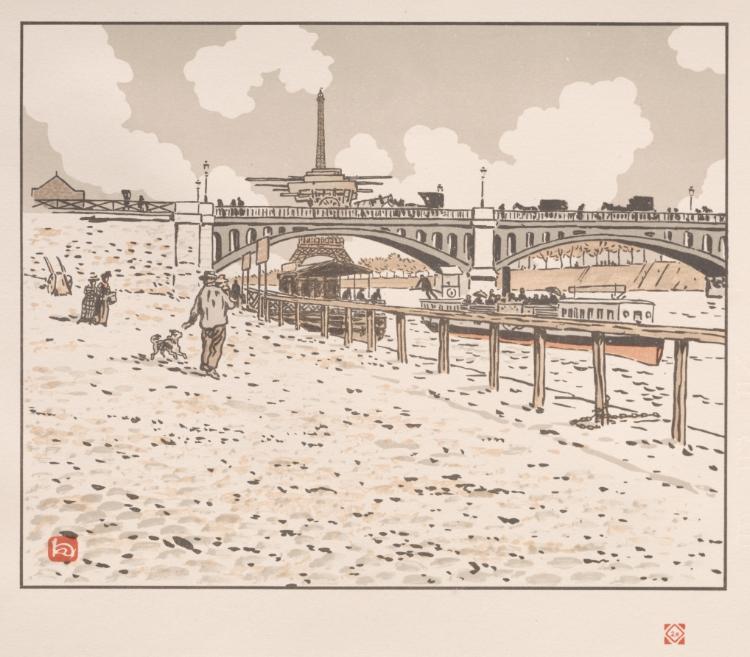
 Thirty-Six Views of the Eiffel Tower: From the Grenelle Bridge - Henri Rivière
From £37.00
Thirty-Six Views of the Eiffel Tower: From the Grenelle Bridge - Henri Rivière
From £37.00
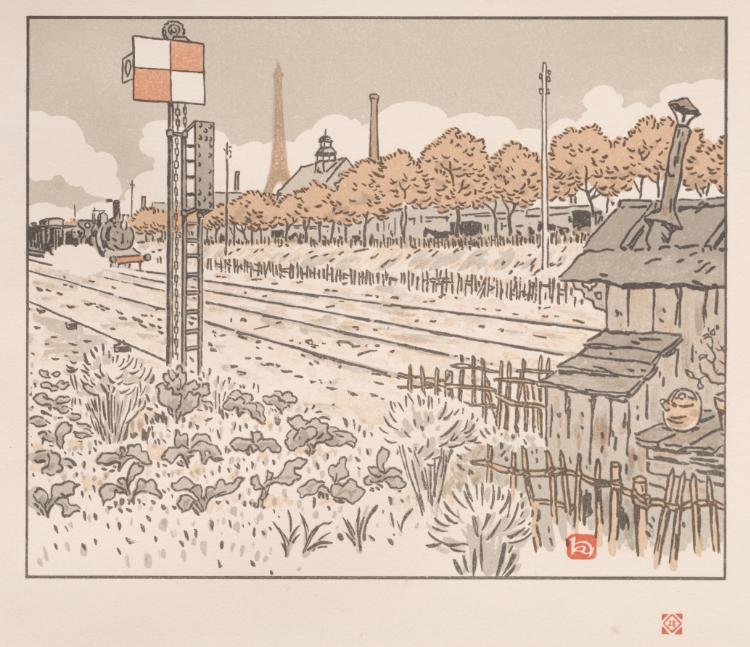
 Thirty-Six Views of the Eiffel Tower: From the Quai de Javel (Switchman's Shanty) - Henri Rivière
From £37.00
Thirty-Six Views of the Eiffel Tower: From the Quai de Javel (Switchman's Shanty) - Henri Rivière
From £37.00
 From Bas-Meudon, Old Lavoir - Henri Rivière
From £37.00
From Bas-Meudon, Old Lavoir - Henri Rivière
From £37.00
 Zee, in een baai, met schepen voor de rotsige kust - Henri Rivière
From £28.00
Zee, in een baai, met schepen voor de rotsige kust - Henri Rivière
From £28.00
Related Artists




Take Henri Rivière home.
See all Henri Rivière prints →Frequently Asked Questions
When was Henri Rivière born?
Henri Rivière was born in 1864 and died in 1951.What art movement was Henri Rivière part of?
Henri Rivière was associated with Pont-Aven School.What is Henri Rivière known for?
Henri Rivière is known for henri Rivière was an artist from France who lived from 1864 to 1951.