

Henry Farrer
Henry Farrer arrived in New York from London as a self-taught teenager. He became a founding member of the American Pre-Raphaelite movement. This group followed the strict principles of John Ruskin. They insisted on absolute fidelity to nature. Farrer often worked in watercolour. He used small brushes to apply paint in precise stippled dots. This method was unusual for the period. It required immense patience.
Biography
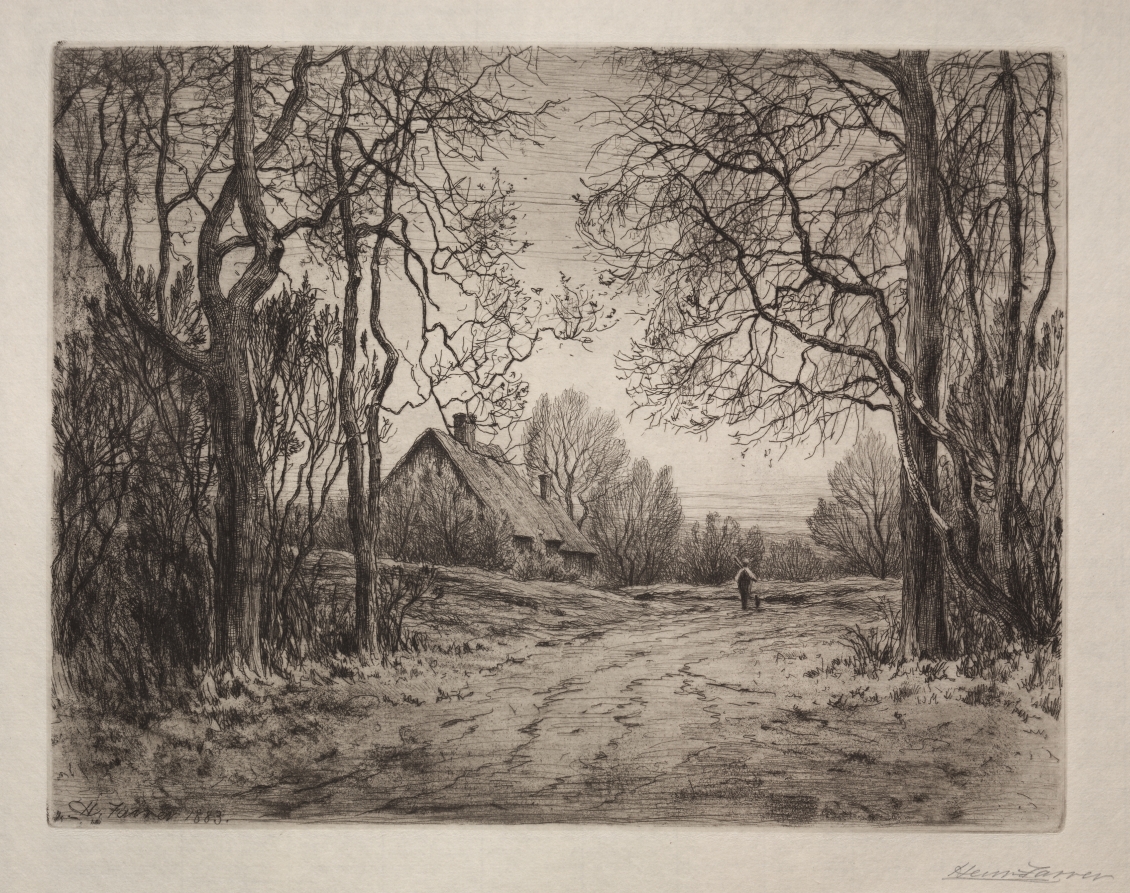
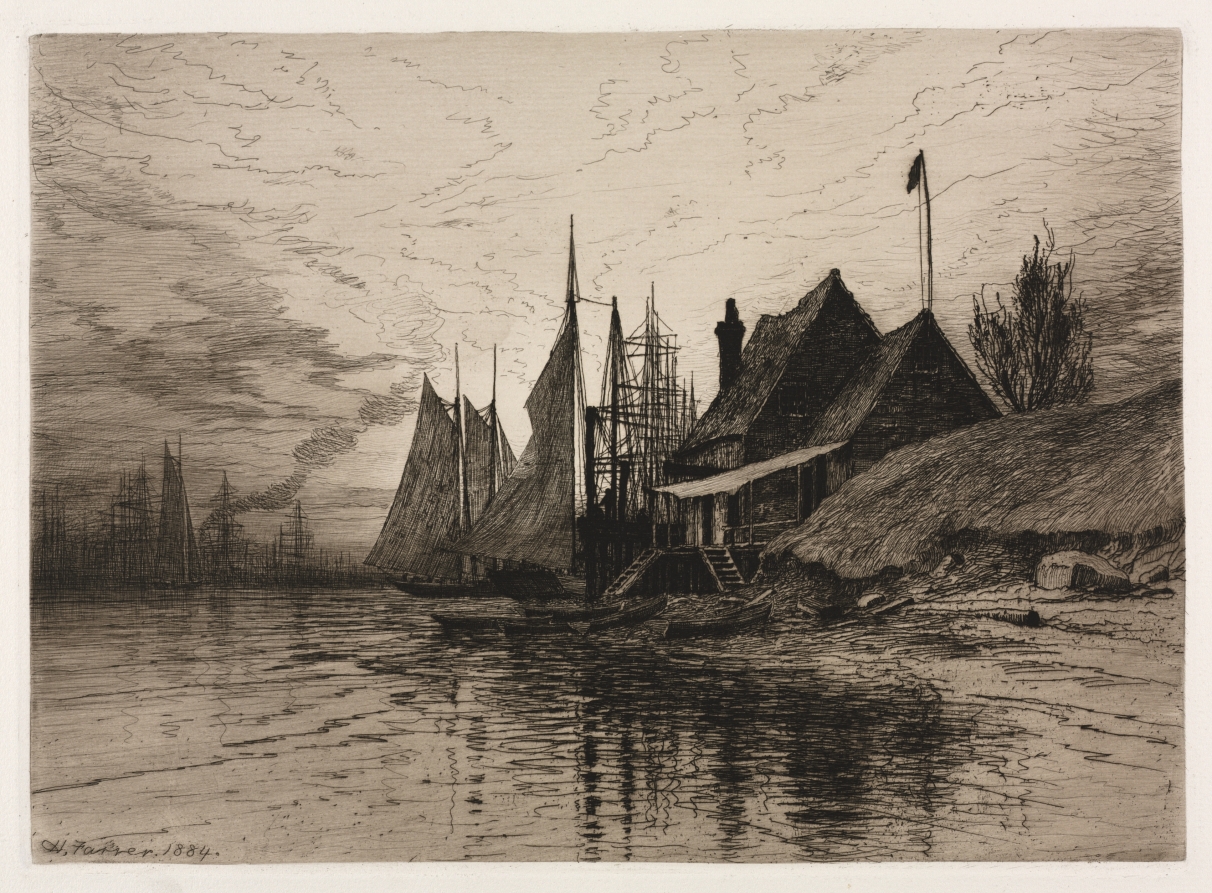
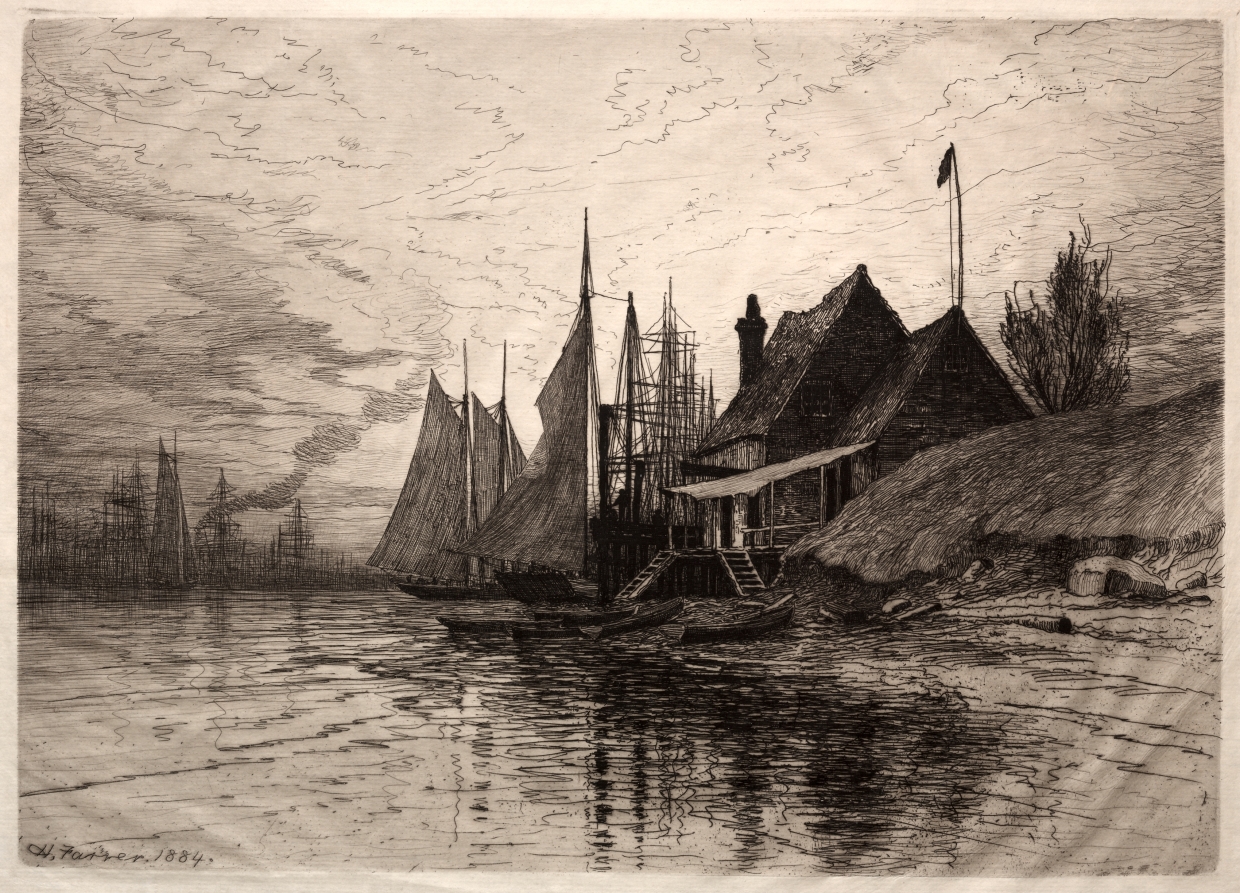
His work changed over time. He moved away from the rigid detail of his early years. He began to explore the Tonalist style. This approach focused on mood. Works such as Evening, New York Harbour show this shift. He used muted tones to capture the soft light of dusk. His etchings also gained attention. He helped to popularise the medium in America. He often depicted quiet scenes of the East River or historic structures like Somerindyke House.
Modern collectors value the stillness in his compositions. His scenes of winter and twilight offer a sense of calm. Prints like Winter Landscape provide a window into a quieter era of the American coast. The technical precision of his early training remains visible. These prints suit contemporary interiors that favour clean lines and soft palettes. They combine historical detail with atmospheric beauty.
Notable Works
Tap to view larger.
Next stop
Browse the movements →
Every movement in the collection, from the Renaissance to Pop art.
Henry Farrer prints
Hand-finished archival prints from Henry Farrer's body of work.


Related Artists


Take Henry Farrer home.
See all Henry Farrer prints →Frequently Asked Questions
When was Henry Farrer born?
Henry Farrer was born in 1843 and died in 1903.What is Henry Farrer known for?
Henry Farrer is known for henry Farrer was a British-born artist who combined Pre-Raphaelite precision with atmospheric Tonalism to capture quiet scenes of the American coast and rural New York.