

Henry Meyer
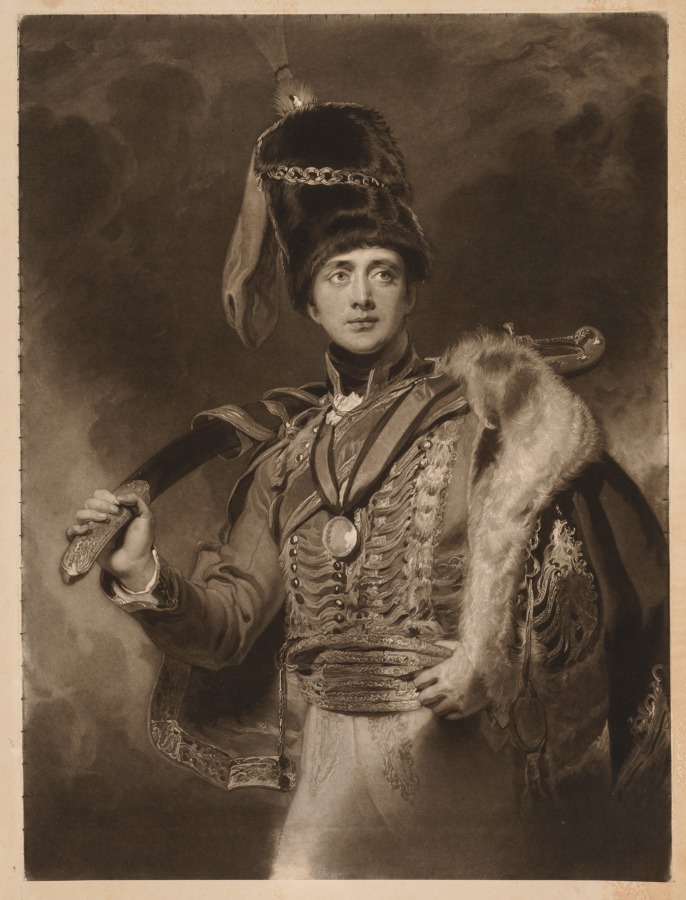
Henry Meyer spent much of his career in the shadow of his uncle, John Hoppner, yet he carved out a distinct space in the London art scene. He is best remembered for his 1813 portrait of Lord Byron, a work that the poet praised for its accuracy. Beyond his portraits, Meyer produced detailed engravings of historical subjects, including the tomb of Henry the Lion in Brunswick Cathedral. This variety of subject matter helped him become a founding member of the Society of British Artists in 1823.
Biography
Meyer was a master of stipple engraving and mezzotint, techniques that allowed for soft tonal transitions. His work often focused on the human face, capturing the expressions of Regency era society. He translated the oil paintings of his contemporaries into high-quality prints, making fine art accessible to a wider public. His technical precision ensured that even the smallest details of clothing or sculpture remained clear in the final impression.
Modern collectors value Meyer for his directness and historical clarity. His portraits and architectural studies offer a window into the nineteenth century without excessive ornamentation. The clean lines of his engravings suit contemporary interiors that favour classic draughtsmanship. These prints provide a sense of historical continuity and a connection to the origins of British portraiture through a disciplined lens.
Notable Works
Tap to view larger.
Next stop
Browse the movements →
Every movement in the collection, from the Renaissance to Pop art.
Frequently Asked Questions
What is Henry Meyer known for?
Henry Meyer is known for henry Meyer was a nineteenth-century engraver and painter known for his definitive portraits of Lord Byron and his role in founding the Society of British Artists.

