



Jan Goeree
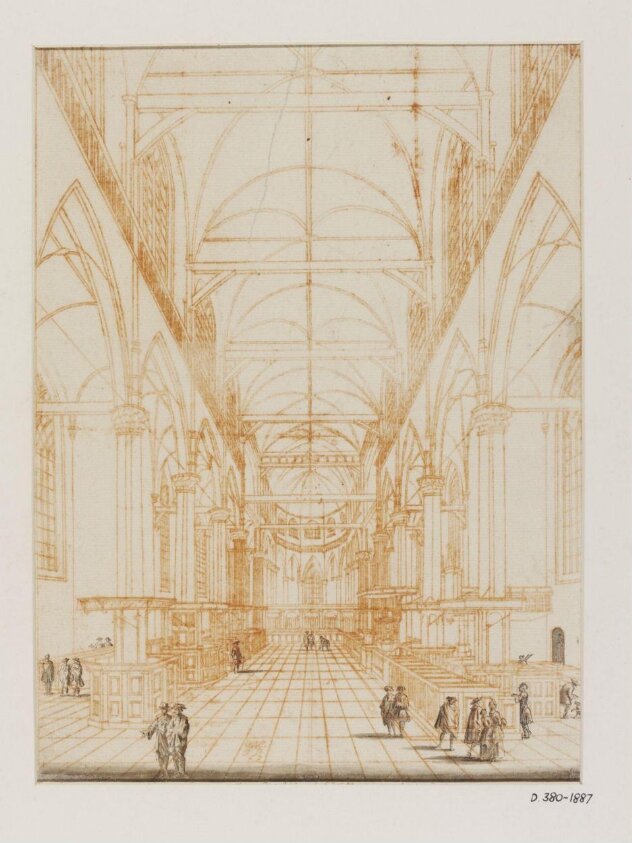
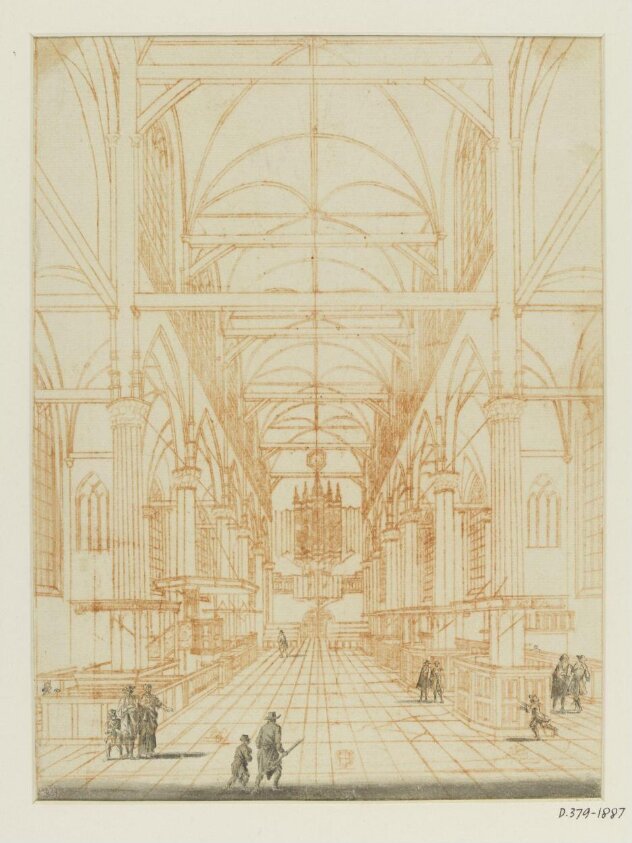
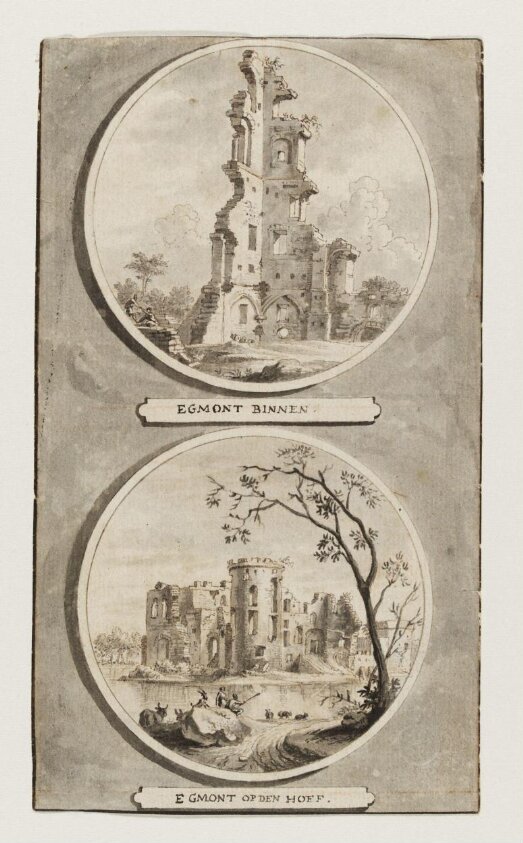
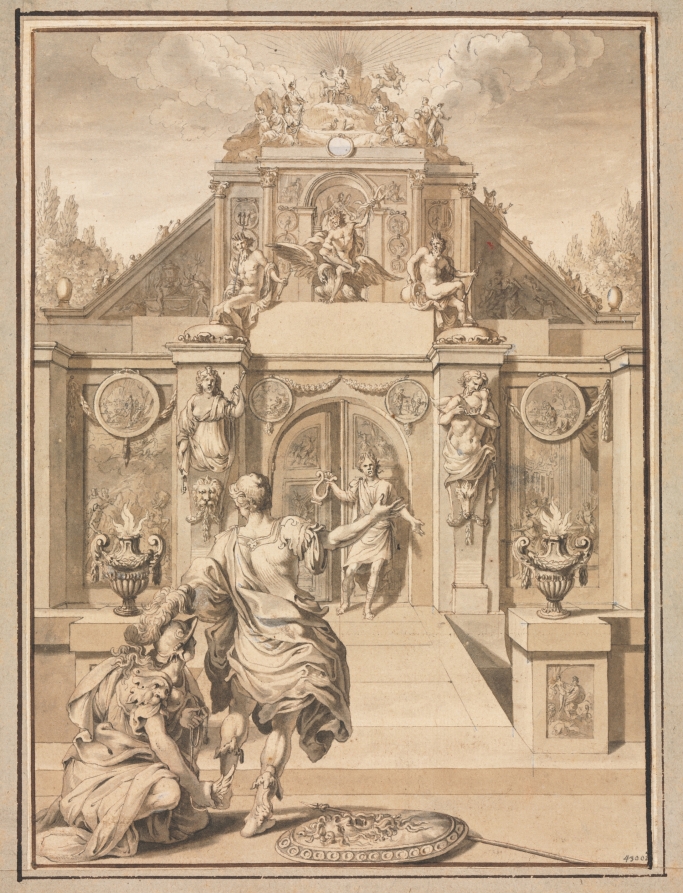
Jan Goeree was an artist. Solis Prints sells fine art prints of his work, including Allegorie op de rechtsprocedure, Beurs van Hendrik de Keyser te Amsterdam, Christoffel Columbus wordt ontvangen door oorspronkelijke Amerikanen, Dubbelhartigheid (Allegorical Study), and Geta of Antoninus.
Notable Works
Tap to view larger.
Next stop
Browse the movements →
Every movement in the collection, from the Renaissance to Pop art.
Jan Goeree prints
Hand-finished archival prints from Jan Goeree's body of work.
 Monument voor het huwelijk van Jonas Witsen met Elisabet Basseliers - Jan Goeree
From £37.00
Monument voor het huwelijk van Jonas Witsen met Elisabet Basseliers - Jan Goeree
From £37.00
 Gezicht op de Derde en Vierde Haarlemmerpoort te Amsterdam - Jan Goeree
From £28.00
Gezicht op de Derde en Vierde Haarlemmerpoort te Amsterdam - Jan Goeree
From £28.00
 Gezicht op de Sint-Antoniespoort, het Rondeel en de toren Swych Utrecht te Amsterdam - Jan Goeree
From £28.00
Gezicht op de Sint-Antoniespoort, het Rondeel en de toren Swych Utrecht te Amsterdam - Jan Goeree
From £28.00
 Gezicht op de twee Blokhuizen in de Amstel - Jan Goeree
From £28.00
Gezicht op de twee Blokhuizen in de Amstel - Jan Goeree
From £28.00
 Gezicht op het Reguliersklooster buiten Amsterdam - Jan Goeree
From £28.00
Gezicht op het Reguliersklooster buiten Amsterdam - Jan Goeree
From £28.00
 Gezicht op Amsterdam, gezien vanuit het westen - Jan Goeree
From £28.00
Gezicht op Amsterdam, gezien vanuit het westen - Jan Goeree
From £28.00
Take Jan Goeree home.
See all Jan Goeree prints →Frequently Asked Questions
What is Jan Goeree known for?
Jan Goeree is known for jan Goeree was an artist whose work is available as fine art prints at Solis Prints.