



1782–1816 · Kingdom of Württemberg
Johann Friedrich Müller
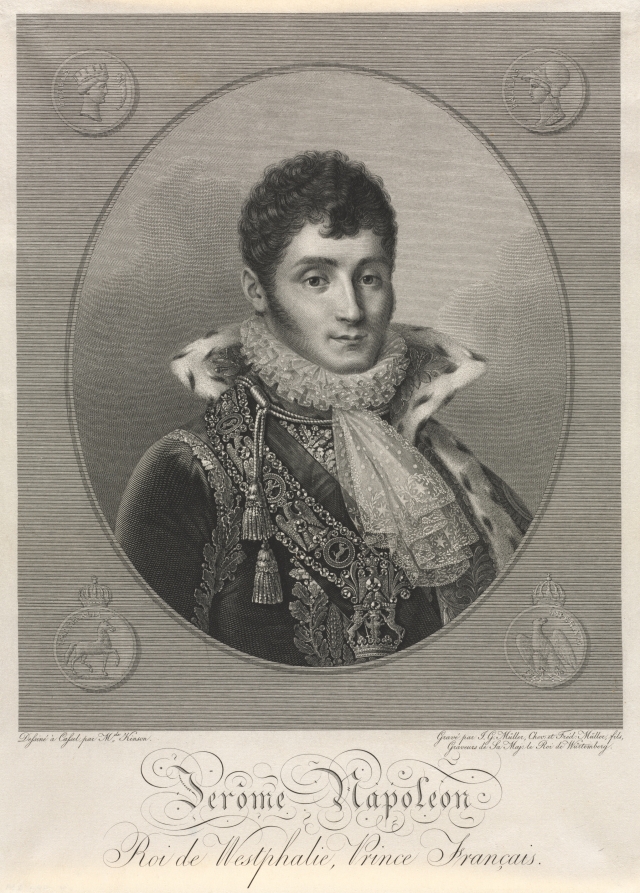
Johann Friedrich Müller was an artist from the Kingdom of Württemberg. He lived from 1782 until 1816.

Biography
His works included prints of Calvin, Martin Luther, and Raphael Sanzio (at the age of 23). Solis Prints offers prints of Calvin, Friedrich Josias, Prince of Coburg, Martin Luther, Portrait of Christoph Wilhelm Hufeland, and Raphael Sanzio (at the age of 23).
Notable Works
Tap to view larger.
Next stop
Browse the movements →
Every movement in the collection, from the Renaissance to Pop art.
Johann Friedrich Müller prints
Hand-finished archival prints from Johann Friedrich Müller's body of work.
 Portret van Johannes Hus - Johann Friedrich Wilhelm Müller
From £28.00
Portret van Johannes Hus - Johann Friedrich Wilhelm Müller
From £28.00
 Saint John the Evangelist - Johann Friedrich Wilhelm Müller
From £28.00
Saint John the Evangelist - Johann Friedrich Wilhelm Müller
From £28.00
 Venus of Arles - Johann Friedrich Wilhelm Müller
From £28.00
Venus of Arles - Johann Friedrich Wilhelm Müller
From £28.00
 Benjamin Thompson, Count Rumford - Johann Friedrich Wilhelm Müller
From £28.00
Benjamin Thompson, Count Rumford - Johann Friedrich Wilhelm Müller
From £28.00
 Sistine Madonna - Johann Friedrich Wilhelm Müller
From £28.00
Sistine Madonna - Johann Friedrich Wilhelm Müller
From £28.00
Related Artists
.jpg)
Take Johann Friedrich Müller home.
See all Johann Friedrich Müller prints →Frequently Asked Questions
When was Johann Friedrich Müller born?
Johann Friedrich Müller was born in 1782 and died in 1816.What is Johann Friedrich Müller known for?
Johann Friedrich Müller is known for johann Friedrich Müller was an artist from the Kingdom of Württemberg who lived from 1782 until 1816.