

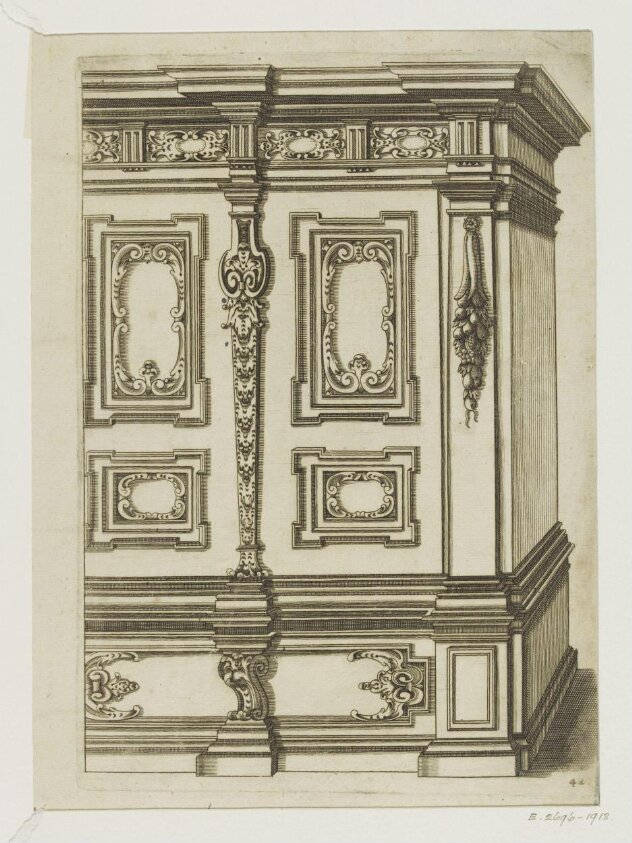
Johann Pfann
Johann Pfann worked during the height of the German Baroque period. While many artists of his era sought fame in painting, Pfann focused on the technical precision of copper engraving. He spent much of his career in Nuremberg, which was a major centre for print production. One specific detail of his work is the inclusion of heraldic shields and coat-of-arms details in his portraiture. These elements provided a genealogical record for his sitters, such as Gallus Wilhelm Freiherr von Racknitz.
Biography
His approach to portraiture was methodical and formal. Pfann used fine lines to define the texture of lace collars and heavy wool garments. In works like the Portrait of Johann Saubert I or Ambrosius Bosch, he positioned subjects behind stone sills or within oval frames. This framing device creates a sense of physical distance between the viewer and the subject. He avoided excessive ornamentation. He chose to focus on the facial features and the status symbols of the German merchant and clerical classes.
Modern collectors value these prints for their crisp monochromatic aesthetic. The sharp contrast of black ink on paper fits well in contemporary interiors that favour a minimalist or historical palette. His portraits, including those of Johann Ferber and Johannes Vennitzer, offer a direct connection to seventeenth-century European history. They are clear examples of the skilled craftsmanship found in early printmaking.
Notable Works
Tap to view larger.
Next stop
Browse the movements →
Every movement in the collection, from the Renaissance to Pop art.
Johann Pfann prints
Hand-finished archival prints from Johann Pfann's body of work.


Take Johann Pfann home.
See all Johann Pfann prints →Frequently Asked Questions
When was Johann Pfann born?
Johann Pfann was born in 1601 and died in 1682.What is Johann Pfann known for?
Johann Pfann is known for johann Pfann was a seventeenth-century German engraver known for his precise copperplate portraits of the Nuremberg merchant and clerical classes.