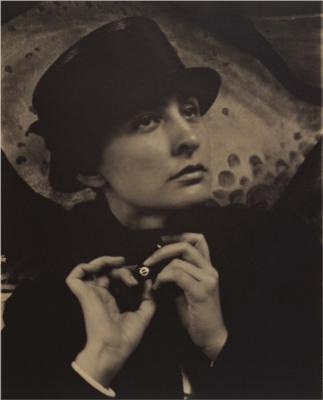
John E. Dowell Jr.
John E. Dowell Jr. trained at the Tamarind Lithography Workshop during a period of revival for American printmaking. He is a trained musician who views the surface of a print as a space for performance. He created a system of hand-drawn marks that act as a visual language for sound. These works are functional scores that musicians use to perform live pieces. The marks represent specific pitches and durations. This allows the paper to contain a silent concert.
Biography
His artistic method involves a rigorous use of photography and hand-pulled prints. He often places images of cotton fields into the middle of modern city streets. This choice forces a connection between the agrarian past and the steel structures of the present. He avoids using soft edges or hazy filters. Instead, he relies on sharp focus and deliberate placement to create a sense of presence. His work frequently uses the grid of the city to organise these historical symbols.
Collectors appreciate his work for its clarity and its intellectual rigour. His prints offer a sophisticated way to display American history without being traditional. They suit modern environments that value clean lines and historical depth. The work is a study of how the past remains visible in our current urban spaces. Each piece invites the viewer to consider the layers of labour behind the modern world.
Notable Works
Tap to view larger.
Next stop
Browse the movements →
Every movement in the collection, from the Renaissance to Pop art.
Frequently Asked Questions
When was John E. Dowell Jr. born?
John E. Dowell Jr. was born in 1941.What is John E. Dowell Jr. known for?
John E. Dowell Jr. is known for john E. Dowell Jr. is an American printmaker and photographer visualising musical rhythms and historical narratives through striking compositions for the modern home.


_%E2%80%93_LOC.jpg)