



John Murray
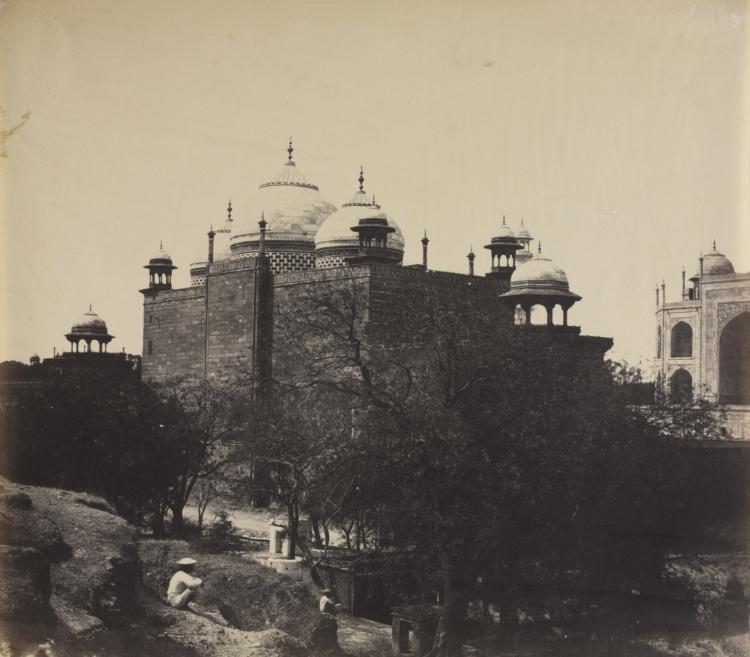
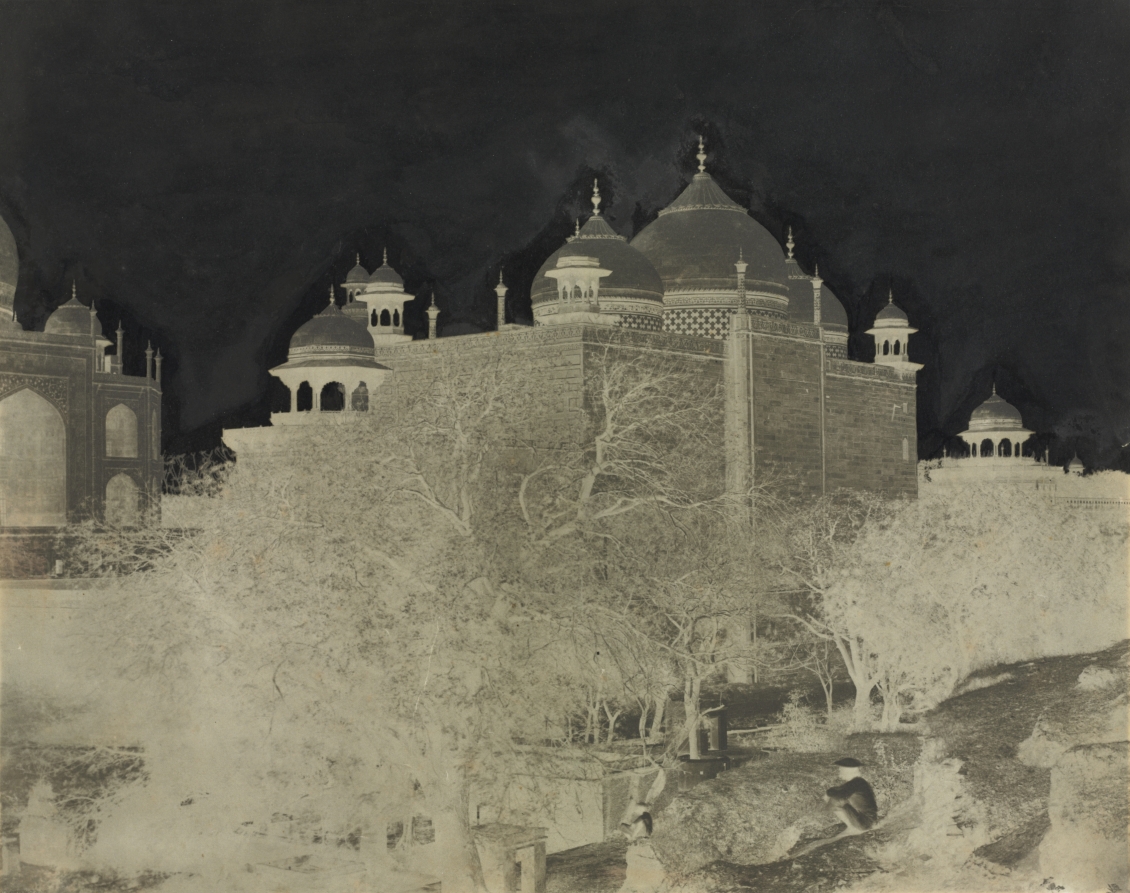
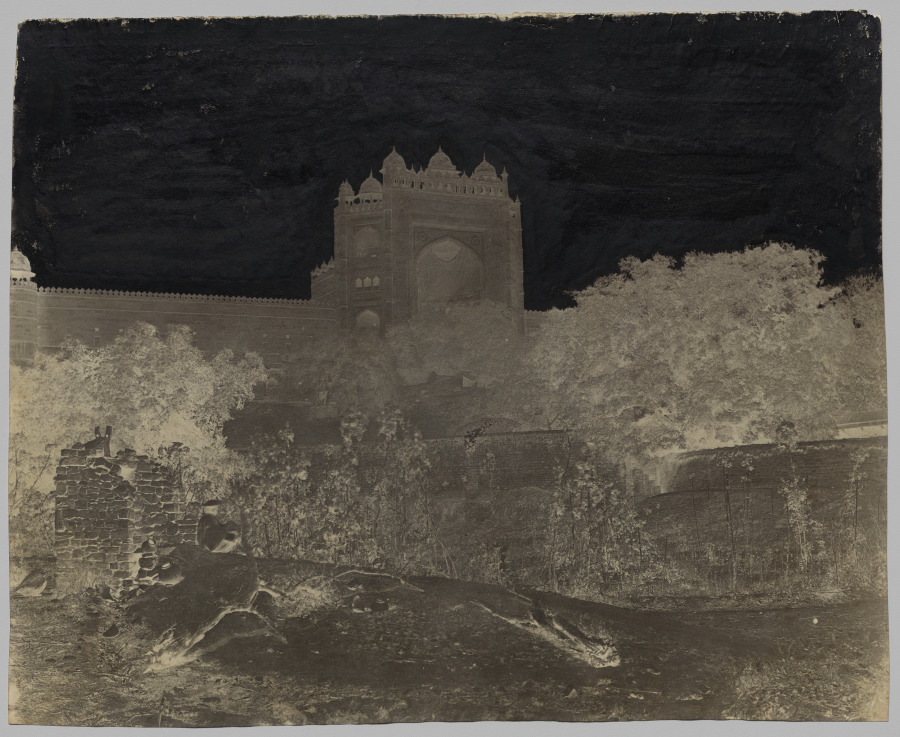
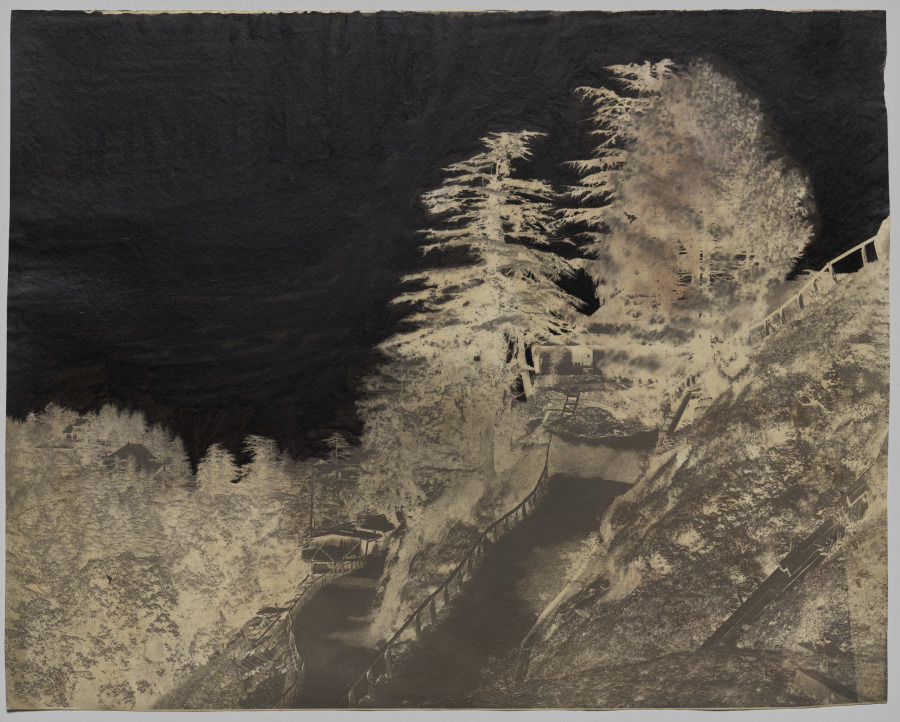
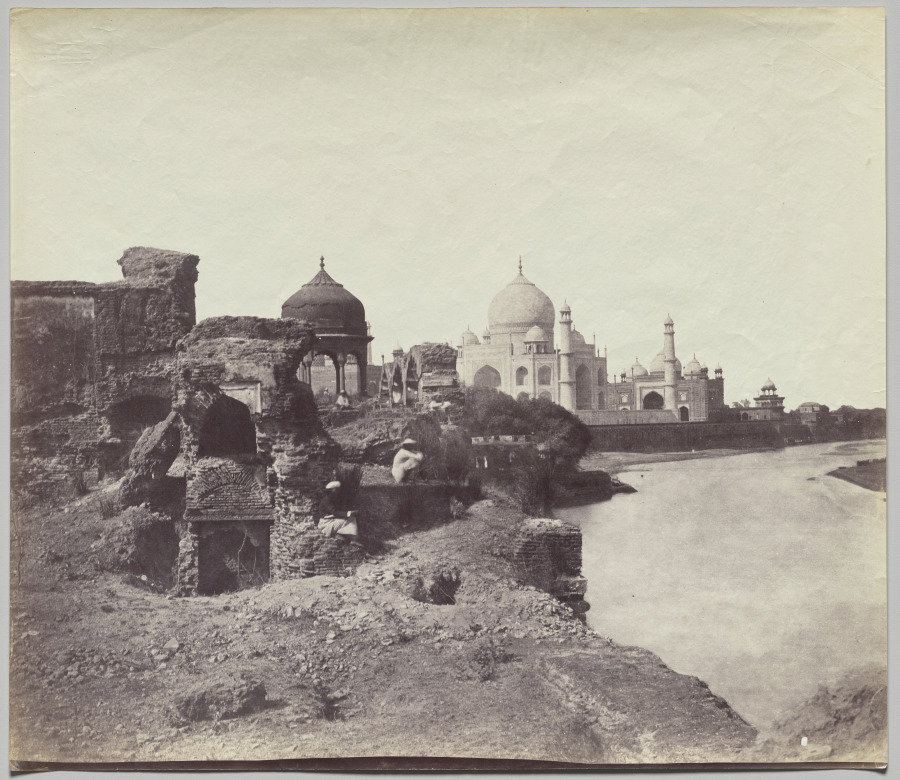
John Murray began his career as a medical officer for the East India Company before taking up photography. While stationed in Agra during the 1850s, he turned his attention to the local architecture. He used a portable darkroom to process large wax-paper negatives in the extreme heat. These negatives reached sizes of 16 by 20 inches, a feat that required physical effort and technical precision.
Biography
His approach was methodical and focused on the geometry of Mughal structures. Murray avoided the romanticised clutter common in Victorian travel imagery. He preferred clear, frontal compositions that emphasised the scale of the Taj Mahal and the Agra Fort. By using long exposure times, he eliminated the movement of people, resulting in images that feel silent and architectural. His work provides a factual record of these sites before the arrival of modern tourism.
Modern collectors value these prints for their warm sepia tones and historical clarity. The large format of his original negatives allows for prints that maintain sharp detail even at a significant size. His photographs provide a minimal aesthetic that suits contemporary interiors. They offer a view of nineteenth-century India through the eyes of a surgeon who prioritised structural accuracy over sentimentality.
Notable Works
Tap to view larger.
Next stop
Browse the movements →
Every movement in the collection, from the Renaissance to Pop art.
John Murray prints
Hand-finished archival prints from John Murray's body of work.
Take John Murray home.
See all John Murray prints →Frequently Asked Questions
What is John Murray known for?
John Murray is known for john Murray was a nineteenth-century surgeon and photographer known for his large-scale architectural studies of Mughal monuments, including the Taj Mahal and Agra Fort.

