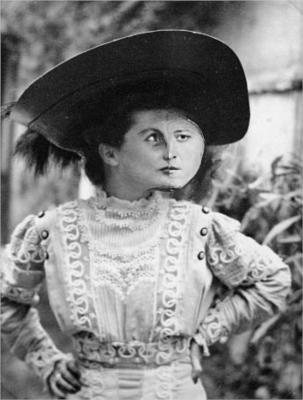
Josep Icart
Josep Icart emerged during a period of strict cultural control in Spain. Unlike many of his contemporaries who moved to Paris, he remained in Barcelona. He became a fixture of the Sala Parés, one of the oldest galleries in the city. His work often focused on the human figure, but he treated the canvas with a physical intensity that bordered on the sculptural. He used thick layers of paint to build up surfaces, a technique that aligned with the material-focused interests of the Catalan Informalism movement.
Biography
Icart developed a style that balanced traditional portraiture with modern abstraction. He frequently painted solitary figures or groups in domestic settings. His use of colour was often muted, relying on earth tones and greys to create a sense of quietude. He applied pigment with palette knives and brushes to create physical depth. He often stripped away unnecessary details to emphasise the geometry of the human form. This approach turned simple subjects into explorations of texture and form. His paintings avoided sentimentalism, focusing instead on the weight and presence of the subjects.
Modern collectors value Icart for his ability to connect mid-century modernism with classical Spanish painting. His works provide a sense of stillness that suits contemporary interiors. The tactile quality of his surfaces translates well to high-quality art prints. His compositions are balanced and direct. They offer a sophisticated aesthetic that does not rely on bright colours or complex narratives to command attention.
Josep Icart prints
Hand-finished archival prints from Josep Icart's body of work.
Take Josep Icart home.
See all Josep Icart prints →Frequently Asked Questions
When was Josep Icart born?
Josep Icart was born in 1928 and died in 1985.What is Josep Icart known for?
Josep Icart is known for josep Icart was a Spanish painter known for his textured portraits and figures that combined traditional subjects with mid-century Catalan abstraction.