



1831–1911 · Belgian
Léopold Flameng
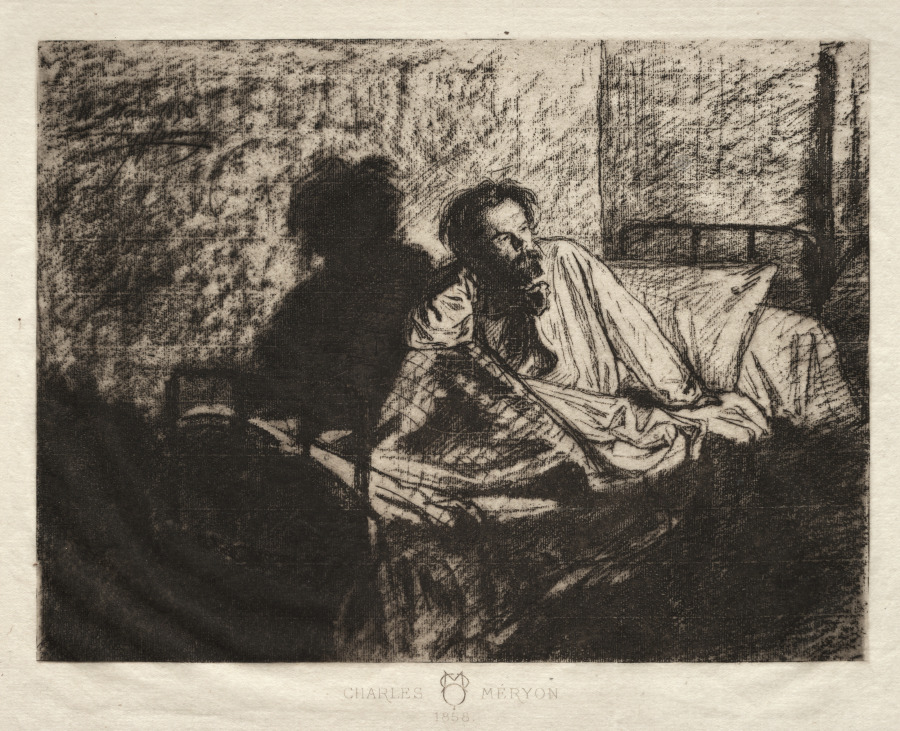
Léopold Flameng was a Belgian artist who lived from 1831 to 1911. His known works include Portrait of Constance Mayer, Shakespeare, Portrait of Meryon Sitting Up in Bed, Man in een grote mantel, and Interieur van een synagoge met gelovigen.

Biography
Solis Prints offers fine art prints of his work, including Adreskaart voor restaurateur van schilderijen J. Bueso, A Funeral at the Little Sister of the Poor Convent, Arabs Coming Out of the Mosque, Charles Meryon, and Christ Healing the Sick.
Notable Works
Tap to view larger.
Next stop
Browse the movements →
Every movement in the collection, from the Renaissance to Pop art.
Léopold Flameng prints
Hand-finished archival prints from Léopold Flameng's body of work.
 Hassan et Namouna - Léopold Flameng
From £37.00
Hassan et Namouna - Léopold Flameng
From £37.00
 Man in a Large Cloak - Léopold Flameng
From £37.00
Man in a Large Cloak - Léopold Flameng
From £37.00
 Adreskaart voor restaurateur van schilderijen J. Bueso - Léopold Flameng
From £28.00
Adreskaart voor restaurateur van schilderijen J. Bueso - Léopold Flameng
From £28.00
 Ruiterportret van Prins Balthasar Karel van Spanje - Léopold Flameng
From £28.00
Ruiterportret van Prins Balthasar Karel van Spanje - Léopold Flameng
From £28.00
 Woekeraar en een vrouw in tranen - Léopold Flameng
From £28.00
Woekeraar en een vrouw in tranen - Léopold Flameng
From £28.00
 Gelovigen tijdens een kerkdienst - Léopold Flameng
From £28.00
Gelovigen tijdens een kerkdienst - Léopold Flameng
From £28.00
Related Artists


Take Léopold Flameng home.
See all Léopold Flameng prints →Frequently Asked Questions
When was Léopold Flameng born?
Léopold Flameng was born in 1831 and died in 1911.What is Léopold Flameng known for?
Léopold Flameng is known for léopold Flameng was a Belgian artist who lived from 1831 to 1911.