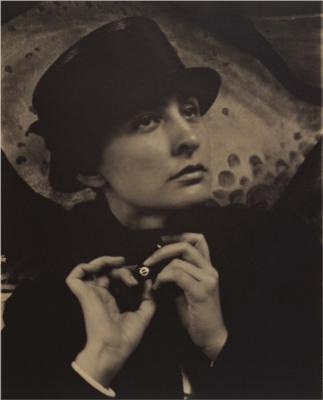
Martin Kline
Martin Kline worked as a studio assistant to the minimalist painter Robert Ryman before establishing his own practice. This period influenced his focus on the physical properties of paint and the surface of the canvas. While many encaustic artists aim for a smooth finish, Kline builds up layers of wax to create three-dimensional forms. His work often references botanical structures or classical themes, such as in Annunciation, while maintaining a focus on the medium itself.
Biography
The artist employs a method of layering pigmented beeswax and resin. In works like Labyrinth and Grid 3 x 3, he applies molten wax to create ridges and valleys. This additive process results in a relief where shadows define the composition. His oilstick drawings, including Untitled Oilstick Drawing, reflect this same interest in the tactile quality of the mark. He avoids flat imagery, favouring the physical weight of the material to guide the final piece.
Modern collectors appreciate how Kline merges formal grids with organic shapes. Works like Yucca and Nest suggest natural forms through a disciplined, abstract lens. The muted colour palettes and repeating patterns in his Grid series suit contemporary interiors. These prints allow for an appreciation of the structural depth found in his original encaustic works. His art offers a calm presence that relies on the interaction between light and texture.
Notable Works
Tap to view larger.
Next stop
Browse the movements →
Every movement in the collection, from the Renaissance to Pop art.
Frequently Asked Questions
When was Martin Kline born?
Martin Kline was born in 1961.What is Martin Kline known for?
Martin Kline is known for martin Kline is an American artist known for his sculptural use of encaustic wax and geometric oilstick drawings that explore texture and organic form.


_%E2%80%93_LOC.jpg)