



Master of the Berswordt Altar
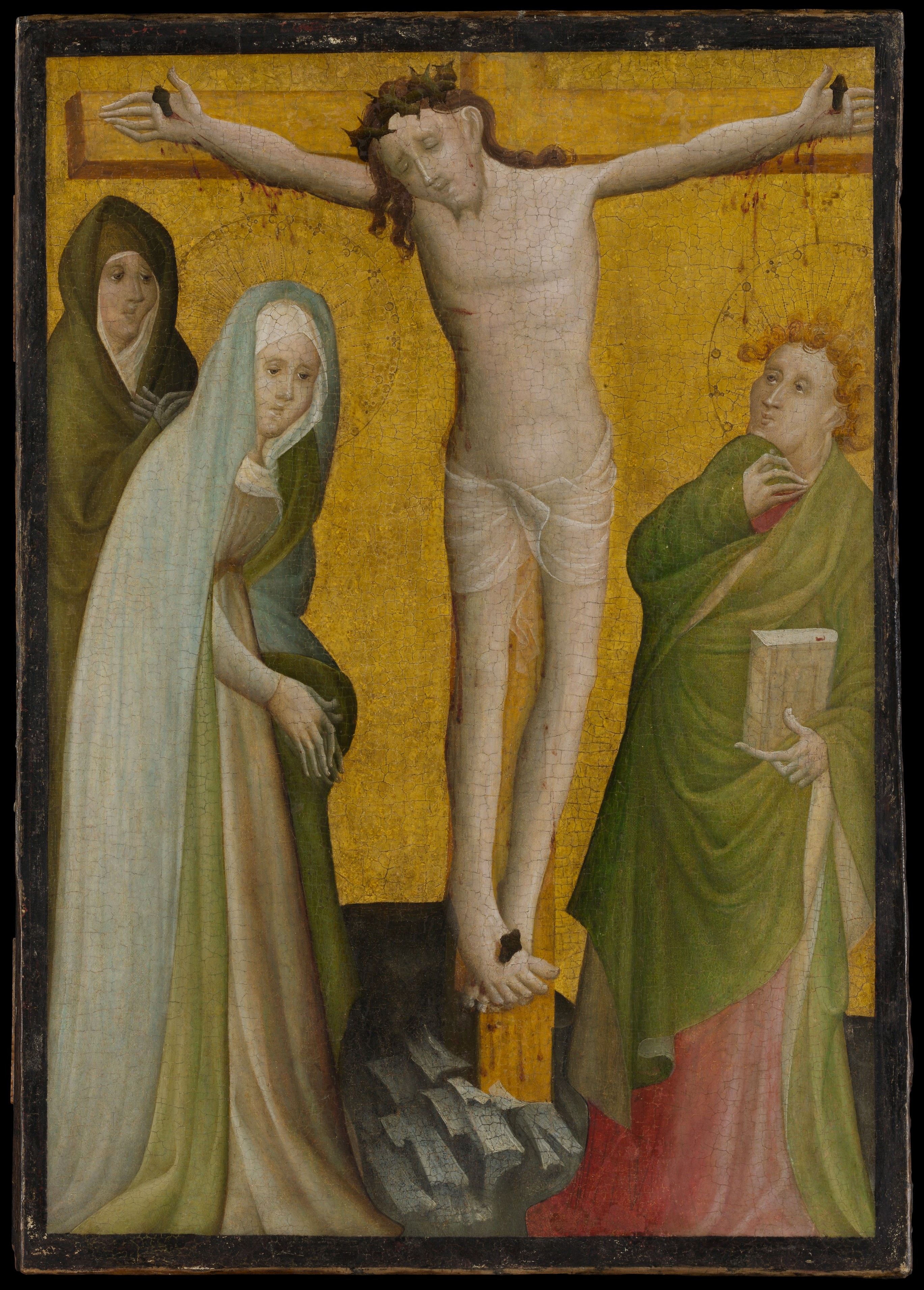
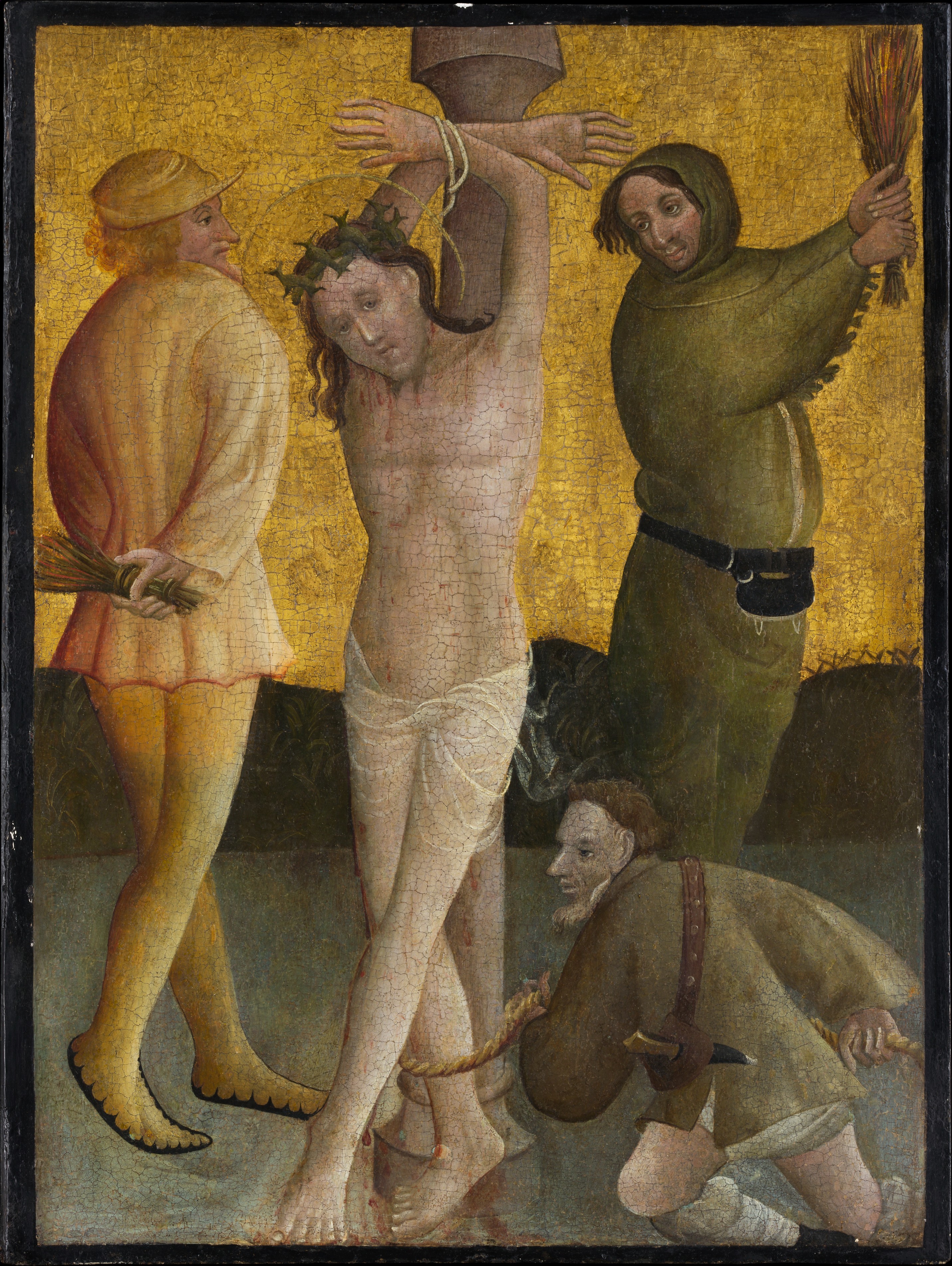
The Master of the Berswordt Altar remains anonymous, yet his influence defined the early Westphalian school of painting. He worked in Dortmund during the late fourteenth century, creating the large triptych for the Marienkirche that bears his name. Unlike many of his contemporaries who focused on rigid religious icons, this artist introduced a sense of physical weight and volume to his figures. His work predates the more famous Konrad von Soest, establishing the foundations for the International Gothic style in northern Germany.

Biography
His approach combines the soft modelling of the Bohemian school with a direct narrative style. Figures possess a sculptural quality, often appearing with stout proportions and heavy, stylised garment folds. The artist used a palette of gold backgrounds to contrast with deep reds and blues. He was skilled at arranging multiple biblical scenes within a single panel without losing clarity. His compositions avoid unnecessary clutter, focusing instead on the physical presence and movement of the characters.
Modern collectors value these prints for their bold use of colour and clear, graphic compositions. The combination of medieval symbolism and human-centric drama makes the work feel grounded rather than purely decorative. These pieces provide a window into the transition from medieval abstraction to a more observational form of art. The balance of gold leaf effects and solid figural forms creates a striking presence in contemporary interiors.
Notable Works
Tap to view larger.
Frequently Asked Questions
What is Master of the Berswordt Altar known for?
Master of the Berswordt Altar is known for an anonymous fourteenth-century German artist whose work in Dortmund established the Westphalian style through bold colours and solid, sculptural figures.


