

1623–1697 · Qing dynasty
Mei Qing
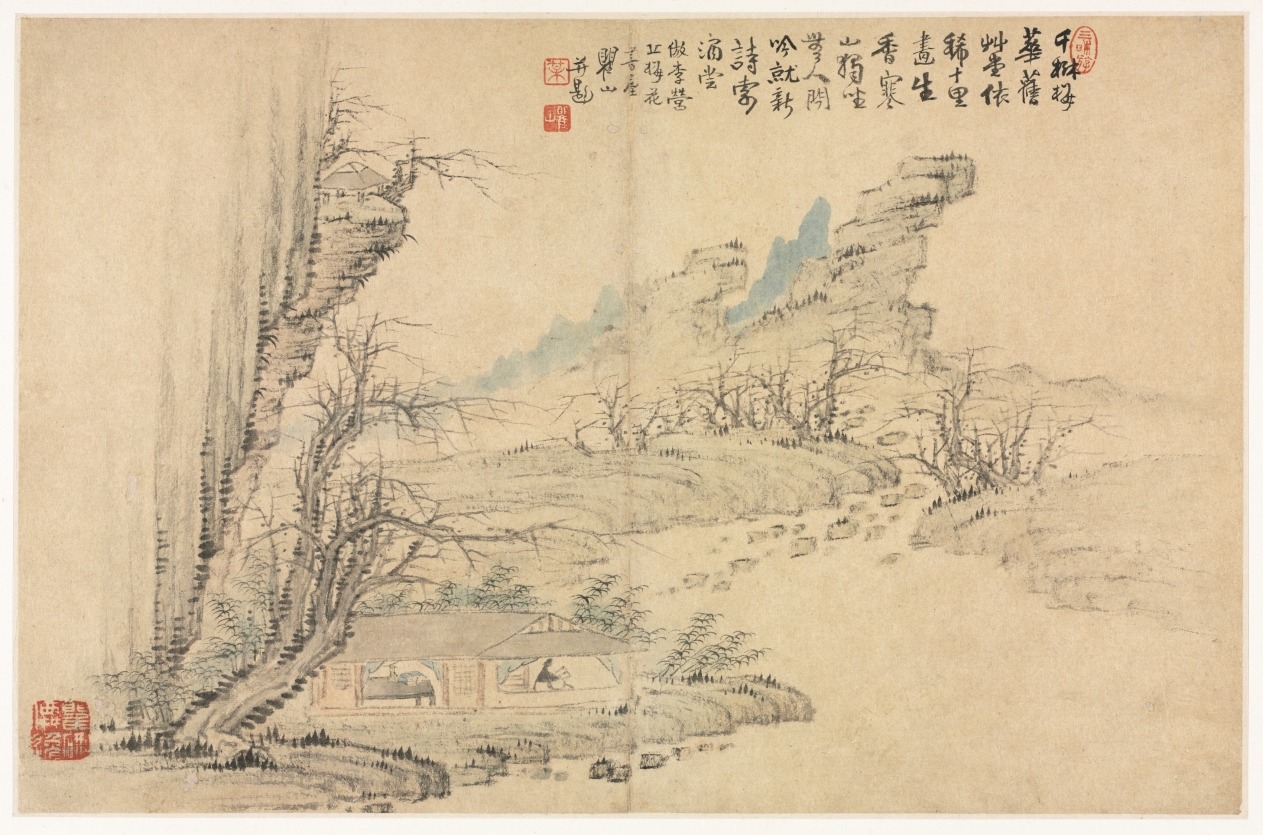
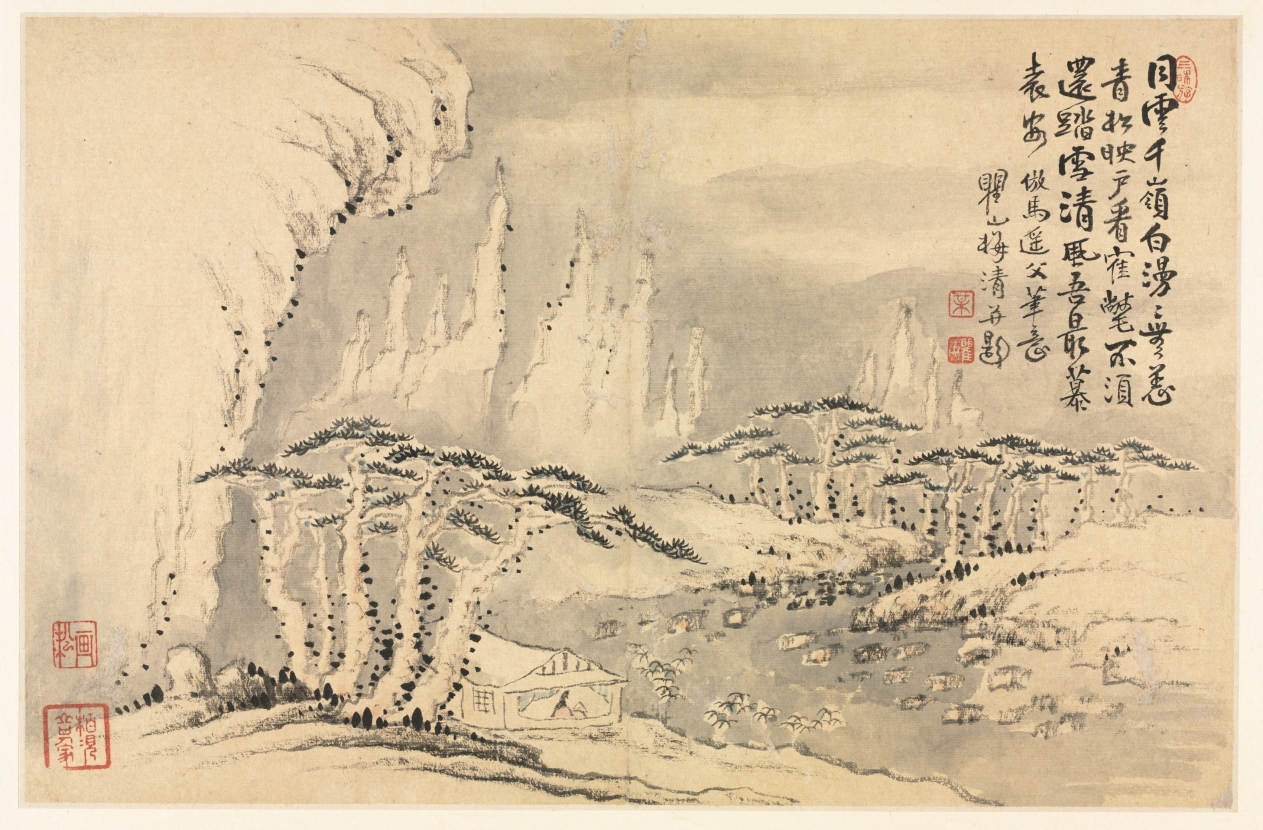
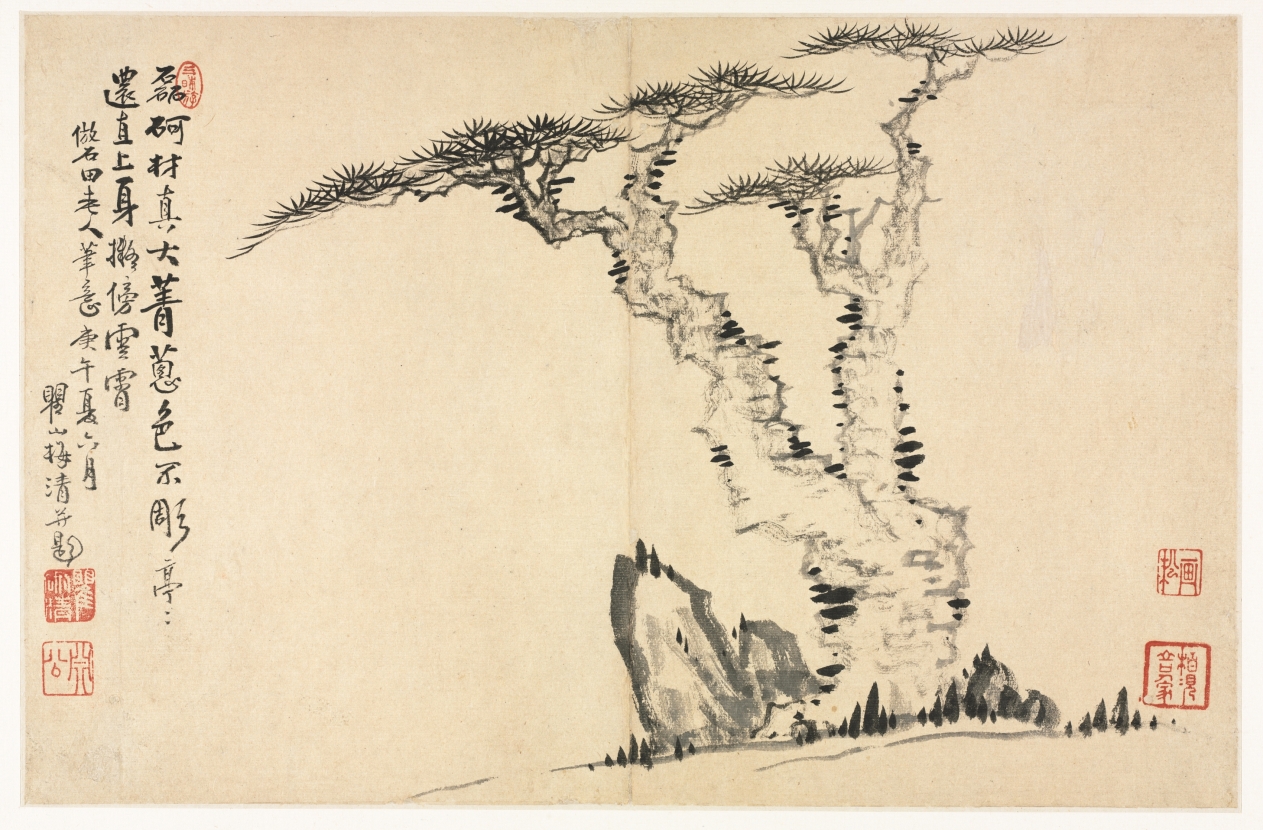
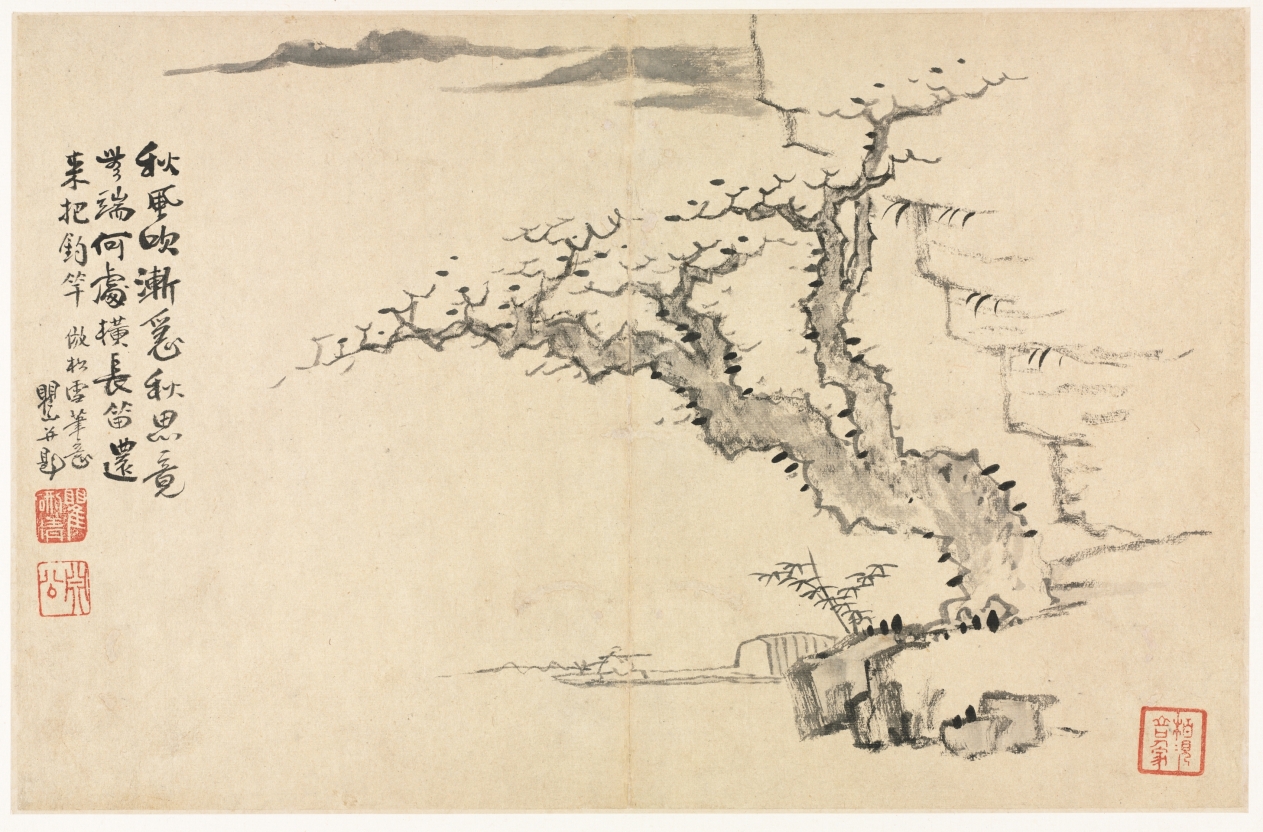
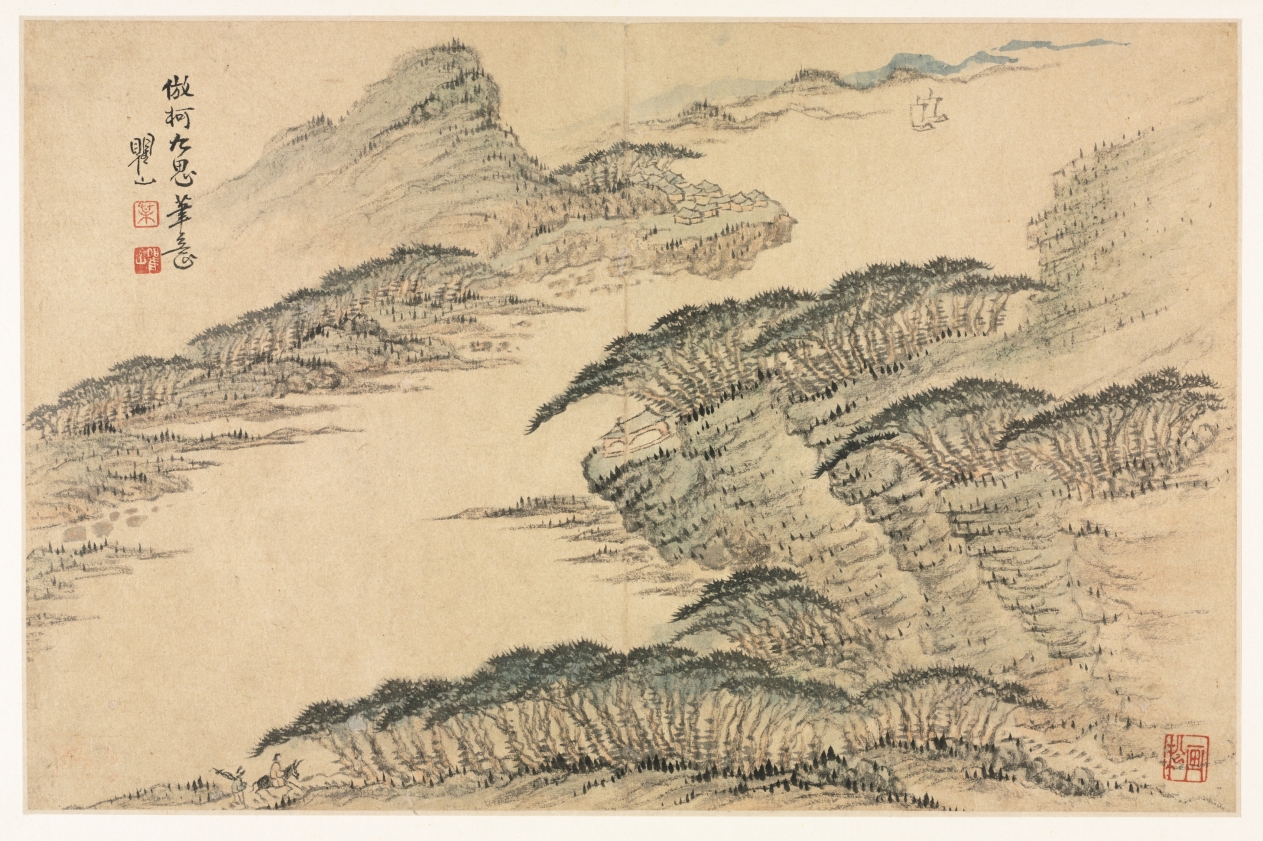
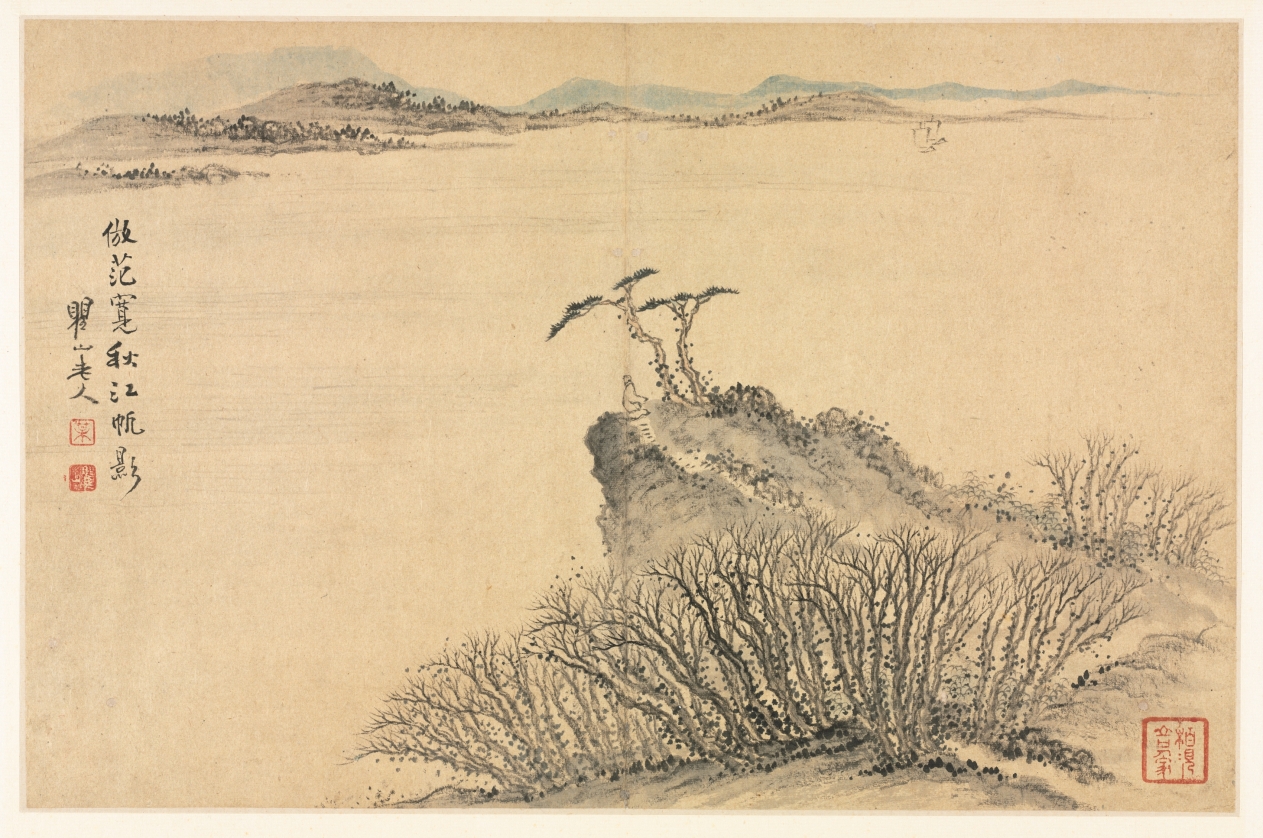
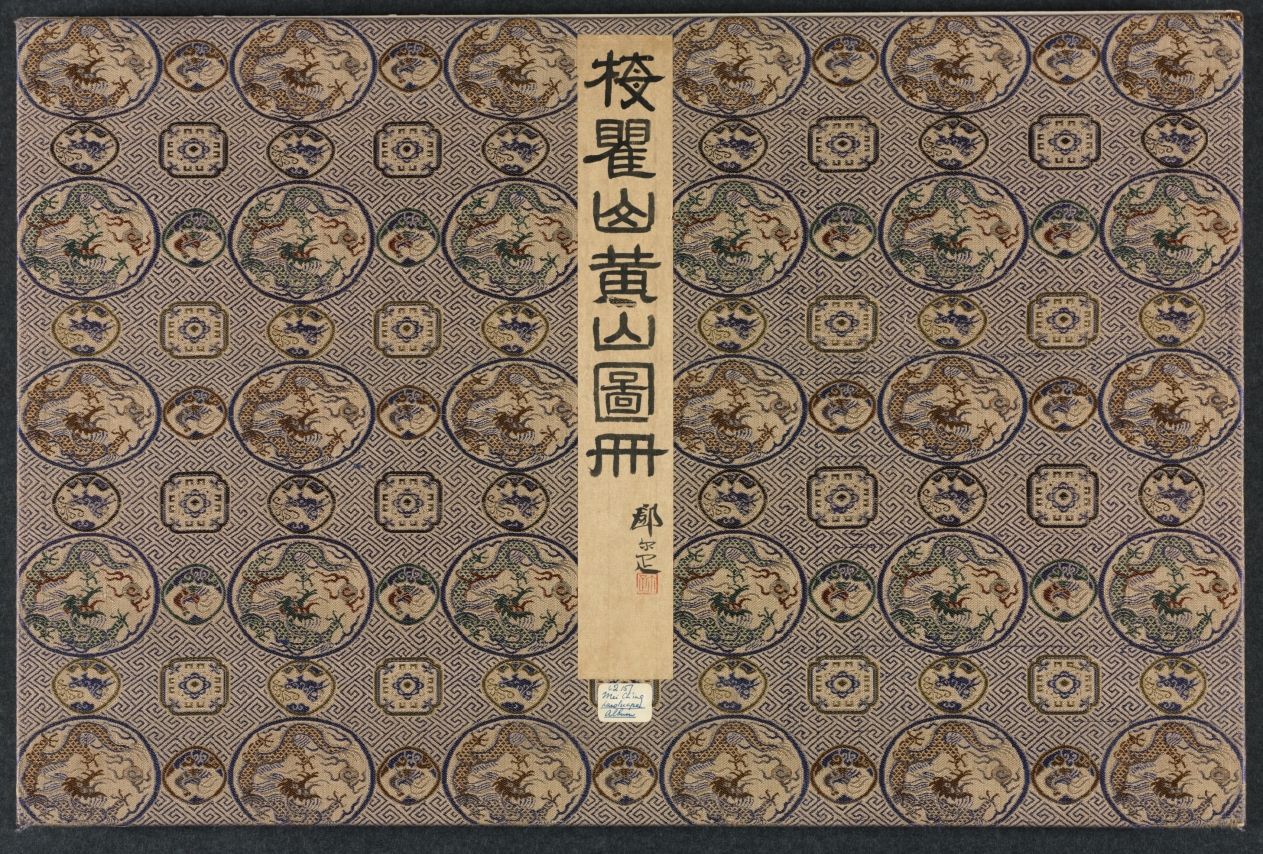
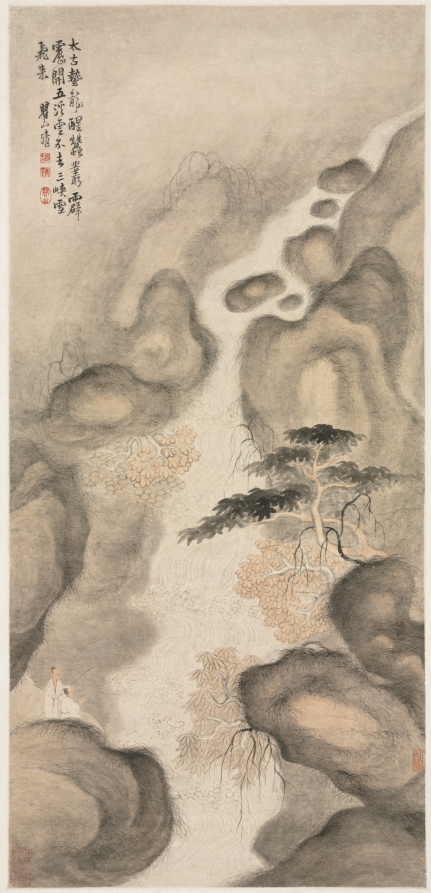
Mei Qing lived from 1623 to 1697 during the Qing dynasty. His works include Landscapes after Various Styles of Old Masters, Landscapes in Various Styles after Old Masters, Nine Dragon Pool, Peaks of Mount Huang, Strolling in a Misty Valley, Boating beneath Echo Hill, and Landscapes after Ancient Masters.
Biography
Solis Prints offers fine art prints of Landscapes after Various Styles of Old Masters, Landscapes in Various Styles after Old Masters, Nine Dragon Pool, and Peaks of Mount Huang.
Notable Works
Tap to view larger.
Next stop
Browse the movements →
Every movement in the collection, from the Renaissance to Pop art.
Mei Qing prints
Hand-finished archival prints from Mei Qing's body of work.


Related Artists
.PNG)


Take Mei Qing home.
See all Mei Qing prints →Frequently Asked Questions
When was Mei Qing born?
Mei Qing was born in 1623 and died in 1697.What is Mei Qing known for?
Mei Qing is known for mei Qing was a Qing dynasty artist who lived from 1623 to 1697.