



Muhammad Rizavi Hindi
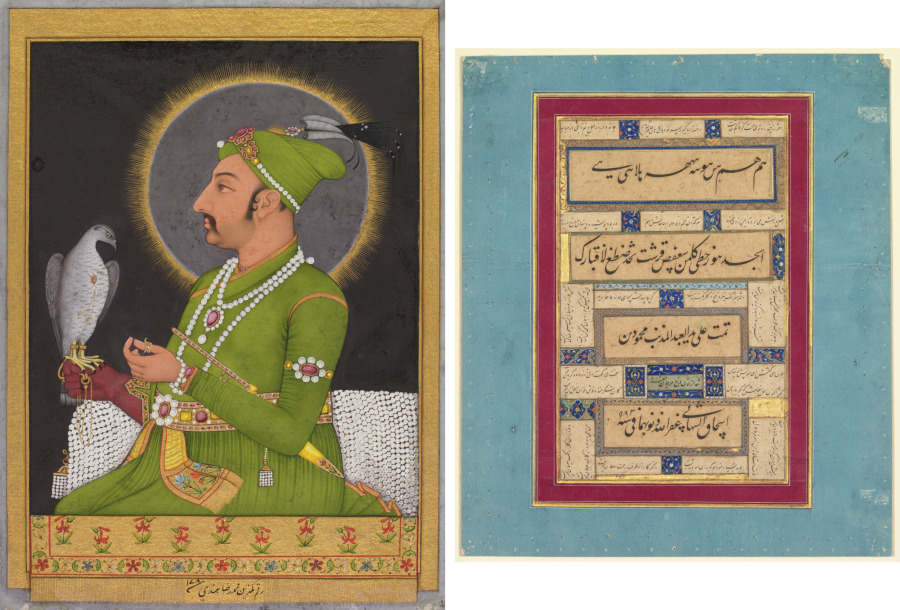
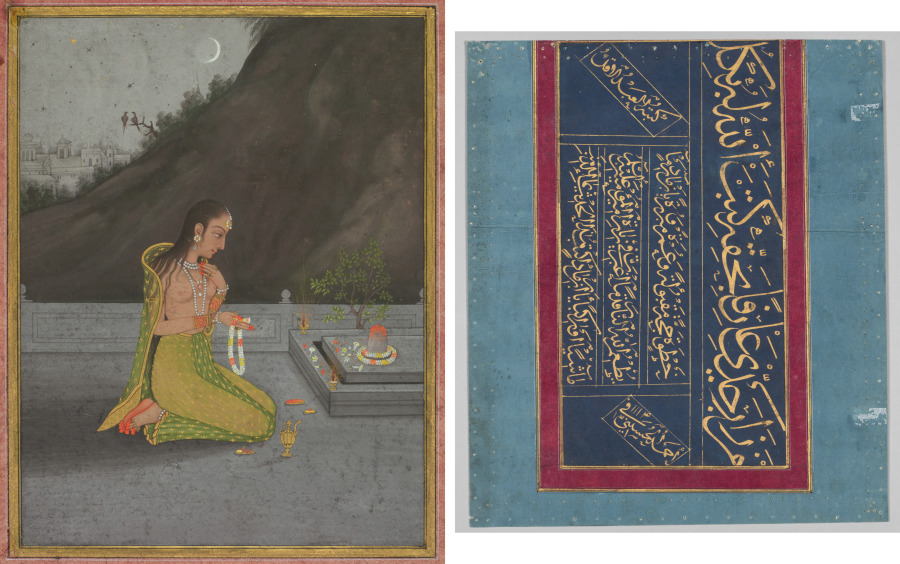
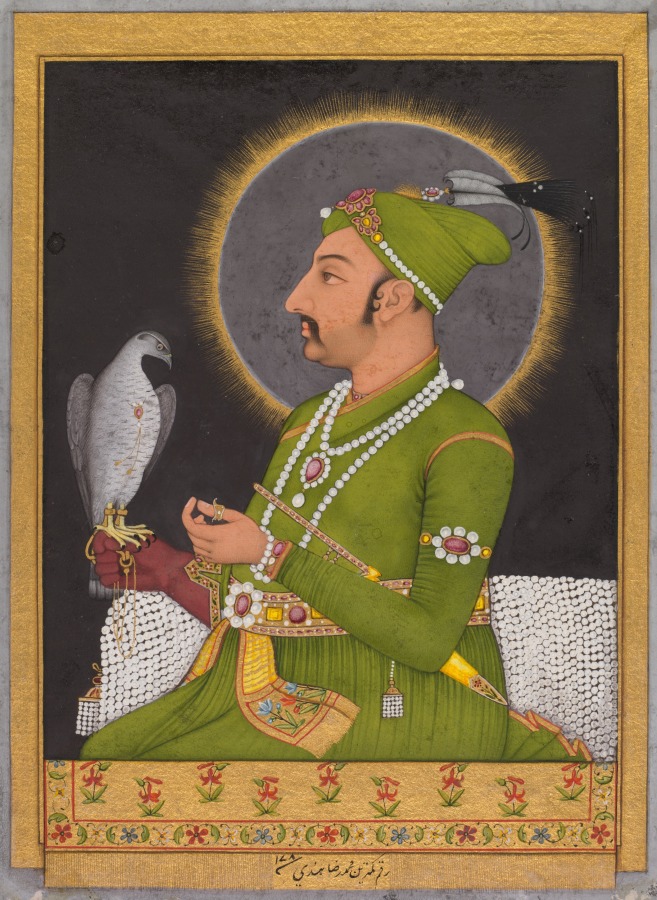
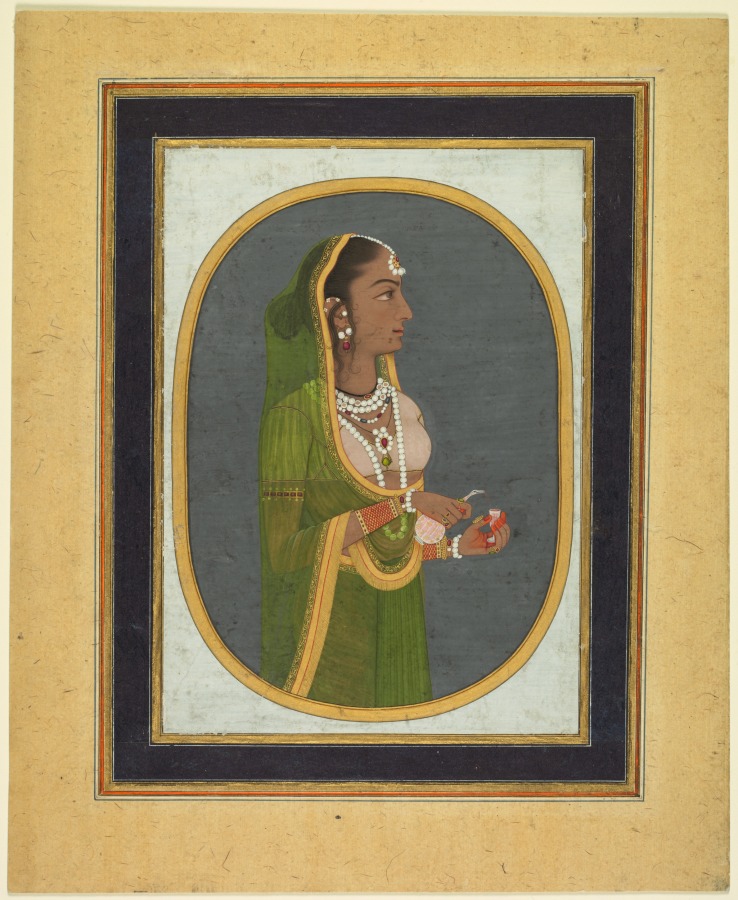
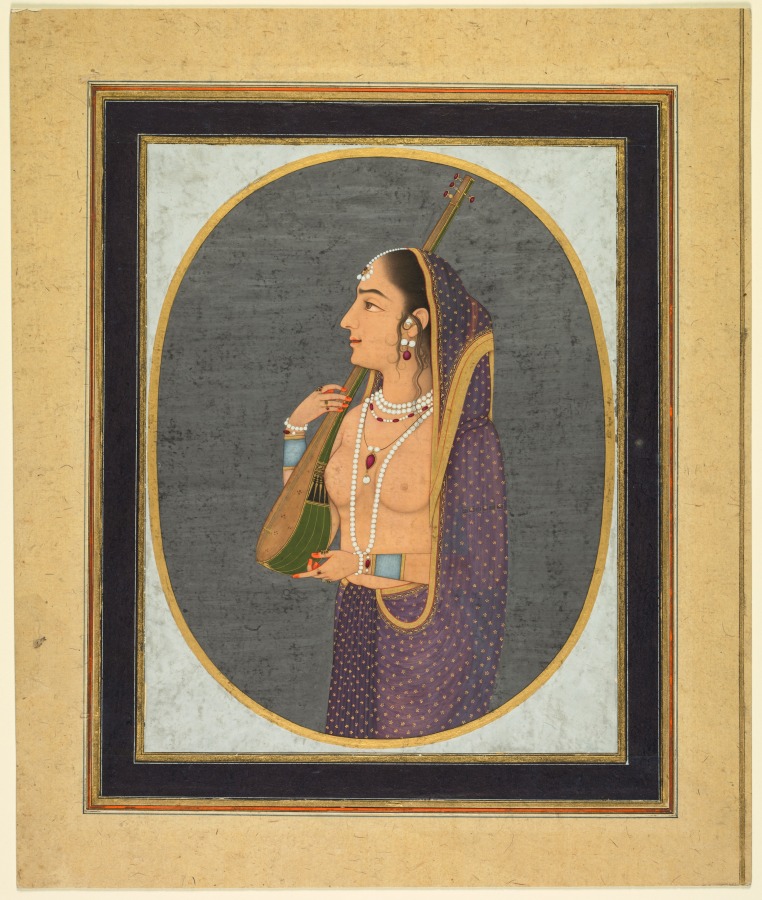
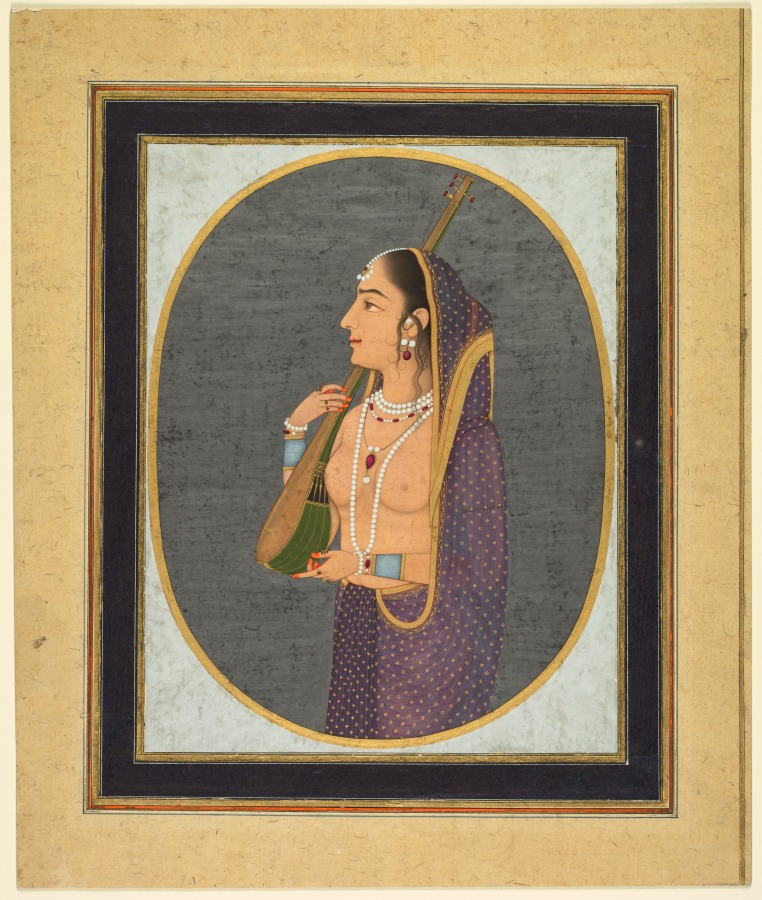
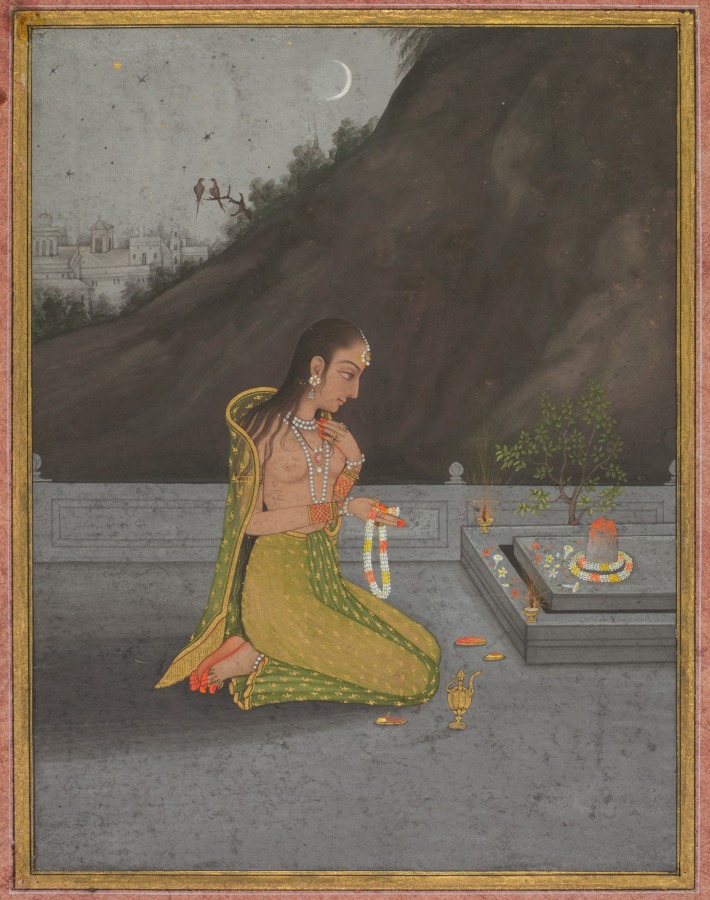
Muhammad Rizavi Hindi occupied a unique space between the Mughal and Safavid courts during the seventeenth century. His name indicates Indian origins, yet his technique shows a mastery of the Isfahan style found in Persia. He often depicted single figures in quiet contemplation rather than the large battle scenes common in royal commissions. This focus on individual character studies allowed him to use fine lines and subtle washes of colour.
Biography
The artist used a technique called siyah-qalam, or pen painting, which relied on precise ink work. He avoided the heavy pigments of traditional Mughal miniatures to focus on the fluidity of the human form. His subjects wear contemporary clothing with specific textile patterns that provide a record of seventeenth-century fashion. He balanced these realistic details with minimalist backgrounds to keep the focus on the subject.
Modern collectors value these works for their clean compositions and historical accuracy. The muted tones and precise draughtsmanship fit well in contemporary interiors that favour understated decor. These prints offer a glimpse into the cross-cultural exchanges between India and Persia. They provide a sense of historical depth without the visual clutter of more complex courtly scenes.
Notable Works
Tap to view larger.
Next stop
Browse the movements →
Every movement in the collection, from the Renaissance to Pop art.
Frequently Asked Questions
What is Muhammad Rizavi Hindi known for?
Muhammad Rizavi Hindi is known for muhammad Rizavi Hindi was a seventeenth-century painter who blended Indian origins with Persian Isfahan techniques to create precise, single-figure character studies.

