

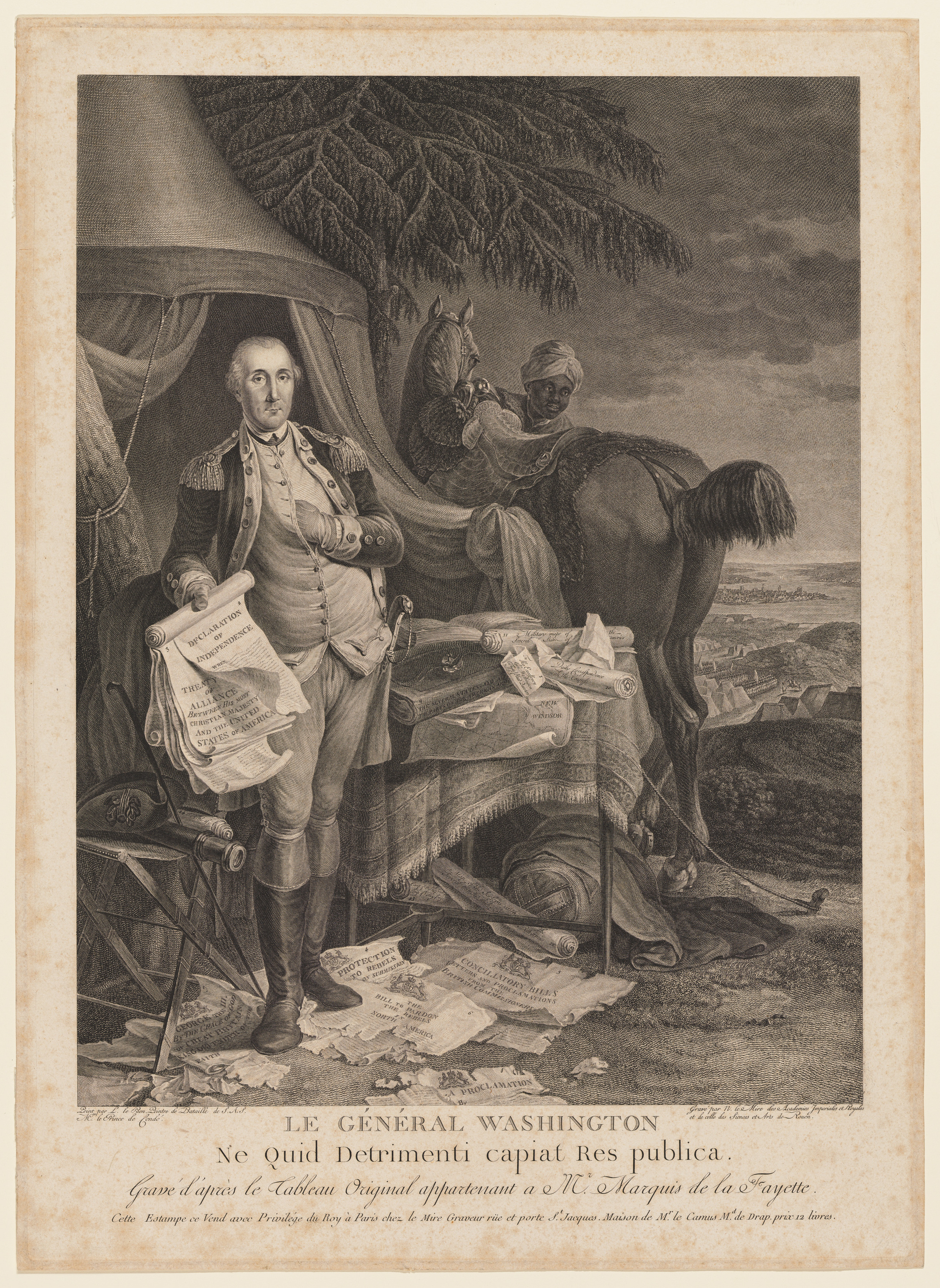


1724–1801 · French
Noël Le Mire
Noël Le Mire was an artist from France. He lived from 1724 until 1801.

Biography
His works include Joseph II, Emperor of Germany, Poullain de Saint-Foix, Latona Avenged, Madonna with Saint Sebastian in Foreground, Schepen in een haven aan een rotsachtige kust, Gezicht op de haven van Brugge, Zaire, The Annunciation of the Virgin, Curiosity, and Landscape with Cattle. Solis Prints offers fine art prints of Joseph II, Emperor of Germany, Portrait of Germain-François Poullain de Saint-Foix, Schepen in een haven aan een rotsachtige kust, and Zaire.
Notable Works
Tap to view larger.
Next stop
Browse the movements →
Every movement in the collection, from the Renaissance to Pop art.
Noël Le Mire prints
Hand-finished archival prints from Noël Le Mire's body of work.


Related Artists


Take Noël Le Mire home.
See all Noël Le Mire prints →Frequently Asked Questions
When was Noël Le Mire born?
Noël Le Mire was born in 1724 and died in 1801.What is Noël Le Mire known for?
Noël Le Mire is known for noël Le Mire was an artist from France who lived from 1724 until 1801.