



Pacino di Bonaguida
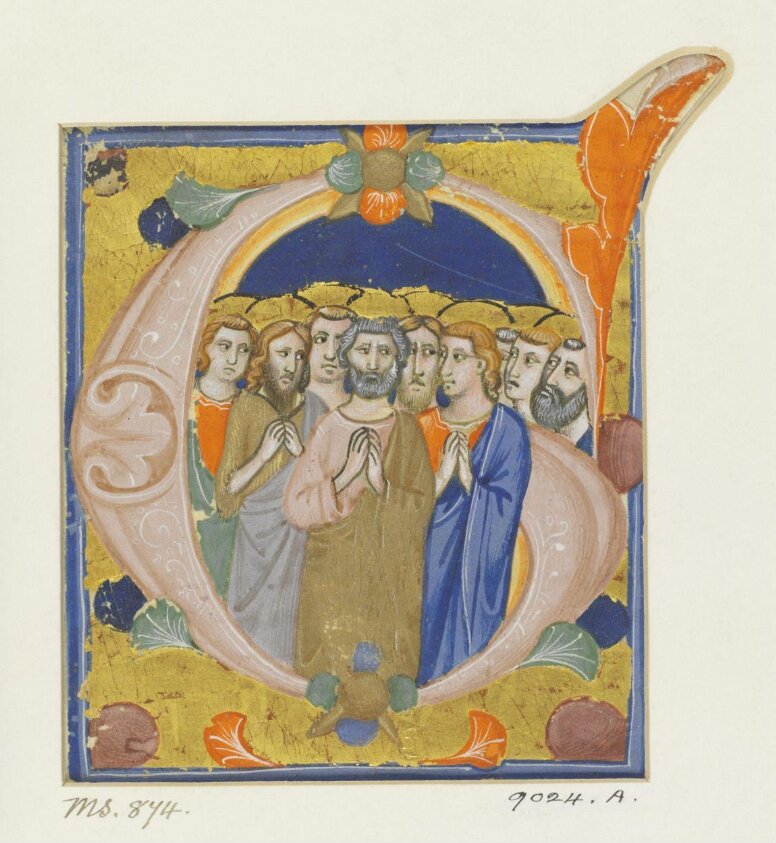
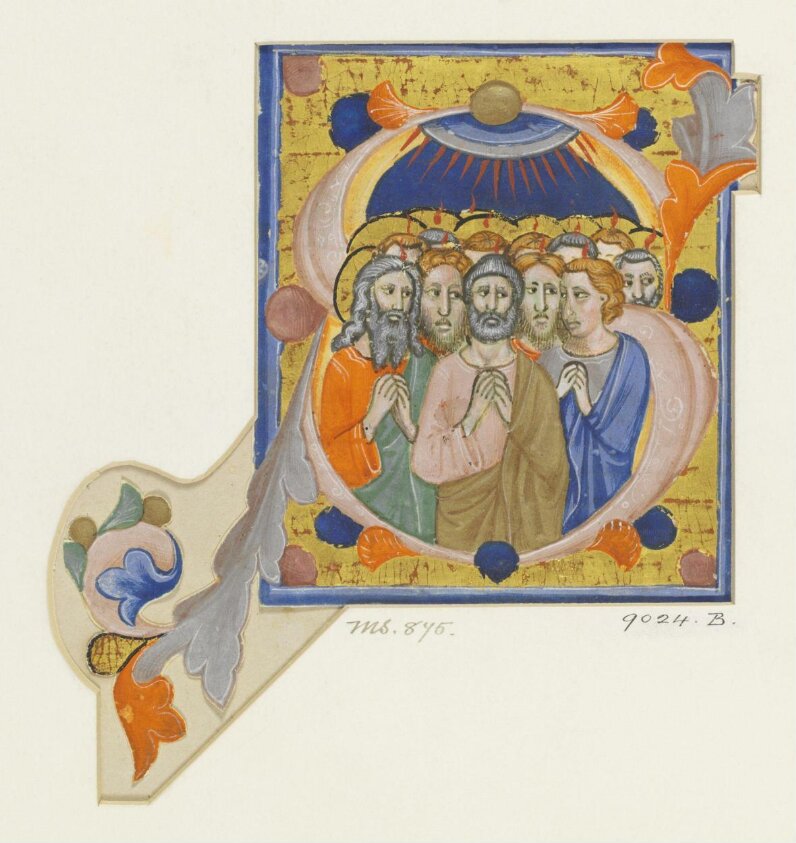
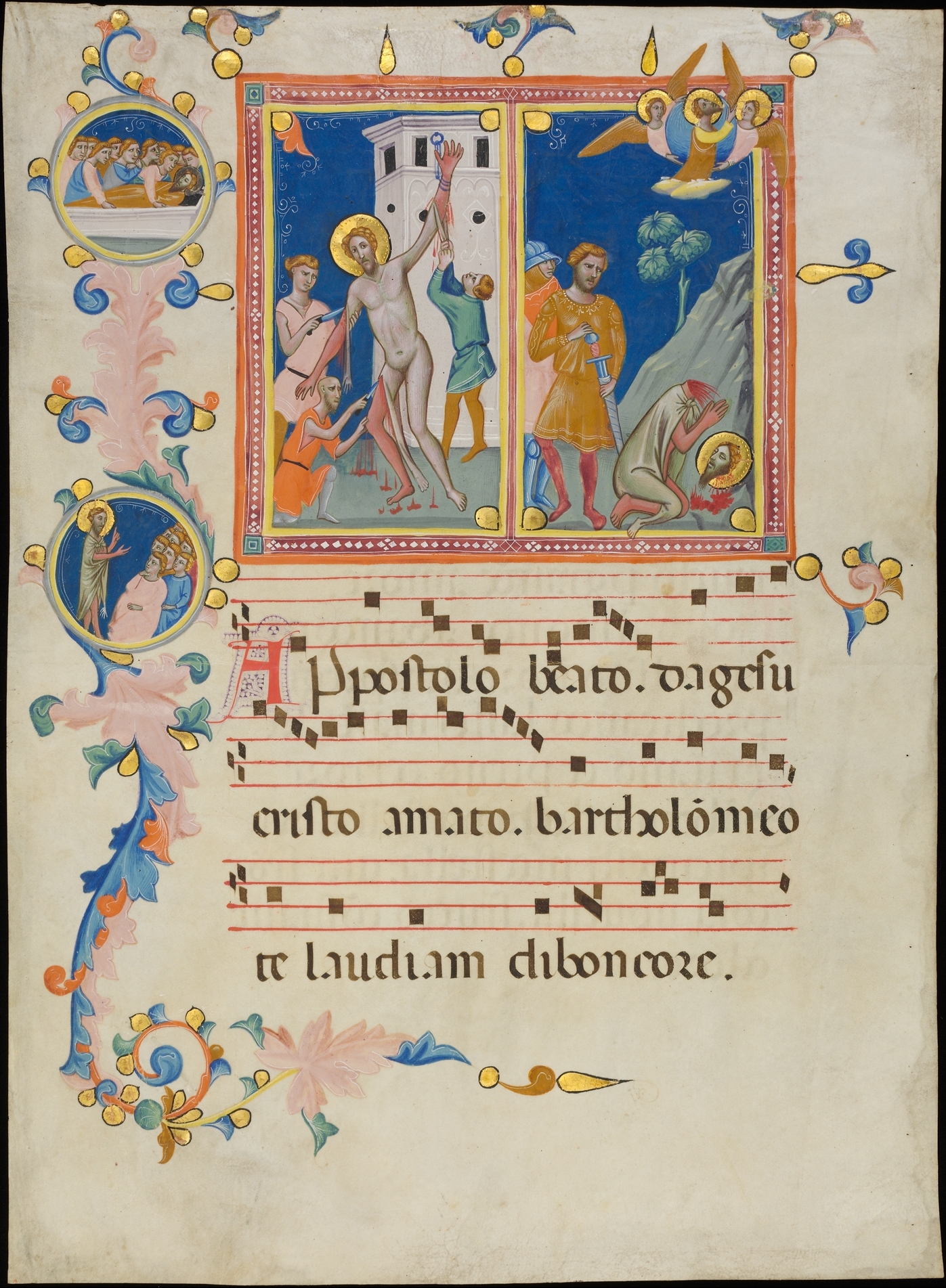
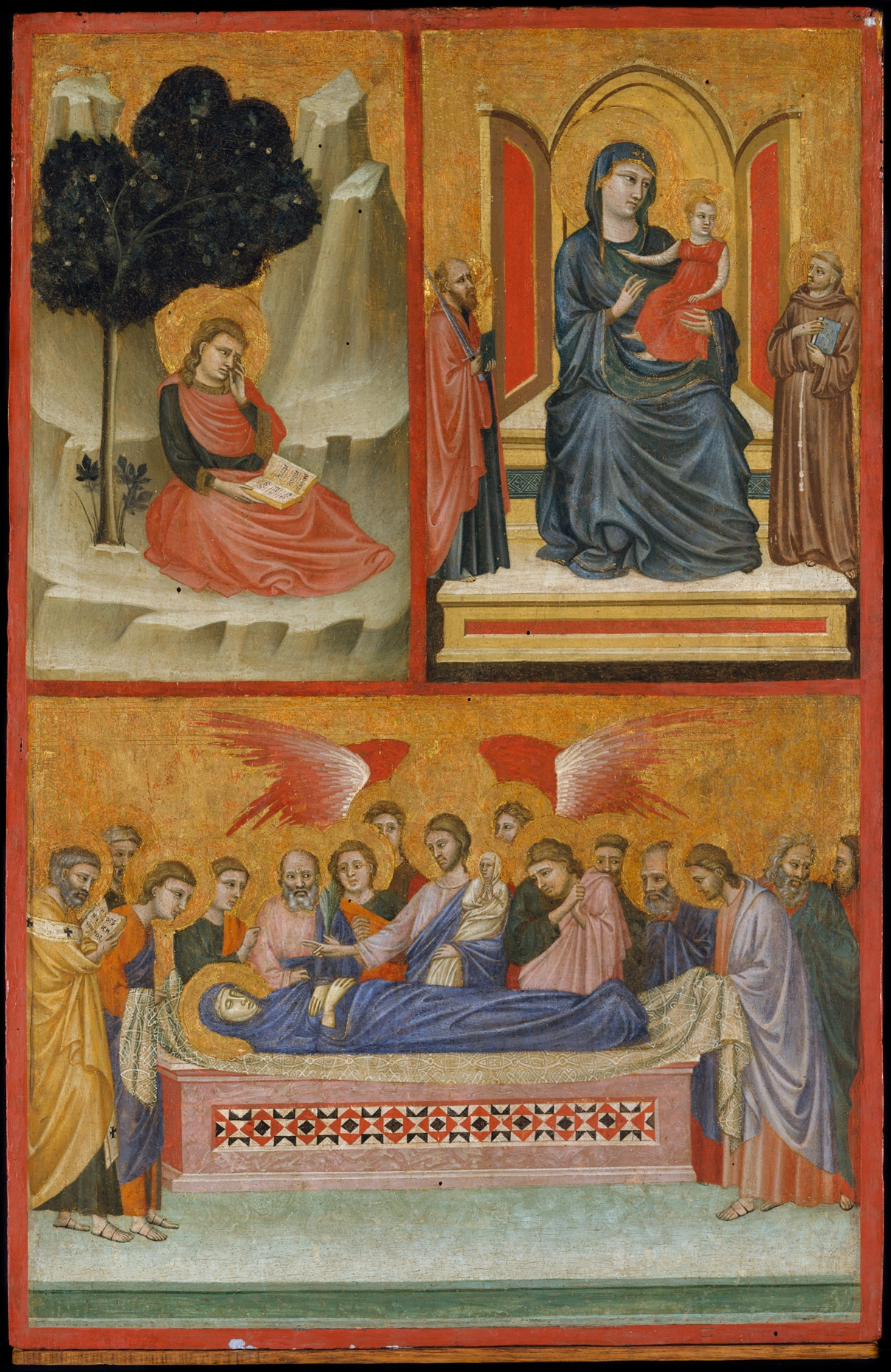
Pacino di Bonaguida was one of the first painters in Florence to manage a large workshop producing both altarpieces and book illuminations. He registered with the Arte dei Medici e Speziali in 1303 as a specialist in miniatures. This specific skill allowed him to translate the scale of Florentine painting into the details of religious manuscripts. His most famous work is the Lignum Vitae, or Tree of Life. This panel painting functions as a visual guide to Franciscan theology through many small scenes.
Biography
His style is defined by narrative clarity and a preference for linear forms. Unlike Giotto, who focused on three-dimensional volume, Pacino maintained a connection to the miniaturist tradition. He used gold leaf and tempera to create scenes with distinct outlines. His compositions often feature many small scenes contained within a single frame. This method organises his work into a series of snapshots that tell a story. He avoided heavy shadows in favour of bright colours and sharp forms.
Collectors value Pacino for the graphic quality of his work. The structured nature of his compositions fits well in contemporary interiors that favour order. His panels offer a window into the medieval world through a lens that feels modern in its precision. The combination of gold backgrounds and narrative detail provides a sense of history without visual clutter. These prints offer a balance of historical weight and decorative clarity for a home gallery.
Notable Works
Tap to view larger.
Next stop
Browse the movements →
Every movement in the collection, from the Renaissance to Pop art.
Frequently Asked Questions
What is Pacino di Bonaguida known for?
Pacino di Bonaguida is known for pacino di Bonaguida was a 14th-century Florentine painter and illuminator known for his narrative clarity and his detailed Tree of Life panel.

